Whether Addisons Medication Is Lifelong for a Portuguese Water Dog
When your beloved Portuguese Water Dog is diagnosed with Addison's disease, it can feel like your world has been turned upside down. The initial shock, the worry, and then the inevitable questions about what this means for your dog's future can be overwhelming. One of the most pressing concerns for many owners is understanding the long-term treatment—specifically, whether Addison's medication is a lifelong commitment for their furry family member. This guide aims to thoroughly address that very real concern, offering clear, empathetic, and detailed insights into managing this condition for the entirety of your Portuguese Water Dog's life.
Understanding Addison's Disease in Portuguese Water Dogs
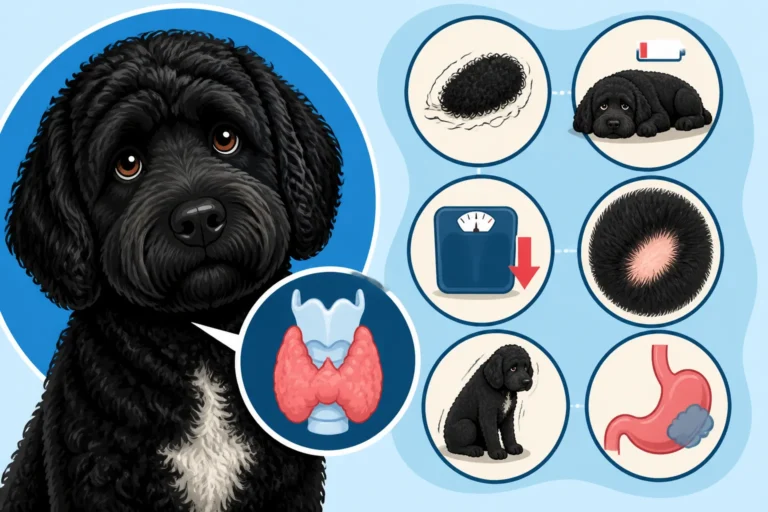
Addison's disease, medically known as hypoadrenocorticism, is a tricky condition that often catches owners and even some vets off guard. It's a hormonal disorder where your dog's adrenal glands, which are tiny but mighty glands located near the kidneys, don't produce enough essential hormones, particularly glucocorticoids (like cortisol) and mineralocorticoids (like aldosterone). These hormones are critical for managing stress, regulating metabolism, and balancing electrolytes in the body. When they're deficient, your Portuguese Water Dog's body simply can't function correctly, leading to a host of often vague and confusing symptoms.
The reason Addison's can be so challenging to diagnose initially is because its signs are often non-specific and can mimic other common ailments. You might notice your PWD seems unusually lethargic, has a reduced appetite, experiences intermittent vomiting or diarrhea, or just seems "off." These symptoms can wax and wane, making it easy to dismiss them as a passing upset stomach or a temporary lack of energy. It's no wonder that Addison's is often called the "great pretender" because of its ability to mimic so many other conditions. The good news is that once diagnosed, it's a very manageable condition, but that management does come with a significant, lifelong commitment. If you're seeing any of these subtle changes, it’s always best to consult your vet.
Why Adrenal Glands Fail
The most common cause of Addison's disease in dogs, including our Portuguese Water Dogs, is what we call primary Addison's, which is typically immune-mediated. This means that for reasons we don't fully understand, the dog's own immune system mistakenly attacks and destroys the adrenal gland tissue. Think of it like a friendly fire incident within the body; the immune system, designed to protect, ends up causing harm. Once this tissue is damaged beyond a certain point, it loses its ability to produce the necessary hormones.
While less common, secondary Addison's can also occur if there's a problem with the pituitary gland in the brain, which is responsible for signaling the adrenal glands to produce hormones. However, primary Addison's is the big one we usually talk about. It’s important to understand that this destruction of adrenal tissue is generally irreversible. The glands won't suddenly "heal" themselves and start producing hormones again. This irreversible nature is the fundamental reason why treatment must be lifelong. You can learn more about What Addisons Disease Does to a Portuguese Water Dog to understand the systemic impact.
Early Detection and Diagnosis
Detecting Addison's early is incredibly valuable, as it can prevent an Addisonian crisis, a severe and life-threatening exacerbation of the disease. Signs a Portuguese Water Dog Has Addisons can include subtle changes in energy, appetite, and gastrointestinal issues. If your vet suspects Addison's, they'll likely recommend a specific diagnostic test called an ACTH stimulation test. This test measures your dog's cortisol levels before and after administering a synthetic hormone that should stimulate the adrenal glands. In dogs with Addison's, there will be little to no increase in cortisol production, confirming the diagnosis.
This process can be a bit nerve-wracking, waiting for results and worrying about your dog. But getting a definitive diagnosis is the crucial first step. Once confirmed, you and your vet can move forward with developing a treatment plan, which is almost always centered around replacing the hormones your Portuguese Water Dog's body can no longer produce on its own. It's a big relief to finally know what you're dealing with, even if the road ahead involves ongoing care.
The Lifelong Nature of Addison's Medication
Let's get straight to the heart of the matter: yes, Addison's medication for a Portuguese Water Dog is, unequivocally, lifelong. There is no cure for Addison's disease in dogs, only management. The medication your dog receives doesn't fix the underlying problem of the failing adrenal glands; rather, it replaces the hormones that their body can no longer produce. Without these synthetic hormones, your dog would quickly become ill again, potentially entering a life-threatening crisis.
This might sound daunting at first, but it's a reality that thousands of dedicated dog owners embrace every day. Your role shifts from simply caring for a healthy dog to actively participating in its ongoing medical management. This partnership with your veterinarian is essential, and with consistent treatment, most Portuguese Water Dogs with Addison's can live full, active, and happy lives, much like their unaffected counterparts. The commitment is significant, but the rewards are immeasurable.
Replacing Essential Hormones
The primary goal of Addison's treatment is to replace the deficient glucocorticoids and mineralocorticoids. This typically involves two main types of medication:
- Mineralocorticoid Replacement: This is usually achieved with desoxycorticosterone pivalate (DOCP), often known by brand names like Percorten-V or Zycortal. This is typically given as an injection, either by your veterinarian or, once you're comfortable and trained, at home. The injection schedule varies, but it's often given every 21 to 30 days. This hormone is crucial for balancing electrolytes, particularly sodium and potassium, which if unbalanced, can lead to severe cardiac and neurological problems.
- Glucocorticoid Replacement: This is usually a daily oral medication, such as prednisone or prednisolone. The dose is typically low, just enough to mimic the body's natural cortisol levels and help your PWD cope with everyday stresses. Your vet will work with you to find the lowest effective dose.
It's critical that both types of hormones are replaced as needed. Skipping doses or inconsistent administration can lead to serious health setbacks for your Portuguese Water Dog. It's about providing what their body is missing, day in and day out, for the rest of their lives. For a deeper dive into the specific treatments, check out Which Medication a Portuguese Water Dog With Addisons Takes.
Why Discontinuation Is Not an Option
The idea that treatment might eventually stop, or that your dog could "outgrow" Addison's, is a common misconception. Unfortunately, it's a dangerous one. Because the adrenal glands are damaged and can no longer produce hormones, taking your Portuguese Water Dog off their medication would be akin to removing vital organs without replacement. Their body would quickly go into crisis. The symptoms would return, often with greater severity, and could rapidly escalate to an Addisonian crisis, which is a medical emergency requiring immediate veterinary attention and often intensive care.
This crisis manifests as severe weakness, collapse, shock, vomiting, diarrhea, and potentially fatal heart arrhythmias due to extreme electrolyte imbalances. It's a stark reminder that the medication isn't just a band-aid; it's the life support system for their endocrine function. Therefore, any decision regarding medication adjustments should only be made in close consultation with your veterinarian, never on your own.
Managing Addison's Disease: A Long-Term Commitment
Living with a Portuguese Water Dog diagnosed with Addison's disease means embracing a long-term commitment to their health and well-being. It's more than just administering medication; it's about vigilant monitoring, regular veterinary check-ups, and understanding how to adjust care based on their needs and any changes in their environment.
This commitment extends to financial planning as well. While the daily or monthly medications are generally affordable compared to some other chronic conditions, they are ongoing. Many owners find that having pet insurance, like a policy from Healthy Paws, can be incredibly helpful in offsetting the costs associated with chronic conditions like Addison's disease. Knowing that the financial burden is somewhat managed can alleviate a lot of stress and allow you to focus purely on your dog's care.
Regular Monitoring and Adjustments
One of the most important aspects of long-term management is regular monitoring. Your vet will likely recommend periodic blood tests, often before a scheduled DOCP injection, to check electrolyte levels (sodium and potassium) and ensure the medication dosage is correct. These blood tests are vital for fine-tuning the treatment plan and catching any potential issues before they become serious. You can expect these blood tests every few months, or more frequently if there are concerns. Understanding How Often an Addisonian Portuguese Water Dog Needs Bloodwork is key to proactive care.
It's not uncommon for medication dosages to be adjusted over time. Factors like your dog's weight, activity level, and overall health can influence how much hormone replacement they need. For instance, during times of increased stress, such as boarding, travel, or surgery, your vet might temporarily increase the prednisone dose to help your Portuguese Water Dog cope. This flexibility in management, guided by your vet, ensures your dog remains stable and comfortable.
Lifestyle and Stress Management
While medication is paramount, managing your Portuguese Water Dog's lifestyle plays a significant role in their overall health with Addison's. Minimizing stress is crucial. Addisonian dogs lack the natural surge of cortisol needed to handle stressful situations, so providing a stable, predictable environment can help prevent flare-ups. This doesn't mean your PWD can't live a normal, active life – quite the opposite! Many Addisonian Portuguese Water Dogs continue to excel in activities like swimming, retrieving, and dog sports. However, it means being mindful of what might be overly stressful for them and working to mitigate those factors.
For instance, if your Portuguese Water Dog gets anxious during thunderstorms, discuss strategies with your vet, which might include temporary medication increases or specific calming techniques. Ensuring they have a consistent routine, plenty of enrichment, and a loving, calm home environment will go a long way in supporting their health. The aim is to allow them to thrive, not just survive, with their condition.
Impact on Quality of Life and Owner Responsibilities
The diagnosis of Addison's disease is a big one, but it's important to know that with proper, lifelong management, your Portuguese Water Dog can still enjoy an excellent quality of life. Many owners are initially worried that their dog will be fragile or constantly ill, but this is rarely the case once treatment is established and stable. In fact, many Addisonian dogs are indistinguishable from their healthy counterparts. They can still participate in their beloved water activities; for instance, Whether a Portuguese Water Dog With Addisons Can Still Swim is a common concern, and the answer is usually a resounding yes, with proper management.
However, owning an Addisonian Portuguese Water Dog does come with specific responsibilities that you, as the owner, must be prepared to take on. This isn't a condition where you can simply forget about the medication for a week or two. Your vigilance is their well-being.
Long-Term Prognosis and Expectations
The long-term prognosis for a Portuguese Water Dog with Addison's disease is generally very good, provided owners are diligent with medication and follow-up care. Many dogs live out their full expected lifespans. The critical factor is consistency. Once your dog is regulated on medication, you'll see a dramatic improvement in their symptoms, and they'll likely return to their normal, energetic selves.
It’s about resetting expectations. Instead of expecting a "cure," you embrace the role of a dedicated manager of a chronic condition. This means having an ongoing relationship with your veterinarian, keeping an emergency contact list handy, and being aware of any subtle changes in your dog's behavior or health that might indicate a need for medication adjustment. This proactive approach ensures minor issues don't escalate.
Financial and Time Commitments
Let's be realistic: managing any chronic health condition for a pet involves both time and financial commitments. For Addison's, this includes:
- Medication Costs: Monthly or tri-weekly injections of DOCP and daily oral prednisone. These costs can vary, but What a Portuguese Water Dog's Monthly Addisons Medication Costs will be a recurring expense.
- Veterinary Visits: Regular check-ups and blood work to monitor electrolyte levels and adjust dosages.
- Emergency Care: While less likely once well-regulated, an Addisonian crisis can be very costly if it occurs.
It’s wise to budget for these ongoing expenses. As mentioned earlier, pet insurance can be a lifesaver here. Companies like Healthy Paws often offer coverage for chronic conditions once a diagnosis is made (though pre-existing conditions typically aren't covered, so getting insurance early is always a good idea). Having a plan for the financial aspect allows you to provide the best care without undue stress. The time commitment involves administering medication, monitoring your dog, and scheduling vet appointments, but it quickly becomes a routine part of your life together.
The Bond with Your Addisonian PWD
Ultimately, living with a Portuguese Water Dog with Addison's disease strengthens the bond you share. The care, attention, and dedication you provide forge an even deeper connection. You become incredibly attuned to your dog's needs and celebrate every good day, knowing the effort it takes to maintain their health. It's a testament to the unconditional love we have for our pets. Even as your PWD enters their senior years, Caring for an Aging Portuguese Water Dog with Addison's simply becomes an extension of the excellent care you've already been providing for years. They are resilient, and with your help, they can truly thrive.
| Aspect of Addison's Management | Description | Frequency | Owner Responsibility |
|---|---|---|---|
| DOCP Injections | Replaces mineralocorticoids (e.g., Percorten-V, Zycortal). | Every 21-30 days | Administer as instructed (vet or home), track schedule. |
| Oral Prednisone | Replaces glucocorticoids. | Daily | Administer consistently, monitor for stress/symptoms. |
| Electrolyte Blood Tests | Monitors sodium/potassium levels to ensure proper dosing. | Every 1-3 months | Schedule and attend vet appointments. |
| Stress Management | Minimizing environmental and emotional stressors. | Ongoing | Provide stable routine, identify triggers, consult vet for adjustments. |
| Emergency Preparedness | Knowing signs of crisis, vet contact info, emergency funds. | Ongoing | Vigilance, prompt action in case of crisis. |
Disclaimer
The information provided in this article is intended for general knowledge and informational purposes only, and does not constitute veterinary medical advice. Always consult with a qualified veterinarian for any health concerns or before making any decisions related to your Portuguese Water Dog's health and treatment.