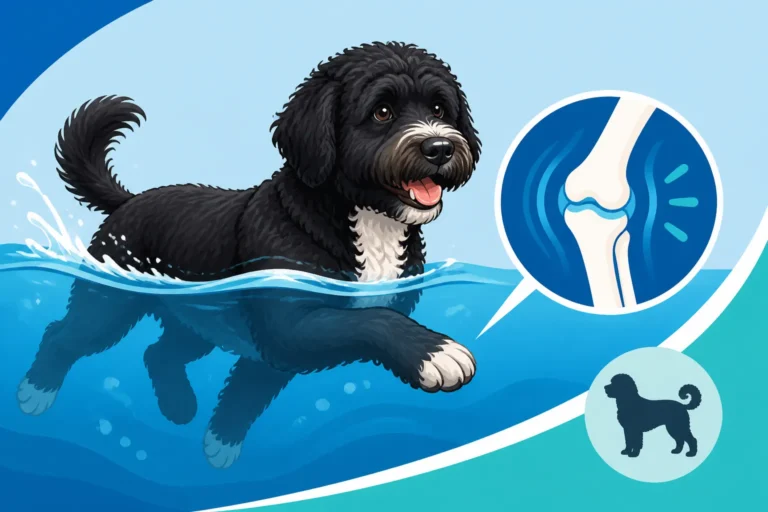
Whether a Portuguese Water Dog With Addisons Can Still Swim
It’s a heartbreaking moment when your vibrant, water-loving Portuguese Water Dog, who lives for a good swim, is diagnosed with a chronic condition like Addison's disease. As an owner, your immediate concern shifts to their well-being, and naturally, you wonder if their favorite activities are now off-limits. This guide will thoroughly explore whether a Portuguese Water Dog with Addison's can still enjoy the water, focusing on safe practices and thoughtful management.
Understanding Addison's Disease in Your Portuguese Water Dog
Receiving an Addison's diagnosis for your beloved PWD can feel overwhelming. It's a condition that affects their adrenal glands, which are tiny powerhouses responsible for producing crucial hormones like cortisol and aldosterone. When these glands don't produce enough of these hormones, the body's ability to cope with stress, regulate blood sugar, and maintain electrolyte balance is severely compromised. It’s a serious condition, but one that’s often very manageable with proper care.
The "Great Pretender" and Its Impact
Addison's disease is often referred to as "the great pretender" because its symptoms can be incredibly vague and mimic a host of other health issues, making diagnosis challenging. You might see intermittent vomiting, diarrhea, lethargy, or a lack of appetite, which can come and go, making you think it's just a passing bug. However, these are signs that your dog's body isn't able to handle its normal functions, let alone respond to stress effectively. For a deeper dive into the condition itself, you can learn more about What Addisons Disease Does to a Portuguese Water Dog.
In a Portuguese Water Dog, a breed known for its boundless energy and working drive, this lack of adrenal function directly impacts their ability to handle physical exertion and excitement. Their internal systems can’t properly manage the physiological changes that come with activity, or even just daily life. Understanding Why Addisons Is Called the Great Pretender in a Portuguese Water Dog can help you appreciate the complexity and the critical need for consistent treatment. It’s also important to remember that Addisons Disease Is Common in Portuguese Water Dogs, so you're not alone in facing this challenge.
Diagnosis and Lifelong Management
Diagnosing Addison's usually involves a specific blood test called an ACTH stimulation test, which assesses how well the adrenal glands respond to a stimulating hormone. Once diagnosed, the good news is that Addison's is highly treatable. The bad news, though, is that it's a lifelong condition requiring consistent medication, often in the form of daily oral pills or monthly injections. There’s no quick fix, no magic bullet – it’s a marathon, not a sprint.
The treatment regimen aims to replace the missing hormones. This typically involves a daily corticosteroid (like prednisone) and sometimes a mineralocorticoid (like desoxycorticosterone pivalate, often given as an injection like Percorten-V or Zycortal). These medications are absolutely critical for managing the disease and preventing life-threatening "Addisonian crises." For specifics on treatment, read more about How a Portuguese Water Dog With Addisons Is Treated. It's a commitment, but one that allows your dog to live a full and happy life. Be prepared for the reality that Whether Addisons Medication Is Lifelong for a Portuguese Water Dog is a resounding "yes."
The Question of Swimming: Can an Addisonian PWD Still Enjoy the Water?
This is often the first question on an owner's mind: does this diagnosis mean the end of their water dog's favorite pastime? It’s a perfectly valid and empathetic concern. You want your dog to be healthy, but you also want them to be happy and engaged in the activities they love.
The Good News: Often, Yes!
The resounding answer for most well-managed Portuguese Water Dogs with Addison's is yes, they absolutely can still enjoy swimming and other water activities! This is fantastic news because swimming is not just an activity for a PWD; it's practically part of their DNA. Their webbed feet, rudder-like tail, and dense, water-resistant coat all scream "water dog." As you'll discover in How Naturally a Portuguese Water Dog Swims, it's a natural, joyful expression of their breed.
The key phrase here, however, is "well-managed." With consistent medication and vigilant monitoring, many Addisonian dogs lead incredibly normal, active lives. Swimming offers a fantastic low-impact exercise option, which is often ideal for dogs with chronic conditions. It burns energy without putting excessive strain on joints, provides wonderful mental stimulation, and for a PWD, it’s a powerful stress reducer. Keeping their stress levels low is paramount for an Addisonian dog, and if swimming is their happy place, it can contribute significantly to their overall well-being.
Navigating Potential Challenges
While the answer is generally positive, it's not a blanket "go for it" without any thought. There are important considerations and potential challenges that need careful navigation. The primary concern revolves around stress and the body's inability to produce cortisol to cope with it. Even positive excitement, like the anticipation of a swim, can be a physiological stressor. Intense physical activity, prolonged cold water exposure, or even the general hustle and bustle of a busy beach can all tax an Addisonian dog's system.
Electrolyte balance, particularly sodium and potassium, can also be a delicate tightrope for dogs with Addison's, especially if their aldosterone levels are not perfectly regulated. Overexertion or dehydration during a swim could potentially throw these out of whack, leading to weakness, collapse, or even an Addisonian crisis. This isn't to scare you, but to emphasize the importance of working closely with your veterinarian. Every dog is an individual, and their specific medication regimen, dosage, and overall health status will dictate what level of activity is safe and appropriate. It’s about creating a personalized plan, not a one-size-fits-all approach.
Essential Preparations and Ongoing Monitoring for Water Activities
To ensure your Addisonian Portuguese Water Dog can safely indulge in their love for water, preparation and constant vigilance are non-negotiable. This means more than just grabbing a towel and heading to the lake; it involves a thoughtful, proactive approach to their health management.
Before Diving In: Vet Consultation and Medication
Your veterinarian is your most important partner in this journey. Before you even think about letting your PWD splash around, have a thorough discussion with them about your dog's current health status, medication levels, and your plans for water activities. They might want to run recent blood tests to check electrolyte levels and ensure the medication is optimal. These regular check-ups, while an ongoing cost, are vital. Understanding What a Portuguese Water Dog's Yearly Health Screen Costs can help you budget for this essential care.
Crucially, stick religiously to your dog's medication schedule. Consistency is key for Addison's management. Missing a dose or giving it late can have serious repercussions. If your vet anticipates a particularly strenuous or exciting water outing, they might suggest a "stress dose" of prednisone, which is a temporary increase in medication to help your dog's body cope with the anticipated stress. This should only be done under direct veterinary guidance. For managing these ongoing veterinary expenses and ensuring your dog gets the best care, pet insurance providers like Healthy Paws can be incredibly helpful, though it’s important to remember they typically don't cover pre-existing conditions, so getting coverage early is always wise.
During and After the Swim: What to Watch For
Even with the best preparation, continuous monitoring is critical when your Addisonian PWD is in or near water. You need to be extra attuned to their behavior and physical state, as Portuguese Water Dogs, like many dogs, can be masters at hiding discomfort. Learning How a Portuguese Water Dog Hides Pain can make you a more observant owner.
During the swim, watch for any signs of unusual fatigue, weakness, or disorientation. Are they swimming with their usual vigor, or do they seem to be struggling more? Are their gums pale? Are they showing any trembling or stiffness? Pay attention to their breathing. While heavy panting after exertion is normal, excessive panting, especially if prolonged, could be a red flag. Always ensure access to fresh, clean drinking water, especially if swimming in salt or chlorinated water, to prevent them from gulping down too much of the pool or ocean water, which can further disrupt their electrolyte balance.
After the swim, ensure your dog has a quiet, warm place to rest and recover. Dry them thoroughly, paying special attention to their ears to prevent infections, which can add unnecessary stress to their system. Continue to monitor them for several hours. Any persistent lethargy, vomiting, diarrhea, or refusal to eat should prompt an immediate call to your vet.
To help visualize what to look for, here's a table summarizing signs of potential distress:
| Symptom | Description | Action |
|---|---|---|
| Excessive Panting | Louder, more rapid, or prolonged panting than usual after exercise. | Remove from water, offer fresh water, seek shade/cool area. Contact vet. |
| Weakness/Lethargy | Unsteady gait, difficulty standing, unwillingness to move, unusual stillness. | Stop activity immediately, provide rest and water. Contact vet. |
| Disorientation | Confusion, staring blankly, bumping into objects, unusual behavior. | Immediately remove from water, ensure safety. Contact vet urgently. |
| Trembling/Shaking | Involuntary muscle tremors, shivering (not just from cold). | Remove from water, provide warmth and comfort. Contact vet. |
| Pale Gums | Gums appear lighter than normal pink, or whitish. | Urgent vet contact; could indicate shock or poor circulation. |
| Vomiting/Diarrhea | Any incidence during or shortly after swimming. | Stop activity, monitor closely. Contact vet if persistent or severe. |
| Collapse | Sudden inability to stand or move. | Immediate veterinary emergency. |
Creating a Safe and Enriching Aquatic Lifestyle
Living with an Addisonian Portuguese Water Dog means finding a balance between managing their health and allowing them to live a full, enriching life. Swimming, when managed correctly, can be a huge part of that.
Environmental Considerations
The environment where your PWD swims plays a significant role in their safety. Extreme water temperatures, particularly very cold water, can be a major stressor, requiring the body to work harder to maintain core temperature. This is something an Addisonian dog may struggle with more than a healthy one. Stick to comfortably temperate waters.
Water quality is another concern. Stagnant ponds, heavily chlorinated pools, or bodies of water with known algae blooms can introduce pathogens or irritants that could make your dog sick. Illness, even a minor one, puts additional stress on an Addisonian dog's system and can trigger an crisis. Always choose clean, safe swimming spots. And naturally, never let your PWD swim unsupervised, especially if they have a medical condition. A life jacket is always a smart idea, even for strong swimmers, as it conserves energy and provides extra buoyancy, reducing exertion.
The Importance of Routine and Moderation
Addisonian dogs thrive on routine. This applies not just to their medication schedule but also to their daily activities. Regular, consistent exercise, including swimming, is beneficial, but sudden, intense bursts of activity are best avoided unless specifically cleared and planned with your vet. Moderation is key. Instead of one marathon swimming session, consider several shorter, less intense dips throughout the week. Remember, your Portuguese Water Dog still needs a well-rounded routine; What a Portuguese Water Dog Needs Every Day goes beyond just swimming, so balance is essential.
The goal is to provide mental and physical stimulation without pushing their bodies into a stress response. Swimming can be a wonderful, joyful outlet for their natural instincts, helping them burn off energy in a controlled and low-impact way. Their mental well-being is just as important as their physical health; a happy, engaged dog is often a healthier dog.
Financial and Emotional Realities of Living with Addison's and a Water Dog
Being a Portuguese Water Dog owner means you're already committed to a certain level of care and activity. Adding Addison's disease to the mix brings its own set of challenges, both financial and emotional.
Managing the Bills and Beyond
Let's be realistic: Addison's disease is a chronic condition, and that means ongoing veterinary costs. The monthly injections, regular blood tests, and potential for emergency visits if an Addisonian crisis occurs can add up quickly. It’s important to have a clear understanding of What Treating a Portuguese Water Dog's Addisons Costs a Year to budget effectively.
This is where pet insurance can truly shine. While most policies won't cover pre-existing conditions (so Addison's would be excluded if diagnosed before coverage started), a comprehensive plan from a provider like Healthy Paws can help with other unforeseen illnesses, accidents, and even some of the diagnostics for Addison's if the policy was in place prior to diagnosis. It’s always worth investigating your options. Beyond the financial, there’s the emotional toll. Managing a chronic illness can be stressful and worrisome. It’s okay to acknowledge those feelings and seek support from your vet, other PWD owners, or online communities. You're doing an amazing job.
Celebrating Their Resilient Spirit
Despite the challenges, Portuguese Water Dogs are incredibly resilient and adaptable creatures. With proper management and a loving, attentive owner, an Addisonian PWD can continue to enjoy many happy, active years, including plenty of invigorating swims. Their joy for life and for the water is often infectious, reminding us to savor every moment.
Your role as an owner becomes one of a vigilant advocate and a compassionate companion. You might need to adjust expectations slightly, perhaps opting for gentler swims or shorter play sessions, but you don't have to give up on their favorite activities entirely. The most important thing is focusing on their quality of life, allowing them to thrive within the bounds of their condition. With the right care, your Portuguese Water Dog can still enjoy The Twelve to Fifteen Years a Portuguese Water Dog Gets, swimming included, living a life filled with splashes and tail wags. Even as they age, Caring for an Aging Portuguese Water Dog with Addison's will simply mean continuing that vigilant, loving care.
Disclaimer
This guide provides general information and insights regarding Portuguese Water Dogs and Addison's disease. It is not a substitute for professional veterinary advice, diagnosis, or treatment. Always consult with your veterinarian regarding any health concerns, medical conditions, or before making any decisions about your pet's care, diet, or exercise regimen. Individual needs and conditions may vary.