Whether a DNA Test for Portuguese Water Dog Addisons Exists
It’s heartbreaking to think your beloved Portuguese Water Dog might be silently battling a serious illness, and the waiting game for a diagnosis can feel excruciating. Many of us wish there was a simple, definitive test for every potential health issue our furry family members face, especially for something as tricky and impactful as Addison's disease. This guide will dive deep into whether a DNA test exists for Addison's in Portuguese Water Dogs, what the current science says, and how best to protect your companion.
Understanding Addison's Disease in Portuguese Water Dogs
Addison's disease, or hypoadrenocorticism, is one of those conditions that strikes fear into the hearts of Portuguese Water Dog owners. It's not just a minor ailment; it's a serious endocrine disorder that can dramatically affect your dog's quality of life and, if left undiagnosed, can even be fatal. The frustration comes from its subtle onset and varied symptoms, which often mimic other, less serious conditions.
What Addison's Disease Actually Is
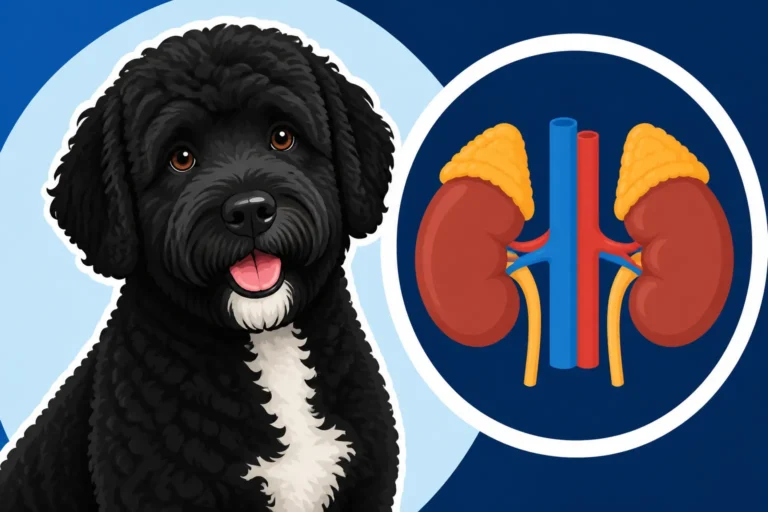
At its core, Addison's disease is a malfunction of the adrenal glands, two small glands located near your dog's kidneys. These glands are responsible for producing vital hormones like cortisol and aldosterone. Cortisol is crucial for managing stress, regulating metabolism, and suppressing inflammation, while aldosterone balances electrolytes like sodium and potassium. When these glands don't produce enough of these hormones, the body struggles to maintain normal functions.
This deficiency leads to a cascade of problems. Dogs with Addison's often experience lethargy, loss of appetite, vomiting, diarrhea, and weakness. Sometimes, these signs appear gradually, almost like an upset stomach or a general "off" day, which makes it incredibly hard to pinpoint the true culprit. Other times, a dog can suddenly collapse into an "Addisonian crisis," a life-threatening emergency characterized by severe shock, extreme weakness, and potentially kidney failure. This unpredictable nature is why many veterinarians refer to Addison's as "Why Addisons Is Called the Great Pretender in a Portuguese Water Dog," as its symptoms can mimic so many other ailments, making diagnosis a true challenge.
Why a DNA Test Would Be So Beneficial
Imagine the relief of a simple cheek swab or blood test that could tell you, definitively, if your Portuguese Water Dog carried the genes for Addison's. For breeders, such a test would be a game-changer, allowing them to make informed decisions and prevent passing on the predisposition to future generations. For prospective puppy owners, it would offer peace of mind, knowing they're bringing home a dog less likely to face this debilitating illness. And for current dog owners, it could provide an early warning, prompting closer monitoring and potentially earlier intervention before a crisis hits.
The current diagnostic process for Addison's can be lengthy and expensive, involving multiple blood tests, including the specialized ACTH stimulation test, which is the gold standard. A DNA test would streamline this, potentially reducing diagnostic costs and preventing the emotional toll of a dog suffering undiagnosed. It would move us from reactive treatment to proactive prevention, which is every responsible dog owner and breeder's dream.
The Current Reality: Is There a DNA Test for PWD Addison's?
This is where many Portuguese Water Dog owners face a significant disappointment. Despite the pressing need and ongoing research, a direct DNA test that can definitively identify Addison's disease or a predisposition to it in Portuguese Water Dogs does not currently exist.
The Elusive Genetic Marker
Addison's disease, particularly the primary typical form, is believed to have a strong genetic component in Portuguese Water Dogs. However, it's not a simple single-gene disorder like some other conditions that affect the breed, such as Progressive Retinal Atrophy or GM1 Gangliosidosis. Instead, Addison's is thought to be polygenic, meaning multiple genes, potentially interacting with environmental factors, contribute to its development. This complex inheritance pattern makes identifying a specific "marker" for a DNA test incredibly difficult.
Researchers have been tirelessly working to uncover these genetic links. They look for specific variations in a dog's genome that are more common in affected dogs than in healthy ones. But because several genes might be involved, and possibly different combinations of these genes, pinning down a single, reliable testable marker or a small panel of markers has proven to be an immense challenge. It's like trying to find a specific set of needles in a massive haystack, when you're not even sure how many needles there are or exactly what they look like.
What Research Is Being Done
While a definitive DNA test isn't available, that doesn't mean the scientific community has given up. Research into the genetic basis of Addison's disease in Portuguese Water Dogs, and other predisposed breeds, is very much ongoing. Institutions like the Michigan State University College of Veterinary Medicine and the Broad Institute of MIT and Harvard have been at the forefront of genetic research for various canine diseases, often looking at autoimmune conditions like Addison's.
Breed clubs, such as the Portuguese Water Dog Club of America (PWDCA), actively support and fund this critical research. They often encourage owners of both affected and unaffected dogs to submit samples for studies, building large databases of genetic material that scientists can analyze. The hope is that through these extensive studies, enough patterns will emerge to identify the specific genes or gene regions responsible for predisposing a PWD to Addison's. This is a long and arduous process, involving complex statistical analysis and advanced genomic sequencing, but it's the path to future breakthroughs.
What This Means for Breeders and Owners
The absence of a DNA test for Addison's means that breeders and owners must rely on other methods to manage the risk. For breeders, this involves meticulous pedigree research, carefully observing health trends in their lines, and screening all breeding dogs and their close relatives for any signs of the disease. This commitment to health means going beyond basic clearances and delving into the health histories of many generations. You can read more about "What a Portuguese Water Dog Breeder Should Have Tested" to understand the full scope of their responsibilities.
For current and prospective owners, it emphasizes the importance of choosing a reputable breeder who is transparent about the health history of their dogs and who actively participates in health databases. It also means being vigilant about your dog's health, understanding the "Signs a Portuguese Water Dog Has Addisons," and being prepared for the possibility of clinical diagnosis and lifelong treatment. While it's disheartening that a simple DNA test isn't an option, understanding the reality empowers us to take other proactive steps.
Managing the Risk of Addison's Disease in Your Portuguese Water Dog
Since we can't DNA test for Addison's, managing the risk requires a multi-faceted approach centered on careful observation, regular veterinary care, and informed decisions. It's about being proactive in every way possible.
Screening and Early Detection
Early detection is paramount when it comes to Addison's. Because the symptoms are so vague, regular wellness exams are crucial. Your veterinarian can monitor your dog for subtle changes in energy, appetite, or weight that might signal an underlying issue. If any suspicious signs emerge, your vet will likely recommend specific blood tests.
The primary diagnostic tool is the ACTH (Adrenocorticotropic Hormone) stimulation test. This test measures the adrenal glands' ability to produce cortisol in response to stimulation. Before the test, your vet will take a baseline blood sample. Then, a synthetic ACTH hormone is administered, and another blood sample is taken usually an hour later. If the cortisol levels don't rise adequately, it indicates Addison's disease. There are also baseline cortisol tests and electrolyte panels that can offer clues, but the ACTH stim test remains the definitive diagnosis. Knowing "What an ACTH Test Costs on a Portuguese Water Dog" can help you prepare for these diagnostic steps. It's also vital to be aware of other common endocrine issues, such as "Whether a Portuguese Water Dog Gets Hypothyroidism," which can sometimes present with overlapping symptoms, making accurate diagnosis even more critical.
Breeder Responsibilities and Pedigree Research
Responsible breeders are the first line of defense against inherited diseases. While there's no DNA test for Addison's, ethical breeders will have a deep understanding of the health of their breeding lines. They will:
- Track incidences: Keep detailed records of any Addison's cases in their dogs' ancestry.
- Avoid affected lines: Refrain from breeding dogs from lines with a high incidence of Addison's, even if the breeding dog itself is healthy.
- Be transparent: Share health information about their dogs' parents, grandparents, and other relatives, including any known cases of Addison's.
- Participate in registries: Contribute health data to open registries, such as those maintained by the Orthopedic Foundation for Animals (OFA), which can sometimes include reported cases of Addison's.
When you're looking for a puppy, don't be shy about asking direct questions about Addison's disease in the breeder's lines. A good breeder will welcome your questions and provide detailed answers, often even showing you copies of health clearances for other conditions. This diligent approach helps minimize the risk, even without a specific DNA test.
Financial Preparedness and Support
Discovering your Portuguese Water Dog has Addison's can be emotionally draining, and the financial implications can add another layer of stress. "What Treating a Portuguese Water Dog's Addisons Costs a Year" can be substantial, as the condition requires lifelong medication and regular veterinary check-ups. This is where foresight and financial planning become incredibly important.
Many owners find immense relief through pet insurance. Providers like Healthy Paws offer comprehensive coverage that can help mitigate the costs associated with chronic conditions like Addison's. While pre-existing conditions are typically not covered, if you enroll your Portuguese Water Dog in a plan like Healthy Paws early in their life, before any signs of Addison's appear, the ongoing treatment for the disease could be covered. It's always wise to research "What Insurance Covers on a Portuguese Water Dog" and choose a policy that aligns with the potential health challenges of the breed. Having a safety net allows you to focus on your dog's well-being without constantly worrying about vet bills.
Living with an Addisonian Portuguese Water Dog: What You Need to Know
A diagnosis of Addison's is a big deal, but it's far from a death sentence. With diligent care and consistent treatment, a Portuguese Water Dog with Addison's can live a full, happy life. It requires commitment, but the bond you share makes it all worthwhile.
Lifelong Treatment and Monitoring
Once Addison's disease is diagnosed, treatment typically involves lifelong hormone replacement therapy. The most common medications are:
- Percorten-V or Zycortal (Desoxycorticosterone pivalate or DOCP): This is an injectable medication given usually every 25-30 days to replace the missing mineralocorticoid (aldosterone), which controls electrolyte balance.
- Prednisone: A corticosteroid given orally, usually daily, to replace cortisol. The dose is often adjusted based on your dog's stress levels or overall well-being.
Your vet will schedule regular follow-up appointments, often involving blood tests to monitor electrolyte levels and ensure the medication dosage is correct. This might be weekly initially, then monthly, and eventually every few months. "Whether Addisons Medication Is Lifelong for a Portuguese Water Dog" is a common question, and the answer is yes – this is not a condition that goes away. It requires constant management. An Addisonian crisis is a severe medical emergency, so understanding "Whether a Portuguese Water Dog With Addisons Collapses" and knowing when to seek immediate veterinary care is crucial.
Quality of Life
The good news is that with appropriate and consistent treatment, the prognosis for Portuguese Water Dogs with Addison's disease is generally excellent. Once the hormone levels are stabilized, most dogs return to their normal selves – full of energy, appetite, and their characteristic PWD zest for life. They can continue to swim, play, and enjoy all the activities they loved before diagnosis. "Whether a Portuguese Water Dog With Addisons Can Still Swim" is often a concern, but with proper management, they absolutely can!
It's about establishing a routine, staying on top of medication, and working closely with your veterinarian. You'll become intimately familiar with your dog's baseline, noticing any subtle changes that might indicate a need for a medication adjustment. While it adds a layer of responsibility to pet ownership, the joy these resilient dogs bring into our lives makes the effort entirely worth it. Knowing "How a Portuguese Water Dog With Addisons Is Treated" and being prepared for that journey transforms a daunting diagnosis into a manageable reality.
Addison's Disease Management & DNA Test Status Comparison
To help clarify the differences between a hypothetical DNA test and current diagnostic/management strategies for Addison's disease in Portuguese Water Dogs, here's a quick comparison:
| Feature | Hypothetical DNA Test (Not Available) | Current Diagnostic & Management Methods |
|---|---|---|
| Purpose | Identify genetic predisposition before symptoms appear. | Diagnose disease after symptoms appear; manage lifelong. |
| Timing | Can be done at any age, ideally for puppies or breeding dogs. | Typically done when symptoms are observed, can be acute or chronic. |
| Method | Simple cheek swab or blood sample analyzed for specific genes. | Blood tests (ACTH stim, electrolyte panel, baseline cortisol). |
| Cost (Diagnostic) | Potentially a one-time, relatively lower cost. | Can be significant for repeated tests, emergency care for crises. |
| Information Provided | Risk assessment for developing Addison's. | Confirmation of active disease and its severity. |
| Benefit for Breeders | Inform breeding decisions to reduce incidence. | Pedigree research, health tracking, avoiding affected lines. |
| Benefit for Owners | Peace of mind, early warning for closer monitoring. | Definitive diagnosis, ability to start life-saving treatment. |
| Ongoing Treatment | Not applicable, if negative. If positive, still requires clinical monitoring. | Lifelong medication (Percorten-V/Zycortal, Prednisone), regular vet visits, blood work. |
| Current Availability | No direct DNA test exists for PWD Addison's. | Widely available through veterinary clinics. |
While the existence of a DNA test for Addison's remains a hope for the future, the current methods, while more involved, allow for successful diagnosis and management. It underscores the importance of thorough veterinary care and responsible breeding practices.
Disclaimer
The information provided in this guide is intended for educational purposes only and should not be considered a substitute for professional veterinary advice. Always consult with a qualified veterinarian for any health concerns or before making any decisions about your pet's medical care.