What Most Portuguese Water Dogs Die Of
It’s a heartbreaking reality that our beloved Portuguese Water Dogs, like all living beings, won’t be with us forever. When you’ve poured your heart and soul into a loyal, energetic companion, the thought of losing them can be incredibly painful, and naturally, you want to understand what challenges they might face as they age and what the most common causes of death are for the breed. This guide aims to provide a comprehensive look at the health landscape for PWDs, exploring the typical lifespan, the most prevalent health concerns that can lead to their passing, and how we, as dedicated owners, can support them through every stage of their life.
Understanding the Portuguese Water Dog Lifespan
Bringing a Portuguese Water Dog into your home means preparing for a vibrant, active companion for many years. However, understanding their typical lifespan and the factors that contribute to it is crucial for responsible ownership and setting realistic expectations. It helps us appreciate every moment and prepare for potential health challenges down the road.
The Average Lifespan for a PWD
Generally, Portuguese Water Dogs are considered a relatively long-lived breed when compared to some larger dog breeds. You can typically expect your furry friend to be by your side for around 10 to 14 years, with many living to see their twelfth or thirteenth birthdays. While this is a wonderful range, it's also important to remember that it's an average. Some PWDs, with excellent genetics and care, can certainly push past the 14-year mark, even reaching The Twelve to Fifteen Years a Portuguese Water Dog Gets that we all hope for. Conversely, some may succumb to illness or accident earlier in life. The robust nature of the breed, combined with their active lifestyle, often contributes to a good quality of life into their senior years, which can be extended with proper care and attention.
This average lifespan is a good benchmark, but it doesn't tell the whole story. Every PWD is an individual, and while the breed as a whole is known for its vigor, individual health can vary significantly. Factors like their genetic background, the quality of their upbringing, and the ongoing care they receive throughout their lives all play a critical role in how long and how well they live. It’s not just about the number of years, but the quality of those years, filled with swims, adventures, and cuddles.
Factors Influencing Longevity
Several key factors conspire to influence how long your Portuguese Water Dog will thrive. The first, and arguably most foundational, is genetics. A PWD from a reputable breeder who prioritizes health testing for common breed-specific conditions has a much better head start. We're talking about screening for things like hip and elbow dysplasia, eye diseases like PRA, and crucial DNA tests for conditions such as GM1 Gangliosidosis and Juvenile Dilated Cardiomyopathy (JDCM). Knowing your dog's genetic lineage and ensuring their parents were cleared of known issues can significantly reduce the risk of early onset hereditary diseases.
Beyond genetics, lifestyle plays an enormous role. A well-balanced, high-quality diet provides the building blocks for strong health, supporting everything from immune function to joint health. Regular, appropriate exercise is non-negotiable for this active breed; it keeps their cardiovascular system strong, maintains a healthy weight, and even supports mental well-being. Don't forget their love for water – it's not just fun, but a fantastic low-impact exercise that helps preserve their joints into old age. Finally, consistent and proactive veterinary care, including regular check-ups, vaccinations, parasite prevention, and prompt attention to any emerging health concerns, forms a critical safety net throughout their entire life, helping to catch issues early when they are most treatable.
The Leading Causes of Death in Portuguese Water Dogs
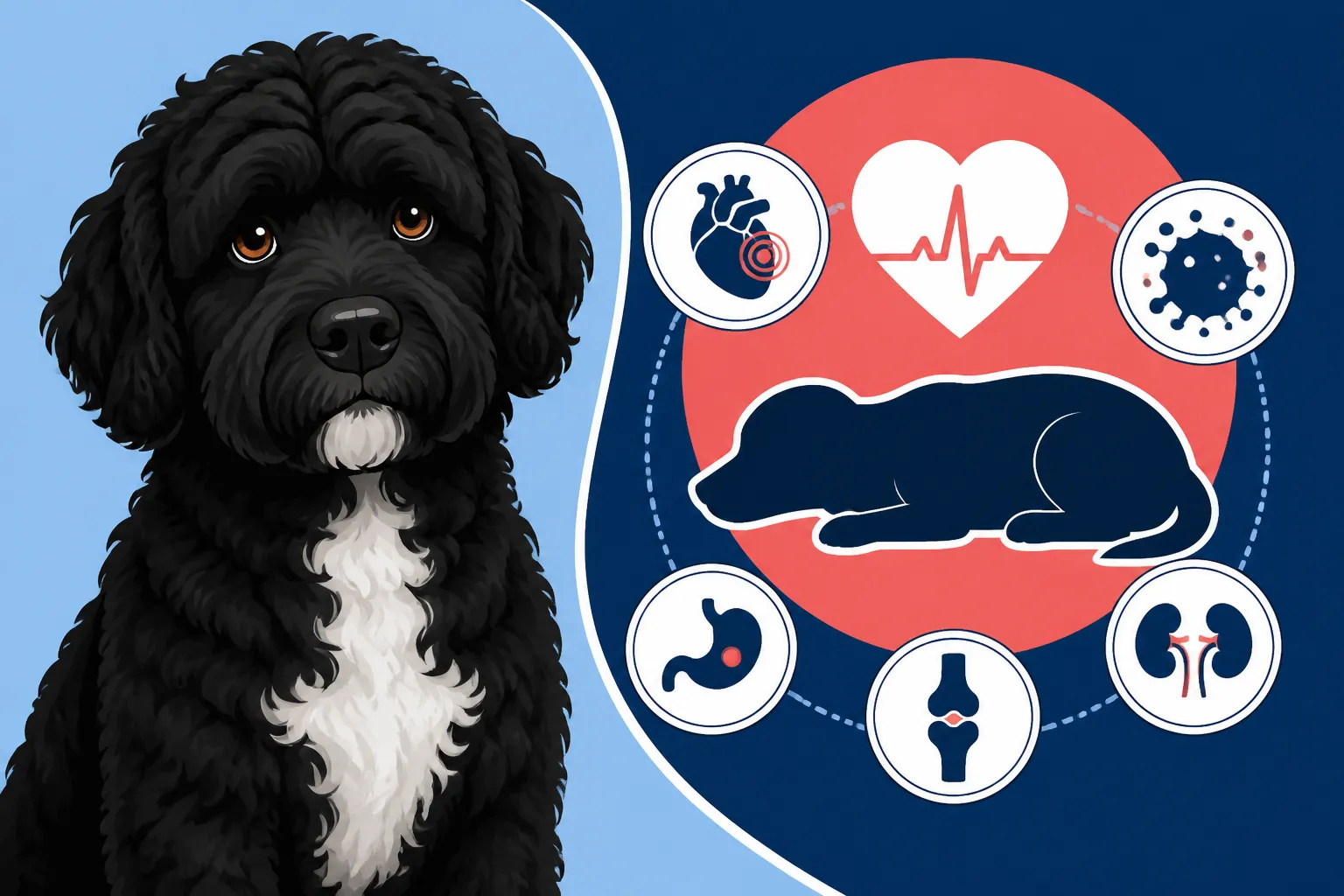
While Portuguese Water Dogs are generally healthy, like all breeds, they are predisposed to certain conditions that can, unfortunately, lead to a shortened lifespan. Understanding these common health threats allows owners to be vigilant, seek early detection, and work with their veterinarians to provide the best possible care.
Cancer as a Primary Concern
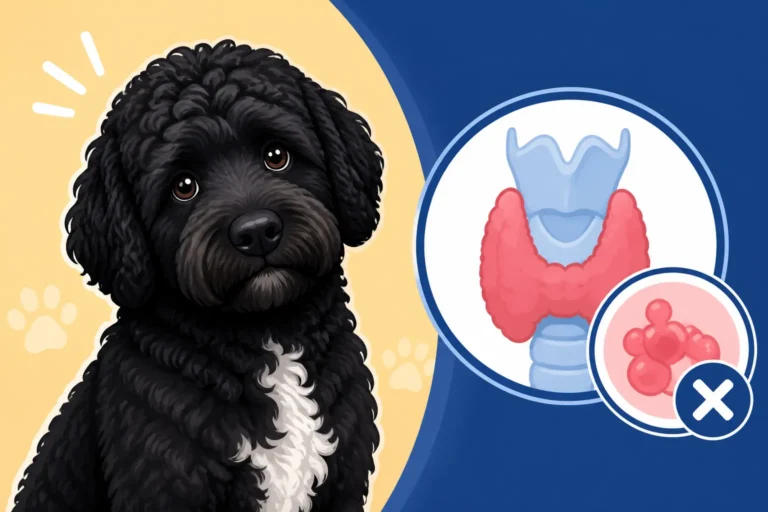
It's a stark reality for many dog breeds, and unfortunately, the Portuguese Water Dog is no exception: cancer is a leading cause of death. Just like in humans, cancer manifests in various forms and can affect different organs and systems. The incidence of cancer in older PWDs is a significant concern for many owners, and it's a topic that often comes up in discussions about senior dog care. Learning about Whether a Portuguese Water Dog Gets Cancer can help you understand the risks involved.
Certain types of cancer appear more frequently in PWDs. Lymphoma, a cancer of the lymphatic system, is one such example. It can appear as swollen lymph nodes, often felt in the neck, armpits, or groin. Hemangiosarcoma, an aggressive cancer of the blood vessel lining, is another devastating form, often affecting the spleen, liver, or heart, and can progress very quickly with little warning. Mast cell tumors, which can range from benign to highly malignant, are also observed. These often appear as skin lumps but can occur internally as well. Early detection, while challenging for some internal cancers, is always the best chance for successful treatment, which might involve surgery, chemotherapy, radiation, or a combination of these. Regular examinations, feeling for lumps and bumps, and being observant of any changes in your dog's appetite, energy, or behavior are incredibly important.
Heart Disease
Cardiac health is another area where Portuguese Water Dogs can face serious challenges, with certain heart conditions having a profound impact on their lifespan. One of the most heartbreaking and sudden causes of death, particularly in young PWDs, is Juvenile Dilated Cardiomyopathy (JDCM). This is a devastating genetic condition that causes the heart muscle to weaken and enlarge, leading to rapid heart failure.
JDCM is a particularly cruel disease because it often strikes seemingly healthy puppies without warning, typically between six weeks and seven months of age. There are often no outward signs or symptoms until the very late stages, making it incredibly difficult to detect before a sudden collapse. You can delve deeper into What Juvenile Dilated Cardiomyopathy Does to a Portuguese Water Dog to understand its progression. Responsible breeders test their breeding stock for the JDCM gene, as it is inherited in an autosomal recessive manner. This means a puppy must inherit two copies of the gene (one from each parent) to be affected. Breeding two carriers together carries a 25% risk of producing affected puppies. While JDCM is the most prominent heart concern in young PWDs, older dogs can also develop acquired heart conditions like other forms of dilated cardiomyopathy or valvular diseases, which progress more slowly but can still significantly impact their quality of life and longevity. Regular vet checks and, for some lines, specialist cardiac evaluations can be important for monitoring heart health, especially as they age.
Neurological Conditions
While less common than cancer or heart disease, certain neurological conditions can also contribute to a Portuguese Water Dog's demise, particularly some devastating genetic disorders that affect puppies. One such condition that has historically plagued the breed is GM1 Gangliosidosis. This is a severe, inherited metabolic disorder that affects the nervous system, leading to a progressive deterioration of neurological function.
Puppies affected with GM1 typically begin to show signs between 5 to 7 months of age, though symptoms can vary. These signs often include progressive ataxia (lack of coordination), tremors, weakness, and eventually seizures. The condition is debilitating and, sadly, fatal, with affected puppies rarely surviving past 10-12 months of age. It's a truly heartbreaking diagnosis for any owner and highlights the importance of genetic testing. Just like with JDCM, GM1 is inherited in an autosomal recessive pattern, meaning both parents must be carriers for a puppy to be affected. Learning more about GM1 Gangliosidosis and the Portuguese Water Dog Puppy That Never Reaches Six Months can be distressing, but it underscores why thorough health screening is non-negotiable. Thankfully, thanks to the availability of DNA testing, responsible breeders have largely been able to eradicate GM1 from their lines, making it a much rarer occurrence today than it once was. However, vigilance and testing remain crucial for the breed's continued health.
Age-Related Conditions and Quality of Life
As our Portuguese Water Dogs transition from boisterous youngsters to wise seniors, their bodies inevitably begin to show the signs of age. While these conditions may not always be direct causes of death, they significantly impact a dog's quality of life and can contribute to the difficult decision of euthanasia when comfort and mobility become severely compromised. Caring for an aging PWD requires extra attention and a deep understanding of their changing needs.
Arthritis and Joint Issues
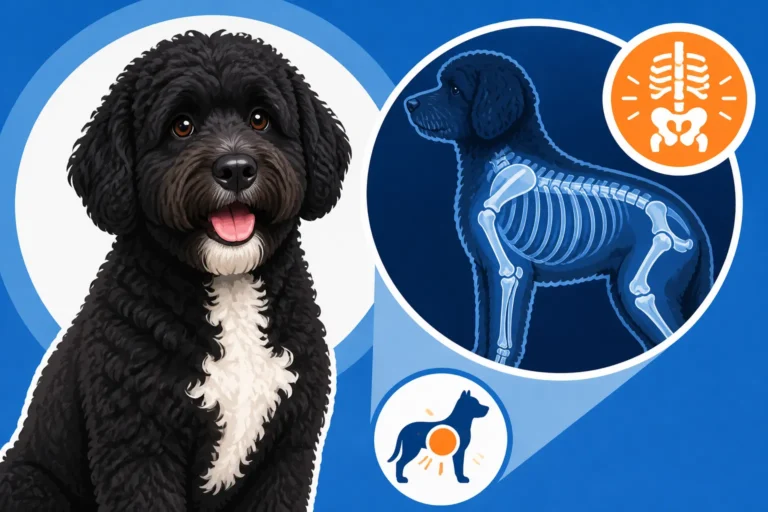
The energetic, athletic nature of a Portuguese Water Dog means their joints get a lot of use over their lifetime. As they age, it's very common for them to develop arthritis, a degenerative joint disease that causes pain, stiffness, and reduced mobility. This can be particularly pronounced in breeds prone to hip and elbow dysplasia, even if they were screened as puppies. Conditions like Hips and Joints in a Portuguese Water Dog are significant concerns.
Arthritis can severely limit a senior PWD’s ability to enjoy activities they once loved, like swimming, running, or even navigating stairs. The pain can make everyday movements a struggle, leading to a significant decline in their overall well-being. While arthritis itself isn't typically fatal, the chronic pain and immobility it causes can severely diminish a dog's quality of life to the point where owners must consider humane euthanasia to alleviate suffering. Managing arthritis involves a multi-modal approach, including pain medication, joint supplements (like glucosamine and chondroitin), physical therapy, therapeutic laser treatments, and maintaining a healthy weight to reduce stress on joints. Providing soft bedding, ramps, and non-slip surfaces can also make a huge difference in their daily comfort.
Cognitive Decline and Sensory Loss
Just like humans, Portuguese Water Dogs can experience age-related cognitive decline, often referred to as Canine Cognitive Dysfunction (CCD), which is akin to Alzheimer's disease in people. This can manifest as disorientation, changes in sleep-wake cycles, altered interactions with family members, and house-soiling accidents. It's heart-wrenching to watch a once sharp and engaged dog become confused or withdrawn, losing their spark.
Alongside cognitive changes, senior PWDs often experience a decline in their sensory functions. Hearing loss is very common, sometimes leading to complete deafness, making communication more challenging. Vision loss, due to cataracts or other degenerative eye conditions, can also impair their ability to navigate their environment safely. While these conditions are not directly life-threatening, they can drastically impact a dog's independence and enjoyment of life. A dog that is severely disoriented, anxious due to sensory loss, or unable to interact meaningfully with their family may suffer significantly. Adaptations in the home, consistent routines, and certain medications can help manage CCD, but there often comes a point where the decline becomes too profound to maintain a good quality of life.
Kidney and Liver Disease
Kidney and liver diseases are common age-related conditions that can profoundly impact a Portuguese Water Dog's health and are frequently seen in senior dogs. The kidneys are vital for filtering waste products from the blood and maintaining fluid balance, while the liver is crucial for detoxification, metabolism, and producing essential proteins. When these organs begin to fail, the consequences can be severe and progressive.
Chronic kidney disease (CKD) often develops gradually, with symptoms like increased thirst and urination, loss of appetite, weight loss, and lethargy becoming apparent as the disease progresses. Similarly, liver disease can manifest with symptoms such as vomiting, diarrhea, jaundice (yellowing of the skin or eyes), and neurological signs if toxins build up. Both conditions often require lifelong dietary management, medications, and regular monitoring. While early stages can be managed effectively for a period, advanced kidney or liver failure is ultimately fatal. The progression of these diseases can lead to a severe decline in a dog's overall health and quality of life, often culminating in the difficult decision of euthanasia to prevent further suffering once medical interventions are no longer sufficient.
| Cause of Death | Typical Age Range Affected | Key Symptoms / Impact | Prevention / Management |
|---|---|---|---|
| Cancer | Mid-to-Senior (6+ years) | Lumps, weight loss, lethargy, loss of appetite, organ dysfunction. Rapid decline if aggressive. | Regular vet check-ups (biannual for seniors), palpating for lumps, monitoring behavior/appetite. Early diagnosis is key. Chemotherapy, radiation, surgery, palliative care. |
| Heart Disease (JDCM) | Puppyhood (6 weeks – 7 months) | Sudden collapse, severe breathing distress. Often no warning signs prior to acute failure. | Crucial: DNA testing for JDCM in breeding stock. Reputable breeders will provide results. No effective treatment once symptoms appear. |
| Neurological (GM1) | Puppyhood (5-7 months) | Lack of coordination (ataxia), tremors, weakness, seizures, progressive neurological decline. Fatal. | Crucial: DNA testing for GM1 in breeding stock. Reputable breeders will provide results. No effective treatment. |
| Arthritis/Joint Issues | Senior (8+ years) | Stiffness, pain, lameness, difficulty rising/walking, reluctance to exercise. Decreased mobility. | Healthy weight, moderate exercise (especially swimming), joint supplements, anti-inflammatory medications, physical therapy, comfortable bedding. |
| Kidney Disease | Senior (9+ years) | Increased thirst/urination, appetite loss, weight loss, lethargy, vomiting. Progressive decline. | Regular vet check-ups with blood and urine tests for early detection. Special prescription diets, fluid therapy, medications to manage symptoms. |
| Liver Disease | Senior (9+ years) | Vomiting, diarrhea, jaundice, appetite loss, lethargy, neurological signs. Progressive decline. | Regular vet check-ups with blood tests. Special prescription diets, medications to support liver function, manage toxins. |
| Cognitive Decline | Senior (10+ years) | Disorientation, anxiety, altered sleep, house-soiling, changes in interaction. Reduced quality of life. | Maintaining routine, mental stimulation, enriched environment, medications (e.g., selegiline), supplements, patience, and understanding. |
Preventing and Managing Common Health Issues
While we can't completely prevent every illness, there's a great deal we can do as owners to significantly reduce risks, prolong healthy years, and manage conditions effectively should they arise. Being proactive is the biggest gift you can give your Portuguese Water Dog. This proactive approach includes everything from choosing the right puppy to daily care and regular veterinary oversight.
The Importance of Responsible Breeding and Genetic Testing
This really can't be stressed enough: the journey to a long, healthy life for your Portuguese Water Dog starts long before they even come home to you. It begins with choosing a responsible, ethical breeder. A truly reputable breeder is not just interested in producing pretty puppies; they are dedicated to the health and future of the breed, which means extensive health screening of their breeding stock. They won't just tell you their dogs are healthy; they'll show you the proof.
This proof comes in the form of genetic test results and certifications from organizations like the Orthopedic Foundation for Animals (OFA) or the Canine Eye Registration Foundation (CERF). For Portuguese Water Dogs, these vital tests include DNA screenings for Juvenile Dilated Cardiomyopathy (JDCM), GM1 Gangliosidosis, and progressive retinal atrophy (PRA – both prcd-PRA and EOPRA). Additionally, hip and elbow evaluations are crucial to reduce the incidence of debilitating joint conditions. A good breeder will freely share these results, explain what they mean, and ensure that no two carriers for recessive genetic diseases are bred together. Asking Which Health Tests a Portuguese Water Dog Breeder Should Run is your right as a prospective owner, and a responsible breeder will welcome the inquiry. This careful selection process dramatically stacks the odds in favor of your puppy having a long, healthy life free from these preventable genetic tragedies.
Proactive Veterinary Care and Early Detection
Even with the best genetic foundation, ongoing proactive veterinary care is absolutely essential throughout your Portuguese Water Dog's life. Regular wellness exams are more than just vaccine appointments; they are opportunities for your veterinarian to perform a thorough physical assessment, discuss any subtle changes you might have noticed, and catch potential problems before they become critical. For adult PWDs, especially as they approach their senior years, annual (or even biannual for seniors) bloodwork and urine analysis can reveal early signs of kidney disease, liver issues, or other metabolic imbalances that might not yet be causing outward symptoms.
Early detection of issues, whether through routine screening or your astute observation, can make all the difference in treatment outcomes. For example, if your vet spots an elevated liver enzyme on routine bloodwork, they can investigate further, potentially identifying a liver issue at a stage where dietary changes or medication can effectively manage it for years. Catching a suspicious lump early can mean the difference between simple surgical removal and aggressive, more invasive cancer treatment. Being diligent about regular check-ups, following your vet's recommendations for diagnostic screenings, and immediately addressing any concerns, no matter how minor they seem, gives your PWD the best chance at a full recovery and a longer, healthier life. Having a robust pet insurance plan, perhaps from a provider like Healthy Paws, can certainly help alleviate the financial stress that can come with unexpected diagnostic tests or long-term medical management.
Lifestyle Choices for a Healthy Life
Beyond genetics and vet visits, the daily lifestyle you provide for your Portuguese Water Dog profoundly impacts their health and longevity. These are the choices you make every single day that contribute to their well-being, both physically and mentally. A high-quality, balanced diet tailored to their age, activity level, and any specific health needs is paramount. Avoid overfeeding, as maintaining a healthy weight is one of the most effective ways to prevent joint stress, diabetes, and other chronic conditions.
Regular, appropriate exercise is non-negotiable for this active, intelligent breed. Portuguese Water Dogs thrive on activity, whether it's long walks, hiking, engaging in dog sports, or, ideally, plenty of swimming. Swimming is an excellent low-impact exercise that builds muscle and cardiovascular fitness without stressing joints, making it ideal for maintaining fitness into their golden years. Mental stimulation is just as important; these are smart dogs that need a "job." Puzzle toys, training sessions, and engaging activities prevent boredom and keep their minds sharp. A happy, engaged dog is often a healthier dog. Don't forget proper grooming, especially ear care, to prevent painful infections that can become chronic if not addressed. All these elements combined create an environment where your Portuguese Water Dog can truly flourish, contributing significantly to their ability to age gracefully and remain active for as long as possible. Many owners find that investing in a quality pet insurance plan, such as those offered by Healthy Paws, helps cover the costs associated with maintaining a healthy, active lifestyle and addressing any unforeseen medical needs.
Making Difficult Decisions: End-of-Life Care
Eventually, for even the most robust and well-cared-for Portuguese Water Dog, the time comes when age or illness takes its inevitable toll. This is perhaps the hardest part of pet ownership, but facing it with compassion and informed choices is the ultimate act of love. Understanding Caring for a Portuguese Water Dog Past Nine can help prepare you for this journey.
Recognizing Signs of Suffering
Knowing when your beloved PWD is truly suffering is often the most agonizing part of end-of-life care. Dogs are incredibly stoic animals, often hiding their pain until it becomes severe. This makes it crucial for owners to be highly attuned to subtle changes in their dog's behavior, appetite, and mobility. Signs of suffering can include persistent pain that isn't controlled by medication, extreme difficulty getting up or moving around, a complete loss of appetite or refusal to drink, chronic vomiting or diarrhea, severe cognitive dysfunction (disorientation, constant anxiety, night pacing), or profound lethargy and disinterest in previously enjoyed activities.
A good way to assess quality of life is to consider their "good days" versus "bad days." If the bad days consistently outweigh the good, and your dog is no longer finding joy in their life, it's a strong indicator that their quality of life has severely diminished. It's not about one bad day, but a sustained pattern of discomfort and unhappiness. Keeping a journal of their good and bad moments can help you objectively track their decline and make these incredibly difficult assessments with a clearer head, rather than relying solely on your emotional attachment in the moment.
Discussing Options with Your Vet
When you suspect your Portuguese Water Dog's quality of life is declining, the next critical step is to have an open and honest conversation with your veterinarian. They are your most valuable partner during this difficult time. Your vet can provide an objective medical assessment, discuss pain management options, and help you understand the progression of your dog's specific condition. They can help you explore palliative care, which focuses on providing comfort and managing symptoms without curing the underlying disease. This might involve adjusting medications, exploring alternative therapies, or making environmental modifications to ease your dog's discomfort.
Ultimately, if palliative care is no longer sufficient to maintain an acceptable quality of life, your vet can guide you through the compassionate decision of euthanasia. This discussion is never easy, but your vet can explain the process, what to expect, and help you decide if it's the most humane option to prevent further suffering. They can also discuss whether you prefer to be present, and provide resources for aftercare, such as cremation or burial. Remember, euthanasia, when performed at the right time and for the right reasons, is a final act of love and kindness to relieve your dog from intractable pain or distress. Pet insurance, such as through Healthy Paws, often includes coverage for euthanasia and related services, which can relieve some financial burden during an emotionally challenging time.
Grieving the Loss of Your Beloved Companion
The bond we share with our Portuguese Water Dogs is profound, and losing them leaves a gaping hole in our lives. The grief you feel is real, valid, and deeply personal. It's important to allow yourself to feel that pain and acknowledge the significance of the loss. Don't let anyone diminish your feelings or tell you it was "just a dog." They were a family member, a constant presence, and a source of unconditional love and joy.
There is no right or wrong way to grieve, and the process is different for everyone. Some people find solace in memorializing their pet through photos, paw prints, or a special remembrance ceremony. Others might choose to donate to an animal charity in their dog's name or plant a tree in their memory. It’s important to reach out to supportive friends, family, or even pet loss support groups if you feel overwhelmed. Many resources are available to help you navigate this difficult time. Remember the love, the laughter, and all the wonderful adventures you shared. Your PWD enriched your life immeasurably, and their memory will always be a part of you.
Disclaimer
The information provided in this article is for general informational purposes only and is not a substitute for professional veterinary advice. Always consult with a qualified veterinarian for any health concerns or before making any decisions related to your pet's care.