Whether a Portuguese Water Dog Bloats
It's one of those terrifying words whispered in dog owner circles: "bloat." The fear is very real, especially for those of us with active, deep-chested breeds like our beloved Portuguese Water Dogs. Witnessing your vibrant, energetic companion suddenly in distress is a nightmare no one wants to face. This comprehensive guide aims to shed light on gastric dilatation-volvulus (GDV), commonly known as bloat, specifically for PWD owners, helping you understand its risks, recognize its signs, and know what steps to take to protect your furry family member.
Understanding Gastric Dilatation and Volvulus (GDV) in Dogs
Bloat, or Gastric Dilatation-Volvulus (GDV), isn't just a simple stomach upset. It's a rapidly progressing, life-threatening condition that demands immediate veterinary attention. Many dog owners might initially dismiss the early signs as a temporary tummy ache, but the reality is far more severe. Within a matter of hours, or even minutes, a seemingly minor discomfort can escalate into a critical emergency that threatens your dog's life. It's crucial to understand the mechanics of this condition to appreciate its severity.
What Happens During a Bloat Episode
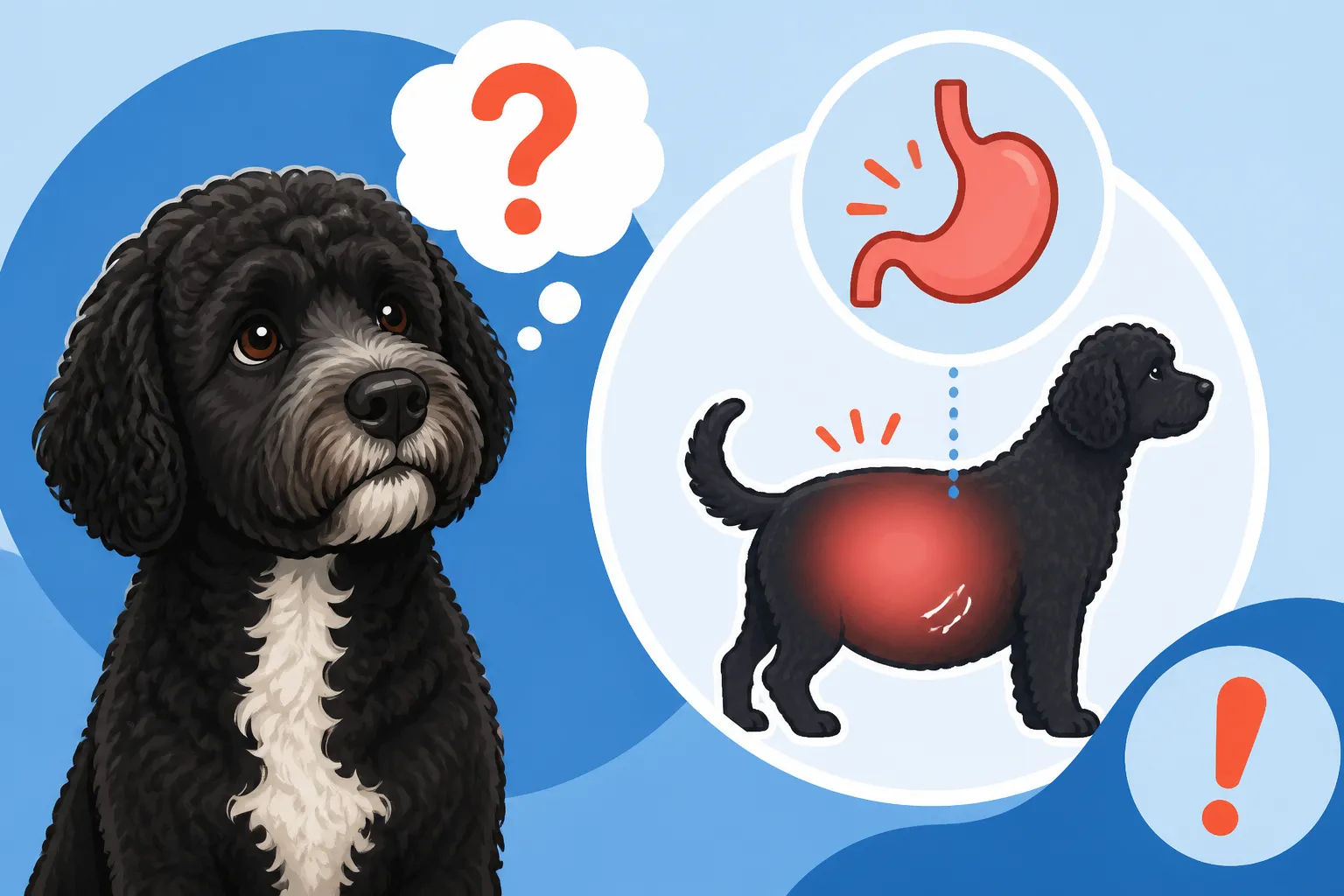
At its core, bloat involves two main components: dilatation and volvulus. Dilatation refers to the stomach filling with gas, food, or fluid, causing it to swell dramatically, like an overinflated balloon. This expansion puts immense pressure on surrounding organs and interferes with normal blood flow. Think about trying to squeeze a large, taut football into a small space – that's essentially what's happening inside your dog's abdomen. The sheer physical pressure can be incredibly painful and causes significant internal disruption.
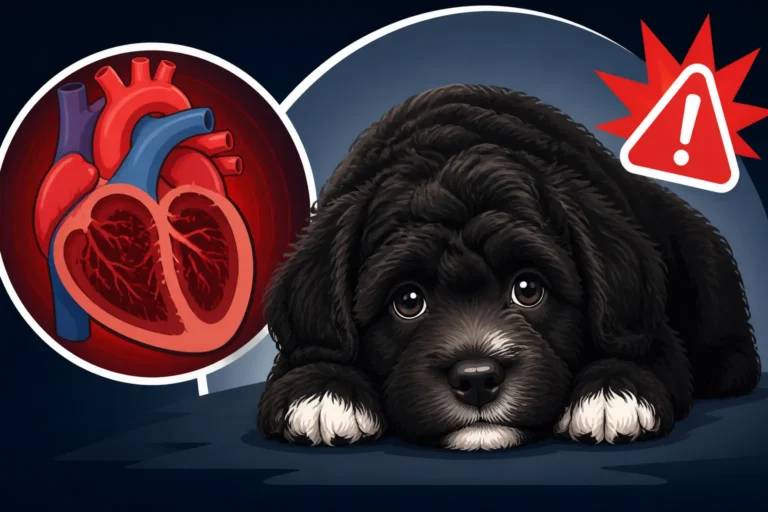
The second, and often more devastating, part is the volvulus. This occurs when the distended stomach twists upon itself, sometimes 180 degrees or even more. When the stomach twists, it effectively pinches off both the entrance (from the esophagus) and the exit (to the small intestine). This trapping of contents means nothing can escape, and the gases continue to build, exacerbating the dilatation. Moreover, this twisting motion also cuts off blood supply to the stomach wall, leading to tissue death, and can impact other major blood vessels, including those leading to the heart. This rapidly leads to shock and can cause multi-organ failure if not corrected quickly. It's a true race against time.
Why Bloat is a Life-Threatening Emergency
Bloat isn't something that can wait until morning, or even for a few hours to see if your dog "feels better." The progression from mild discomfort to full-blown crisis can be incredibly swift. As the stomach continues to expand and twist, the pressure on the diaphragm makes it difficult for your Portuguese Water Dog to breathe effectively. Imagine trying to take a deep breath when someone is standing on your chest; that's the kind of respiratory distress they experience. Their heart struggles as blood flow is compromised, leading to a rapid and weak pulse, and eventually, cardiac arrest.
The pain is excruciating, and dogs in this state are often visibly distressed, restless, and may attempt to vomit unsuccessfully. The gastric tissue, starved of oxygen due to the twisted blood vessels, begins to die, releasing toxins into the bloodstream. This systemic shock can quickly be fatal. Emergency surgery is almost always required to untwist the stomach and assess any damage. Even with immediate surgery, the mortality rate can still be significant, especially if the dog is already in severe shock or if there's extensive tissue damage. This is why recognizing the signs early and acting decisively is the most critical factor in a positive outcome.
Is the Portuguese Water Dog Prone to Bloat?
The question of whether a Portuguese Water Dog is particularly prone to bloat is a really important one for owners. While they might not be at the very top of the "most-at-risk" list like some larger, giant breeds, it would be a dangerous oversight to think they are immune. PWDs definitely possess characteristics that place them at a higher risk than many other dog breeds, meaning their owners absolutely need to be vigilant. It's not about alarming anyone, but empowering you with knowledge.
Breed Predispositions and Risk Factors
Bloat is most commonly associated with large, deep-chested breeds. This anatomical conformation, where the chest cavity is long and narrow rather than broad and barrel-like, creates more space for the stomach to distend and twist. Breeds like Great Danes, Weimaraners, German Shepherds, and Setters are frequently cited as high-risk. While Portuguese Water Dogs are not "giant" breeds, they are certainly on the larger side, typically weighing between 35 to 60 pounds, and possess that distinctive deep chest. This body type alone increases their susceptibility compared to, say, a Beagle or a Shih Tzu.
Beyond physical characteristics, there are several other factors that contribute to bloat risk across all breeds, including our PWDs. Eating too quickly, consuming one large meal a day instead of smaller, more frequent meals, exercising vigorously right after eating, and even stress or anxiety can play a role. Older dogs tend to be at a higher risk, and genetics also appear to be a factor; if a PWD's close relatives have bloated, their risk might be elevated. Understanding these compounding risk factors is crucial for tailoring your PWD's routine to minimize danger.
Analyzing the Portuguese Water Dog's Body Type
Let's zoom in on the specific physical traits of our beloved Portuguese Water Dogs. Their medium-to-large size and athletic, sturdy build often mask the internal architecture that can make them susceptible to bloat. A typical PWD stands tall and proud, often with a deep rib cage that extends well back, giving them that characteristic "deep-chested" profile we've discussed. This isn't a flaw in their design; it's part of what makes them such powerful swimmers and agile companions. However, it's this very conformation that allows for a greater degree of stomach movement and space for expansion when gas accumulates.
Consider a healthy, active PWD, full of energy. They're bred to work, to swim, to retrieve. This often means they're prone to gulping down food quickly after a long play session, or perhaps diving into the lake soon after a meal. These are exactly the kinds of scenarios that veterinarians warn about regarding bloat. Their inherent athleticism and desire to be active can, ironically, contribute to a higher risk if not managed carefully. So, while they are not as large as a Great Dane, their specific build and energetic temperament certainly put them in a category where bloat is a serious consideration, and definitely not something to ignore.
Recognizing the Signs of Bloat in Your Portuguese Water Dog
This is arguably the most critical section for any Portuguese Water Dog owner. Early detection of bloat can literally be the difference between life and death. The challenge is that the initial signs can be subtle and mimic other, less serious conditions. However, with a keen eye and an understanding of your PWD's normal behavior, you can pick up on these crucial clues. Never hesitate to call your vet if you suspect something is wrong; it's always better to be overly cautious when bloat is a possibility.
Subtle Early Indicators
The earliest signs of bloat in your Portuguese Water Dog might be easy to miss if you're not specifically looking for them. Often, a dog experiencing early bloat will appear restless and uncomfortable. They might pace, unable to settle into a comfortable position, or keep getting up and lying down. You might notice them repeatedly looking at their abdomen, as if something is bothering them there. They could be attempting to vomit, but nothing comes up, or perhaps only a small amount of foamy saliva is produced – this is called "non-productive retching" and is a huge red flag for bloat.
Another subtle sign could be a change in their breathing. While not yet in severe respiratory distress, their breathing might become slightly more labored or shallow. They might also appear unusually anxious or drool excessively. If your typically happy-go-lucky PWD suddenly seems withdrawn, uneasy, and exhibits any of these behaviors, it's time to pay very close attention. Don't dismiss these as simply an upset stomach; remember that GDV progresses quickly, and these initial whispers are your dog's attempt to tell you something is terribly wrong.
Advanced and Critical Symptoms
As bloat progresses, the signs become much more pronounced and alarming. The most obvious indicator is abdominal distention. Your Portuguese Water Dog's belly will visibly swell and become taut, feeling hard like a drum. This is typically the point where most owners realize something is seriously amiss. However, do keep in mind that a very hairy or curly coated PWD might make this visual assessment a little trickier, so a hands-on check is always important. Their pain will also become more evident; they might whine, groan, or even snap if you attempt to touch their abdomen due to the extreme discomfort.
Beyond the visible swelling, other critical symptoms indicate a worsening condition. These include a rapid heart rate, pale gums (a sign of shock), weakness, and collapse. Your dog's breathing will become truly labored, and they might even struggle to stand. If you see your PWD exhibiting these advanced signs, you are dealing with a dire emergency. Do not delay. Get your dog to an emergency veterinary clinic immediately. There is no time to wait, and contacting an animal emergency service like those supported by Healthy Paws can provide immediate guidance on your way to the vet. Every second counts.
Here's a quick reference table for recognizing symptoms:
| Symptom Category | Early/Subtle Signs | Advanced/Critical Signs |
|---|---|---|
| Behavior | Restlessness, pacing, unable to settle | Extreme lethargy, collapse, disoriented |
| Abdomen | Looking at abdomen, mild discomfort | Visible swelling, hard/distended abdomen, pain |
| Digestion | Non-productive retching (gagging), drooling | Foamy vomit (rare), unproductive dry heaves |
| Breathing | Slightly rapid or shallow breathing | Labored breathing, gasping for air |
| Physical | Anxious expression | Weak pulse, pale gums, cold extremities |
Preventative Measures and What to Do in an Emergency
Preventing bloat in your Portuguese Water Dog is a proactive approach every owner should take. While there's no foolproof way to guarantee it won't happen, implementing certain practices can significantly reduce the risk. Just like you'd take steps to prevent injuries when your PWD is actively swimming, you need to be mindful of their mealtime and post-meal routine. Being prepared for an emergency is equally vital, ensuring you know exactly what to do if the worst should occur.
Feeding Practices to Reduce Risk
The way you feed your Portuguese Water Dog can have a profound impact on their bloat risk. One of the most commonly recommended strategies is to feed multiple smaller meals throughout the day rather than one large meal. Instead of a single breakfast or dinner, try splitting their daily ration into two or three meals. This prevents the stomach from becoming overly distended with food at any one time. If you're looking for more details on how much your active companion should eat, you might find our guide on "How Much an Adult Portuguese Water Dog Eats" very helpful.
Another critical measure is to slow down rapid eaters. Some PWDs, especially those with high energy, can be notorious for gulping their food down in seconds. This rapid ingestion often leads to swallowing a lot of air, which contributes to gastric distention. Investing in a slow-feeder bowl or placing a large, non-edible object (like a clean rock or a Kong toy) in their food bowl can encourage them to eat more slowly. Also, ensure your dog has a calm, quiet place to eat, free from distractions or competition from other pets, which can heighten their anxiety and speed up eating. Remember, you want mealtime to be a relaxed experience.
Lifestyle Adjustments and Emergency Preparedness
Beyond feeding, several lifestyle adjustments can help keep your Portuguese Water Dog safe. Perhaps the most important is avoiding vigorous exercise or playtime immediately before and, especially, after meals. Their natural inclination to run, jump, and swim after eating is something we love about them, but it’s a major risk factor for bloat. A good rule of thumb is to wait at least an hour before and two hours after meals before engaging in any strenuous activity. This gives their stomach time to digest without undue jostling or pressure. For instance, if you're wondering "How Long After Eating a Portuguese Water Dog Can Swim," the answer is, it’s best to err on the side of caution and give them a good couple of hours.
For owners of high-risk breeds, gastropexy is a surgical procedure that can be considered. This involves permanently attaching the stomach to the abdominal wall, preventing it from twisting. While it doesn't prevent the stomach from dilating with gas, it eliminates the deadly volvulus component. This is often done concurrently with spay or neuter surgery. Discuss this option thoroughly with your veterinarian, as it's a decision with significant implications for your dog's long-term health and your financial planning; pet insurance like Healthy Paws can be a real lifesaver if you're considering preventative measures or need emergency care. Finally, always have the number for your nearest 24-hour emergency veterinary clinic readily available. Know the route, and don't hesitate to use it if you suspect bloat. Being prepared is your best defense.
Disclaimer
This article is intended for informational purposes only and does not constitute veterinary advice. Always consult with a qualified veterinarian for any health concerns or before making any decisions about your pet's health care.