Whether a Portuguese Water Dog Tolerates Anesthesia
It's a fear many Portuguese Water Dog parents share: the thought of their vibrant, energetic companion needing anesthesia for a routine dental cleaning, an unexpected injury, or a more serious surgical procedure. The anxiety is completely normal, as putting any beloved pet "under" comes with its own set of worries. This comprehensive guide aims to demystify anesthesia for your Portuguese Water Dog, exploring what to expect, how to minimize risks, and why these adventurous dogs are generally well-suited for modern anesthetic protocols with proper care.
The Realities of Anesthesia for Your Portuguese Water Dog
When your veterinarian suggests an anesthetic procedure, a wave of concern is natural. You picture your lively PWD, usually bouncing with endless energy, being still and vulnerable. Understanding the process can go a long way in easing those worries and ensuring you're a proactive partner in your dog's care.
Why Anesthesia Isn't a One-Size-Fits-All Procedure
Anesthesia in veterinary medicine has advanced dramatically, moving far beyond the "one-shot" approach of decades past. Today, it's a carefully tailored process, customized to each individual dog's health, age, temperament, and the specific procedure being performed. Think of it less as a blanket solution and more as a detailed flight plan, meticulously charted by your veterinary team. Factors like your dog's breed, its medical history, current medications, and even its stress levels play a crucial role in selecting the right combination of sedatives, pain medications, and anesthetic agents. Your vet will consider the potential for pain during and after the procedure, ensuring a comprehensive plan for comfort and safety. This personalized approach is vital, especially for breeds like the Portuguese Water Dog, known for their robust health but also for certain genetic predispositions that might influence anesthetic choices.
Common Anesthetic Concerns for Any Dog Parent
The anxieties surrounding anesthesia are pretty universal among dog owners. We worry about everything from our dog not waking up, to unforeseen complications, or even just them feeling pain. One common concern is the side effects during recovery, such as nausea, dizziness, or prolonged grogginess. You might also worry about their heart rate, breathing, or blood pressure during the procedure. It's a lot to take in. Another prevalent fear is that a pre-existing, undiagnosed condition might suddenly emerge under anesthetic stress. This is precisely why good veterinary practices emphasize thorough pre-anesthetic screening, including bloodwork and sometimes even imaging, to catch any potential issues before they become problems. The goal is always to make the procedure as safe and stress-free as possible for your furry family member, mitigating these common concerns through careful planning and monitoring.
Are Portuguese Water Dogs More Sensitive to Anesthesia?
This is a question many Portuguese Water Dog owners ponder. Fortunately, the Portuguese Water Dog is generally considered a healthy, resilient breed, and they typically tolerate anesthesia very well, similar to many other healthy working breeds. There isn't a widespread, breed-specific hypersensitivity to standard anesthetic agents documented in the same way you might see with, say, sighthounds and certain barbiturates. However, it's not quite that simple. Their deep chests and athletic build, while advantageous for their water work, mean that proper positioning and careful monitoring of respiratory function are always important during surgery.
What truly dictates their anesthetic tolerance often boils down to individual health status and genetic predispositions. For example, some PWD lines can be prone to conditions like Addison's Disease, which can significantly impact how a dog handles stress and certain medications, including anesthetics. Similarly, if a PWD has an undiagnosed cardiac issue, like those covered in articles like What a Portuguese Water Dog's Cardiac Screening Costs or Juvenile Dilated Cardiomyopathy Kills a Portuguese Water Dog Puppy Fast, this could certainly complicate an anesthetic event. Therefore, while the breed as a whole isn't deemed "sensitive," individual health checks are paramount. A thorough vet will always consider these potential issues and adjust their protocol accordingly, treating your PWD as the unique individual they are, rather than just a breed statistic.
Essential Pre-Anesthetic Steps for PWD Safety
The success and safety of any anesthetic procedure for your Portuguese Water Dog largely depend on the preparation. It’s not just about the moment they go under; it’s about everything that happens leading up to it. Being diligent in these preparatory steps can drastically reduce potential risks and give you peace of mind.
The Indispensable Pre-Anesthetic Screening Panel
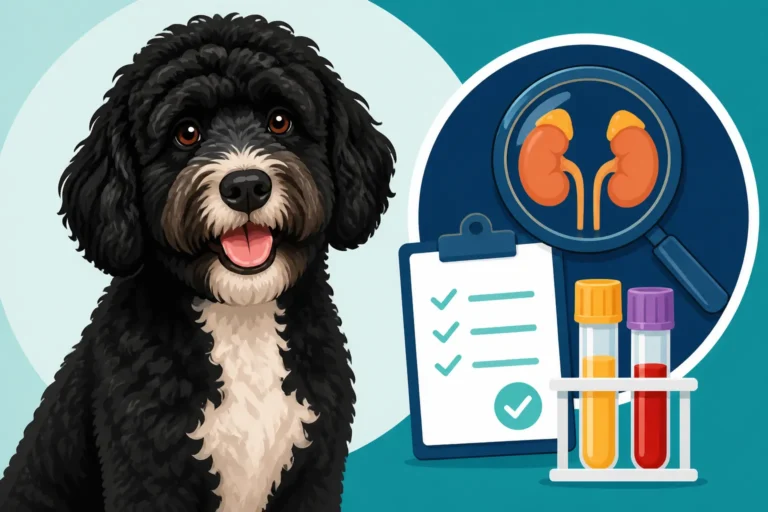
Before any anesthesia is administered, a comprehensive pre-anesthetic screening panel is absolutely non-negotiable. This isn't just a formality; it's a critical diagnostic step that provides your veterinarian with a snapshot of your Portuguese Water Dog's internal health. This panel typically includes blood tests to evaluate organ function (kidneys, liver), blood cell counts (red and white blood cells, platelets), and sometimes electrolytes. For example, if kidney function is compromised, the vet might need to adjust the type or dosage of anesthetic drugs, as many are metabolized and excreted by these organs. Similarly, liver issues could affect drug metabolism.
Imagine your PWD, usually full of beans, suddenly seeming a bit off. These blood tests can uncover hidden problems that might not be obvious during a physical exam, particularly since, as we often discuss in articles like How a Portuguese Water Dog Hides Pain, dogs are masters at masking discomfort or illness. This is also where a discussion about Whether a Portuguese Water Dog Needs a Pre Anesthetic Panel truly solidifies its importance. In some cases, a urinalysis might also be recommended to further assess kidney health or detect underlying infections. This investment in diagnostics is crucial; it allows your vet to make informed decisions, tailor the anesthetic protocol to your dog's specific needs, and proactively manage any potential risks, making the entire experience far safer for your cherished companion.
Communicating Your PWD's Full Health Story
You are your Portuguese Water Dog's strongest advocate, and your knowledge of their daily habits and medical history is invaluable. Before anesthesia, have a thorough conversation with your veterinarian about everything. This includes any previous illnesses, past surgeries, known allergies, current medications (even supplements), and any recent changes in behavior, appetite, or energy levels. Have they been extra thirsty lately? Are they eating a bit less? These seemingly small details can be critical.
If your PWD has ever shown signs related to conditions like Addisons Disease Is Common in Portuguese Water Dogs or any other chronic ailment, it's vital to disclose this, even if it seems well-managed. These conditions can significantly alter the body's response to stress and medication. Don't assume your vet remembers every detail from previous visits, especially if they see many patients. A detailed, open discussion ensures that the veterinary team has the most complete picture possible, allowing them to anticipate and plan for any specific needs or potential challenges your PWD might present under anesthesia. Providing this comprehensive health history is a cornerstone of safe anesthetic practice.
Proper Fasting and Hydration Before the Procedure
One of the most common and critical pre-anesthetic instructions is fasting, and it's essential to follow it precisely. Typically, adult dogs are asked to fast from food for 8-12 hours before anesthesia, though water is usually allowed until a few hours prior. The reason for this is straightforward: to prevent aspiration pneumonia. When a dog is anesthetized, their protective gag reflex is suppressed, and if there's food in their stomach, they could vomit and inhale stomach contents into their lungs. This can lead to serious, life-threatening complications.
For a high-energy breed like the Portuguese Water Dog, resisting those pleading eyes when it's mealtime can be tough, but it's absolutely for their safety. Ask your vet for exact guidelines, as puppies or dogs with certain medical conditions might have different fasting requirements. For instance, an older PWD, as discussed in articles about Caring for a Portuguese Water Dog Past Nine, might need a slightly different protocol. Ensuring your PWD is well-hydrated before fasting begins is also important, as good hydration supports organ function and helps maintain blood pressure during the procedure. Don't deviate from these instructions; they are put in place for a very good reason.
Monitoring, Procedure, and a Smooth Recovery
The actual anesthetic procedure and the subsequent recovery period are moments of intense focus for your veterinary team. Modern veterinary hospitals are equipped with sophisticated tools and trained personnel to ensure your Portuguese Water Dog's safety every step of the way.
What Happens During the Anesthetic Procedure
Once your Portuguese Water Dog is admitted and the pre-anesthetic checks are complete, they will typically receive a pre-medication injection. This isn't the full anesthesia; it’s a carefully chosen combination of drugs designed to reduce anxiety, provide initial pain relief, and allow for a smoother induction of full anesthesia. It also means less of the stronger anesthetic agent is needed, which is always a good thing.
After the pre-meds have taken effect and your PWD is relaxed, an intravenous (IV) catheter will be placed, usually in a front leg. This catheter is vital, providing a direct route for IV fluids, anesthetic drugs, and emergency medications if needed. Many clinics also utilize IV fluids throughout the procedure to maintain hydration, support blood pressure, and help flush drugs through the system, aiding recovery.
Your dog will then receive an induction agent through the IV catheter, allowing them to fall asleep gently. Once asleep, a breathing tube (endotracheal tube) is placed into their windpipe to deliver anesthetic gas and oxygen directly to their lungs. This tube also protects their airway from aspiration. Throughout the entire procedure, dedicated veterinary technicians continuously monitor vital signs: heart rate, respiratory rate, blood pressure, oxygen saturation, temperature, and even CO2 levels. They use specialized equipment and their trained eyes and hands to ensure your PWD remains stable, comfortable, and safe. This level of vigilance is crucial for dogs undergoing anything from a routine dental cleaning – a topic often pondered when considering Whether a Portuguese Water Dog Needs Its Teeth Cleaned – to more complex surgeries.
Critical Post-Anesthetic Care at the Clinic
The recovery period, often called the "wake-up," is just as critical as the anesthetic procedure itself. Your Portuguese Water Dog will be moved to a quiet, warm recovery area where dedicated staff continue to monitor them closely. They'll watch for signs of discomfort, ensure their body temperature remains stable, and continue to monitor vital signs as the anesthetic drugs wear off. Hypothermia is a common concern during recovery, so warming blankets or circulating warm water pads are often used to keep them cozy.
The IV catheter usually remains in place for a while, allowing for continued fluid administration and easy access for pain medications if necessary. Pain management is a huge focus in modern veterinary care. Your PWD will likely receive medication to keep them comfortable as they wake up, preventing unnecessary suffering. Expect them to be groggy, a bit disoriented, and potentially unsteady on their feet. Some dogs might shiver, whine, or even vocalize during this stage, which can be alarming but is often just a normal part of coming out of anesthesia. The veterinary team will ensure they are fully alert enough to safely go home, typically once they can walk without significant assistance and are breathing well.
Guiding Your PWD Through Recovery at Home
Bringing your Portuguese Water Dog home after anesthesia requires a bit of patience and a calm environment. Don't be surprised if they're still a little "out of it" for the rest of the day, or even into the next. They might be sleepier than usual, have a reduced appetite, or even seem a bit clingy. Provide a quiet, comfortable space where they can rest undisturbed, away from rambunctious children or other pets. Offer small amounts of water frequently and a bland, easily digestible meal if recommended by your vet.
Follow all post-operative instructions carefully, especially regarding medications. Pain management is paramount, so ensure you administer any prescribed pain relievers as directed. Monitor their incision site (if applicable) for swelling, redness, or discharge. Keep an eye on their appetite, thirst, and urination, and report any concerning changes to your vet immediately. Avoid strenuous activity or swimming for the prescribed period, even if your PWD seems eager for their usual splash. Remember, even if your dog has The Twelve to Fifteen Years a Portuguese Water Dog Gets of life ahead, proper recovery from any procedure is key to a long, healthy future. It's a critical time when their body is healing and recovering its normal rhythm.
Addressing Breed-Specific Health and Anesthesia Risks
While Portuguese Water Dogs are generally robust, a responsible owner knows the importance of understanding any breed-specific health concerns. These can occasionally impact anesthetic protocols, necessitating extra vigilance and tailored approaches.
Managing Anesthesia with Addison's Disease in PWDs
Addison's Disease (hypoadrenocorticism) is a condition that, unfortunately, can affect Portuguese Water Dogs. It's often called "the great pretender" because its symptoms can mimic many other illnesses. If your PWD has been diagnosed with Addison's, or if there's any suspicion of it, this will significantly influence the anesthetic plan. Dogs with Addison's have adrenal glands that don't produce enough cortisol, a hormone vital for responding to stress. Anesthesia is a major physiological stressor.
For an Addisonian Portuguese Water Dog, careful management of their medication (like fludrocortisone acetate or desoxycorticosterone pivalate) is crucial leading up to and during anesthesia. They will often require an additional dose of a steroid (like hydrocortisone or prednisone) before, during, and after the procedure to help their body cope with the stress. Close monitoring of electrolytes (especially potassium and sodium) is also essential, as these can become dangerously imbalanced in Addisonian dogs. Your vet might also recommend specific intravenous fluid types. This is a situation where having comprehensive pet insurance, perhaps from a provider like Healthy Paws, can be incredibly valuable, as managing chronic conditions and their implications for procedures can incur significant costs over time. A vet experienced with Addison's will adjust the anesthetic agents to minimize stress on the cardiovascular system and ensure the safest possible outcome.
Cardiovascular Health and Anesthesia Protocols
Any dog's heart health is a major consideration for anesthesia, and Portuguese Water Dogs are no exception. While they are not inherently prone to a wide range of congenital heart defects, conditions like subvalvular aortic stenosis (SAS) can occur in the breed, though it's relatively rare. More generally, any older dog, including an aging PWD, can develop acquired heart conditions that need to be accounted for.
If your Portuguese Water Dog has a known heart murmur, an irregular heartbeat, or if the pre-anesthetic physical exam raises any concerns about their cardiovascular system, your veterinarian will likely recommend further diagnostics. This could include a chest X-ray to assess heart size and lung fields, or an electrocardiogram (ECG) to evaluate electrical activity. In some cases, a consultation with a veterinary cardiologist might be advised, which could involve an echocardiogram to get a detailed view of the heart's structure and function. Articles like What an Echocardiogram Costs on a Portuguese Water Dog highlight the importance and cost of such specialized tests. Depending on the findings, the anesthetic protocol will be carefully adjusted to support cardiac function, with specific drugs chosen that have minimal impact on the heart, and even more intensive monitoring during the procedure. The goal is to maintain stable blood pressure and heart rhythm throughout.
The Importance of Specialist Consultation When Needed
Sometimes, despite all the best efforts and a thorough general practice vet, a situation might arise that warrants a specialist. If your Portuguese Water Dog has complex underlying health issues, or if the procedure itself is particularly intricate, your veterinarian might recommend consulting with a board-certified veterinary anesthesiologist. These specialists have advanced training in pain management and anesthesia, dealing with high-risk patients or unusual circumstances.
While not every procedure for every PWD requires a specialist, their expertise can be invaluable for peace of mind and enhanced safety in challenging cases. For instance, if your PWD has multiple comorbidities, or if standard anesthetic agents have caused an adverse reaction in the past, an anesthesiologist can devise a highly customized and safer plan. They might employ regional anesthetic blocks (similar to epidurals in humans) in conjunction with general anesthesia to minimize the overall drug load and provide superior pain control. Knowing that such specialized care is available, and potentially covered by a comprehensive pet insurance plan from a provider like Healthy Paws, can be a great comfort when facing a daunting procedure for your beloved PWD. This collaborative approach ensures that your dog receives the highest standard of care available.
Disclaimer
The information provided in this article is for general informational purposes only and does not constitute veterinary medical advice. Always consult with a qualified veterinarian for any health concerns or before making any decisions about your pet's medical care, especially regarding anesthesia or surgical procedures.