How a Portuguese Water Dog’s Coat Hides Weight Loss
One of the most frustrating challenges for Portuguese Water Dog owners is trying to keep tabs on their furry friend's physical condition. Their glorious, thick, and often curly or wavy coats, while beautiful, are incredibly effective at hiding subtle changes in their body, making it alarmingly easy to miss early signs of weight loss or muscle wasting. This comprehensive guide will explain why their coat is such a master of disguise, detail the critical non-visual cues you need to watch for, and provide actionable strategies to ensure your beloved PWD stays healthy and thriving.
The Deceptive Nature of the Portuguese Water Dog Coat
The Portuguese Water Dog's coat is truly a marvel, designed by centuries of evolution to protect them in harsh aquatic environments. However, this very adaptation can become a blind spot for vigilant owners trying to assess their dog's weight and overall condition. The sheer volume and texture of their fur create an optical illusion that can obscure significant physical changes, leading to delayed recognition of potential health issues.
The Double Layer of Protection and Density
Portuguese Water Dogs possess a single coat, but its structure is incredibly dense and substantial. Whether you have a curly-coated PWD, whose coat often feels like tightly packed wool, or a wavy-coated PWD, with its flowing, cylindrical curls, both types create an insulating barrier that can easily mask changes in body mass. Imagine trying to discern the exact shape of an object wrapped in a thick, fluffy blanket; that's essentially what you're up against with a PWD. The coat stands away from the body, filling out any hollows that might otherwise indicate a loss of fat or muscle. This means that even if your dog's ribs are becoming more prominent or their waist is tucking in, the generous fur will often fill in these contours, making them appear fuller than they truly are. It’s a remarkable feature that helped them thrive in their historical role on the fishing boats, providing protection from cold water and harsh weather, but it’s a challenge for modern owners.
This dense quality also means that slight changes in body condition are not immediately apparent through visual inspection alone. Unlike a short-haired breed where every rib and hip bone might become visible with even a minor dip in weight, your Portuguese Water Dog can lose a few pounds before it's visually noticeable. This can be particularly concerning for younger dogs who are still growing, as unexpected weight loss could signal underlying problems. Even an aging Portuguese Water Dog, whose coat might change texture with age, can still fool you with its volume, making it vital to have other assessment methods in place.
The Illusion of Fullness
The characteristic volume and often unkempt, shaggy appearance of a Portuguese Water Dog in a typical pet clip, like the popular retriever clip, inherently creates an illusion of robustness. Even when they are quite lean, their fluffy fur makes them look well-rounded. It's a bit like a person wearing a bulky sweater – you can't really tell what's going on underneath without actually feeling. This illusion is compounded by the breed's naturally athletic build, which ideally includes well-developed muscles. If your PWD starts to lose muscle mass, especially along the topline or hindquarters, the existing coat can still give the impression of a strong, muscular frame, rather than revealing the subtle atrophy underneath.
This deceptive fullness can lead owners to inadvertently miss crucial cues. For instance, if your dog's energy levels seem slightly lower, you might attribute it to a lazy day, rather than correlating it with a subtle shift in body condition that the coat is hiding. This is why many experienced PWD owners emphasize "hands-on" assessments. You simply cannot rely on your eyes alone when it comes to judging a Portuguese Water Dog's weight. The beautiful, water-resistant qualities of their coat make them excellent swimmers, but they also make them excellent at keeping secrets about their physical state.
Grooming Practices and Their Impact
How you groom your Portuguese Water Dog can also play a significant role in how easily you detect weight loss. If your dog is kept in a longer, fuller coat, which requires diligent brushing to prevent mats, any changes to their physique will be even harder to spot. A shorter clip, like a closely shaven retriever clip, might make it easier to see their body outline, but even then, the natural density still provides some coverage. The "lion clip," while historically significant and striking, leaves the hindquarters bare, which could potentially make muscle loss in that region more apparent, but it's not a common pet clip.
For owners who prefer a longer, more natural look for their PWD, the frequency of professional grooming or thorough at-home grooming sessions becomes even more critical beyond just preventing painful mats. These sessions offer a unique opportunity to physically examine your dog's body while you're brushing and combing. Running your hands over their entire body during a grooming session allows you to feel for ribs, hips, and spine, which is a far more reliable indicator than visual assessment. Regular grooming, therefore, isn't just about aesthetics or hygiene; it's a vital health check, helping you to notice if your Portuguese Water Dog's coat thins with illness or if their body shape is changing underneath.
Beyond the Coat: Recognizing Subtle Signs of Weight Loss
Since their magnificent coats can be such masterful disguises, truly understanding if your Portuguese Water Dog is losing weight requires looking beyond visual cues and paying close attention to tactile assessments and behavioral changes. These subtle indicators often tell a more accurate story than what meets the eye.
The Rib, Spine, and Hip Check
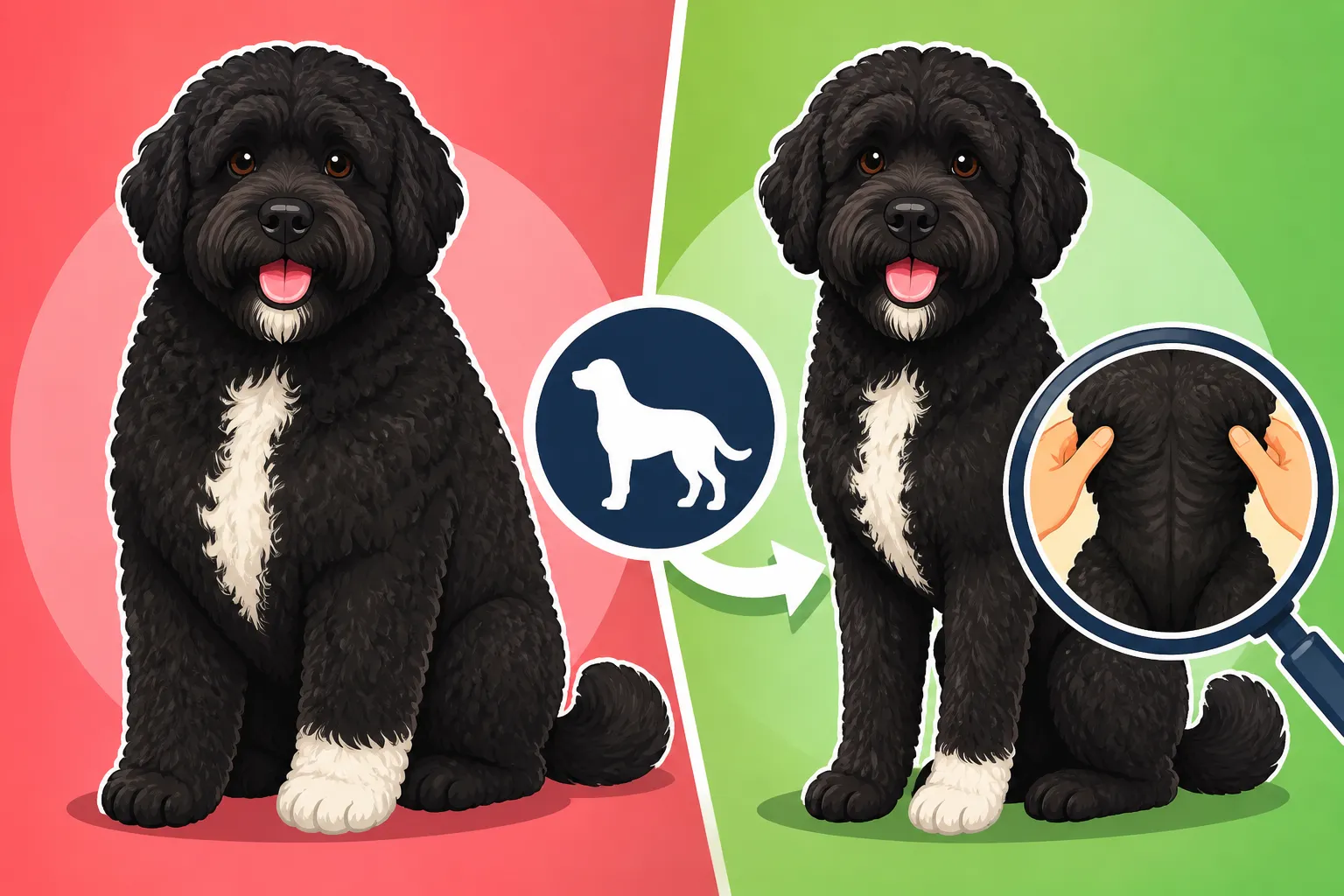
This is, hands down, the most crucial method for assessing your Portuguese Water Dog's body condition. You need to get your hands on them, regularly. Start by running your hands along their sides, feeling for their ribs. In an ideal weight, you should be able to easily feel the ribs, almost like feeling the knuckles on your hand, without having to press hard. They shouldn't be visibly obvious (unless very wet or closely clipped), but you should definitely be able to count them with a gentle touch. If the ribs feel sharp, prominent, or you can see them without pressing, it's a strong indicator of weight loss. This is one of the most reliable ways to know how to feel a Portuguese Water Dog's ribs under the coat.
Next, move your hands along their spine. You should be able to feel the bumps of the vertebrae without them being sharply defined. If the spinal column feels bony and protruding, or the muscle along either side feels sunken, it suggests a loss of condition. Similarly, check their hip bones. In a healthy PWD, the hip bones should be palpable but not jutting out sharply. If they are easily visible or feel very angular, your dog has likely lost too much weight. This physical examination should be a routine part of your interaction with your dog, perhaps during cuddle time or after a swim when their coat is wet and more easily manipulated. This kind of assessment is far more revealing than simply looking, and it complements the information gathered during annual vet visits that include checking for lumps.
Changes in Energy and Behavior
Weight loss, particularly if it's significant or due to an underlying health issue, will almost always be accompanied by other changes in your dog's demeanor and activity levels. Portuguese Water Dogs are known for their vibrant energy and keen intelligence; they are not typically couch potatoes. If your normally active PWD, who loves to hike and swim, starts showing less enthusiasm for their usual activities, or tires more quickly during playtime, this could be a red flag. Perhaps they're not asking to go for their walk as eagerly, or they're declining to engage in their favorite retrieving games.
These behavioral shifts can be subtle at first, manifesting as a slight decrease in stamina, a preference for resting more often, or a general lack of their characteristic zest for life. A healthy Portuguese Water Dog is typically quite playful and engaged. If they seem quieter, more withdrawn, or just "off," it's worth investigating further, especially in conjunction with the tactile body check. Sometimes, a dog might even seem more anxious or restless, which can also be a sign of discomfort or an underlying problem. This makes it crucial for owners to understand What a Portuguese Water Dog Needs Every Day to recognize deviations from their normal behavior patterns.
Dietary Shifts and Appetite Changes
Another critical indicator to monitor is your dog's eating habits. While some Portuguese Water Dogs can be a bit fussy eaters, a sudden or sustained loss of appetite is always a cause for concern. Are they leaving food in their bowl when they usually gobble it down? Are they turning their nose up at treats they once loved? Even small changes, like eating slower or showing less excitement around meal times, can be significant. On the flip side, some medical conditions that cause weight loss can actually lead to increased appetite, so it's not always about a dog refusing food.
It's also important to consider the quality and quantity of food your dog is consuming. Are you feeding them the appropriate amount of food for their activity level and ideal weight? Knowing how much an adult Portuguese Water Dog eats is fundamental. If their appetite remains normal but they are still losing weight, it could indicate that they aren't absorbing nutrients properly, or that their body's energy demands have increased due to an illness. This is where tracking changes, even minor ones, becomes essential. If you notice any consistent changes in appetite or eating behavior, it's definitely time to schedule a vet visit to rule out any underlying medical conditions.
Proactive Strategies for Monitoring Your Dog's Health
Being a Portuguese Water Dog owner means being extra diligent about health monitoring. Their dense coats require a more hands-on approach to ensure that potential health issues, like weight loss, are caught early. Implementing consistent routines and maintaining open communication with your veterinarian are key.
Regular Weigh-Ins and Body Condition Scoring
One of the most straightforward and objective ways to monitor your PWD's weight is through regular weigh-ins. This simple act removes all guesswork. Aim to weigh your adult Portuguese Water Dog at least once a month, or more frequently if you have concerns or your vet recommends it. For puppies, weighing a Portuguese Water Dog puppy every week is crucial for tracking growth. Many vet clinics allow you to pop in just for a quick weigh-in, or you can purchase a large pet scale for home use. Track these numbers in a journal or on your phone, so you can easily spot any trends up or down. A consistent loss of even a pound or two over a short period can be a significant indicator for a dog that ideally weighs between 35-60 pounds.
Beyond just the number on the scale, mastering Body Condition Scoring (BCS) is invaluable. This system involves a combination of visual assessment (which is tricky with a PWD!) and tactile examination to evaluate your dog's fat reserves. Vets typically use a 9-point scale, with 4-5 being ideal. While looking at your PWD, you should see a distinct waist when viewed from above, and an abdominal tuck when viewed from the side, but the coat often hides this. This is why the tactile rib, spine, and hip check becomes paramount. You want to feel the ribs easily without them protruding sharply, and the spine should be palpable but not overly bony. Over time, you'll develop a sense for your dog's ideal feel.
Here's a simplified Body Condition Score guideline for a Portuguese Water Dog, emphasizing tactile assessment:
| BCS Score | Visual Description (General) | Tactile Assessment (PWD Specific) |
|---|---|---|
| 1-3 (Thin) | Ribs, spine, hip bones easily visible | Ribs, spine, hip bones very prominent, sharp to the touch. No fat or muscle covering. Waist severely tucked. |
| 4-5 (Ideal) | Ribs palpable without excess fat, distinct waist | Ribs easily felt with gentle pressure, not visible. Spine and hip bones palpable but rounded. Distinct waist can be felt but may be hidden by coat. |
| 6-9 (Overweight) | Ribs difficult to feel, no waist | Ribs difficult to feel, covered by a layer of fat. Spine and hip bones hard to feel. No discernible waist or abdominal tuck. |
This table shows why the tactile check is so important for our furry friends. It allows you to feel what their coat is so adept at hiding.
The Importance of a Consistent Grooming Routine
A regular and thorough grooming routine for your Portuguese Water Dog isn't just for keeping them looking sharp and preventing mats; it's a built-in opportunity for a full-body health check. When you're brushing and combing, your hands are naturally running over your dog's entire body. This is the perfect time to feel for any changes that the coat might otherwise conceal. You can notice if the ribs are suddenly more prominent, if the hip bones are sharper, or if there's any muscle loss along the spine or hindquarters. You can also spot any new lumps, bumps, or skin irritations that might be related to overall health.
Beyond the physical touch, grooming helps you observe your dog's overall condition more closely. You might notice subtle changes in their coat texture or quality that could hint at an underlying health issue. For example, if your dog is feeling unwell, their coat might lose some of its natural luster. While brushing, you can also check for signs of parasites or skin problems. Making sure your Portuguese Water Dog's ears need checking every week, especially after swimming, is another vital part of their routine care that helps prevent infections that could lead to discomfort and indirectly affect appetite or activity. This consistent, hands-on attention during grooming transforms a chore into a crucial wellness practice.
Vet Check-ups and What to Discuss
Even with the most diligent home monitoring, regular veterinary check-ups are non-negotiable for a Portuguese Water Dog. These visits provide a professional assessment and are your primary line of defense against unnoticed health issues. Don't hesitate to ask your vet to demonstrate how to accurately body condition score your PWD through tactile examination, especially since their coat makes visual assessment so challenging. This empowers you with the knowledge to perform accurate checks at home. Discuss any changes you've observed, no matter how small – a slight dip in energy, a change in appetite, or even just a gut feeling that something is "off."
When you go for your How Often a Portuguese Water Dog Needs a Wellness Exam, be sure to bring your record of home weigh-ins and any notes on behavioral changes. This data can be incredibly helpful for your vet in diagnosing potential problems. For instance, if your dog has experienced unexplained weight loss, your vet may recommend What a Portuguese Water Dog's Yearly Bloodwork Should Cover to look for underlying conditions. Having pet insurance from providers like Healthy Paws can provide immense peace of mind, knowing that if any serious health issues, such as Addisons Disease, are discovered, the financial burden of diagnostics and treatment will be significantly lessened. A proactive approach with both home care and professional veterinary support is the best way to ensure your Portuguese Water Dog lives a long, healthy, and happy life.
Disclaimer
Please remember that the information provided in this guide is for educational and informational purposes only, and does not constitute veterinary medical advice. Always consult with a qualified veterinarian for any health concerns or before making any decisions about your pet's health or treatment.