How to Check a Portuguese Water Dog for Lumps
It’s a moment every dog owner dreads: you’re petting your beloved Portuguese Water Dog, running your hands through that beautiful, dense coat, and then you feel it – a lump. That sudden jolt of fear is completely normal. Our PWDs are such a vibrant, active part of our lives, and finding anything out of the ordinary can send us spiraling. This guide is here to walk you through exactly how to routinely check your Portuguese Water Dog for lumps, understand what you might find, and what steps to take next, so you can approach these situations with confidence and knowledge.
The Unsettling Reality of Lumps: Why Regular Checks Are Essential
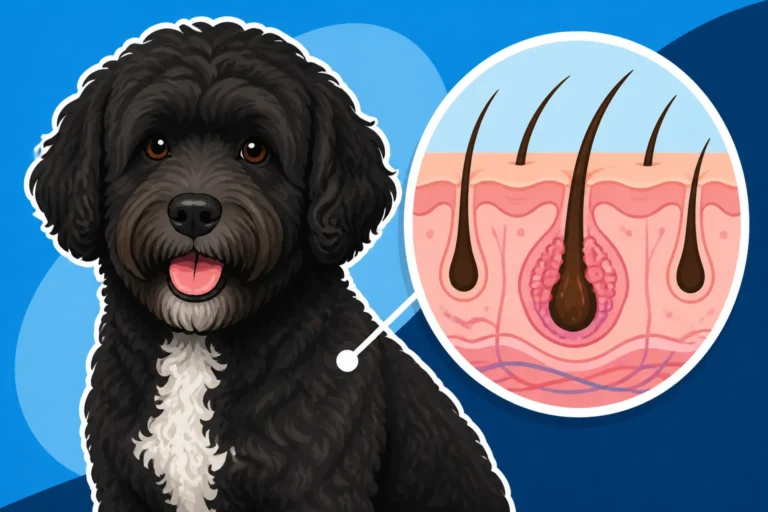
Finding a lump on your Portuguese Water Dog can be incredibly alarming, and it’s a fear shared by nearly every dog owner out there. Our PWDs are renowned for their athleticism and zest for life, but just like us, they are susceptible to various health issues as they age, including growths and masses. The dense, often curly or wavy coat that we love so much can be a double-edged sword when it comes to early detection. That thick, water-resistant fur, while fantastic for their swims and adventures, is also incredibly good at hiding small changes on their skin, making it harder to spot things visually. This is precisely why a hands-on, methodical approach to checking is not just recommended, but absolutely critical for their well-being.
Ignoring a lump, even if it feels small and harmless, is never the right call. The unfortunate truth is that not all lumps are benign, and early detection of something serious like cancer can make a world of difference in treatment outcomes and prognosis. Portuguese Water Dogs, while generally a healthy breed with a good lifespan of The Twelve to Fifteen Years a Portuguese Water Dog Gets, can develop various types of masses, some of which may be cancerous. Knowing Whether a Portuguese Water Dog Gets Cancer is a question many owners ponder, and the reality is that they can, just like any other breed. Regular checks empower you to catch things when they're small and most treatable, giving your furry family member the best possible chance at a long, healthy life.
Moreover, these routine checks aren’t just about catching the scary stuff. They’re also a fantastic opportunity for you to bond with your dog, perform a general health assessment, and become intimately familiar with their body. The more you know what’s "normal" for your individual PWD, the quicker you'll identify something "abnormal." Think of it as a crucial part of their regular grooming and care, much like checking their ears or brushing their teeth. It’s an investment in their long-term health and your peace of mind.
Your Hands-On Guide: How to Thoroughly Check Your PWD for Lumps
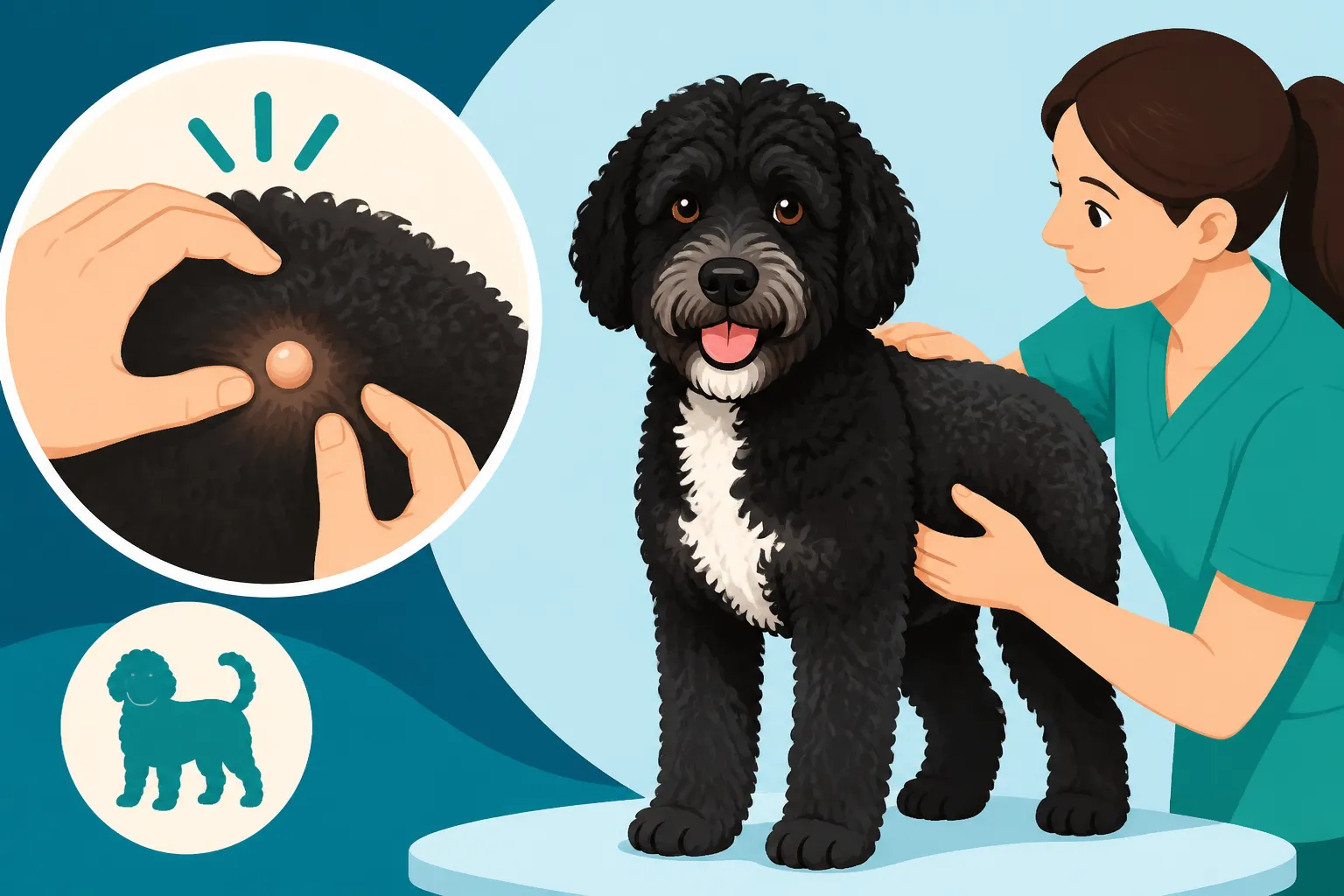
Performing a thorough lump check on your Portuguese Water Dog doesn't require any special equipment, just your hands, a little patience, and a quiet moment. Consistency is key here; aim for at least once a month, perhaps during a relaxed grooming session or after a bath when their coat is clean and easier to navigate. Remember, the goal is to feel for anything new or unusual.
Setting the Scene for a Successful Exam
Before you even start, pick a time when your PWD is relaxed and calm. Maybe after a good walk, a swim, or even just when they’re settling down for an evening cuddle. A quiet room with good lighting is ideal. Have some treats on hand to reward them for their cooperation, making the experience positive. If your PWD is particularly wiggly or nervous, break the check into smaller, manageable sections over a few days rather than trying to do it all at once. The more positive the experience, the more cooperative they'll be next time.
Because of their thick double coat, it's often easier to feel for lumps when their fur is slightly damp or freshly brushed and dry. If you’ve just given them a bath, this is a perfect opportunity, as the wet fur lies flatter and allows your fingers to get closer to the skin. Remember, their coat can be deceptively thick, and How a Portuguese Water Dog's Coat Hides Weight Loss also applies to hiding small growths.
A Head-to-Tail Approach: Systematic Palpation
Start at one end and work your way to the other, making sure you don't miss any areas. Use the pads of your fingers, applying gentle but firm pressure, in a circular or sweeping motion, always feeling through the fur down to the skin.
- Head and Face: Begin by gently feeling around their muzzle, chin, and cheeks. Check inside their mouth if they tolerate it well, looking for any growths on their gums or tongue. Don't forget their eyelids and around their eyes. Move to their ears, checking the ear flaps thoroughly, both inside and out. Why a Portuguese Water Dog's Ears Need Checking Every Week for infections is a good routine to combine with lump checks. Feel at the base of their ears, behind them, and down their neck. Pay close attention to their throat area, where lymph nodes are located.
- Neck and Shoulders: Continue down the neck, feeling all around the collar area. This is a common spot for lumps to be missed because of collars. Move to their shoulders and front legs, feeling down each leg, including their elbows and paws. Don't forget to spread their toes and feel between the pads, as small cysts or growths can occur there.
- Chest and Abdomen: Next, move to their chest. Feel their ribs, applying enough pressure to detect any irregularities. You might already be familiar with How to Feel a Portuguese Water Dog's Ribs Under the Coat, which uses similar techniques. Then, move to their belly and groin area. This is another crucial spot for lymph nodes, as well as mammary glands in females. Gently feel around their nipples.
- Back and Sides: Systematically work your way across their back and down their sides. Pay close attention to their spine and hips.
- Hindquarters and Tail: Finish with their hind legs, feeling down to their hocks and paws, just as you did with the front legs. Finally, check their tail from base to tip. Don't overlook the area around their anus and genitals.
The Power of Routine and Documentation
Make this a routine. The more often you do it, the better you’ll become at distinguishing normal body structures from something new. Keep a mental note, or even a physical one, of any moles, skin tags, or fatty deposits (lipomas) that are already present. This way, you can easily identify if something new has appeared or if an existing one has changed. A quick chart can be helpful:
| Body Area | What to Feel For | What to Note (Date, Location, Size) |
|---|---|---|
| Head/Muzzle/Ears | Bumps, swelling, growths | |
| Neck/Throat | Lumps, enlarged lymph nodes | |
| Front Legs/Shoulders | Lumps, joint swelling | |
| Chest/Ribs | Bumps, masses, unusual firmness | |
| Abdomen/Groin | Lumps, mammary growths, swelling | |
| Back/Spine/Sides | Bumps, masses, skin tags | |
| Hind Legs/Hips | Lumps, joint swelling | |
| Tail/Anus/Genitals | Growths, swelling |
This kind of documentation can be incredibly useful for your veterinarian if you ever need to report a finding.
Deciphering Your Findings: Common Lumps and What to Do Next
So, you’ve done your check, and you've found something. Now what? The most important thing is not to panic. Many lumps are benign, but only a veterinarian can definitively tell you what you've found. Your role as an owner is to detect, observe, and report.
Common Types of Lumps You Might Encounter
Lumps come in all shapes, sizes, and textures. Here are some of the more common types found on dogs, including Portuguese Water Dogs:
- Lipomas: These are very common, benign fatty tumors. They often feel soft, movable, and somewhat squishy under the skin, like a small beanbag. They can appear anywhere but are often found on the trunk and upper legs. While generally harmless, they can grow quite large and sometimes interfere with movement if in an awkward spot.
- Cysts: These are sacs filled with fluid, dead cells, or other material. They can feel firm or soft, and sometimes rupture, oozing a pasty substance. Sebaceous cysts, for example, arise from blocked oil glands and are quite common.
- Warts (Papillomas): Often caused by a virus, these are typically small, cauliflower-like growths that appear on the skin, especially in younger dogs or around the mouth. They usually resolve on their own but can sometimes be surgically removed if they bother the dog.
- Abscesses: These are pockets of infection under the skin, filled with pus. They are typically painful, warm to the touch, and can sometimes feel soft and squishy or firm. They often result from bites, scratches, or foreign bodies.
- Histiocytomas: These are benign skin tumors, most commonly seen in young dogs (under 3 years old). They are usually small, raised, hairless, and red. They often appear suddenly and regress on their own within a few months.
- Mast Cell Tumors: These are unfortunately one of the most common types of skin cancer in dogs. They can mimic benign lumps, varying greatly in appearance, size, and texture. They might be soft, firm, raised, or flat, and can appear anywhere on the body, including internal organs. They can also change in size, sometimes appearing to shrink, which can give a false sense of security. This is why every suspicious lump warrants a vet visit.
- Other Cancers: Other malignant tumors, such as fibrosarcomas, melanomas, or squamous cell carcinomas, can also appear as skin lumps. Their appearance is highly variable, emphasizing again the need for professional diagnosis.
When to Call the Vet: Don't Delay
Any new lump, or an existing lump that has changed in size, shape, color, or texture, warrants a call to your veterinarian. It’s always better to be safe than sorry. Describe what you've found: its size, exact location, how it feels (soft, hard, movable, fixed), and if your dog seems bothered by it. Your vet might ask about how long it's been there or if it’s changed. Being able to provide this detail is where your diligent lump checks and perhaps even notes really pay off.
During the vet visit, your veterinarian will perform a physical examination. Often, the next step for a suspicious lump is a Fine Needle Aspirate (FNA). This is a quick procedure where a small needle is inserted into the lump to collect cells, which are then examined under a microscope. It's minimally invasive and often provides a diagnosis right there in the exam room or within a day or two. In some cases, a biopsy (surgical removal of a small piece or the entire lump) might be recommended for a more definitive diagnosis.
It's natural to worry about the costs associated with vet visits and diagnostics. This is where pet insurance can be a huge relief. Providers like Healthy Paws are designed to help cover unexpected illnesses and accidents, which can certainly include the diagnosis and treatment of lumps, benign or malignant. Preparing for potential health expenses is a smart part of responsible pet ownership. Knowing What a Portuguese Water Dog's Yearly Health Screen Costs can give you a baseline for routine care, but unexpected lumps can add significantly to the bill, so consider robust coverage.
If It's a Concern, Act Swiftly
Even if the lump turns out to be benign, early identification is still a win. If it's a mast cell tumor or another form of cancer, early detection drastically improves the prognosis. For instance, What Most Portuguese Water Dogs Die Of includes various forms of cancer, highlighting the importance of vigilance. Don't fall into the trap of thinking "it's probably just a fatty lump" without a vet's confirmation. Your vet may even recommend a Whether a Portuguese Water Dog Needs a Pre Anesthetic Panel if surgical removal is advised. Remember, your Portuguese Water Dog relies on you to be their advocate. They are incredibly stoic animals and Whether a Portuguese Water Dog Hides Pain is a common trait, meaning they might not show discomfort until a problem is quite advanced.
Living Proactively: Prevention, Early Detection, and Financial Preparedness
Being a Portuguese Water Dog owner means being proactive about their health. The joy they bring into our lives is immense, and ensuring their well-being is a top priority. While you can't prevent all lumps from forming, you can certainly take steps to maximize your chances of early detection and manage any health challenges that arise.
Building a Proactive Health Routine
Regular, thorough lump checks, as outlined above, are your first line of defense. Integrate them into your routine grooming sessions. Perhaps every time you brush their beautiful, water-loving coat, you make it a full-body health scan. This consistency helps you know your dog's normal better than anyone else.
Beyond home checks, regular veterinary check-ups are non-negotiable. Your vet has trained eyes and hands that can spot things you might miss. These annual visits are not just for vaccinations; they're comprehensive health assessments. They'll check your dog from nose to tail, including feeling for lumps and enlarged lymph nodes. Discussing How Often a Portuguese Water Dog Needs a Wellness Exam with your vet can help establish a personalized schedule, especially as they get older. For senior PWDs, who are more prone to various growths, a closer watch is even more important, falling under the umbrella of Caring for a Portuguese Water Dog Past Nine.
Good nutrition and maintaining a healthy weight also play a role in overall health, which can indirectly impact their susceptibility to various conditions. A balanced diet and plenty of exercise (which your PWD certainly loves!) contribute to a strong immune system and healthy body function.
The Role of Pet Insurance and Financial Planning
Let's be realistic: vet care, especially for unexpected issues like diagnosing and treating lumps, can be expensive. A consultation, a fine needle aspirate, blood work (What a Portuguese Water Dog's Yearly Bloodwork Should Cover), biopsies, and potentially surgery or chemotherapy can quickly add up. This is where financial preparedness becomes crucial.
Pet insurance is a fantastic tool to mitigate these costs. Companies like Healthy Paws offer various plans that can cover a significant portion of unexpected veterinary bills, allowing you to focus on your dog's health rather than the financial strain. Imagine finding a worrisome lump and being able to say "yes" to every recommended diagnostic and treatment without hesitation because you know a large part of it will be covered. This peace of mind is invaluable. It’s definitely worth researching and investing in pet insurance when your PWD is young, before any pre-existing conditions develop. This foresight can save you thousands down the line, potentially preventing the heartbreak of making decisions based on cost rather than care. While no one wants to think about What a Portuguese Water Dog's Final Illness Costs, having insurance in place can provide crucial support during difficult times.
Disclaimer
The information provided in this guide is for general educational purposes only and should not be considered a substitute for professional veterinary advice. Always consult with a qualified veterinarian for any health concerns or before making any decisions related to your Portuguese Water Dog's medical care.