Elbow Dysplasia in a Portuguese Water Dog
It's heartbreaking to see your active, water-loving Portuguese Water Dog suddenly hesitate before a jump, limp after a spirited run, or struggle to get up from a comfortable nap. This kind of stiffness and pain can be a tell-tale sign of elbow dysplasia, a common and often debilitating joint condition that can severely impact your PWD's quality of life. This guide will meticulously break down what elbow dysplasia is, how to identify its subtle and overt symptoms, the critical steps for accurate diagnosis, and the comprehensive treatment and management strategies available to help your cherished companion navigate this challenge.
Understanding Elbow Dysplasia in Portuguese Water Dogs
Elbow dysplasia isn't just one single condition; it's a complex developmental disease affecting the elbow joint in growing dogs. For Portuguese Water Dog owners, understanding this multifaceted issue is crucial, especially given the breed's energetic nature and predisposition to joint problems. It often involves multiple components that don't develop correctly, leading to pain, lameness, and ultimately, debilitating arthritis.
What is Elbow Dysplasia?
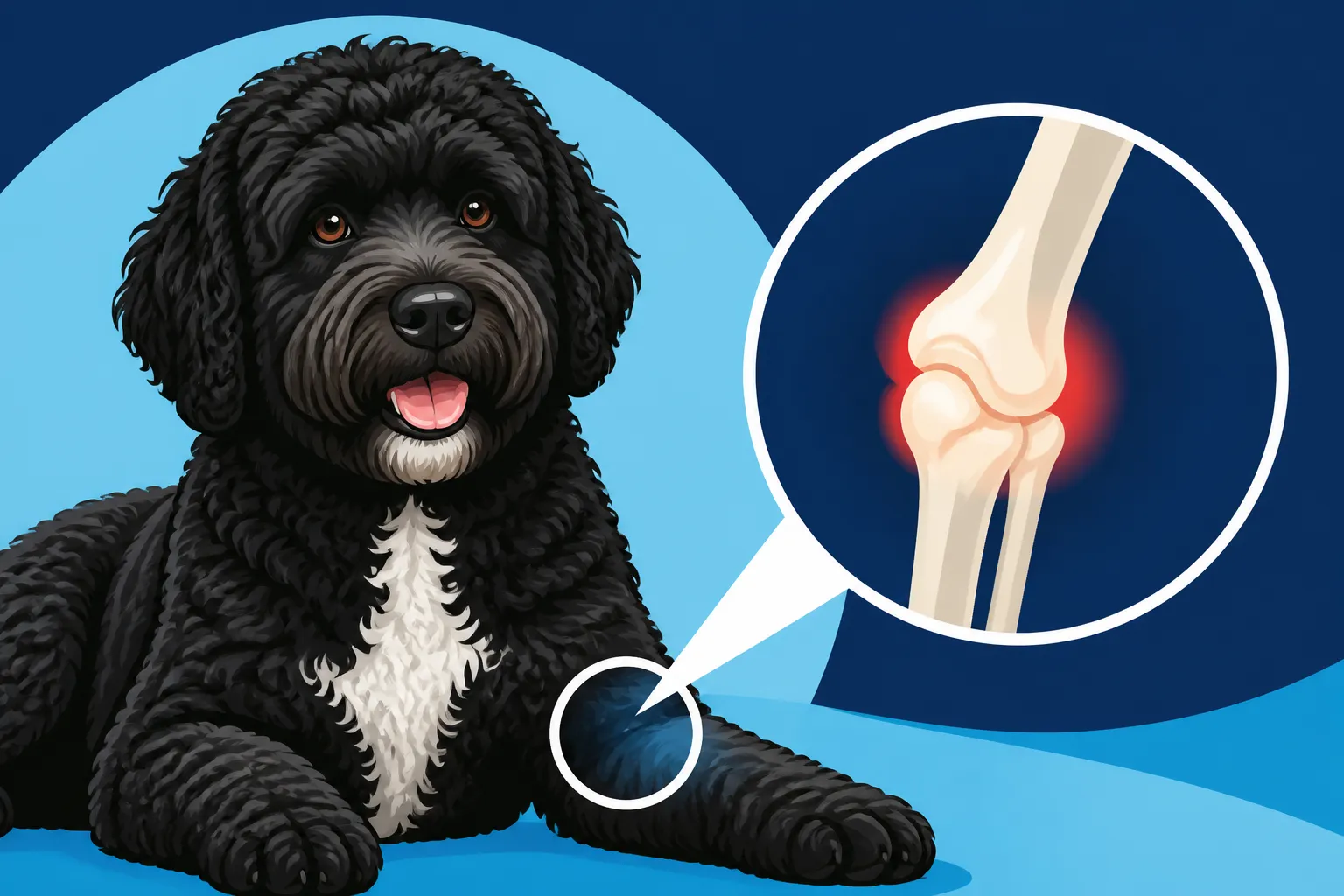
At its core, elbow dysplasia refers to an abnormal development of the elbow joint, which is comprised of three bones: the humerus (upper arm bone), the radius, and the ulna (forearm bones). In a healthy dog, these three bones fit together perfectly, allowing for smooth, pain-free movement. However, in dogs with elbow dysplasia, one or more specific developmental abnormalities can occur, disrupting this perfect fit.
The four main forms of elbow dysplasia, often occurring alone or in combination, include:
- Fragmented Coronoid Process (FCP): This is the most common form, where a small piece of bone (the coronoid process of the ulna) breaks off and floats within the joint, causing irritation and pain. Imagine a tiny splinter constantly rubbing against the joint surface.
- Osteochondrosis Dissecans (OCD): In OCD, the cartilage lining the joint surface (usually the humerus) doesn't mature properly, thickens, and can eventually flap or detach, leaving raw bone exposed. This is incredibly painful and often leads to secondary arthritis.
- Ununited Anconeal Process (UAP): This occurs when a bony projection on the ulna (the anconeal process) fails to fuse with the rest of the ulna during growth, remaining as a separate piece. This instability is a major problem for the joint.
- Elbow Incongruity: This is a mismatch in the length of the radius and ulna, or an abnormal shape of the trochlear notch of the ulna, which prevents the bones from articulating smoothly. It puts abnormal pressure on the joint surfaces, leading to cartilage wear and bone damage.
These issues create friction, inflammation, and pain within the joint, leading to the development of degenerative joint disease or osteoarthritis over time. The cumulative effect of these problems can significantly reduce a PWD's ability to participate in the activities they love, like swimming, retrieving, and hiking. Early understanding of these specific issues is key to identifying potential problems and seeking timely intervention.
The Genetic Predisposition in PWDs
While environmental factors like rapid growth, excessive exercise, and nutrition can play a role, elbow dysplasia is primarily a genetic condition. This means that if a Portuguese Water Dog's parents or grandparents had elbow dysplasia, the puppy has a higher chance of developing it too. It’s considered polygenic, meaning multiple genes contribute to its expression, making breeding decisions particularly complex.
For ethical breeders, this genetic component is a huge concern and a major focus of responsible breeding practices. They understand that bypassing health testing contributes to the perpetuation of these painful conditions within the breed. Reputable breeders will always screen their breeding stock for elbow dysplasia using recognized certifications like those from the Orthopedic Foundation for Animals (OFA). They aim to breed dogs with normal elbows, thereby reducing the likelihood of passing on the predisposition. If you're looking for a puppy, always ask to see the certifications for both parents. A breeder should be transparent about their dogs' health histories, including elbow screenings, and openly discuss Which Health Tests a Portuguese Water Dog Breeder Should Run.
It's a huge commitment, both emotionally and financially, to take on a PWD, and no one wants to bring home a puppy destined for a lifetime of pain. This emphasis on genetic screening is why finding a responsible breeder is paramount. They’re not just selling a dog; they’re safeguarding the future health of the breed and aiming to prevent heartache for future owners.
How Elbow Dysplasia Develops
Elbow dysplasia typically manifests during a Portuguese Water Dog's rapid growth phase, usually between 4 to 12 months of age. However, some dogs might not show obvious symptoms until they are older, when secondary arthritis has progressed significantly. The abnormal development of the joint components creates mechanical stress and irritation, leading to cartilage damage and bone remodeling.
Imagine the elbow joint as a perfectly engineered gear system. If even one tooth on a gear is slightly off, or a tiny fragment breaks off, the entire system can grind and wear down prematurely. That's essentially what happens with elbow dysplasia. The constant abnormal forces and friction within the joint trigger an inflammatory response, which leads to the body trying to repair the damage. Unfortunately, this repair often comes in the form of extra bone growth (osteophytes) and thickening of the joint capsule, which further limits motion and exacerbates pain, eventually leading to full-blown osteoarthritis.
The process can be slow and insidious, with owners sometimes attributing a puppy's subtle limp to a simple strain or "growing pains." However, these early signs are critical. Without intervention, the condition continues to worsen, causing progressive cartilage loss, bone-on-bone friction, and chronic pain. The impact on an active breed like the Portuguese Water Dog is profound; their natural inclination to run, jump, and swim becomes increasingly difficult and painful. Understanding this progression helps owners grasp the importance of early detection and management.
Recognizing the Signs and Symptoms
Identifying elbow dysplasia early in your Portuguese Water Dog can be challenging because PWDs are often stoic and possess a high pain tolerance, especially when they're young and full of spirit. What might seem like minor stiffness after play could be an early warning sign. Paying close attention to subtle changes in their movement and behavior is crucial for timely intervention.
Subtle Early Indicators
When elbow dysplasia first begins to develop, the signs can be quite subtle and might come and go, making them easy to miss or dismiss. You might notice your PWD puppy or young adult exhibiting a slight, intermittent lameness, especially after exercise or a long period of rest. This lameness often presents as a stiff, choppy gait in one or both front legs, sometimes with the dog carrying one elbow slightly out from its body. They might also appear reluctant to engage in activities they previously loved, like chasing a ball or jumping into the pool.
Other indicators could include a tendency to shift weight away from the affected limb, perhaps sitting awkwardly or preferring to lie on one side. You might also observe a reduced range of motion in the elbow, though this can be hard to spot without a professional examination. For instance, your dog might not fully extend its front leg when stretching or reaching for a toy. These minor changes are often dismissed as growing pains, or simply a temporary ache from overexertion. However, for a breed known for its robust energy, any persistent or recurring hesitation is worth investigating. Always consider how these subtle changes impact their overall joy and willingness to participate in activities, as How a Portuguese Water Dog Hides Pain can be quite remarkable.
Progressive Symptoms and Pain
As elbow dysplasia progresses and secondary arthritis sets in, the symptoms become more pronounced and persistent. The intermittent lameness will likely become more constant, and your dog will show more obvious signs of chronic pain. You might observe a stiff, stilted gait, or a noticeable head bob when they walk, where their head goes up when the painful leg is on the ground and down when the good leg is bearing weight. They might struggle significantly to get up after lying down, needing several attempts, or even cry out when stretching or being handled.
Muscle atrophy, or wasting, can become apparent in the affected limb as the dog avoids using it. This can make the leg appear thinner than the healthy one. You might also notice a decreased willingness to bear weight on the front limbs, leading to compensatory shifting of weight to the hindquarters, sometimes described as a "bunny hopping" gait when running. Portuguese Water Dogs, being strong swimmers, might also show a reluctance to enter water or find swimming more difficult and painful than before. Their natural athleticism will diminish, and they may show irritability or even aggression due to chronic discomfort. Any of these escalating signs clearly indicates that your PWD is in considerable pain and needs veterinary attention urgently.
When to See Your Vet
If you notice any of the subtle or progressive signs mentioned, it's absolutely crucial to consult your veterinarian without delay. Early diagnosis and intervention can significantly impact the long-term prognosis and quality of life for your Portuguese Water Dog. Waiting to see if the symptoms "get better on their own" often allows the condition to worsen, leading to more extensive joint damage and more challenging treatment down the line.
Your vet will conduct a thorough physical examination, including palpation of the elbow joints, assessing range of motion, and observing your dog's gait. They'll ask detailed questions about the onset and progression of symptoms, your dog's activity levels, and any changes in behavior. Be prepared to provide a complete history of the issues you've observed. If elbow dysplasia is suspected, your vet will likely recommend diagnostic imaging, which is the only definitive way to confirm the diagnosis. Don't hesitate to voice your concerns. Your PWD relies on you to advocate for their comfort and well-being. Early intervention can make a world of difference in managing this lifelong condition effectively.
Diagnosis and Screening Protocols
Diagnosing elbow dysplasia in a Portuguese Water Dog involves a combination of clinical assessment and advanced imaging techniques. For responsible breeders, screening protocols are vital to minimize the prevalence of this genetic condition in future generations. For pet owners, accurate diagnosis is the first step toward effective management and ensuring your dog's comfort.
Clinical Examination and Initial Assessment
When you bring your Portuguese Water Dog to the vet with concerns about lameness or joint pain, the first step will always be a comprehensive clinical examination. Your veterinarian will observe your dog's gait, both walking and trotting, to identify any subtle limping, stiffness, or reluctance to bear weight on a particular limb. They might also perform specific manipulative tests to check the range of motion in the elbow joints, looking for pain responses, crepitus (a grinding sound), or restricted movement.
During palpation, the vet will gently feel around the elbow joint, assessing for swelling, heat, muscle atrophy in the shoulder and forearm, or any signs of discomfort when the joint is flexed or extended. They'll also compare both elbows to detect any asymmetries. It's important to remember that some PWDs are incredibly stoic, and their pain response might be minimal, even with significant underlying pathology. This initial assessment helps the vet narrow down potential causes of lameness and determine if diagnostic imaging is necessary for a definitive diagnosis. Based on these findings, and your detailed history, your vet can determine the next best steps, which almost always involve X-rays.
Diagnostic Imaging: X-Rays and Advanced Scans
X-rays are the primary diagnostic tool for confirming elbow dysplasia. To get the most accurate images, your dog will often require sedation to ensure proper positioning and minimize discomfort. Several specific radiographic views are taken of the elbow joint to visualize the different components and identify any abnormalities like fragmented coronoid processes, ununited anconeal processes, or signs of osteochondrosis. The Orthopedic Foundation for Animals (OFA) has a standardized protocol for elbow evaluations, requiring specific lateral and medial oblique views to assess for elbow dysplasia. These X-rays are usually evaluated by board-certified veterinary radiologists. For details on related procedures, you might want to look into When a Portuguese Water Dog Should Be X Rayed.
While X-rays are excellent for initial screening and identifying clear bony changes, sometimes more advanced imaging is necessary, especially if the X-rays are inconclusive or to plan for surgery. Computed Tomography (CT) scans provide detailed 3D images of the bones and can be particularly useful for identifying subtle fragments of the coronoid process or assessing elbow incongruity that might not be obvious on plain radiographs. Magnetic Resonance Imaging (MRI) is less commonly used for elbow dysplasia as it's better for soft tissue, but it can provide insights into cartilage damage or inflammation if other issues are suspected. These advanced imaging techniques offer a much clearer picture of the extent of the disease and help veterinarians formulate the most appropriate treatment plan.
Why Early Screening Matters for Breeders and Puppies
Early screening for elbow dysplasia is paramount, not just for the individual dog's well-being but for the entire Portuguese Water Dog breed. Reputable breeders understand the genetic component of this disease and make it a cornerstone of their breeding program. This typically involves screening their breeding stock before they are bred, usually around two years of age, using OFA certifications for both elbows and hips. The OFA database publicly lists these results, contributing to transparency in breeding. This proactive approach helps reduce the incidence of elbow dysplasia in successive generations, safeguarding the health of the breed.
For puppies, early screening can allow for intervention before irreversible damage occurs. If a puppy starts showing signs, an early diagnosis can lead to quicker treatment, potentially preventing severe secondary osteoarthritis. While puppies aren't typically screened with OFA until two years, a vet can take preliminary X-rays if symptoms arise. Buying a puppy from parents with excellent OFA ratings significantly reduces the risk of inheriting elbow dysplasia. Always insist on seeing proof of OFA elbow and hip clearances for both parents. Ethical breeders are proud to show these results and understand that this level of due diligence directly impacts Whether the Portuguese Water Dog Is a Healthy Breed as a whole. It’s a commitment to the longevity and active lifestyle that PWDs are known for.
Treatment Options for Managing Elbow Dysplasia
Once your Portuguese Water Dog has been diagnosed with elbow dysplasia, the good news is there are various treatment options available, ranging from conservative management to surgical interventions. The best approach depends on the severity of the condition, your dog's age, the specific type of elbow dysplasia, and your family's lifestyle. The goal is always to manage pain, improve mobility, and maintain the best possible quality of life.
Conservative Management
Conservative management, often the first line of defense for less severe cases or as a post-surgical protocol, focuses on pain control, reducing inflammation, and supporting joint health without invasive procedures. This approach is highly integrated and requires consistent effort from the owner.
- Pain Medications and Anti-inflammatories: Non-steroidal anti-inflammatory drugs (NSAIDs) like carprofen (Rimadyl), meloxicam (Metacam), or firocoxib (Previcox) are commonly prescribed to reduce pain and inflammation. Your vet will monitor your dog closely for any side effects, especially gastrointestinal upset or liver/kidney issues. These are crucial for daily comfort.
- Joint Supplements: Many owners turn to joint supplements containing ingredients like glucosamine, chondroitin sulfate, and MSM. These compounds are believed to help support cartilage health and reduce inflammation. While not a cure, they can be a valuable part of a long-term management plan. Omega-3 fatty acids, often in fish oil, also have powerful anti-inflammatory properties.
- Weight Management: Keeping your Portuguese Water Dog at a healthy weight is paramount. Excess weight puts additional stress on already compromised joints, exacerbating pain and accelerating degenerative changes. Your vet can help you determine an ideal body condition score and recommend a suitable diet and feeding plan.
- Physical Therapy and Rehabilitation: This is a cornerstone of conservative management. A certified canine rehabilitation therapist can develop a tailored exercise program including passive range of motion exercises, therapeutic exercises to build supporting muscle, and hydrotherapy. Why Swimming Protects a Portuguese Water Dog's Joints is a fantastic low-impact exercise that allows them to use their muscles without putting excessive strain on their elbows.
- Lifestyle Modification: This involves adjusting your PWD's daily activities to minimize joint stress. Avoiding high-impact activities like jumping, quick stops, and excessive running on hard surfaces is essential. Instead, focus on controlled walks, gentle retrieves, and plenty of swimming. Consistency is key to preventing flare-ups and maintaining comfort.
Surgical Interventions
When conservative management isn't enough, or for specific types of elbow dysplasia, surgical intervention may be recommended to correct the underlying structural abnormalities. There are several surgical options, each targeting a different aspect of the disease.
- Arthroscopy: This minimally invasive procedure uses a small camera inserted into the joint to visualize and remove fragmented coronoid processes (FCP) or cartilage flaps from OCD. It allows for a thorough examination of the joint and removal of irritating fragments with less tissue trauma and a faster recovery than traditional open surgery. This is often the preferred method for FCP and OCD lesions.
- UAP Correction: For ununited anconeal process, surgery involves reattaching the anconeal process with a screw or removing it if severe osteoarthritis is present. Sometimes, an osteotomy (cutting the ulna bone) is performed to relieve pressure on the anconeal process and encourage fusion.
- Elbow Incongruity Correction: This can be more complex, often involving osteotomies (cutting and shortening or lengthening bones) of the radius or ulna to achieve better joint alignment. Procedures like a Proximal Abducting Ulnar Osteotomy (PAUL) aim to alleviate pressure on the medial compartment of the elbow.
- Total Elbow Replacement (TER): This is a salvage procedure reserved for severe, end-stage elbow dysplasia with debilitating arthritis where other treatments have failed. It involves replacing the damaged joint surfaces with prosthetic components. TER is a complex and expensive surgery with a significant recovery period, but it can offer significant pain relief and improved function for carefully selected candidates.
- Platelet-Rich Plasma (PRP) and Stem Cell Therapy: While not strictly surgical, these regenerative medicine techniques can be used alone or adjunctively. They involve injecting concentrated growth factors or stem cells into the joint to promote healing and reduce inflammation. These are newer therapies and effectiveness can vary.
The decision for surgery is usually made in consultation with a board-certified veterinary orthopedic surgeon, considering the specific diagnosis, your dog's age, current pain levels, and your expectations for recovery. Post-surgical rehabilitation is critical for optimal outcomes, often involving weeks to months of controlled exercise and physical therapy.
Long-term Care and Prognosis
Regardless of the treatment path chosen, elbow dysplasia is a condition that often requires lifelong management. There is no "cure" in most cases, but rather strategies to minimize pain, maximize function, and slow the progression of osteoarthritis. The prognosis varies widely depending on the severity of the initial condition, the presence of secondary arthritis at the time of diagnosis, and the response to treatment.
Dogs that undergo successful surgery for FCP or OCD early in life often have a good prognosis for pain reduction and improved function, though some degree of arthritis will likely develop over time. Those with severe incongruity or UAP may have a more guarded prognosis. Even with surgery, ongoing conservative management, including supplements, weight control, and controlled exercise, will be necessary. For older dogs or those with advanced arthritis, the focus shifts more towards pain management and maintaining comfort. Regular veterinary check-ups are essential to monitor the condition, adjust medications, and address any new issues that arise. You should expect regular visits to your vet for What a Portuguese Water Dog's Yearly Health Screen Costs to monitor their joint health.
With diligent care, many Portuguese Water Dogs with elbow dysplasia can lead fulfilling lives. The key is to be proactive, work closely with your veterinary team, and make the necessary lifestyle adjustments. Understanding that this is a chronic condition helps owners commit to the consistent care required. The good news is that with dedicated effort, you can significantly improve your PWD's quality of life, allowing them to enjoy many years of joyful, if perhaps modified, activity, contributing to The Twelve to Fifteen Years a Portuguese Water Dog Gets.
Living with a Portuguese Water Dog with Elbow Dysplasia
Bringing a Portuguese Water Dog with elbow dysplasia into your home, or receiving a diagnosis for your beloved companion, means making some adjustments to ensure their comfort and well-being. It’s a journey that requires empathy, consistency, and a proactive approach to their daily care. The goal isn't to eliminate all activity, but to manage it intelligently, allowing them to thrive within their physical limitations.
Home Modifications and Support
Making your home a safe and comfortable environment is crucial for a Portuguese Water Dog living with elbow dysplasia. The simple things we take for granted can become significant obstacles for a dog with painful joints.
- Non-slip Surfaces: Slippery floors, like hardwood or tile, can be a nightmare for a dog with compromised elbows, making them unstable and increasing the risk of falls or further injury. Consider laying down rugs, carpet runners, or using anti-slip socks or paw pads in high-traffic areas. This provides much-needed traction and confidence for your PWD as they move around the house.
- Ramps and Stairs: Jumping on and off furniture or navigating stairs can put immense strain on affected joints. Invest in dog ramps for beds and couches, or block off access to stairs if they pose too much of a challenge. Even a small step can cause significant impact.
- Orthopedic Beds: A supportive, orthopedic dog bed is a must. These beds are designed to cradle joints, relieve pressure points, and provide better support than conventional dog beds, making resting and sleeping much more comfortable. Look for memory foam or gel-infused options.
- Easy Access to Food and Water: If bending down to eat or drink is painful, consider elevated food and water bowls. This small change can make meal times much more comfortable and prevent unnecessary strain on their front limbs.
- Secure Environment: Ensure your home and yard are secure to prevent your PWD from attempting sudden, high-impact movements that could exacerbate their condition. This might mean better fencing or leash management in the yard.
By implementing these modifications, you create a home environment that supports your PWD's joint health and helps minimize everyday discomfort. It's about being thoughtful and anticipating their needs.
Exercise and Activity Management
One of the hardest adjustments for a Portuguese Water Dog owner after an elbow dysplasia diagnosis is rethinking exercise. PWDs are known for their boundless energy and love for activity, so completely stopping exercise isn't an option – nor is it beneficial for joint health. The key is controlled, low-impact exercise that builds muscle and maintains fitness without stressing the joints.
- Controlled Walks: Short, frequent walks on soft surfaces like grass or dirt trails are preferable to long, strenuous hikes on pavement. Avoid uneven terrain that could cause twists or jolts. Keep your PWD on a leash to prevent sudden sprints or jumps.
- Hydrotherapy/Swimming: This is often the gold standard for PWDs with joint issues. The buoyancy of the water reduces weight-bearing stress on the elbows while allowing for full range of motion and muscle strengthening. Many specialized canine rehabilitation centers offer heated pools and underwater treadmills. Remember, Whether a Portuguese Water Dog Puppy Should Swim for Exercise should always be cleared by your vet, especially with a joint condition.
- Avoid High-Impact Activities: This means no more vigorous fetching games with sudden stops and starts, no high jumps, and definitely no competitive agility or flyball unless specifically cleared by a vet and rehabilitation specialist, and even then, with extreme caution. These activities place excessive stress on the elbow joints.
- Core Strengthening: Specific exercises aimed at strengthening core muscles can help improve overall stability and reduce the load on the limbs. A canine physical therapist can guide you through these exercises.
- Listen to Your Dog: This is perhaps the most important rule. Pay close attention to your PWD's cues. If they seem tired, stiff, or reluctant, it’s time to stop. Good days will allow for more activity, bad days will require more rest.
The goal is a balanced approach that keeps your PWD physically and mentally stimulated without causing pain or further damage. It's a continuous balancing act, but with careful planning, your PWD can still enjoy a good quality of life.
Nutritional Support and Supplements
Nutrition plays a vital role in managing elbow dysplasia, particularly in maintaining an ideal weight and providing essential joint support. What you feed your Portuguese Water Dog can truly make a difference.
- Weight Control: As mentioned, maintaining a lean body weight is critical. Work with your vet to determine the appropriate calorie intake for your PWD, factoring in their activity level. High-quality dog food designed for large breeds or weight management can be beneficial. Avoid overfeeding and limit treats, or use low-calorie options.
- Joint Supplements: Incorporating supplements into their diet is a common recommendation. Glucosamine and chondroitin sulfate are popular choices, believed to support cartilage health. Green-lipped mussel extract is another natural anti-inflammatory that some owners find beneficial. Additionally, Omega-3 fatty acids (DHA and EPA), typically from fish oil, are powerful natural anti-inflammatories that can help reduce joint pain and improve mobility. Always discuss supplement choices with your veterinarian to ensure they are appropriate and won't interact with any medications.
- Prescription Joint Diets: Some veterinary diets are specifically formulated with high levels of joint-supporting nutrients, including glucosamine, chondroitin, and omega-3s. These can be a convenient way to ensure your PWD is receiving consistent, therapeutic levels of these beneficial compounds.
- Antioxidants: Foods rich in antioxidants can help combat oxidative stress and inflammation in the joints. Consider fresh vegetables or vet-approved antioxidant supplements as part of their diet.
A well-rounded diet, focused on maintaining an ideal weight and supplemented with joint-friendly nutrients, can significantly contribute to your PWD's comfort and slow the progression of arthritis.
Emotional Support for Owners and Dogs
A diagnosis of elbow dysplasia can be emotionally taxing for both the Portuguese Water Dog and their owner. It's heartbreaking to see your active companion in pain or limited in what they can do. Providing emotional support and adjusting your mindset are just as important as physical treatments.
- For Your Dog: Acknowledge their pain and frustration. Even if they can't articulate it, dogs feel discomfort and limitations. Continue to provide mental stimulation through puzzle toys, scent work, and gentle training sessions that don't strain their joints. Consistent routines and positive reinforcement can help manage any anxiety they may develop due to changes in their mobility. A calm, reassuring presence from you is incredibly important.
- For Owners: It's okay to feel sad, frustrated, or even guilty. This is a significant health challenge. Seek support from your veterinary team, who can offer practical advice and emotional reassurance. Connecting with other PWD owners who have dogs with similar conditions can also provide a valuable network for sharing experiences and tips. Remember, you are doing everything you can to provide the best possible care for your dog.
- Financial Considerations: Elbow dysplasia treatment, especially if surgery is involved, can be expensive. From diagnostic imaging to ongoing medications, supplements, and physical therapy, the costs can add up quickly. This is where pet insurance, like policies from Healthy Paws, can be a lifesaver. Having a good insurance plan in place can alleviate some of the financial burden, allowing you to focus on getting your PWD the best care without stressing over every bill. Even if the condition is pre-existing, ongoing management costs can be substantial, so it's always worth exploring options and understanding your coverage.
- Patience and Adaptability: Living with a chronic condition like elbow dysplasia requires immense patience. There will be good days and bad days. Be prepared to adapt plans, adjust expectations, and celebrate small victories. Your PWD might not be able to conquer mountains, but they can still enjoy a dip in the lake or a gentle stroll in the park. Focusing on what they can do, rather than what they can't, is vital for everyone's happiness. Healthy Paws can help ensure that financial worries don't stand in the way of necessary treatments and a fulfilling life for your dog. This condition is a marathon, not a sprint, and your consistent love and care will be their greatest comfort.
| Treatment Approach | Description | Key Components | Pros | Cons |
|---|---|---|---|---|
| Conservative | Managing symptoms without surgery. | NSAIDs, joint supplements (e.g., glucosamine/chondroitin, Omega-3s), weight control, physical therapy, controlled exercise. | Non-invasive, often cost-effective initially, good for mild cases or adjunctively. | Does not correct underlying structural defects, long-term commitment, may not be sufficient for severe cases. |
| Surgical | Correcting structural abnormalities. | Arthroscopy (FCP, OCD removal), UAP reattachment/removal, osteotomies (PAUL), total elbow replacement (TER). | Can address underlying cause, potentially halt progression, significant pain relief for severe cases. | Invasive, higher initial cost, longer recovery, potential complications, still requires post-op conservative management. |
Disclaimer
The information provided in this article is for educational purposes only and should not be considered a substitute for professional veterinary advice. Always consult with a qualified veterinarian for any health concerns or before making any decisions related to your Portuguese Water Dog's medical care.