Whether a Portuguese Water Dog Needs Its Teeth Cleaned
It’s a common scenario: you lean in for a loving sniff from your beloved Portuguese Water Dog, and instead of fresh canine breath, you're hit with a smell that could strip paint. Many of us, myself included, have been there, wondering if this is just "dog breath" or something more serious. The truth is, dental health in our PWDs is often overlooked, leading to significant problems down the line. This comprehensive guide will walk you through why consistent dental care is non-negotiable for your Portuguese Water Dog, what signs to watch for, and how to keep their pearly whites healthy for years to come.
The Truth About Canine Dental Health and Your PWD
It's easy to dismiss bad breath as a natural part of having a dog, especially when they're constantly retrieving things from the lake or rolling in questionable delights. However, that tell-tale odor is usually the first sign that something isn't quite right with your Portuguese Water Dog's teeth and gums. Ignoring it doesn't just mean tolerating stinky kisses; it means potentially allowing a gateway for serious health issues throughout their body.
Why Dental Care is More Than Just Bad Breath
Think about it: if your own teeth started to ache, or your gums bled every time you brushed, you'd be straight to the dentist. Our dogs experience similar discomfort, often in silence. The bad breath you notice is a symptom of bacteria accumulating in your PWD's mouth, forming plaque which then hardens into tartar. This isn't merely an aesthetic issue. The bacteria thrive under the gum line, leading to an inflammatory condition called gingivitis. If left unchecked, gingivitis progresses to periodontal disease, a more severe and irreversible condition where the supporting structures of the teeth are destroyed.
Here's the really scary part: these oral bacteria don't just stay in the mouth. They can enter your dog's bloodstream and travel to vital organs, potentially affecting their heart, kidneys, and liver. We all want our PWDs to live long, healthy lives, perhaps even reaching The Twelve to Fifteen Years a Portuguese Water Dog Gets, and neglecting dental health can seriously shorten that time. It's a silent threat that can manifest as much larger health complications, proving that a healthy mouth truly contributes to a healthy body.
Portuguese Water Dogs and Their Specific Dental Needs
While Portuguese Water Dogs aren't typically predisposed to specific genetic dental anomalies in the same way some brachycephalic (short-nosed) breeds are to crowded teeth, they are absolutely not immune to general dental disease. Their active, robust nature can sometimes lead owners to believe they're invincible, but their mouths are just as susceptible to plaque and tartar buildup as any other dog. In fact, their strong chewing instincts, while helpful for some degree of natural tooth cleaning, are rarely enough to combat the daily assault of food particles and bacteria.
What's more, a PWD's thick, often curly coat can make it easy to miss subtle changes in their body, including signs of discomfort. They are known for being stoic animals, often masters at How a Portuguese Water Dog Hides Pain. This means that by the time you notice overt signs like reluctance to eat or pawing at their mouth, the dental disease might already be quite advanced. It’s crucial for PWD owners to be particularly vigilant and proactive about oral hygiene, knowing that their energetic companion might not outwardly show signs of pain until it's become significant.
Recognizing the Signs of Dental Trouble in Your PWD
Being a proactive PWD parent means regularly checking in on your dog's overall health, and that includes their mouth. While professional veterinary check-ups are essential, your daily interactions can provide invaluable clues that something is amiss. Learning to spot the subtle and not-so-subtle signs of dental issues can prevent significant pain and expense down the line.
Spotting the Early Warning Signs
The first and most undeniable sign of dental trouble is often that familiar, offensive breath. It's not just "dog breath"; it's usually a red flag. Beyond halitosis, there are several other indicators to look for during your regular snuggle sessions or playtimes:
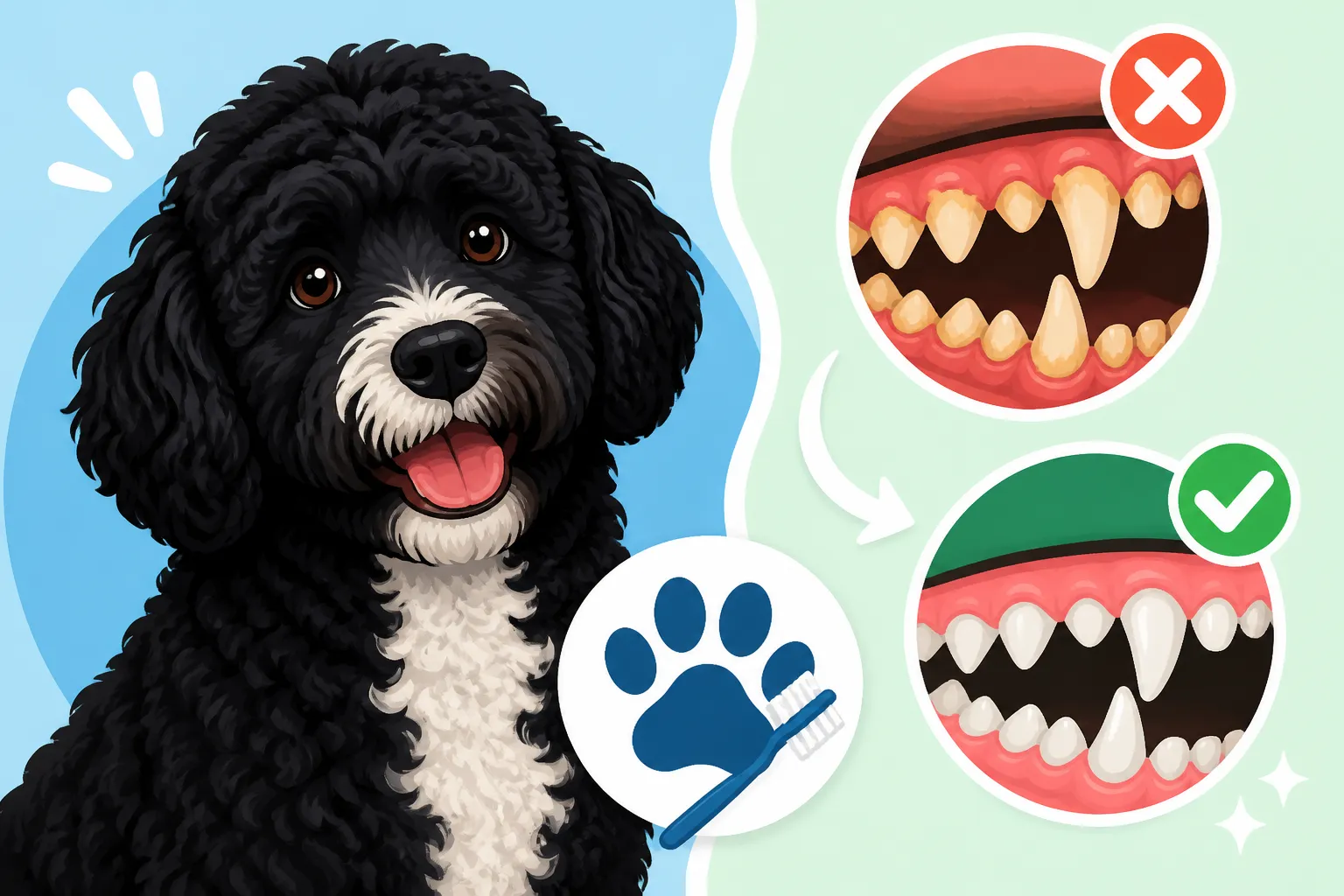
- Yellow or Brown Tartar Buildup: Take a peek at your PWD's teeth, especially along the gum line. If you see a crusty, discolored accumulation, that's tartar. It's too hard to brush off once formed and signals a need for professional intervention.
- Red, Swollen, or Bleeding Gums: Healthy gums should be a nice pink color. If they appear red, swollen, or bleed when you gently touch them or when your dog chews, this indicates gingivitis. This is painful and needs attention.
- Difficulty Chewing or Eating: Your usually enthusiastic eater might suddenly become hesitant about their kibble or favorite chew toy. They might drop food, chew on one side of their mouth, or prefer softer foods. This could be a sign of pain in their teeth or gums.
- Pawing at the Mouth or Excessive Drooling: If your PWD is frequently pawing at their face or excessively drooling, especially if the drool is tinged with blood, it’s a strong indication of oral discomfort.
- Loose or Missing Teeth: In more advanced cases of periodontal disease, teeth can become loose or even fall out. This is a severe and painful symptom that requires immediate veterinary care.
Given how active Portuguese Water Dogs are, always ready for a game of fetch or a swim, it can be easy to miss these subtle shifts. Their enthusiasm for life can mask discomfort, making it even more important to be diligent with at-home checks.
When to Seek Professional Veterinary Help
Anytime you observe one or more of the signs mentioned above, it's time to schedule a visit with your veterinarian. Dental disease is progressive, meaning it only gets worse without intervention. Waiting until your PWD is in obvious pain or refusing to eat can mean the disease has advanced significantly, making treatment more complex and potentially requiring extractions.
Your vet will perform a thorough oral examination, often while your dog is awake, but a definitive diagnosis of periodontal disease and its extent almost always requires a professional cleaning and examination under anesthesia. This allows the vet to fully assess each tooth, probe for gum pockets, and take dental X-rays to see what's happening below the gum line – something impossible to do on a conscious dog. Don't delay. Early intervention can save your PWD from unnecessary suffering and preserve their teeth for longer. Just like with other health checks, How Often a Portuguese Water Dog Needs a Wellness Exam should always include a thorough dental inspection.
Essential Dental Care Practices for Your Portuguese Water Dog
Once you understand the critical importance of dental health, the next step is implementing effective care routines. This isn't just about reacting to problems; it's about proactive prevention. For your Portuguese Water Dog, a multi-faceted approach combining professional veterinary care with consistent home hygiene is the most effective strategy.
The Gold Standard: Professional Veterinary Cleanings
Let's be clear: brushing your PWD's teeth at home is fantastic, but it cannot remove hardened tartar. For that, your dog needs a professional dental cleaning, which is much more involved than what you might imagine. This procedure is always performed under general anesthesia. Why anesthesia? Because a thorough cleaning requires your dog to be completely still, allowing the veterinary team to scale below the gum line, polish the teeth, and take dental X-rays without causing pain or stress.
Here’s what a professional dental cleaning typically involves:
- Pre-Anesthetic Bloodwork: Before anesthesia, your vet will perform blood tests to ensure your PWD is healthy enough for the procedure. This is a crucial safety step, much like what is discussed in What a Portuguese Water Dog's Yearly Bloodwork Should Cover or Whether a Portuguese Water Dog Needs a Pre Anesthetic Panel.
- Intravenous (IV) Fluids and Monitoring: During the procedure, your dog will be on IV fluids to maintain hydration and blood pressure, and their vital signs (heart rate, respiration, oxygen levels) will be continuously monitored by a dedicated veterinary technician.
- Oral Examination and X-rays: Once under anesthesia, the vet can perform a detailed examination of every tooth and the surrounding gum tissue. Dental X-rays are vital for detecting problems hidden beneath the gum line, such as abscesses, bone loss, or unerupted teeth. Without X-rays, about 60% of dental disease goes undiagnosed.
- Ultrasonic Scaling: A specialized ultrasonic scaler is used to remove plaque and tartar from above and, critically, below the gum line, where much of the damaging bacteria reside.
- Polishing: After scaling, the teeth are polished to smooth out any microscopic etches on the enamel. These tiny imperfections can otherwise attract plaque more easily, speeding up future buildup.
- Fluoride Treatment (Optional): Some vets may apply a fluoride treatment to strengthen enamel and reduce tooth sensitivity.
Many owners worry about anesthesia, and that's completely understandable. However, with modern veterinary medicine, anesthesia protocols are very safe, especially when appropriate pre-anesthetic screening and monitoring are in place. The benefits of preventing severe dental disease, pain, and systemic illness far outweigh the minimal risks for most healthy dogs. When considering the costs, remember that pet insurance like Healthy Paws can often help cover these significant expenses, making essential care more accessible.
Daily Dental Hygiene at Home
Professional cleanings are a cornerstone, but what you do at home between visits is equally important. Think of it like your own dental routine: you go to the dentist for cleanings, but you brush and floss daily.
The absolute best thing you can do at home is to brush your Portuguese Water Dog's teeth daily, or at least several times a week. This might sound daunting, especially with a wiggly PWD, but with patience and positive reinforcement, it can become part of your routine.
- Toothbrush: Use a soft-bristled toothbrush designed for dogs, or a finger brush.
- Toothpaste: Always use dog-specific toothpaste. Human toothpaste contains xylitol (which is toxic to dogs) and fluoride (which can cause stomach upset if swallowed). Dog toothpaste comes in flavors like poultry or peanut butter, making it more appealing.
- Technique: Start slowly. Let your PWD lick the toothpaste off your finger, then introduce the brush for short periods, focusing on the outside surfaces of the upper teeth (where most plaque accumulates). Lift their lip and use gentle, circular motions. The goal is to gently scrub the gum line.
- Make it Positive: Pair brushing with treats, praise, and play. Make it a fun, low-stress activity.
Besides brushing, other home care options can supplement but not replace brushing:
- Veterinary Oral Health Council (VOHC) Approved Dental Chews: Look for chews that carry the VOHC seal. This means they've met standards for reducing plaque and/or tartar. Brands like Greenies or Oravet Chews are popular and effective. Just be mindful of caloric intake and choose appropriate sizes for your PWD.
- Dental Diets: Specific prescription dental diets are formulated with larger kibble that mechanically scrubs the teeth as your dog chews, or with ingredients that help reduce plaque buildup. Consult your vet to see if one is right for your PWD.
- Water Additives: These products are added to your dog's drinking water and can help reduce bacteria in the mouth. Again, look for VOHC-approved options.
Here's a quick comparison of popular home dental care methods:
| Method | Effectiveness (Plaque/Tartar Reduction) | Ease of Use | Cost (Approx. Monthly) | Notes |
|---|---|---|---|---|
| Tooth Brushing | High (if done daily/frequently) | Requires training/consistency | Low (one-time brush/paste) | Gold standard for at-home care. Essential for removing plaque before it hardens. |
| VOHC Dental Chews | Moderate (plaque/tartar reduction) | Very Easy | Moderate | Must be VOHC-approved. Choose appropriate size. Supplement, not replacement for brushing. |
| Dental Diets | Moderate (plaque/tartar reduction) | Easy | High (specialized food) | Prescription diets only. Also addresses nutritional needs. |
| Water Additives | Low to Moderate | Very Easy | Low to Moderate | Helps reduce bacteria in general. Not a substitute for mechanical cleaning. |
Consistency is key. Even a few minutes every other day can make a huge difference in preventing severe dental disease and keeping your Portuguese Water Dog's mouth healthy and comfortable.
Preventing Future Dental Problems and Ensuring Long-Term Health
Maintaining your Portuguese Water Dog's dental health is a lifelong commitment. Just as you invest in their training, exercise, and overall well-being, investing in their oral care will pay dividends in their comfort and longevity. Proactive measures, combined with regular professional oversight, are your best tools.
Choosing the Right Diet and Chews
What your Portuguese Water Dog eats can have a direct impact on their dental health. While kibble alone isn't a substitute for brushing, certain diets are formulated to be more dental-friendly. Look for foods that encourage chewing, and consider prescription dental diets recommended by your vet. These often have a specific texture or size of kibble designed to mechanically "scrub" the teeth as your dog crunches, helping to reduce plaque buildup.
When it comes to chews, be discerning. While many claim to be "dental chews," not all are created equal. As mentioned, prioritize products with the VOHC seal of approval. These have been scientifically proven to reduce plaque and/or tartar. However, a word of caution: avoid extremely hard chews like antlers, real bones, or synthetic bones that are too hard to indent with your thumbnail. These can lead to slab fractures of the teeth, which are incredibly painful and often require expensive dental surgery to repair. Opt for softer, pliable chews that your PWD can safely chew down without risking tooth damage.
Regular Vet Check-ups and Monitoring
Your veterinarian is your primary partner in your Portuguese Water Dog's health journey, and that absolutely includes dental care. Beyond professional cleanings, routine check-ups are vital. During your PWD's annual wellness exam, your vet will perform an oral inspection. Even if your dog's teeth look relatively clean to you, a professional eye can spot early signs of gingivitis, hidden fractured teeth, or other issues you might miss.
These regular visits allow your vet to recommend professional cleanings at the appropriate frequency for your individual dog. Some PWDs might need cleanings every year, while others might go a bit longer between procedures if their home care is exceptional. A proactive approach, where your vet helps you monitor and address dental health, will save your Portuguese Water Dog from pain and you from unexpected, significant veterinary bills down the road. Pet insurance providers like Healthy Paws can be invaluable for covering a percentage of the costs associated with both routine dental care and unexpected dental emergencies, offering peace of mind. Regular monitoring is key to a healthy and happy The Twelve to Fifteen Years a Portuguese Water Dog Gets.
Integrating Dental Care into Your PWD's Active Lifestyle
We know Portuguese Water Dogs are intelligent, energetic, and always up for an adventure. Adding another "task" to your busy schedule might feel overwhelming, but integrating dental care doesn't have to be a chore. Think of it as another bonding opportunity.
- Make it a Routine: Just like their morning walk or evening meal, establish a regular time for dental care. Maybe it's after their last potty break before bed, or after a long swim when they're a bit more relaxed. Consistency makes it a predictable and less stressful event for your dog.
- Positive Reinforcement: Always keep it positive. Use treats, praise, and a happy tone. If your PWD resists, don't force it. Take a break and try again later, or gradually desensitize them to having their mouth handled. Start with just touching their lips, then progress to lifting their lip, then a quick rub with a finger brush, building up to full brushing.
- Short and Sweet: You don't need a lengthy brushing session every time. Even a minute or two focused on the most critical areas can be highly effective. The key is frequency, not duration.
- Don't Forget Their Ears: While not dental-related, remember that a PWD's ears also need regular attention, especially after swimming. Just as with dental care, consistent maintenance prevents bigger problems. Whether a Portuguese Water Dog Gets Ear Infections is a common concern for water-loving dogs, emphasizing the need for head-to-tail care.
By weaving dental care into the fabric of your PWD's active, joyful life, you're not just preventing future problems; you're actively contributing to their comfort, health, and happiness every single day.
Disclaimer
Please remember that the information provided in this guide is for general educational purposes only and should not be considered a substitute for professional veterinary advice. Always consult with a qualified veterinarian regarding any health concerns or before making any decisions about your Portuguese Water Dog's medical care or treatment plan.