Whether a Portuguese Water Dog Needs a Pre Anesthetic Panel
The thought of your beloved Portuguese Water Dog going under anesthesia can be incredibly stressful for any owner. You lie awake imagining all the "what ifs," the worst-case scenarios, and wondering if you've done absolutely everything in your power to ensure their safety. This guide aims to clear up some of that worry by exploring the vital role of pre-anesthetic panels, what they involve, and why they're such an important step in safeguarding your PWD's health before any procedure.
The Anxiety Around Canine Anesthesia
It's completely normal to feel a knot in your stomach when your veterinarian tells you your Portuguese Water Dog needs a procedure requiring anesthesia. Whether it's a routine dental cleaning, a lump removal, or something more involved, the risks, however small, are always at the back of your mind. We love our PWDs fiercely, and the idea of putting them in a vulnerable state is a heavy one.
Why Anesthesia Feels Risky for Our PWDs
Our Portuguese Water Dogs are vibrant, active, and full of life, which makes contemplating them being still and unconscious even more unsettling. They're intelligent, sensitive animals, and their active metabolisms and deep chests can sometimes make owners worry about how they'll handle sedatives and anesthetic agents. There's a natural fear that something hidden, an underlying condition, could surface and complicate the procedure. You want to make sure your vet knows everything they possibly can about your dog's internal workings before proceeding. After all, they can't tell us if they're feeling a little off, right?
The good news is that veterinary medicine has advanced significantly, and anesthetic protocols are far safer than they once were. However, this safety isn't just about the drugs themselves; it's heavily reliant on a thorough understanding of the individual patient. This is where pre-anesthetic screening comes into play, providing a crucial window into your Portuguese Water Dog's health that a simple physical exam might miss. It's about proactive care, catching potential issues before they become emergencies during or after the procedure.
The Role of Risk Assessment in Veterinary Care
Before any anesthetic procedure, your veterinarian performs a comprehensive risk assessment. This begins with a thorough physical examination, listening to the heart and lungs, checking lymph nodes, and evaluating overall body condition. They'll ask you about your Portuguese Water Dog's medical history, any medications they're on, and any behavioral changes you've noticed. However, many crucial internal functions can't be assessed externally, no matter how skilled the vet.
This is why diagnostic tests, like a pre-anesthetic panel, are so integral. They provide objective data about organ function, blood counts, and other vital parameters that directly impact how your dog will handle and recover from anesthesia. Think of it as putting together a complete puzzle of your dog's health; the physical exam provides the edges, and the bloodwork fills in the center. Without those pieces, the picture isn't complete, and the risk assessment is incomplete as well.
What Exactly is a Pre-Anesthetic Panel?
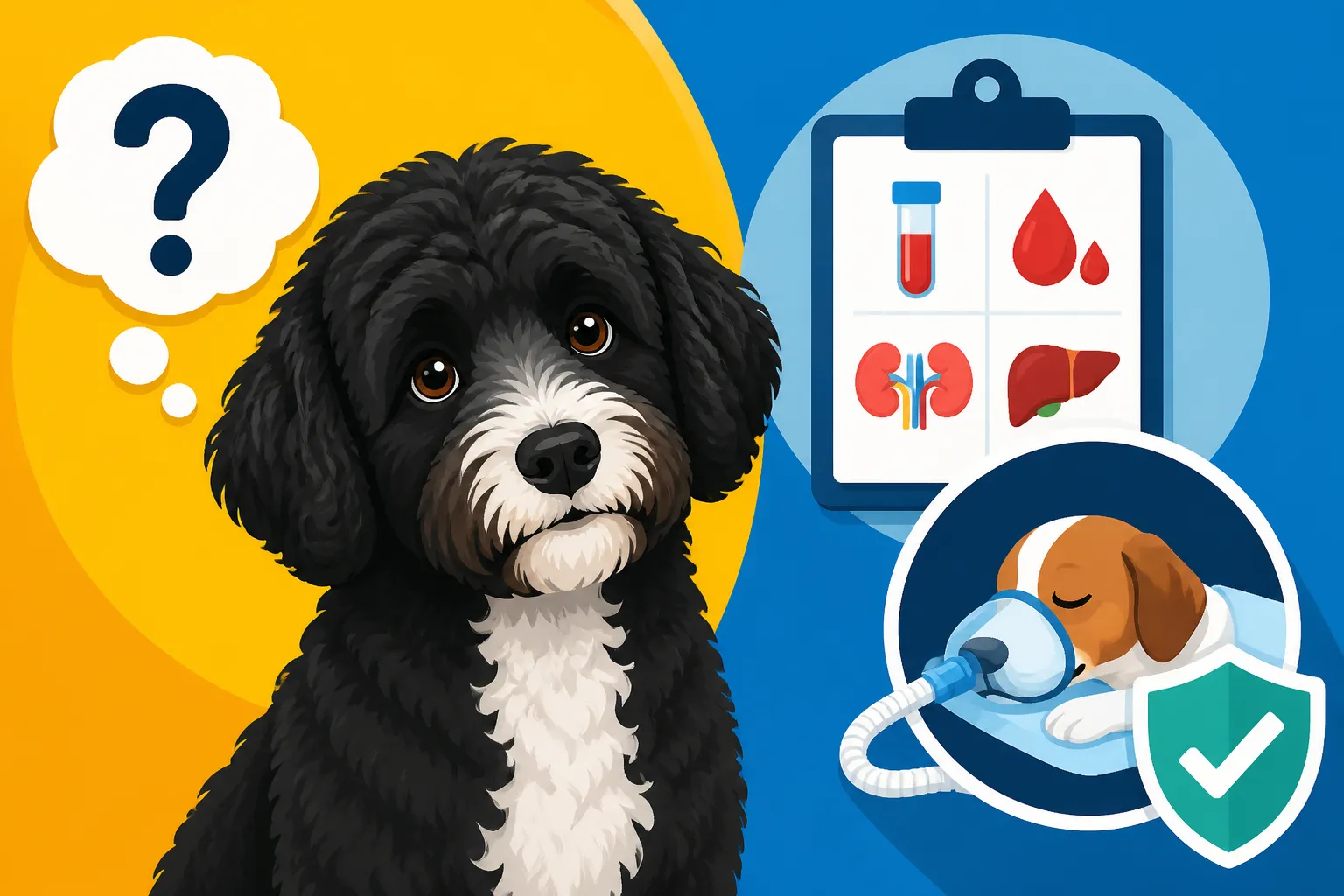
A pre-anesthetic panel is essentially a mini health check-up, specifically designed to evaluate your Portuguese Water Dog's fitness for anesthesia. It's usually a combination of blood tests, and sometimes a urinalysis, that gives your vet a detailed picture of what's happening inside. It’s not just about looking for illness, but establishing a baseline of health so any deviations during or after the procedure can be identified quickly.
The Bloodwork Basics: Kidney and Liver Function
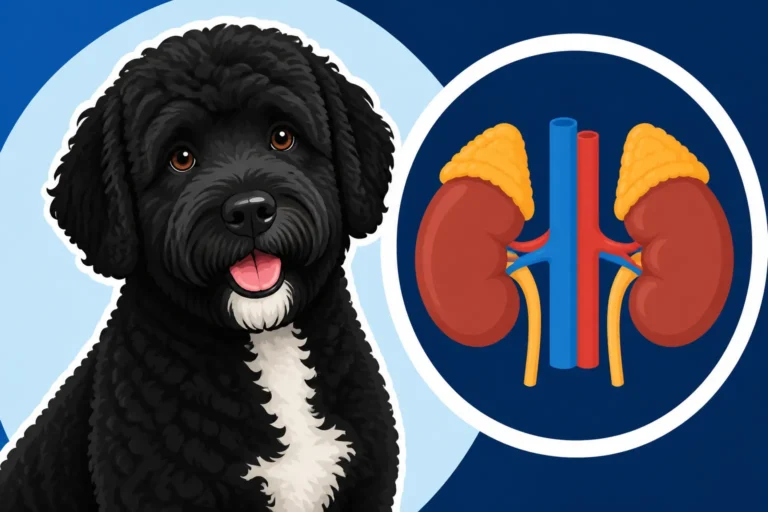
Two of the most critical components of any pre-anesthetic blood panel are tests for kidney and liver function. Why are these so important? Well, your Portuguese Water Dog's liver is primarily responsible for metabolizing the anesthetic drugs, breaking them down so they can be eliminated from the body. If the liver isn't functioning optimally, these drugs can linger in the system longer, leading to prolonged recovery times or more severe side effects. Imagine trying to process a heavy meal when your digestive system is already sluggish – it's a similar concept.
The kidneys, on the other hand, are the primary route for excreting these metabolized drugs from the body. If your Portuguese Water Dog's kidneys are compromised, the drugs can build up, potentially becoming toxic. Tests like BUN (Blood Urea Nitrogen) and Creatinine evaluate kidney function, while ALT (Alanine Aminotransferase) and ALKP (Alkaline Phosphatase) give insight into liver health. Even mild elevations can signal a need for caution or adjustments to the anesthetic protocol, ensuring your PWD has the best chance at a smooth procedure and recovery. These tests form a critical part of What a Portuguese Water Dog's Yearly Bloodwork Should Cover in general, not just pre-anesthesia.
Beyond the Basics: Red Blood Cells, Platelets, and Glucose
While kidney and liver values are paramount, a comprehensive pre-anesthetic panel typically includes several other vital measurements. A Complete Blood Count (CBC) provides information about your Portuguese Water Dog's red blood cells, white blood cells, and platelets. Red blood cells carry oxygen, crucial for tissues during and after anesthesia. Anemia, or a low red blood cell count, could lead to oxygen deprivation, making anesthesia much riskier.
Platelets are essential for blood clotting. If your Portuguese Water Dog has a low platelet count or a clotting disorder, there's an increased risk of excessive bleeding during surgery. White blood cells are part of the immune system, and abnormalities can indicate infection or inflammation, which could complicate recovery. Finally, a glucose (blood sugar) reading is important because very low or very high levels can impact how your dog handles stress and metabolizes drugs. Catching these issues beforehand allows the vet to make informed decisions and prepare for any potential complications.
Why a Portuguese Water Dog's Heart Needs a Cardiologist and Not a Vet and the Importance of Cardiac Screening
For a breed as active and predisposed to certain conditions as the Portuguese Water Dog, specific cardiac screening might be recommended, sometimes even beyond the standard pre-anesthetic panel, especially for older dogs or those with a history of heart murmurs. While a veterinarian will always listen to your dog's heart, they may recommend a consultation with a veterinary cardiologist for a more in-depth assessment. This is particularly true if your vet detects a new murmur or suspects an underlying heart condition.
An echocardiogram, which is essentially an ultrasound of the heart, can provide detailed information about heart structure and function. For a breed like the Portuguese Water Dog, which can be prone to certain heart issues, this extra step can be invaluable in ensuring anesthesia is as safe as possible. Knowing the full picture of your PWD’s cardiac health means the veterinary team can choose the safest anesthetic agents and monitoring protocols. You might be surprised at What an Echocardiogram Costs on a Portuguese Water Dog, but the peace of mind can be priceless.
Is it Absolutely Necessary for Every Portuguese Water Dog?
This is a question many owners grapple with, often looking at the additional cost and wondering if it's truly essential for their seemingly healthy dog. While a veterinarian will always make a recommendation based on individual factors, the general consensus in modern veterinary medicine leans heavily towards the benefits of a pre-anesthetic panel for most animals, and especially for a robust, long-lived breed like the Portuguese Water Dog.
Puppies vs. Seniors: Different Needs, Different Panels
The necessity and scope of a pre-anesthetic panel can vary significantly depending on your Portuguese Water Dog's age and overall health. For a young, seemingly healthy puppy undergoing a routine spay or neuter, a basic panel might be recommended to catch any congenital issues or unexpected abnormalities. Puppies can sometimes have hidden liver shunts or other conditions that only bloodwork would reveal.
However, for an older Portuguese Water Dog, a comprehensive panel becomes even more critical. As dogs age, organ function can decline, and they are more susceptible to conditions like kidney disease, liver issues, or Addisons Disease Is Common in Portuguese Water Dogs. A senior PWD might also have undiagnosed thyroid issues, making a check of their thyroid levels particularly important, as discussed in When a Portuguese Water Dog's Thyroid Should Be Tested. For these dogs, a full pre-anesthetic panel is often non-negotiable, providing crucial insights that allow the veterinary team to tailor the anesthetic protocol to their specific physiological needs. If you’re caring for a PWD past the age of nine, you’ll find more insights in Caring for an Aging Portuguese Water Dog.
When the Panel is Non-Negotiable
There are certain scenarios where a pre-anesthetic panel moves from "highly recommended" to "absolutely necessary." If your Portuguese Water Dog has any pre-existing health conditions, such as diabetes, heart disease, or a history of seizures, bloodwork is crucial to ensure their condition is stable and to choose anesthetic drugs that won't exacerbate these issues. Similarly, if your dog is on any long-term medications, these can affect organ function or how they metabolize anesthetic agents, making bloodwork essential for safety.
Any dog undergoing a longer or more invasive surgical procedure would also fall into this category. The longer an animal is under anesthesia, the greater the potential stress on their organs, and the more critical it is to have a complete picture of their internal health beforehand. Without this vital information, the risks associated with anesthesia, while generally low, increase dramatically, and no loving owner wants to gamble with their cherished companion's life.
Understanding the Cost vs. Benefit
Let's be realistic: adding a pre-anesthetic panel to the cost of a procedure can sometimes feel like an extra expense, especially when you're already bracing for the main bill. However, it's essential to view this as an investment in your Portuguese Water Dog's safety and well-being. The cost of addressing an anesthetic complication that could have been prevented or mitigated by prior knowledge is almost always far greater than the cost of the diagnostic panel itself. Moreover, the emotional toll of a preventable complication is immeasurable.
Many pet insurance providers, such as Healthy Paws, recognize the value of preventative and diagnostic care. While routine wellness exams and pre-existing conditions are often not covered by new policies, the tests necessary for unexpected illnesses or accidents are typically covered once your dog is enrolled. It's always a good idea to check with your provider about What a Portuguese Water Dog Costs Over Its Lifetime and how specific diagnostic tests might factor into your coverage. Ultimately, the peace of mind that comes with knowing you've done everything possible to protect your Portuguese Water Dog during a procedure is invaluable.
What Happens When the Panel Reveals a Problem?
This is where the pre-anesthetic panel truly shines as a life-saving tool. It’s not just about getting a clean bill of health; it’s about identifying potential issues so that the veterinary team can adjust their approach, making the procedure much safer for your Portuguese Water Dog. Finding a problem beforehand means it can be addressed proactively, rather than reacting to a crisis during the procedure.
Adjusting the Anesthesia Protocol
If the pre-anesthetic panel reveals an abnormality, such as elevated liver enzymes or signs of early kidney dysfunction, your veterinary team won't simply ignore it. Instead, they will adjust the anesthesia protocol to account for these findings. This might involve choosing different anesthetic drugs that are metabolized differently or are less taxing on specific organs. For example, if kidney values are slightly off, they might choose drugs that are primarily metabolized by the liver, or vice-versa.
They might also implement additional supportive care measures, such as intravenous fluid therapy before, during, and after the procedure, to help support organ function and blood pressure. The goal is always to minimize stress on the body and ensure the safest possible experience for your Portuguese Water Dog. It truly transforms a generic anesthetic plan into a personalized, patient-specific one, drastically reducing the risks. You want to make sure your vet is confident your PWD will be one of the many cases where Whether a Portuguese Water Dog Tolerates Anesthesia is a non-issue.
Postponing or Altering the Procedure
In some cases, the findings from a pre-anesthetic panel might be significant enough to warrant postponing the procedure altogether. If, for instance, severe kidney disease is discovered, the priority shifts to treating that condition first. It would be irresponsible to proceed with elective surgery if your Portuguese Water Dog's life could be at risk due to an unmanaged internal issue. This delay allows for appropriate medical treatment to stabilize the condition, making the eventual anesthetic procedure much safer.
Sometimes, a finding might alter the procedure itself. Perhaps a mass needs to be removed, but bloodwork reveals a severe clotting issue. The veterinary team might decide to manage the clotting issue medically first, or to have specific blood products on hand during surgery. This level of preparedness, made possible by the pre-anesthetic panel, can be the difference between a routine recovery and a life-threatening complication. It's all about making informed decisions for your Portuguese Water Dog's best interest.
Proactive Health Management
Beyond the immediate safety of the anesthetic procedure, a pre-anesthetic panel can also uncover underlying health issues that your Portuguese Water Dog might have, but which haven't yet shown outward symptoms. Many diseases, particularly in their early stages, are silent and won't be obvious during a physical exam because our PWDs are so good at hiding pain. Catching these early can be incredibly beneficial for your dog's long-term health. For example, the panel might hint at a developing thyroid issue, or perhaps an early stage of Whether a Portuguese Water Dog Gets Cancer that hadn't been suspected.
This early detection allows you and your vet to begin managing the condition, potentially slowing its progression and improving your Portuguese Water Dog's quality of life for years to come. It turns a temporary diagnostic tool into a powerful long-term health management strategy. This is why many breeders insist on a full suite of genetic and health screenings, as outlined in Which Health Tests a Portuguese Water Dog Breeder Should Run, and why annual wellness screens including bloodwork are so vital throughout The Twelve to Fifteen Years a Portuguese Water Dog Gets. It's not just about a single event; it's about a lifetime of informed care.
Disclaimer
This article is for general informational purposes only and does not constitute professional advice. Laws, prices and regulations vary by location and change over time. Consult a qualified professional for guidance on your specific situation.