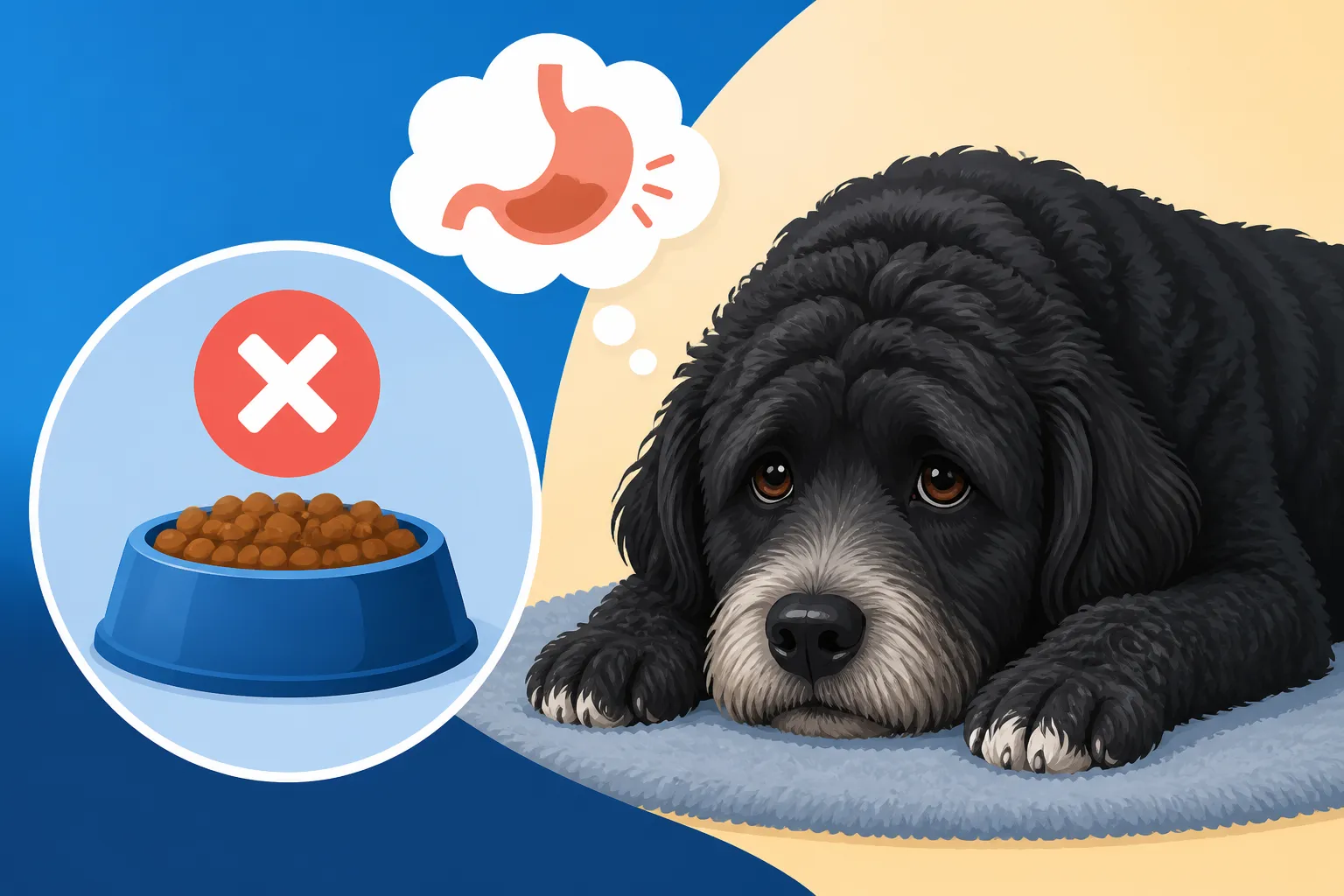
Whether an Aging Portuguese Water Dog Loses Its Appetite
It's incredibly distressing when our beloved Portuguese Water Dog, who once devoured every meal with gusto, starts turning up their nose at food as they get older. This shift can leave you feeling worried and helpless, wondering if it's just a normal part of aging or a sign of something more serious. This comprehensive guide will walk you through the various reasons an aging Portuguese Water Dog might lose its appetite and offer practical steps to support their health and comfort through their senior years.
The Nuances of Appetite in Senior Portuguese Water Dogs
As our PWDs gracefully transition into their senior years – typically starting around age nine, as discussed in The Age a Portuguese Water Dog Is Considered Senior – their bodies and needs change in subtle yet significant ways. It's not uncommon for their metabolism to slow down, their energy levels to decrease, and even their sense of smell and taste to diminish slightly. However, a significant or persistent loss of appetite is rarely "just old age" and almost always warrants attention.
Differentiating Normal Changes from Concerning Symptoms
A slight decrease in overall food intake might be normal for an older dog whose activity level has naturally reduced. For instance, if your Portuguese Water Dog, who once spent hours enthusiastically retrieving in the lake, now prefers shorter swims and more napping, their caloric needs will naturally be lower. They might not eat with the same voraciousness they did in their prime, and that can be okay, as long as they maintain a healthy body weight and energy. However, if they start skipping meals entirely, show disinterest in their favorite treats, or display sudden weight loss, it's a red flag. It’s important to monitor these changes closely, keeping in mind that How a Portuguese Water Dog's Coat Hides Weight Loss can make it tricky to spot changes early. You need to feel their ribs under that magnificent coat to get a true sense of their condition.
Sensory Decline and Its Impact on Eating
One often overlooked factor in appetite changes is the natural decline in sensory perception. Just like humans, senior dogs can experience a dulling of their senses. Their sense of smell, which plays a crucial role in how dogs perceive food, might not be as sharp as it once was. This means that even their favorite kibble might not smell as enticing, making them less enthusiastic about eating. Similarly, changes in their taste buds could make once-delicious foods seem bland. Imagine trying to enjoy your favorite meal if it suddenly tasted like cardboard – it’s a similar challenge for our aging canine companions. Sometimes, simply warming up their food slightly to enhance its aroma can make a world of difference.
Underlying Health Conditions Affecting a Senior PWD's Hunger
While it's easy to attribute appetite loss to "just getting old," it's crucial to understand that it’s often a symptom of an underlying health issue. Many conditions common in aging Portuguese Water Dogs can directly impact their desire or ability to eat. Regular vet check-ups, as outlined in How Often a Portuguese Water Dog Needs a Wellness Exam, become even more critical during these years.
Dental Disease and Oral Discomfort
This is probably one of the most common, yet frequently missed, reasons a senior dog stops eating. Imagine having a searing toothache and trying to crunch down on dry kibble. It's simply too painful. As Portuguese Water Dogs age, they are prone to dental issues like periodontal disease, broken teeth, gum infections, and even oral tumors. These problems can make chewing incredibly uncomfortable or even impossible. A dog might approach their food bowl, eager to eat, only to back away after the first painful bite. You might notice them dropping food, chewing on one side of their mouth, or excessive drooling. Sometimes, a thorough dental exam under anesthesia is the only way to truly assess the extent of the damage.
Gastrointestinal Upset and Digestive Issues
An aging digestive system can become less efficient, leading to chronic or intermittent gastrointestinal upset. Conditions like inflammatory bowel disease, pancreatitis, or even simple indigestion can make a dog feel nauseous or cause abdominal pain, leading to a refusal to eat. Your PWD might show signs like vomiting, diarrhea, bloating, or a general reluctance to move after eating. Sometimes, dietary changes to a more easily digestible food, or adding probiotics, can help soothe their gut. It's a fine balance, because while we want them to eat, introducing new foods too quickly can sometimes exacerbate an already sensitive stomach.
Organ System Decline: Kidneys, Liver, and Heart
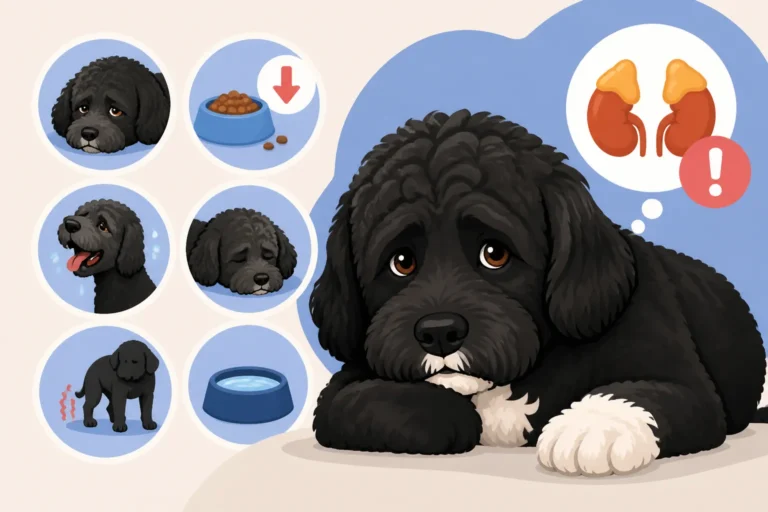
As Portuguese Water Dogs age, their vital organs can start to show wear and tear. Kidney disease is particularly common in older dogs, and a buildup of toxins in the blood can lead to nausea and a metallic taste in the mouth, severely dampening appetite. Similarly, liver disease can cause widespread metabolic disturbances that impact hunger. Even heart conditions, which can be a concern for Portuguese Water Dogs (though Whether a Portuguese Water Dog's Heart Needs a Cardiologist and Not a Vet might be a consideration for specific issues), can lead to fluid retention, reduced energy, and overall malaise, all of which contribute to a decreased interest in food. Regular blood work, as described in What a Portuguese Water Dog's Yearly Bloodwork Should Cover, is essential for catching these issues early.
Pain and Arthritis
Chronic pain, especially from arthritis, can significantly reduce a senior PWD's appetite. If it hurts to stand, walk to the food bowl, or even simply get into a comfortable position to eat, they might just give up. Even subtle pain, which How a Portuguese Water Dog Hides Pain explains they are adept at concealing, can be a deterrent. A dog might be too uncomfortable to fully relax and enjoy their meal. Joint supplements, anti-inflammatory medications, or even physical therapy can make a huge difference in their comfort levels and, consequently, their willingness to eat. Consider if your dog is also showing signs of Whether an Aging Portuguese Water Dog Loses Muscle, which can be related to pain and reduced activity.
Cancer and Other Diseases
Sadly, cancer becomes a more prevalent concern as dogs age. Many types of cancer can cause systemic illness, leading to weight loss and appetite suppression. Other diseases like Addison's disease (which is common in Portuguese Water Dogs, as highlighted in Addisons Disease Is Common in Portuguese Water Dogs), hypothyroidism, or even diabetes can manifest with changes in appetite. This is why a thorough veterinary examination, including blood tests and possibly imaging, is so important when appetite loss is unexplained.
Practical Strategies for Encouraging Your Senior PWD to Eat
Once your veterinarian has ruled out or is treating any underlying medical conditions, there are many practical things you can do at home to entice your senior Portuguese Water Dog to eat. It often requires a bit of creativity and patience.
Making Food More Appealing
Think about what makes food attractive to us: smell, texture, and taste. The same applies to our dogs.
- Warm it up: Gently warming canned food or adding a bit of warm water or low-sodium broth to kibble can release its aroma, making it much more appealing to a dog with a dulled sense of smell.
- Add flavor boosts: A spoonful of plain yogurt, cottage cheese, cooked chicken (shredded), or even a little bit of canned pumpkin (pure pumpkin, not pie filling) can make food more palatable. Just be sure to introduce new additions slowly and ensure they are safe for dogs.
- Consider texture changes: If dental pain is a factor, even after treatment, soft food might be easier to manage. This could be canned food, rehydrated kibble, or even a homemade bland diet (always consult your vet first). As mentioned in Whether an Aging Portuguese Water Dog Needs Softer Food, this can be a simple yet effective solution.
- Rotate foods: Some older dogs develop "food fatigue." Offering a variety of high-quality foods, or rotating between a couple of different brands or flavors, might keep things interesting for them.
Creating a Conducive Eating Environment
The "when" and "where" of mealtime can also influence a senior dog's appetite.
- Quiet, calm space: Ensure your PWD eats in a quiet, undisturbed area away from foot traffic, other pets, or loud noises. Stress can suppress appetite.
- Comfortable height: If your dog has arthritis or neck pain, bending down to a floor-level bowl might be uncomfortable. An elevated food bowl can make eating much more pleasant.
- Scheduled meals vs. free-feeding: Many senior dogs do better with two or three smaller meals throughout the day rather than one or two large ones. If they’ve been free-fed their whole life, transitioning to scheduled meals can create a sense of anticipation and encourage eating. Remove any uneaten food after 15-20 minutes to prevent it from going stale and to teach them that food isn't always available.
Hydration and Appetite
Sometimes, a dog isn't eating because they are also dehydrated or simply don't feel well. Ensuring they have constant access to fresh, clean water is paramount. If they aren't drinking enough, you can add water or broth to their food, offer ice cubes (if they like them), or even use a pet drinking fountain to encourage more sips. Good hydration supports overall health and can sometimes indirectly help stimulate appetite.
Here's a quick summary of common issues and potential solutions:
| Common Appetite Issue in Senior PWDs | Potential Underlying Causes | Veterinary Intervention | At-Home Strategies |
|---|---|---|---|
| Reluctance to chew/painful eating | Dental disease, oral tumors, jaw pain, arthritis | Dental cleaning, extractions, pain medication, anti-inflammatories, tumor biopsy/removal | Soften food, elevate bowls, warm food, bland diet, pain management (vet-prescribed) |
| Nausea/vomiting/diarrhea | Kidney/liver disease, pancreatitis, IBD, medications, cancer | Diagnostics (blood work, ultrasound), anti-nausea meds, appetite stimulants, specific diet | Bland diet, small frequent meals, warmed food, ensure hydration |
| General disinterest in food | Decreased smell/taste, cognitive decline, chronic pain, depression | Full physical exam, blood work, medication review, pain assessment | Enhance aroma/flavor, rotate foods, quiet eating space, elevated bowls |
| Sudden refusal of all food | Acute illness, severe pain, foreign body, advanced disease | Emergency vet visit, immediate diagnostics, hospitalization, surgery | Do NOT force feed; seek vet care immediately |
Knowing When It's Time for Professional Help
It’s tempting to try everything at home when your furry family member isn't eating, but there's a point where a DIY approach can delay critical care. As a responsible Portuguese Water Dog owner, knowing when to call the vet is vital.
When to Seek Immediate Veterinary Attention
If your aging Portuguese Water Dog suddenly stops eating completely for more than 24 hours, especially if accompanied by other symptoms like vomiting, diarrhea, lethargy, or difficulty breathing, you need to contact your veterinarian immediately. These could be signs of an acute and severe health crisis that requires urgent medical intervention. Do not wait to see if they "get better on their own." Pet insurance providers like Healthy Paws can be a lifesaver in these unexpected emergency situations, helping to cover the costs of diagnostics and treatment.
Preparing for Your Vet Visit
When you notice changes in your PWD's appetite, it’s helpful to keep a detailed log before your vet visit. Note down:
- When the changes started: Was it sudden or gradual?
- What they are eating: Any specific foods they refuse or reluctantly accept? Any treats they still go for?
- Other symptoms: Are they drinking more or less? Vomiting? Diarrhea? Lethargic? Any changes in their potty habits or behavior, like increased Deafness in an Aging Portuguese Water Dog making them more disoriented?
- Medications: List all medications and supplements they are currently taking.
- Weight: If you can, weigh them weekly to track any loss.
This detailed information will provide your vet with valuable clues to help diagnose the underlying issue. They might start with a thorough physical exam, blood work, and possibly urinalysis to get a baseline on organ function. Depending on the initial findings, further diagnostics like X-rays, ultrasound, or even specific disease tests might be recommended.
Long-Term Management and Support
For many senior Portuguese Water Dogs, appetite changes are a part of managing chronic conditions. Your veterinarian might prescribe appetite stimulants, anti-nausea medications, or specific therapeutic diets. They might also recommend supplements to support joint health or cognitive function, which can indirectly improve appetite by making your dog feel more comfortable and engaged. Staying proactive with regular check-ups, even if your dog seems fine, can help catch issues early. This includes considering specialized care plans as your dog goes through What Changes in a Portuguese Water Dog After Nine, making sure you're always aligned with their evolving needs.
Remember, seeing your aging Portuguese Water Dog lose their zest for food is tough, but with a bit of detective work, veterinary partnership, and a lot of love, you can help them navigate these changes and continue to enjoy their meals and their golden years. Having pet insurance, like a comprehensive plan from Healthy Paws, can provide significant peace of mind when it comes to managing the ongoing healthcare needs of your senior companion, ensuring you can always make decisions based on what’s best for them, not just your budget. For further reading on overall senior care, check out Caring for a Portuguese Water Dog Past Nine.
Disclaimer
The information provided in this guide is for general educational purposes only and should not be considered a substitute for professional veterinary advice. Always consult with a qualified veterinarian for any health concerns or before making any decisions related to your pet's medical care.