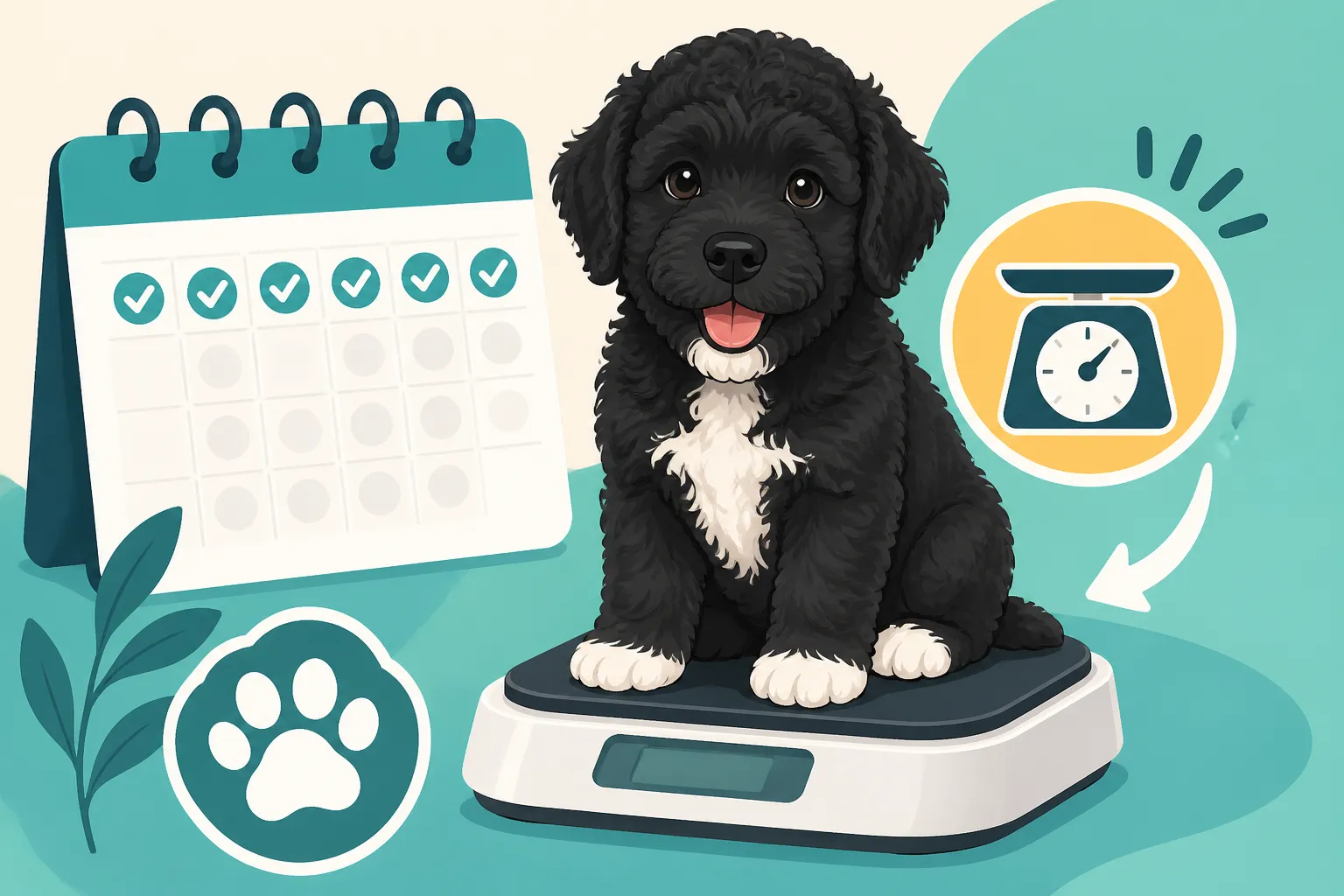
Weighing a Portuguese Water Dog Puppy Every Week
Bringing a new Portuguese Water Dog puppy home is an incredibly exciting time, but it also comes with a host of responsibilities, and among the most crucial is ensuring your little companion is growing and thriving. It can be surprisingly tricky to gauge a puppy's health just by looking at them, especially with their famously thick, curly coats, which can easily hide changes in body condition. This comprehensive guide will walk you through the why and how of weighing your Portuguese Water Dog puppy every week, explaining what to look for, and when those numbers might be signaling something important.
The Indispensable Value of Weekly Weigh-ins for Portuguese Water Dog Puppies
Consistent, weekly weigh-ins for your Portuguese Water Dog puppy aren't just a chore; they are one of the most proactive and effective ways you can monitor their health and development. This simple habit provides a tangible, measurable data point that can give you peace of mind or, critically, alert you to potential issues long before other symptoms become obvious. Think of it as your puppy’s personal growth report card, updating weekly to keep you informed.
Early Detection of Health Issues
Imagine your energetic PWD puppy, always on the go, playing tug-of-war with a rope toy or splashing enthusiastically in a shallow water dish. If they suddenly start to feel under the weather, their inherent zest for life might make it difficult for you to notice subtle changes in their activity level or appetite. That's where the weekly weigh-in becomes a game-changer. A sudden plateau or, even worse, a drop in weight, especially in a young, growing puppy, is a significant red flag. This objective data can signal anything from a minor tummy upset to something more serious, like parasites or an underlying illness that might not yet be presenting with overt symptoms. It provides a concrete prompt to call your vet and investigate, potentially catching issues like Juvenile Dilated Cardiomyopathy Kills a Portuguese Water Dog Puppy Fast or GM1 Gangliosidosis and the Portuguese Water Dog Puppy That Never Reaches Six Months early, even if the puppy still looks normal.
Beyond acute illnesses, a consistent lack of adequate weight gain can also point to chronic issues. Perhaps their food isn't providing the right nutrients, or there's an absorption problem. The numbers on the scale don't lie, and they offer an undeniable piece of evidence that something isn't quite right, compelling you to seek veterinary advice before a small problem becomes a much larger, more complicated one. This proactive approach is essential for a breed like the Portuguese Water Dog, known for its robustness but still susceptible to certain conditions.
Tracking Growth Milestones
Portuguese Water Dogs are a medium-to-large breed, and their growth trajectory from a tiny fluff ball to a robust adult is quite impressive. Monitoring their weight weekly allows you to track their progress against expected growth curves for the breed. While every puppy is an individual, there are general guidelines for What a Portuguese Water Dog Puppy Should Weigh by Month, and staying within these ranges indicates healthy development. This isn't just about size; it's about proper skeletal and muscular development.
Knowing your puppy is consistently gaining weight, even if it's a slow and steady climb rather than a dramatic leap, provides reassurance that they are hitting their developmental milestones. This is especially important during the rapid growth phases. If you notice your puppy is consistently falling below the expected weight range, it might indicate they aren't getting enough calories, or perhaps there's an underlying issue impacting their ability to utilize nutrients. Conversely, excessive weight gain can also be a concern, potentially putting undue stress on developing joints.
Adjusting Nutrition and Care
A puppy's nutritional needs change rapidly as they grow, and their weekly weight is your best guide for adjusting their food portions. What might have been adequate last week could be too little this week as they sprout. This is particularly true for an active breed like the Portuguese Water Dog, which burns a lot of calories just being a puppy. Many premium puppy foods, such as those from brands like Orijen or Purina Pro Plan, provide feeding guidelines based on age and weight, but these are just starting points. Your puppy’s individual metabolism and activity level will dictate the true amount needed.
If your puppy is consistently gaining weight too slowly, or even losing it, the first thing to consider (after ruling out illness with your vet) is their caloric intake. You might need to increase their food slightly or switch to a more nutrient-dense formula, especially if they are very active. On the flip side, if your puppy is gaining weight too quickly and starting to look a bit portly, you'll want to carefully reduce their food to prevent them from becoming overweight, which can predispose them to joint issues later in life. Remember that How a Portuguese Water Dog's Coat Hides Weight Loss or gain, making visual assessment difficult. Weekly weigh-ins provide the precise data needed to make these critical dietary adjustments, ensuring your puppy receives optimal nutrition for healthy development.
How to Accurately Weigh Your Portuguese Water Dog Puppy
Accurately weighing a wriggly, curious Portuguese Water Dog puppy might sound like a task worthy of an Olympic medal, but with the right tools and a bit of patience, it’s completely manageable. The key is consistency in your method to ensure the data you collect is reliable and truly reflective of your puppy's growth.
Choosing the Right Scale
For very young puppies, especially those under 10-15 pounds, a simple kitchen scale or a baby scale works wonderfully. These scales are designed for precise measurements of small, often moving, subjects and usually read in ounces or grams, giving you very fine-grained data. As your Portuguese Water Dog puppy grows, they will quickly outgrow these smaller scales. Before you know it, that tiny puppy will be a substantial ~20-30 pound youngster, requiring a different approach.
For larger puppies and eventually adult Portuguese Water Dogs, a dedicated pet scale or even a standard bathroom scale can be used. If using a bathroom scale, you'll want to employ the "weigh yourself, then weigh yourself holding the puppy" method. Just make sure your scale is accurate and that you subtract your weight consistently. Some folks even invest in a small, portable veterinary scale, which can be a fantastic long-term investment for a multi-dog household or if you're particularly keen on precise tracking. The most important factor, regardless of the type, is that the scale is reliable and that you use the same one each week to minimize measurement variance.
Step-by-Step Weighing Process
Once you have your scale, establish a routine. Pick a consistent day and time each week – for example, every Saturday morning before breakfast. This helps minimize variables like a full stomach or recent activity affecting the reading.
- Prepare the Scale: If using a baby or kitchen scale, place a towel or non-slip mat on it. This not only makes the surface more comfortable and secure for your puppy but also helps contain any little "accidents." If using a bathroom scale with the "hold the puppy" method, ensure it's on a hard, flat surface.
- Calm Your Puppy: A calm puppy is an easier-to-weigh puppy. Choose a quiet moment when your PWD puppy isn't overly excited or tired. You might make it a positive experience with a few cheerful words or a small, healthy treat.
- Place on Scale (Small Puppy): Gently place your puppy onto the scale. Keep your hands hovering close by for safety, but try not to touch them once they are settled, as this will affect the reading. Wait for the reading to stabilize.
- Weigh with Puppy (Larger Puppy): Step onto the bathroom scale yourself and note your weight. Then, pick up your puppy and step onto the scale again. Subtract your weight from the combined weight to get your puppy’s weight. Ensure your puppy is held still and safely throughout this process.
- Record Immediately: As soon as you have the reading, jot it down. Don't rely on memory!
This consistent approach ensures that each week you're getting the most accurate snapshot of your puppy's growth.
Recording and Interpreting Data
The act of weighing is only half the battle; the real value comes from consistent record-keeping and understanding what the numbers mean. Create a simple chart or use a dedicated app to track your puppy's weight. Include columns for the date, the puppy's age in weeks, and their weight in pounds and ounces (or kilograms and grams if that’s your preference).
| Date | Puppy's Age (Weeks) | Weight (lbs & oz) | Notes (e.g., vet visit, new food) |
|---|---|---|---|
| Jan 1, 2024 | 8 | 10 lbs 2 oz | Just home! |
| Jan 8, 2024 | 9 | 11 lbs 0 oz | Eating well |
| Jan 15, 2024 | 10 | 12 lbs 3 oz | Vaccinations today |
| Jan 22, 2024 | 11 | 12 lbs 15 oz | Slight upset tummy this week |
| Jan 29, 2024 | 12 | 13 lbs 10 oz | Back to normal |
Over time, this chart will reveal a clear growth curve. What you're looking for is a steady, upward trend. A sudden spike might indicate an inaccurate reading, while a dip or a flatline for more than a week or two should prompt a closer look and potentially a call to your veterinarian. Remember, puppies should be gaining, not losing or maintaining, weight. These records are also incredibly valuable to share with your vet during check-ups, as they provide a clear, objective history of your puppy's development. This data can also help inform discussions about The Vaccination Schedule a Portuguese Water Dog Puppy Needs and other health interventions.
What to Look For in Your Puppy's Weight Chart
Once you've diligently recorded your Portuguese Water Dog puppy's weight each week, the next step is understanding what those numbers are telling you. It's not just about seeing a number; it's about interpreting the trends and recognizing when those trends warrant action.
Healthy Growth Rates
A healthy Portuguese Water Dog puppy, particularly during their first few months, should be gaining weight consistently. We're talking about a steady upward trajectory on your chart. In the very early weeks, a PWD puppy might gain anywhere from 1-2 pounds per week, sometimes more, depending on their starting size and individual growth curve. This rapid growth phase usually lasts until they are around 4-6 months old, after which the rate of gain might slow down but should still continue upwards until they reach their adult size, typically between 12-18 months.
The exact numbers can vary widely based on individual genetics, whether they are a male or female, and their eventual adult size. For instance, a male PWD generally matures larger and heavier than a female. What’s most important is the pattern of consistent gain. If you see a week where the gain is less, but the next week it picks back up, that might be a normal fluctuation. However, if the pattern of slow gain or plateauing persists for two weeks or more, it’s time to pay close attention. Consulting resources on What a Portuguese Water Dog Puppy Should Weigh by Month can give you a general benchmark, but remember these are averages, and your puppy's unique curve is what matters most.
Red Flags and When to Worry
While minor fluctuations can occur, there are definite red flags that should prompt immediate concern and a call to your veterinarian. The most significant red flag is any actual weight loss. A puppy that is losing weight is experiencing a serious issue that needs professional attention without delay. Even a plateau for more than a week, especially in a young puppy, is a significant concern. Puppies are wired for growth; if they aren't growing, something is impeding that natural process.
Other warning signs include a drastically slower rate of gain compared to previous weeks, particularly if accompanied by other subtle changes like lethargy, decreased appetite, or changes in stool consistency. Remember, Signs a Portuguese Water Dog Puppy Is Not Thriving can be very subtle initially. Don't wait until your puppy is obviously sick. If your gut tells you something is off, trust it. Your weekly weigh-ins provide the data to back up that gut feeling, making your vet visit more productive. When you have a solid record, your vet, like those covered by a comprehensive pet insurance plan from a provider such as Healthy Paws, will have a clearer picture of the issue.
Understanding Normal Fluctuations
It’s easy to get anxious over every tiny bump and dip in a puppy’s weight chart, but it's important to differentiate concerning trends from normal, minor fluctuations. Puppies, just like humans, can have slight variations in weight day-to-day. A particularly active day, a slightly smaller meal, or even just going to the bathroom before their weigh-in can cause a minor dip. This is why consistency in your weighing routine (same time, same conditions) is so important.
If your puppy gained 1.5 lbs last week and only 1.2 lbs this week, but still looks and acts perfectly healthy, that's likely within a normal range. What you're looking for are sustained trends. One week of slower gain is probably nothing; two weeks might warrant closer observation; three weeks or more of a plateau or loss is definitely time for a vet visit. It's about the bigger picture and the overall upward movement, not necessarily every single gram. Keep observing their overall demeanor, energy levels, and appetite, which are crucial contextual clues.
Beyond the Scale: Other Indicators of Puppy Health
While weekly weigh-ins are a fantastic tool, they are just one piece of the puzzle when it comes to assessing your Portuguese Water Dog puppy's overall health. A truly holistic view requires combining this objective data with keen observation of their behavior, appearance, and regular veterinary check-ups.
Appetite and Energy Levels
Your puppy's appetite and energy are incredibly telling indicators of their well-being. A healthy PWD puppy is typically a ravenous one, tackling their food with gusto. They should also be bundles of energy, eager to play, explore, and engage with their environment. If you notice a sudden decrease in appetite, they're leaving food in their bowl, or they're unusually sluggish and uninterested in play, these are significant red flags.
Even if their weight hasn't dropped dramatically yet, changes in these areas can precede weight loss. A puppy that's not eating enough won't gain weight properly, and one that's lethargic might be fighting off an illness. Observe if these changes are persistent or just a one-off. For example, a puppy might be a little less energetic right after receiving their vaccinations, which is often normal. However, if it lasts more than a day or two, or if it's accompanied by other symptoms, it’s time to call your vet. These observations complement your weight chart, helping you understand the 'why' behind any numbers you see.
Coat Condition and Overall Demeanor
The iconic Portuguese Water Dog coat is not just beautiful; it can also offer clues about their health. A healthy PWD puppy should have a shiny, soft, and vibrant coat that feels good to the touch. It should also be free of excessive dandruff, bare patches, or a dull, dry appearance. While Whether a Portuguese Water Dog's Coat Thins With Illness isn't always immediately obvious, a generally poor coat condition can sometimes point to nutritional deficiencies or underlying skin issues, which might also impact overall growth and health.
Beyond their coat, pay attention to their eyes, nose, and gums. Bright, clear eyes, a moist (but not runny) nose, and pink gums are all signs of good health. Your puppy's overall demeanor should be alert, curious, and responsive. Are they interacting normally with you and their environment? Do they seem comfortable, or are they hiding, whimpering, or showing signs of pain or discomfort? Any significant deviation from their usual happy, active self, combined with unusual weight trends, should prompt a veterinary consultation.
Regular Vet Check-ups
No amount of diligent at-home monitoring can replace the expert eye of a veterinarian. Regular vet check-ups are absolutely vital for your Portuguese Water Dog puppy, particularly in their first year. These visits allow your vet to perform thorough physical examinations, check for parasites, administer necessary vaccinations, and discuss proper nutrition and care. They can assess your puppy's growth, listen to their heart and lungs, and examine their developing joints.
Your vet will also compare your puppy's weight and growth against breed standards and their own clinical experience. Bringing your meticulously kept weight chart to these appointments provides your vet with invaluable historical data, allowing them to spot trends or confirm concerns more readily. These routine visits are also the perfect opportunity to discuss any concerns you might have about your puppy's behavior, diet, or specific breed-related health issues. A good relationship with your vet is paramount, and having a reliable pet insurance plan, such as one from Healthy Paws, can help ensure you can always afford the best care for your pup without financial stress. Don't hesitate to reach out to them if you see Signs a Portuguese Water Dog Puppy Is Not Thriving or have any lingering worries. It's better to be safe than sorry, and early intervention is often key to a positive outcome. Consider also their recommendation for Whether a Portuguese Water Dog Puppy Should Be Vet Checked at Eight Weeks to ensure a healthy start.
Disclaimer
The information provided in this article is for general informational purposes only and is not intended as a substitute for professional veterinary advice, diagnosis, or treatment. Always seek the advice of your veterinarian or other qualified health provider with any questions you may have regarding a medical condition.