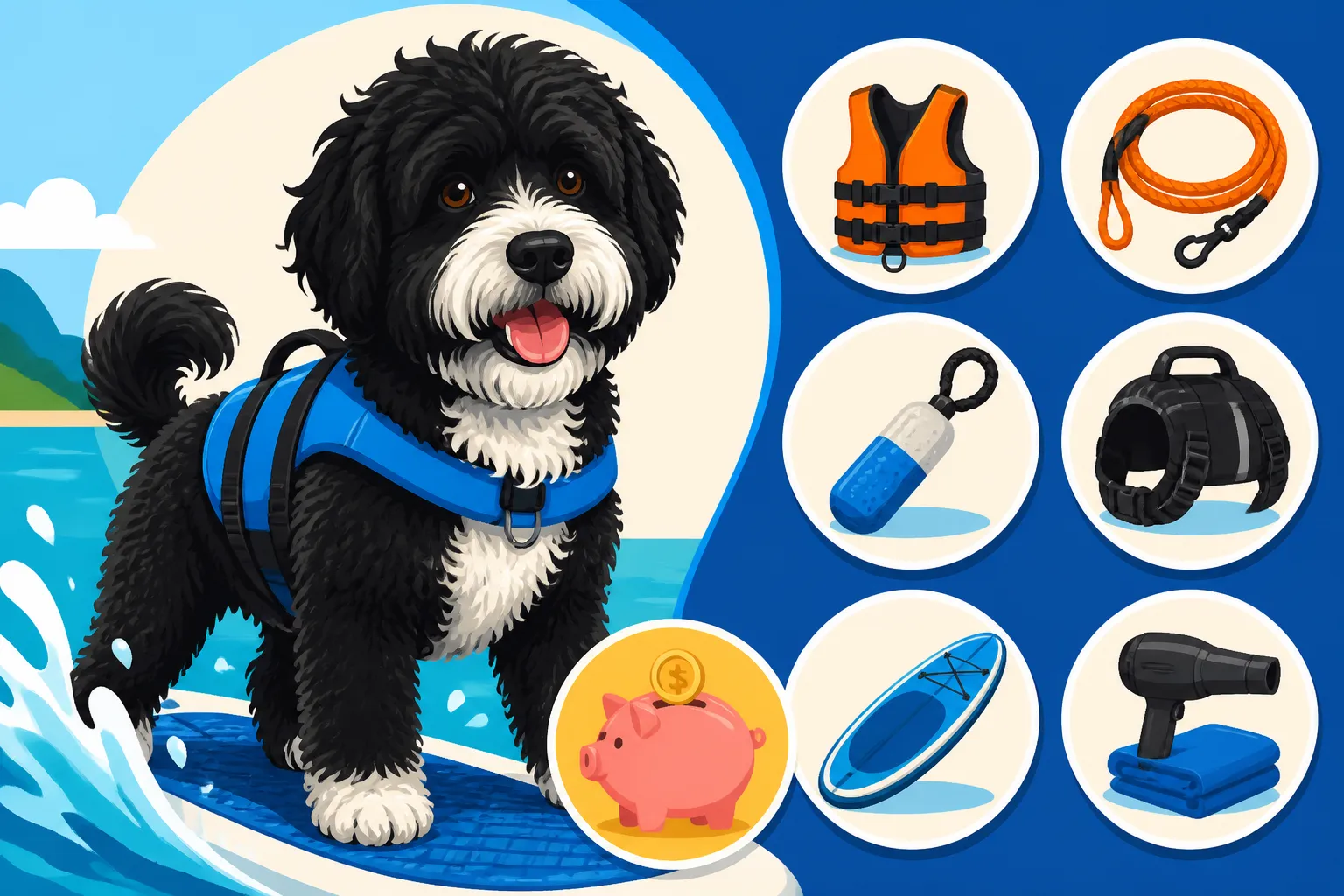
What Water Sports Cost a Portuguese Water Dog Owner
As a Portuguese Water Dog owner, you already know the profound joy and boundless energy these amazing companions bring into our lives. But let's be real, their love for water isn't just a charming quirk; it's a fundamental part of who they are, woven into their very DNA. Supporting that aquatic passion often comes with a surprising array of financial commitments, from essential gear to competitive entry fees and the all-important health maintenance. This guide aims to pull back the curtain on what water sports truly cost a Portuguese Water Dog owner, helping you budget wisely and ensure your beloved companion thrives both in and out of the water.
Understanding the Natural Drive: Why Water Sports Are Essential for Your PWD
It’s easy to look at a Portuguese Water Dog joyfully splashing in a lake and think, "How cute!" But for these dogs, water isn't just a place to play; it’s a profound connection to their heritage and a vital outlet for their unique physical and mental needs. Ignoring this deep-seated drive can lead to a whole host of frustrations for both dog and owner, making dedicated water activities not just a hobby, but a necessity for their overall well-being.
The Inherent Instinct to Work in Water
Imagine a life spent on fishing boats off the coast of Portugal, diving into frigid waters to retrieve lost gear, herd fish into nets, or carry messages between vessels. That's the rich, working history of the Portuguese Water Dog. They weren't bred to be pampered lapdogs; they were working partners, indispensable members of a crew, relying on their keen intelligence, powerful bodies, and inherent love for the water to earn their keep. This isn't just a historical anecdote; it’s embedded in their genetic makeup. When you see your PWD leap into the ocean or dive for a toy, you're witnessing generations of instinct at play. Denying them this outlet is like asking a retriever not to retrieve, or a border collie not to herd—it goes against their very nature. They possess webbed feet, a rudder-like tail, and a dense, single coat that holds water, all perfectly designed for aquatic endeavors. This intrinsic drive is why they thrive when given opportunities to engage with water regularly, making structured activities or even just regular swims a key component of their happiness.
The Behavioral Impact of Insufficient Water Activity
If a Portuguese Water Dog doesn't get enough appropriate exercise and mental stimulation, especially when it comes to water work, you'll inevitably start seeing behavioral challenges surface on dry land. A bored PWD is a creative PWD, and that creativity often manifests in ways you probably won't appreciate. This can range from excessive barking at every squirrel, leaf, or passing car to destructive chewing of furniture, shoes, or even door frames. Imagine coming home to a house where your couch has been de-stuffed because your PWD decided to "herd" the cushions. Without the physical exertion and mental engagement that water sports provide, they become restless, anxious, and can develop separation anxiety. They might start to pull relentlessly on the leash during walks, demand constant attention, or even develop obsessive behaviors. Many owners describe their Portuguese Water Dog as having a "go button" and an "off button," but if that "go button" is constantly pressed without an outlet, the "off button" simply doesn't work. Providing regular, vigorous water exercise helps them burn off that incredible energy and satisfies their instinctual need to work, leading to a much calmer, more manageable companion in the home. It’s an investment in their happiness and your sanity.
Initial Investments for Basic Water Access
Getting started with even basic water activities requires a few upfront purchases to ensure safety and comfort for your PWD, and protection for your car and home. First and foremost, a well-fitting dog life jacket is non-negotiable, especially for open water, new swimmers, or during long sessions. Even though PWDs are natural swimmers, currents, fatigue, or sudden changes in water conditions can pose risks. Quality life jackets come in various sizes and buoyancy levels, and while you might find cheaper options, investing in one that is durable, visible, and fits snugly without chafing is paramount. Brands like Kurgo or Ruffwear offer excellent options that last. Beyond the jacket, you'll need practical items for transport. If you're driving to a lake or beach, a waterproof car seat cover or a heavy-duty crate liner is essential. A wet PWD can quickly drench and mud up your vehicle's interior. You might also want a specialized dog ramp for getting in and out of boats or higher vehicles, especially as your dog ages. Then there are the smaller, but equally important, accessories: absorbent towels specifically for dogs (microfiber towels work wonders), a good quality long leash for training recalls near water, and durable floating toys that are easy for your dog to spot and retrieve. These initial investments lay the groundwork for safe and enjoyable water experiences, proving that even "free" swimming isn't entirely free.
Basic Water Fun: Swimming and Recreational Play Costs
For many Portuguese Water Dog owners, the journey into aquatic adventures begins with simple, joyful swims. Whether it’s a local lake, a community pool, or the vast ocean, these recreational activities are the cornerstone of a happy PWD’s life. However, even casual splashing comes with its own set of considerations and costs, both in terms of equipment and ongoing maintenance. It’s about more than just showing up at the water's edge; it's about making sure your dog is safe, clean, and healthy through it all.
Equipping Your Portuguese Water Dog for Casual Swims
Beyond the essential life jacket, there's a whole world of gear designed to make casual swims safer and more enjoyable for your Portuguese Water Dog, while also protecting your property. Think about quick-drying, durable harnesses that won't rub or chafe when wet, especially if you need to guide your dog in or out of the water. Investing in high-visibility floating toys, like those from Chuckit! or Kong, is a smart move, as they're easy for your PWD to see in choppy water and less likely to be lost. You'll also need a dedicated set of towels for your dog – microfibre ones are incredibly absorbent and cut down drying time significantly. Many owners also invest in portable rinse kits or collapsible water bowls for on-the-go hydration and a quick rinse after a salty ocean swim or a muddy lake adventure. To protect your car from a soaking-wet, potentially sandy PWD, robust seat covers or cargo liners are essential. Some owners even opt for a portable dog shower that plugs into a car's 12V outlet, which can be a game-changer for keeping the mess contained. These items, though seemingly small, collectively contribute to a smoother, cleaner, and ultimately more enjoyable experience for both you and your water-loving companion.
Accessing Water: Public Spots vs. Private Options
The cost of merely accessing water for your Portuguese Water Dog can vary dramatically based on your location and preferences. Public access points, like dog-friendly beaches, lakes, or rivers, are often free, but they come with their own set of considerations. You might need to purchase a park pass for entry, or be prepared for longer drives, increasing fuel costs and travel time. These areas can also be crowded, potentially requiring more vigilance regarding your dog's interactions with other dogs and people. On the other hand, private options offer more control but at a higher price point. Many dog parks now feature dedicated splash pads or swimming ponds, some of which require membership fees. Private dog clubs or boarding facilities with swimming pools often charge for single visits or offer monthly/annual memberships. If you're lucky enough to have a backyard pool, you'll need to factor in the increased chemical usage and filtration time due to dog hair and dander, not to mention the cost of pool fencing. For those living in urban areas, specialized dog swimming facilities exist, offering controlled, clean environments. These typically charge by the hour or offer package deals, which can add up quickly if your PWD is a frequent swimmer. The choice often boils down to balancing convenience, control, and your budget.
Managing Post-Swim Care Costs
One of the most significant recurring costs for a water-loving Portuguese Water Dog is the intensive post-swim care, crucial for maintaining their health and coat. Their dense, often curly or wavy coat, while fantastic for insulation in water, is also a magnet for dirt, debris, and matting. After every swim, especially in natural bodies of water, a thorough rinse is essential to remove chlorine, salt, sand, or pond scum. This means investing in a high-quality dog-specific shampoo and conditioner to prevent skin irritation and keep their coat healthy. Brands available on Chewy often have a good selection of specialized grooming products.
More critically, a wet PWD is prone to ear infections. Their floppy ears and the hair within their ear canals create a perfect moist, warm environment for bacteria and yeast to flourish. This means weekly ear cleaning with a veterinarian-approved solution, especially after swims. Learning how often a Portuguese Water Dog gets an ear infection will underscore the importance of this routine. You'll need a good ear cleaner and cotton balls, which are ongoing expenses. Many owners also invest in an ear drying solution to help evaporate moisture deep within the canal. Neglecting this can lead to painful, expensive vet visits for full-blown infections, requiring medication, diagnostics, and follow-up appointments.
Finally, drying your PWD thoroughly is paramount. Air drying can take hours and leave your dog prone to skin issues like hot spots. A force dryer is a game-changer for PWD owners, blowing out water from deep within the coat and significantly reducing drying time. While the initial cost of a force dryer can be substantial, it's a worthwhile investment that saves time, prevents matting, and safeguards skin health. These grooming and hygiene products are not one-off purchases; they are recurring necessities in the life of a water-loving Portuguese Water Dog, and vital to their long-term health and well-being.
Introduction to Organized Water Sports: Dock Diving Costs
Once your Portuguese Water Dog has mastered basic swimming and shows an undeniable enthusiasm for retrieving in water, you might find yourself drawn to the exciting world of organized water sports, with dock diving being a popular entry point. This high-energy sport, where dogs leap for distance or height into a pool from a raised dock, perfectly taps into the PWD's natural athleticism and retrieve drive. However, moving from casual splashing to competitive jumping brings a new layer of financial commitment.
Initial Gear and Training for Dock Diving
Venturing into dock diving with your Portuguese Water Dog requires more than just a love for water; it demands specific gear and training. The most crucial initial investment is often a high-quality, buoyant retrieve toy specifically designed for dock diving. These are typically brightly colored, durable, and float well, making them easy for your dog to spot and grab mid-air. You might find a great selection of these on Chewy. Beyond the toy, a good, comfortable harness is essential, not only for safety on the dock but also for guiding your dog. While some dogs are natural jumpers, many benefit from introductory dock diving classes. These classes, often offered by local training clubs or specialized facilities, teach the fundamentals, build confidence, and ensure proper technique. They can range from single-day workshops to multi-week courses, with costs varying depending on the instructor's expertise and the facility. Some places might even offer private lessons for dogs needing extra encouragement. An important consideration is a life jacket for a Portuguese Water Dog, even for a strong swimmer, as it can aid in recovery and build confidence in new environments, especially if your dog is just starting to learn how to enter the water confidently from a height. These foundational training sessions are crucial for preventing injury and fostering a positive experience, setting the stage for future success.
Event Fees and Travel Expenses
Once your PWD has the basics down, the real costs of competitive dock diving begin to accumulate with event fees and travel. Each competition typically has an entry fee per "splash" or jump, and if you're keen to maximize your dog's chances, you might enter them in multiple categories (e.g., Big Air, Extreme Vertical, Speed Retrieve). These fees can add up quickly over a weekend of competition. Beyond the entry fees, travel expenses are a significant factor. Dock diving events are held at various locations, and traveling to different venues often involves fuel costs, and potentially overnight accommodation for you and your dog. Some events are weekend-long festivals, meaning multiple nights in dog-friendly hotels or RV park fees. You'll also need to budget for food for both yourself and your active PWD, ensuring your dog maintains optimal energy levels with quality food, perhaps even from a brand like Ollie, which offers fresh, customized meals. Factor in any special equipment you might need for travel, such as a secure crate, cooling mats for hot weather, or portable shade. These cumulative costs are why many experienced dock diving enthusiasts view it as a serious financial commitment, but one they happily make for the thrill of the sport and the bond it builds with their dog.
Ongoing Maintenance for a Dock Diving Dog
The rigorous nature of dock diving means that ongoing physical maintenance is paramount for your Portuguese Water Dog, leading to specific recurring costs. The repetitive impact of jumping and landing, even in water, can put stress on joints. Many owners choose to provide daily joint supplements, containing ingredients like glucosamine, chondroitin, and MSM, to support joint health and flexibility. These are preventative measures, but they are a consistent expense. Regular veterinary check-ups become even more crucial, with a focus on musculoskeletal health. Your vet might recommend more frequent examinations or specific diagnostics like X-rays to monitor joint condition, especially for breeds known for hip dysplasia in a Portuguese Water Dog. Physical therapy or hydrotherapy sessions might even be recommended for conditioning or rehabilitation, which can be quite costly.
Nutrition also plays a critical role. A highly active dock diving PWD requires a diet rich in protein and healthy fats to fuel their performance and aid in recovery. This often means choosing premium dog foods, or even specialized performance formulas, which are generally more expensive. Brands like Ollie or high-performance kibble available on Chewy can be excellent choices, but they impact your budget. Protecting against ear infections is also a constant battle; consistent use of ear cleaner and drying solutions after every jump into the water is non-negotiable, and regular checks by your vet are key. Consider pet insurance providers like Healthy Paws, which might help mitigate the costs of unexpected injuries or chronic conditions that can arise from such an active lifestyle, though it's important to understand what their policies cover for sports-related issues. These maintenance costs are essential investments to keep your dock diving PWD healthy, happy, and performing at their best for years to come.
Advanced Water Work: Portuguese Water Dog Club Water Trials
For the dedicated Portuguese Water Dog owner, the pinnacle of water sports often lies in the rigorous and deeply traditional Portuguese Water Dog Club (PWDCA) Water Trials. These events are designed to test a PWD's natural working abilities, retrieving prowess, and obedience in various water scenarios, mirroring the tasks their ancestors performed on fishing boats. This level of engagement moves beyond casual fun or even the athleticism of dock diving, demanding a significant investment in specialized training, equipment, and a deep commitment to the breed's heritage.
Preparing for Water Trials: Equipment and Instruction
Embarking on Portuguese Water Dog water trials is a serious undertaking that requires specific equipment and professional instruction to succeed. Unlike dock diving, which often uses generic retrieve toys, water trials require specialized retrieving gear designed to mimic real-world items, such as buoys, boat fenders, or even simulated "nets" for specific tasks. These items are often robust, marine-grade, and can be quite an investment, sometimes needing to be sourced from specialty suppliers. Beyond the retrieve items, you’ll need durable, waterproof lines and long leashes for control during training, along with appropriate boat equipment if you're practicing tasks that involve working from a vessel. The most significant cost, however, will often be specialized training. These aren't your average obedience classes. You'll likely need to seek out instructors with extensive experience in PWD water work, often traveling to clinics or workshops held by PWDCA judges or seasoned competitors. These water work classes are designed to teach specific trial exercises, from "send and retrieves" to "delivery to boat" and "diving for objects." The expertise required means these classes can be substantially more expensive than basic obedience, with costs varying widely based on location and the instructor's reputation. The journey to a water trial title is long and requires consistent practice and guidance. For those looking to see their PWD fully express its genetic predispositions, the financial outlay for this specialized training and equipment is considered indispensable.
Entry Fees and Logistics for Competitive Trials
Participating in Portuguese Water Dog water trials comes with a distinct set of logistical and financial challenges beyond initial training. First, you'll need to be a member of the Portuguese Water Dog Club of America, and often a local club, with annual membership dues. Each trial entry incurs a fee per dog, per event, and depending on the level of title you're pursuing (Apprentice, Working, Courier, Master), there can be multiple exercises over one or more days. These fees contribute to the cost of judges, equipment setup, and facility rental.
Travel is a major component of the expense. PWDCA water trials are held regionally across the country, meaning you may need to travel significant distances to find an available trial or a suitable venue. This translates directly to fuel costs, potentially airline tickets if flying with your dog, and accommodation for yourself and your PWD. Dog-friendly hotels that allow large, often damp dogs can sometimes command higher rates or have specific pet fees. Many serious competitors invest in RVs or campers to mitigate lodging costs and provide a comfortable, familiar space for their dogs at trial sites. Food for both you and your working dog, often requiring a higher calorie intake, also needs to be factored in. Additionally, you'll want to ensure your PWD is well-hydrated throughout the trial weekend, so bringing plenty of fresh water and a portable bowl is essential. The preparation and execution of competitive water trials are not for the faint of heart or light of wallet, representing a deep commitment to the breed's working heritage.
The Commitment to Long-Term Water Work Health
Engaging your Portuguese Water Dog in advanced water trials is a profound commitment to their capabilities, but it also necessitates a significant ongoing financial investment in their long-term health. The physical demands of sustained water work, including repeated retrieves and dives, put considerable strain on their bodies. This often translates to more frequent and specialized veterinary care. Regular check-ups might include comprehensive lameness exams, gait analysis, and even preventative imaging like X-rays to catch potential issues early, particularly concerning their hips and elbows, which can be susceptible to Hip Dysplasia in a Portuguese Water Dog or Elbow Dysplasia in a Portuguese Water Dog. These specialized veterinary services, especially from orthopedic or sports medicine specialists, come with higher consultation and diagnostic fees.
Many trial dogs benefit from complementary therapies such as canine massage, chiropractic adjustments, or regular hydrotherapy sessions to maintain muscle tone, flexibility, and aid in recovery. These specialized treatments are often not covered by standard pet insurance policies, or only partially, and represent a significant out-ofpocket expense. Nutrition remains critical, with many owners opting for premium, performance-formulated foods (like those offered by Ollie for active dogs) or adding high-quality supplements for joint support, muscle recovery, and coat health. The continuous exposure to water also means a heightened vigilance against ear infections and skin conditions, demanding consistent use of preventative ear cleaners and medicated shampoos, and prompt vet visits at the first sign of trouble. This long-term health strategy ensures your PWD can continue to perform their cherished water work safely and comfortably throughout their active lives.
Other Aquatic Adventures: Kayaking, Paddleboarding, and More
Beyond the structured world of dock diving and water trials, many Portuguese Water Dog owners find immense joy in sharing more integrated aquatic adventures with their companions. Kayaking, paddleboarding, and even simple boat rides offer wonderful opportunities for bonding and exercise, allowing your PWD to be a true co-pilot. While perhaps less competitive, these activities still come with their own unique set of equipment needs and safety considerations, all contributing to the overall cost of ownership.
Gear for Watercraft Adventures
Taking your Portuguese Water Dog out on a kayak, paddleboard, or even a small boat opens up new dimensions of adventure, but it also requires specific gear to ensure safety and comfort for both of you. First and foremost, a dog-specific life jacket is absolutely non-negotiable for any watercraft activity. It should fit snugly, have a strong handle on the back for easy retrieval from the water, and be brightly colored for visibility. Brands like Ruffwear are popular for their durable and well-designed options.
Beyond the life jacket, you'll want to protect your watercraft. Traction pads or non-slip mats designed for boards and boat decks are crucial to give your PWD secure footing and prevent scratches. For kayaks or paddleboards, a dog tether can be a lifesaver, keeping your adventurous PWD safely attached to the craft without restricting movement too much. Collapsible water bowls and a supply of fresh water are essential, especially on longer outings, as your dog will still need to hydrate. You might also consider a waterproof bag for your essentials, including a first-aid kit designed for dogs. For cooler weather or colder water, some owners even invest in dog wetsuits to provide extra warmth and protection. These pieces of gear not only enhance safety but also contribute to a more enjoyable and stress-free experience, allowing you and your PWD to truly become a cohesive team on the water.
Training for Canine Co-Pilots
Bringing your Portuguese Water Dog aboard a kayak, paddleboard, or boat isn't something that just happens; it requires specific training and acclimatization. The cost here isn't necessarily in classes, but often in time, patience, and sometimes the hiring of a local dog trainer for a few one-on-one sessions if you hit a snag. The initial training involves getting your dog comfortable with the vessel on dry land, teaching them how to get on and off safely, and practicing "stay" commands while you move around. This might involve placing the kayak in your yard and rewarding them heavily for calmly sitting or lying down on it.
Then comes the water introduction, often in calm, shallow areas. You'll need to teach them how to balance and remain stable while the craft is gently rocking. This takes repeated short sessions, lots of positive reinforcement, and high-value treats (perhaps some delicious options from Ollie). For a PWD, resisting the urge to jump off and swim can be a significant challenge, so a strong "leave it" and "stay" command, reinforced around water, is crucial. You might also want to teach a specific "board" or "up" cue for getting onto the craft, and a "wait" cue for staying put until given permission to disembark. While specific "kayaking with your dog" classes are less common, investing in solid general obedience, especially strong recall around water (which is vital for teaching a Portuguese Water Dog to recall out of water), is an indirect but necessary cost to ensure these adventures are safe and enjoyable for everyone. The goal is to build confidence and trust, making your PWD a reliable and enthusiastic watercraft companion.
Maintenance and Safety Gear Beyond the Basics
Venturing into more diverse aquatic adventures with your Portuguese Water Dog means thinking beyond just the basics when it comes to maintenance and safety. Given their love for all types of water, from salty oceans to murky lakes, consistent post-swim rinsing and thorough drying become even more critical to prevent skin irritations and ear infections. You might consider specific shampoos designed to counteract the drying effects of salt water or to tackle lake grime. Regular grooming appointments or at-home extensive grooming become even more important to prevent mats that can trap moisture and cause skin issues.
For safety, a comprehensive canine first-aid kit is essential. This should include items for cuts, scrapes, bee stings, and stomach upset, all common occurrences during outdoor adventures. Sun protection is another often-overlooked cost. While their thick coat protects much of their body, areas like their nose and ear tips can be susceptible to sunburn, especially on bright, reflective water. Dog-specific sunscreens are available. If you're planning cold-water outings, a dog-specific wetsuit is a serious investment that can extend your PWD's comfort and safety in chilly conditions, allowing them to stay in the water longer without risking hypothermia. These additional items ensure that your PWD remains healthy and protected, allowing you to focus on the joy of your shared aquatic experiences rather than worrying about unforeseen incidents.
The Hidden Costs: Health and Grooming for an Aquatic PWD
While the initial appeal of a Portuguese Water Dog's love for water is undeniable, seasoned owners quickly learn that an aquatic lifestyle comes with specific health and grooming considerations that directly impact their budget. These aren't optional expenses; they're vital investments to prevent common issues and maintain your PWD's distinctive coat and overall well-being. Ignoring these "hidden" costs can quickly lead to more significant vet bills and uncomfortable situations for your beloved companion.
Preventing and Treating Ear Infections
For a Portuguese Water Dog, ears are often a perennial battleground for infections, and this is perhaps the most significant "hidden" cost of their aquatic lifestyle. Their floppy ears, coupled with the hair that grows inside their ear canals, create a warm, moist, and poorly ventilated environment that is a perfect breeding ground for bacteria and yeast, especially after every swim. Preventing these infections requires diligent, ongoing care. You'll need to regularly clean your PWD's ears, often weekly, with a veterinarian-approved ear cleaner. Good quality ear cleaners can be purchased through platforms like Chewy or directly from your vet. Many owners also find an ear drying solution invaluable, helping to evaporate moisture deep within the canal after swims.
Despite best efforts, ear infections can still occur, and treating them is a recurring expense. Signs like head shaking, scratching at the ears, redness, or a foul odor warrant an immediate vet visit. The initial vet consultation, microscopic examination of ear discharge, and prescribed medications (ear drops or oral antibiotics/antifungals) can add up. Often, follow-up appointments are needed to ensure the infection has cleared completely. Chronic or severe infections might even require sedated ear flushes or specialized diagnostics. This is where pet insurance, such as a plan from Healthy Paws, can be beneficial, as it might help cover unexpected veterinary costs for recurrent ear issues, though it’s crucial to understand their coverage for pre-existing conditions if the problem starts before enrollment. Proactive, consistent ear care is not just about comfort; it's a critical financial and health management strategy for a water-loving PWD.
Skin and Coat Care for Frequent Swimmers
A Portuguese Water Dog's single coat, whether curly or wavy, is a marvel of nature, designed to protect them in water. However, frequent immersion, especially in salt water, chlorinated pools, or murky lakes, puts immense stress on their skin and hair. This necessitates a rigorous and costly grooming routine. After every swim, a thorough rinse with fresh water is crucial to remove irritants. Following this, you'll need high-quality, moisturizing dog-specific shampoos and conditioners. Brands found on Chewy often offer formulas designed for active or water-exposed dogs. These products help maintain skin health, prevent dryness, and keep the coat from becoming brittle or matted.
Perhaps the most significant grooming cost is regular professional clipping or the investment in high-quality home grooming equipment. A PWD’s coat mats easily, and a matted coat can trap moisture against the skin, leading to painful hot spots or bacterial infections. This is especially true if you let them air dry often. A force dryer is almost an indispensable tool for PWD owners, quickly and efficiently drying the dense coat right down to the skin, preventing matting and skin issues. While the initial investment for clippers, blades, and a force dryer can be substantial, it often pays for itself over time compared to frequent professional grooming bills, especially if you opt for the higher-maintenance lion clip. If you choose professional grooming, expect more frequent appointments and potentially higher costs due to the time and skill required for their unique coat, particularly if they are matted. Proper coat care is not just cosmetic; it's fundamental to the health and comfort of a water dog.
Joint Health and Injury Prevention
The active, high-impact nature of many water sports, especially dock diving or retrieving in rough waters, places considerable strain on a Portuguese Water Dog's joints. While swimming is generally low-impact, the associated running, jumping, and sudden stops can contribute to wear and tear over time. Therefore, joint health and injury prevention represent another significant "hidden" cost. Many owners proactively provide daily joint supplements containing ingredients like glucosamine, chondroitin, and MSM, often purchased from Chewy, to support cartilage health and reduce inflammation. These are ongoing expenses.
Regular veterinary check-ups become even more crucial, often including a thorough orthopedic examination. Your vet might recommend earlier or more frequent X-rays to screen for conditions like hip dysplasia in a Portuguese Water Dog or elbow dysplasia in a Portuguese Water Dog, which, while not exclusive to water dogs, can be exacerbated by intense physical activity. Catching these issues early can prevent more severe, and costly, problems down the line. If an injury does occur, or a degenerative condition develops, the costs can escalate dramatically. This could involve anti-inflammatory medications, pain management, specialized diets, physical therapy, hydrotherapy, or even surgical interventions. These treatments are often expensive and can be a long-term commitment. This is precisely where having robust pet insurance, such as a plan from Healthy Paws, can offer crucial financial protection. While it's a monthly premium, it can provide immense peace of mind, knowing that a significant portion of unexpected veterinary bills related to injuries or joint conditions could be covered, allowing you to make the best health decisions for your active PWD without solely focusing on the cost.
Budgeting for a Water-Loving Portuguese Water Dog
Owning a Portuguese Water Dog that truly gets to indulge its aquatic passion is incredibly rewarding, but it’s clear by now that it's also a significant financial commitment. The key to enjoying these adventures without undue stress is realistic planning and smart financial management. Understanding where your money goes and how to make the most of your resources ensures that your PWD can live its best, wettest life.
Creating a Realistic Water Sports Budget
The first step in responsibly owning a water-loving Portuguese Water Dog is to create a realistic and comprehensive budget that accounts for all their aquatic needs. Don't just think about the initial puppy purchase; envision the entire lifespan of your PWD, which can be Twelve to Fifteen Years a Portuguese Water Dog Gets. Start by itemizing all potential expenses: initial gear (life jacket, floating toys, car covers, force dryer), recurring grooming supplies (shampoo, conditioner, ear cleaner, brushes, clippers if home grooming), training costs (puppy classes, obedience, specific water work classes), competition fees (dock diving, water trials), and, crucially, health-related expenses (vet check-ups, potential ear infection treatments, joint supplements, and pet insurance premiums).
Break these down into one-time, annual, and monthly costs. For example, a force dryer is a one-time purchase, while ear cleaner is a monthly or bimonthly recurring expense. Pet insurance premiums are monthly, but a major surgery could be a large, unexpected one-time cost that insurance helps mitigate. Be honest with yourself about how often you realistically plan to engage in these activities. If you anticipate weekly swims, budget for more frequent grooming and ear care. If you plan to compete, research typical entry fees and travel costs for events in your region. Regularly review and adjust this budget, perhaps every six months or annually, as your dog's needs change or as you become more involved in certain activities. This proactive approach prevents financial surprises and allows you to prioritize spending where it truly matters for your PWD's health and happiness.
| Cost Category | Example Items | Frequency | Typical Cost Impact (Shape of Cost) |
|---|---|---|---|
| Initial Gear | Life jacket, force dryer, car seat covers, floating toys, heavy-duty crate | One-time | Moderate to High |
| Grooming Supplies | Shampoo, conditioner, ear cleaner, brushes, clippers/blades (if home groom) | Monthly/Annually | Low to Moderate (recurring) |
| Professional Grooming | Haircuts (Retriever/Lion clip), deshedding | Quarterly/Bi-monthly | Moderate to High (per visit) |
| Training | Puppy classes, advanced obedience, specialized water work classes | Per course/session | Moderate to High |
| Competition Fees | Dock diving entries, water trial entries, club memberships | Per event/annually | Low to Moderate (per event) |
| Travel Expenses | Fuel, accommodation, food (for you and dog), parking, tolls | Per event | Moderate to High (variable) |
| Health & Wellness | Vet check-ups, vaccinations, parasite prevention, joint supplements, ear treatments | Annually/Monthly | Moderate to High (recurring) |
| Pet Insurance | Monthly premiums, deductibles, co-pays | Monthly | Low to Moderate (recurring) |
| Food | High-quality kibble, fresh food (e.g., Ollie), treats | Monthly | Moderate |
Finding Cost-Saving Alternatives and DIY Solutions
While the costs associated with a water-loving Portuguese Water Dog can be substantial, there are definitely ways to be savvy and find cost-saving alternatives without sacrificing your dog's well-being. One of the biggest areas for potential savings is grooming. Professional grooming can be expensive, especially with the PWD's unique coat. Investing in quality clippers, a force dryer, and learning to groom your PWD at home can save you a significant amount over their lifetime. There are many online tutorials and resources to help you learn the ropes, and products are readily available on Chewy. While the initial outlay for equipment might seem high, it quickly pays for itself.
For water access, explore free public dog parks with designated swimming areas or local dog-friendly beaches and lakes. While these might require more travel, they eliminate membership fees or private pool costs. Instead of expensive structured classes for dock diving, you might find informal groups of enthusiasts who practice together, sharing knowledge and resources, or even online tutorials that can teach you The Age a Portuguese Water Dog Can Start Swimming. For training, focus on building a strong foundation in obedience at home. Simple games of fetch in a local pond or river can provide excellent exercise without the need for costly event entries. Look for sales on essential gear like life jackets and floating toys, or consider gently used items from other dog owners. Remember, the most valuable "cost-saving alternative" is often your own time and effort, whether it's learning to groom, training at home, or seeking out free recreational spots.
The Value Beyond the Dollar: Why It's Worth It
Despite all the talk about costs, any Portuguese Water Dog owner will tell you, without a moment's hesitation, that every single penny spent on their aquatic adventures is worth it. The value extends far beyond mere dollars and cents. Watching your PWD launch themselves into the water with pure, unadulterated joy, seeing their intelligent eyes gleam as they retrieve a toy, or witnessing the intense focus as they master a new water trial task – these moments are priceless.
This breed thrives when its natural instincts are fulfilled. Providing them with ample opportunities to swim, retrieve, and work in water doesn't just tire them out physically; it profoundly satisfies them mentally and emotionally. A well-exercised, mentally stimulated PWD is a happy PWD, leading to a calmer, more affectionate, and well-behaved companion at home. The bond you build through these shared adventures is incomparable. You become a team, communicating and working together in an environment that brings out the very best in your dog. The health benefits are immense, too; swimming is an incredible, low-impact full-body workout that supports joint health and muscle tone throughout their lives. Even when you're diligently drying their ears or brushing out their coat, you're reminded of the vibrant, purposeful life you're enabling for your dog. For those of us who share our lives with these magnificent water dogs, the investment is not a burden, but a joy, a commitment to honoring their heritage and cherishing every splash.
Disclaimer
This article is for general informational purposes only and does not constitute professional advice. Laws, prices and regulations vary by location and change over time. Consult a qualified professional for guidance on your specific situation.