How Often a Portuguese Water Dog Gets an Ear Infection
Oh, the infamous Portuguese Water Dog ear infection! If you're a PWD parent, you've probably had that moment of dread when you smell a yeasty odor, or see your typically stoic companion shaking their head frantically, pawing at an ear. It's a common and frustrating reality for many of us who share our lives with these wonderful, water-loving dogs. This guide is here to walk you through why these ear troubles crop up so often in our PWDs, how frequently you might encounter them, and most importantly, how to keep those adorable, floppy ears healthy and happy.
The Unique Anatomy of a Portuguese Water Dog's Ear and Why It's Prone to Trouble
When you look at your Portuguese Water Dog, you see a magnificent, intelligent animal built for the water. But those very traits that make them so special — their dense, non-shedding coat and their love for a good swim — also contribute to their susceptibility to ear infections. It’s a classic case of their heritage working against them in an unexpected way, leaving many owners feeling like they're constantly battling a losing war against moisture and microbes.
The Dense, Non-Shedding Coat and Ear Canal Hair
One of the defining features of a Portuguese Water Dog is their incredible single coat, which can be either curly or wavy. While fantastic for keeping them warm in cold water and often a boon for allergy sufferers, this coat also extends right into and around their ear canals. Unlike many breeds that might have finer, sparser hair inside their ears, a PWD’s ear canal can be quite hairy. This dense hair acts like a natural net, trapping moisture, wax, and debris that would otherwise easily fall out or dry up. Imagine wearing a heavy, woolly hat that also covers your ears, even when you're swimming – that's essentially what your PWD's ear experiences.
This trapped environment is a perfect breeding ground. Bacteria and yeast, which are naturally present in small numbers on a dog's skin, thrive in dark, warm, moist conditions. When the ear canal can't properly ventilate and everything stays damp, these opportunistic microbes multiply rapidly, leading to infection. Many owners debate whether to pluck the hair from their PWD's ears. While some argue it improves airflow, others worry that plucking can cause micro-traumas to the delicate skin of the ear canal, potentially inviting infection. This is a conversation worth having with your vet, as every dog is different. What works for one PWD might not be ideal for another, and sometimes, less intervention is more.
The Droopy Ear Flap and Lack of Airflow
Adding to the challenge, Portuguese Water Dogs have naturally droopy ear flaps. These ears, while undeniably charming, effectively seal off the ear canal from the outside world. This design means very little air circulates within the ear, further contributing to that warm, moist environment ideal for microbial overgrowth. Think about how stuffy a room can get without an open window – that’s the internal climate of a PWD’s ear.
Breeds with erect, open ears, like German Shepherds, tend to have fewer ear infections because their ear canals are naturally well-ventilated, allowing moisture to evaporate quickly. For a PWD, every swim, every humid day, every bath, becomes a potential precursor to an ear infection because the moisture has nowhere to go. This constant battle against humidity can feel relentless for owners, especially if you live in a warm, damp climate where the air itself seems to conspire against dry ears. It’s not just about the water they swim in; it’s about the general environment their ears are in most of the time. This inherent anatomical predisposition is why owners must be vigilant and proactive in their ear care routines. You can read more about Why a Portuguese Water Dog's Ear Canal Traps Water to understand this mechanism better.
How Often Portuguese Water Dogs Experience Ear Infections
The frequency of ear infections in Portuguese Water Dogs isn't a one-size-fits-all answer. It can range from a rare, isolated incident for some well-managed dogs to a recurring nightmare for others. Understanding the factors that influence this frequency is key to setting realistic expectations and tailoring your preventative measures.
Factors Influencing Frequency: From Weekly Swims to Seasonal Allergies
The biggest culprit, as you might expect, is water exposure. If your Portuguese Water Dog is living up to its heritage, retrieving bumper toys from a lake every day, or diving into the ocean on weekends, the chances of developing an ear infection increase significantly. Dogs that swim multiple times a week are often in a constant state of damp ear canals, making them prime candidates for infection. It's not just the amount of time in the water, but also the type of water. Lake water, with its higher bacterial load, or ocean water, which can irritate sensitive skin, might pose a greater risk than a clean swimming pool, though chlorine can also be an irritant. This is why understanding Why a Swimming Dog Gets Ear Infections is so crucial.
Beyond the obvious, seasonal allergies can also play a huge role. Just like people, dogs can suffer from environmental allergies to pollen, dust mites, or certain grasses. These allergies often manifest as skin irritation and itching, and the ears are a common target. An allergic reaction can cause inflammation within the ear canal, leading to excessive wax production and changes in the ear's delicate ecosystem, making it more susceptible to secondary bacterial or yeast infections. For a PWD already predisposed to ear issues, allergies can turn an occasional problem into a chronic struggle.
Finally, underlying health conditions, such as hypothyroidism or even certain food sensitivities, can weaken the immune system or cause systemic inflammation that predisposes a dog to recurrent ear infections. It’s a frustrating puzzle to solve when you're doing everything right with drying and cleaning, but the infections keep coming back. Sometimes, the ear problem is just a symptom of a larger health issue that needs to be addressed. This is where a thorough veterinary investigation becomes essential, rather than simply treating the symptoms repeatedly.
Recognizing the Early Signs of Trouble
The key to preventing a full-blown, painful ear infection is recognizing the early warning signs. Portuguese Water Dogs are notoriously stoic, a trait that served them well working on fishing boats, but one that can sometimes make it hard for owners to spot discomfort until it's quite advanced. You have to become a detective, familiar with your dog’s normal ear health and quick to notice any deviations.
Common signs to look for include:
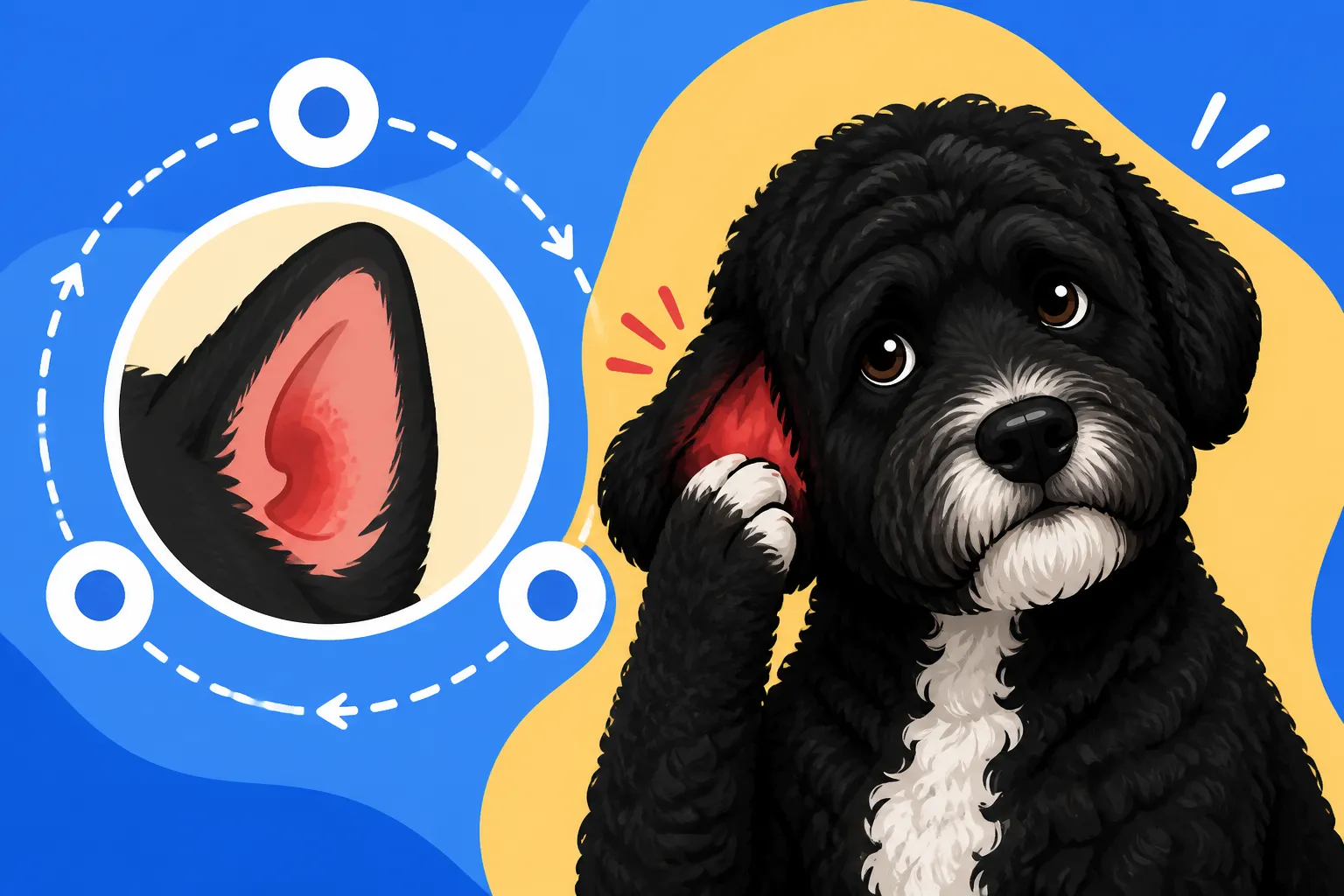
- Head shaking: This is often one of the first and most obvious indicators. If your PWD is shaking their head more than usual, especially repeatedly, something is likely irritating their ears.
- Ear scratching: Frequent pawing or scratching at the ears or rubbing their head against furniture or the carpet.
- Odor: A distinct, often sweet or yeasty smell emanating from the ear. This is a strong indicator of a yeast infection.
- Redness or inflammation: When you gently lift the ear flap, the inside of the ear canal or pinna might appear redder than usual.
- Discharge: Any brown, yellow, or black discharge, particularly if it's waxy, crusty, or pus-like.
- Pain or sensitivity: Your dog might yelp or pull away when you touch their ears.
- Holding head tilted: A persistent tilt of the head to one side can also signal ear discomfort.
Ignoring these early signs means the infection can worsen, become more painful, and potentially lead to more serious issues like a ruptured eardrum or chronic ear disease. Early detection means simpler, faster, and less expensive treatment, and less discomfort for your beloved PWD. Keeping an eye out for these indicators is a vital part of What Care a Portuguese Water Dog Needs Its Whole Life.
Proactive Strategies to Minimize Ear Infections in Your PWD
Given their predisposition, proactive ear care isn't just a suggestion for Portuguese Water Dogs; it's an absolute necessity. Establishing a consistent routine can make all the difference in keeping those sensitive ears healthy and dramatically reducing the frequency of infections.
The Crucial Post-Swim Ear Care Routine
If your Portuguese Water Dog is an avid swimmer, or even just enjoys splashing around, a strict post-water ear care routine is your best defense against infections. This isn't just about a quick towel-dry; it requires a bit more intentionality.
Here's a step-by-step approach:
- Immediate Drying: As soon as your PWD exits the water, gently but thoroughly dry the outer ear flap and the entrance to the ear canal with a soft, absorbent towel. Don't rub too vigorously, as this can irritate the skin.
- Ear Cleaning Solution: Follow up with a veterinary-approved ear cleaning solution designed for dogs. Look for solutions that are specifically formulated to dry the ear canal, often containing ingredients like witch hazel or salicylic acid, but always check with your vet for a recommendation.
- Application: Apply a generous amount of the solution into the ear canal, following the product instructions. You want enough to flood the canal.
- Massage: Gently massage the base of the ear for 20-30 seconds. You should hear a squishing sound as the solution works its way deep into the canal, breaking up wax and debris.
- Wipe Away: Allow your dog to shake their head (have a towel ready!). Then, use a clean cotton ball or gauze wrapped around your finger to gently wipe away any visible solution and debris from the outer ear canal. Never use cotton swabs (Q-tips) deep inside the ear canal, as this can push debris further in or damage the eardrum.
- Frequency: For regular swimmers, this routine should be done after every swim. For PWDs who only get wet occasionally, a weekly ear check and cleaning might suffice. You can find more specific advice on What to Clean a Portuguese Water Dog's Ears With.
Consistency is paramount. Missing even a few sessions can create an opportunity for bacteria or yeast to take hold. Establishing this routine from puppyhood can help your PWD become accustomed to the process, making it less of a struggle as they grow.
Regular Grooming and Veterinary Check-ups
Beyond immediate post-swim care, consistent grooming and regular veterinary check-ups play vital roles in ear health. During routine grooming, whether you do it yourself or use a professional, pay close attention to the ears.
- Ear Hair Management: Discuss with your groomer or vet whether plucking or trimming the hair from inside the ear canal is appropriate for your individual PWD. As mentioned earlier, there are differing opinions, and what's best can depend on your dog's specific ear anatomy and history of infections. A skilled groomer or vet can often pluck hair with minimal trauma.
- General Grooming: Ensure the hair around the ear flaps is kept trimmed to prevent matting that can further obstruct airflow. Mats can also pull on the delicate ear skin, causing discomfort and inflammation.
Regular veterinary check-ups are also crucial. During your annual wellness exam, your vet will perform a thorough ear examination. They can spot early signs of inflammation or infection that you might miss, and they can offer advice tailored to your dog's specific needs and lifestyle. If your PWD has a history of recurrent ear infections, your vet might recommend more frequent check-ups, especially during allergy seasons or peak swimming times. They can also rule out or diagnose underlying issues like allergies or hypothyroidism that contribute to ear problems.
If you find yourself constantly treating ear infections, having pet insurance like Healthy Paws can be a real lifesaver. While preventative care typically isn't covered, the diagnostic tests and treatments for recurring infections can add up quickly. A good plan might help offset these costs, allowing you to pursue the best possible care without financial strain. It's a proactive step that many PWD owners consider to manage the unexpected health challenges that can arise, including chronic ear issues. This allows you to focus on getting your dog healthy, rather than worrying about the bill for multiple vet visits and medications.
When to Seek Veterinary Help and What to Expect
Even with the most diligent preventative care, ear infections can still crop up in a Portuguese Water Dog. Knowing when to stop home remedies and head to the vet is critical for your dog's comfort and long-term ear health.
Diagnosing an Ear Infection
If you notice any of the warning signs – persistent head shaking, scratching, foul odor, redness, or discharge – it's time to call your veterinarian. Don't delay; waiting can allow a minor irritation to escalate into a painful, deep-seated infection that's much harder to treat.
When you bring your PWD in, your vet will perform a thorough examination, which typically includes:
- Visual Inspection: They'll look at the outer ear flap and as much of the ear canal as they can see without instruments.
- Otolaryngoscopy: Using an otoscope, a specialized instrument with a light and magnifying lens, they will examine the ear canal all the way down to the eardrum. This allows them to assess the level of inflammation, identify any foreign bodies (like grass awns, a common problem for active dogs), and check the condition of the eardrum.
- Cytology: This is a crucial diagnostic step. Your vet will take a swab of the discharge and debris from the affected ear and examine it under a microscope. This allows them to identify the type of organisms present – whether it's primarily bacteria (and what shape they are), yeast, or ear mites. Knowing the specific culprit is essential for prescribing the correct medication. Sometimes, they might even culture the sample to determine which antibiotics will be most effective, especially in stubborn or recurrent cases.
- Other Tests: If ear infections are chronic or don't respond to treatment, your vet might suggest further diagnostics to investigate underlying causes, such as allergy testing or blood work to check for conditions like hypothyroidism.
This systematic approach ensures an accurate diagnosis, which is the first step towards effective treatment. Understanding Signs a Portuguese Water Dog's Ear Is Infected can help you communicate effectively with your vet.
Treatment Options and Preventing Recurrence
Once the diagnosis is made, your vet will prescribe a treatment plan. This almost always involves medicated ear drops or ointments that contain antibiotics, antifungals, or anti-inflammatory agents, or a combination of these, depending on what was found on cytology. In some cases, oral medications might also be prescribed, especially for severe or deep-seated infections.
Key aspects of treatment and prevention of recurrence include:
- Completing the Full Course: It's absolutely vital to administer the medication exactly as prescribed by your vet and to complete the entire course, even if your dog's ears appear to be much better after a few days. Stopping early is a common reason for recurrence, as it allows the remaining organisms to multiply and develop resistance.
- Follow-Up Appointments: Your vet will likely want to recheck your PWD's ears after the course of medication is finished to ensure the infection has completely cleared. This follow-up is not optional; it’s a critical part of ensuring long-term ear health.
- Managing Underlying Causes: If an underlying issue like allergies or hypothyroidism was identified, managing that condition is paramount to preventing future ear infections. This might involve diet changes, allergy medications, or daily thyroid supplements.
- Continued Proactive Care: Even after an infection clears, you must continue with your diligent preventative ear care routine, especially after swims or baths. This means consistent drying and using a maintenance ear cleaning solution as recommended by your vet.
Treating an ear infection can sometimes be costly, particularly if it requires multiple vet visits, diagnostic tests, and expensive medications. This is another area where a comprehensive pet insurance plan from a provider like Healthy Paws can really ease the burden. For chronic conditions such as recurrent ear infections that aren't pre-existing, insurance can significantly cover the costs of diagnostics, prescriptions, and specialist consultations, allowing you to provide the best possible care for your PWD without compromise. While preventative ear cleaning solutions are an out-of-pocket expense, the actual treatment for a bacterial or yeast infection can quickly become substantial. Many owners attest that the peace of mind offered by good insurance is invaluable when dealing with an active PWD prone to these common issues. You might want to consider What a Portuguese Water Dog's Ear Infection Costs to Treat.
Table: Common Causes and Prevention for PWD Ear Infections
Here's a quick overview of the main reasons Portuguese Water Dogs get ear infections and what you can do about them:
| Cause | Why it Affects PWDs | Prevention & Management Strategies |
|---|---|---|
| Water Exposure | Trapped moisture in ear canal due to droopy ears & ear hair. | Thorough drying after every swim/bath; use vet-approved drying solution. |
| Excessive Ear Hair | Hair traps wax, debris, and moisture, blocking airflow. | Discuss with vet/groomer about careful plucking or trimming of ear canal hair. |
| Poor Airflow | Droopy ears create a warm, moist, dark environment. | Regular ear checks; keep hair around ear opening trimmed. |
| Allergies | Inflammation, increased wax, and irritation make ears susceptible. | Identify and manage allergies (diet, medication, environmental control). |
| Wax Buildup | PWDs can produce a lot of wax, which traps moisture and debris. | Regular, gentle cleaning with a vet-approved solution. |
| Underlying Health Conditions | Systemic issues like hypothyroidism can impact ear health. | Regular vet check-ups; follow vet's advice for managing chronic conditions. |
| Bacterial/Yeast Overgrowth | Thrive in moist, warm, dark environments, especially after water. | Consistent preventative cleaning; prompt vet visit for signs of infection. |
Remember, staying on top of your Portuguese Water Dog's ear health is an ongoing commitment. With their love for water and unique ear structure, it's not a matter of if they might get an ear infection, but when, and how quickly you can intervene. By understanding their specific needs and implementing a consistent preventative routine, you can significantly reduce the frequency and severity of these frustrating ailments, ensuring your PWD remains comfortable and ready for their next aquatic adventure.
Disclaimer
This article is intended for informational purposes only and does not constitute veterinary advice. Always consult with a qualified veterinarian for any health concerns or before making any decisions about your pet's medical care or treatment plan.