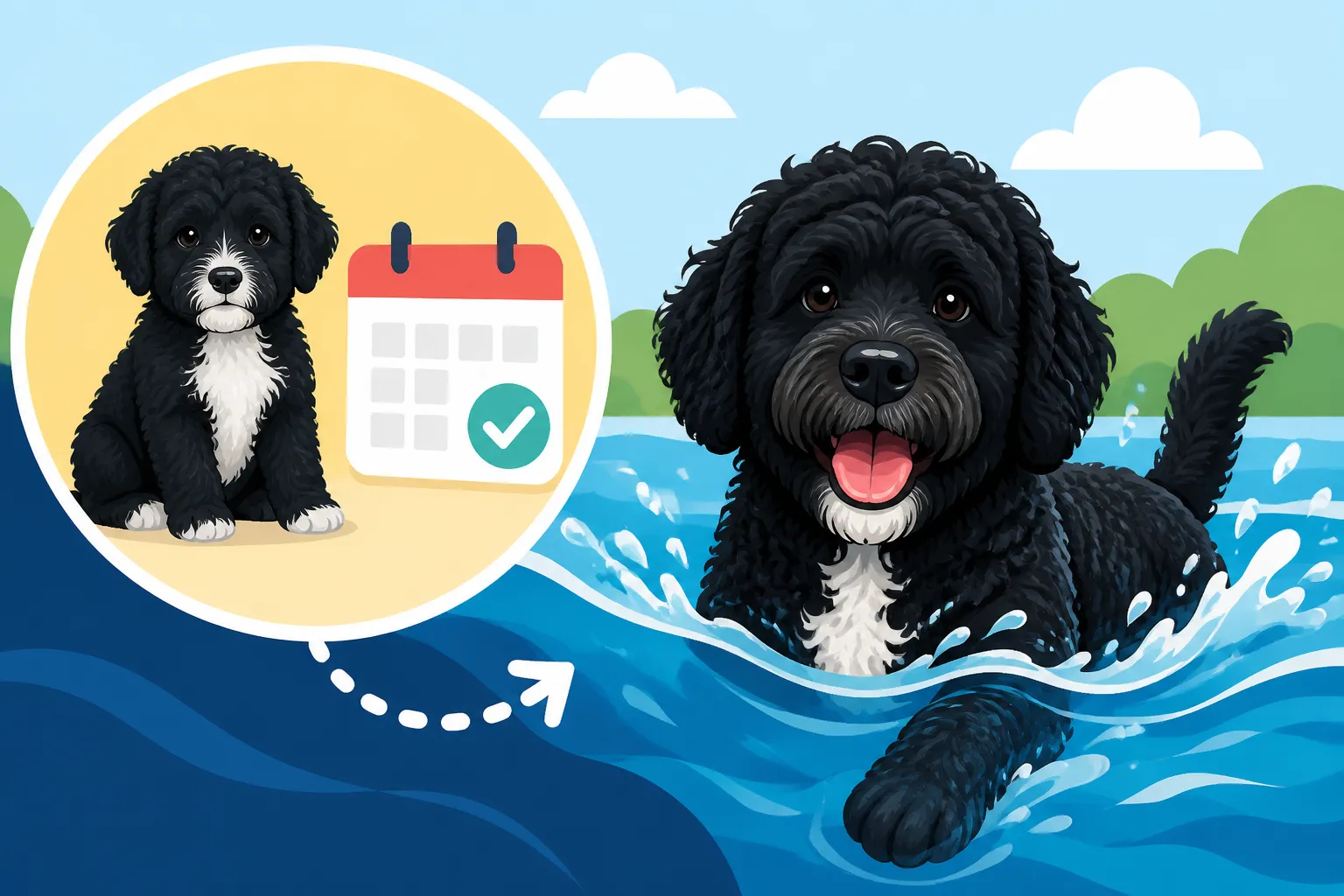
The Age a Portuguese Water Dog Can Start Swimming
It's such a common question, and honestly, it's one of the most exciting parts of bringing a Portuguese Water Dog puppy into your home: "When can my PWD finally hit the water?" You've heard all about their incredible heritage as working dogs on fishing boats, their webbed feet, and their undeniable love for splashing around. It's easy to get carried away with visions of them diving for toys or swimming alongside you. But before you unleash your little water dog into the nearest lake, it’s vital to understand the right age and the safest way to introduce them to their natural element to ensure a lifelong love affair with water, not a fear. This guide will walk you through the journey, from puppyhood to confident aquatic companion.
Understanding the Portuguese Water Dog's Innate Connection to Water
Let's be real, the Portuguese Water Dog isn't just a dog that likes water; they were bred for it. Their very essence is tied to the sea, to the fishing boats of Portugal's Algarve coast. This isn't just a fun fact; it's crucial to understanding their developmental stages for swimming. You're not just introducing a generic puppy to water; you're nurturing an ancient instinct.
Historical Roots and Their Aquatic Purpose
Imagine the rough seas, the calls of the fishermen, and a sturdy dog leaping from boat to boat, retrieving lost tackle, or even herding fish into nets. That's the life your Portuguese Water Dog's ancestors lived. They weren't just passengers; they were integral crew members. This deep history means that the desire to be in and around water is often hardwired into their DNA. It’s not something you typically have to teach them to enjoy; it's something you guide them to discover safely. Think about How a Portuguese Water Dog Worked a Net – this wasn't a casual dip; it was demanding, purposeful work.
This historical context impacts how we approach their introduction to water. Unlike some breeds where you might have to coax them in, a PWD often needs more guidance on how to be safe in water, rather than if they want to go in. It means they'll likely push boundaries, test depths, and revel in the sensation of water from a very young age. This inherent drive is wonderful, but it also places a responsibility on us as owners to ensure these early experiences are positive, controlled, and prioritize their safety above all else.
Physical Adaptations for Life in the Water
The Portuguese Water Dog isn't just emotionally suited for water; they're physically engineered for it. Their unique anatomy plays a huge role in their swimming prowess and resilience in aquatic environments. From their distinctive coat to their powerful tail, every feature is a testament to their heritage.
First, let's talk about those famous webbed feet. While many dog breeds have some webbing, a PWD's feet are notably more pronounced, acting like natural paddles that propel them through water with incredible efficiency. This adaptation significantly reduces the effort required to swim and allows them to navigate swiftly, whether retrieving a bumper or guiding fish. You can learn more about Why a Portuguese Water Dog Has Webbed Feet and how it contributes to their swimming ability. Their single coat, whether curly or wavy, is also designed to be water-resistant, providing insulation in cold water and drying relatively quickly, though not without owner effort!
Then there's their strong, rudder-like tail. Unlike many breeds that might use their tail for balance on land, a PWD uses theirs almost like a boat's rudder, helping them steer and change direction with remarkable agility in the water. This combination of webbed feet, a water-resistant coat, and a powerful tail makes them supremely capable swimmers, even as young puppies. These physical traits mean they can technically enter water quite early, but the key is building their confidence and ensuring their developing bodies are ready for the physical demands.
The Critical Window: Puppyhood Development and Water Introduction
While their instincts might scream "water dog!" from day one, there's a delicate balance between encouraging their natural drive and protecting their developing bodies and minds. The timing of their first swims is crucial for both physical safety and psychological well-being.
Early Socialization and Gentle Exposure (8-16 weeks)
This period is all about gentle, positive introductions, not full-on swimming lessons. Your Portuguese Water Dog puppy is a sponge during these weeks, absorbing every experience and forming their foundational view of the world. Forcing a puppy into water during this critical stage can create a lifelong aversion, completely counteracting their natural predisposition. The goal is to make water a fun, exciting, and safe place.
Think of it as "water playtime" rather than "swimming." A shallow kiddie pool in your backyard, filled with just an inch or two of lukewarm water, is perfect. Let them splash, sniff, and paddle on their own terms. Toss a floating toy in and encourage them to wade in after it. If you have access to a calm, very shallow stream or lake edge, let them explore there, keeping them on a long line for safety and to ensure they don't venture too deep too fast. The emphasis here is on building confidence and making positive associations with the sensation of water. You want them to think, "Water is awesome!" not "Water is scary!" or "Water is where I get overwhelmed."
Physical Maturity for Sustained Swimming
While a PWD puppy can paddle from a surprisingly young age, their skeletal system, muscles, and stamina are still very much developing. Just like human children shouldn't run marathons, puppies shouldn't be subjected to strenuous, extended swims too early. Excessive physical stress on immature joints can lead to long-term issues.
Generally, most veterinarians and experienced breeders recommend waiting until a Portuguese Water Dog puppy is at least 4 to 6 months old before allowing more sustained swimming sessions. By this age, their growth plates are starting to close, and their muscles are stronger and better equipped to handle the exertion. Before this, short, supervised dips are fine, but prolonged activity or swimming against currents should be avoided. The exact timing can vary slightly depending on the individual puppy's development and breed lines, so always consult with your vet. You might even want to ask your breeder about their specific recommendations for When a Portuguese Water Dog Should Be Neutered Late or other developmental milestones, as they often have insights into the growth patterns of their lines. The key is allowing their bodies to mature enough to handle the repetitive motion and exertion of swimming without causing unnecessary strain or injury.
Safe Introduction to Water: Prioritizing Their Well-being
Even with their innate love for water, safety is paramount. You wouldn't throw a child who loves the ocean into deep waves without supervision, and the same caution applies to your Portuguese Water Dog puppy. Every step should be designed to build confidence and ensure security.
Controlled Environments and Shallow Water
The absolute best way to introduce a Portuguese Water Dog puppy to water is in a controlled, safe environment where they can build confidence without fear. Forget the deep end of the pool or a fast-moving river for their first experiences. Think small and accessible. A kiddie pool, as mentioned earlier, is fantastic. It allows them to feel the water, paddle, and gain their footing without the overwhelming sensation of being fully submerged or losing control.
If you have access to natural water, choose a spot with a very gradual, shallow entry. A calm, sandy beach or the gentle edge of a lake works wonderfully. Ensure there are no strong currents, sharp rocks, or sudden drop-offs. Keep your puppy on a long leash initially, even in shallow water. This isn't about control in the sense of holding them back, but about giving them security and you the ability to intervene if they get into trouble or become disoriented. Always accompany them into the water, getting down to their level and making it a shared, positive experience. Your calm demeanor will reassure them and reinforce that this new adventure is safe and fun.
The Indispensable Role of the Life Jacket
I cannot stress this enough: for any young Portuguese Water Dog, especially during their first few months of water exploration, a properly fitted dog life jacket is a non-negotiable item. Even though PWDs are natural swimmers, puppies can tire quickly, get disoriented, or accidentally inhale water. A life jacket provides crucial buoyancy, allowing them to conserve energy and keep their head above water, reducing anxiety and increasing their safety. It's a fundamental tool for building confidence.
Look for a life jacket that fits snugly, doesn't chafe, and has a strong handle on the back. This handle is invaluable for guiding your puppy in and out of the water, and for quickly lifting them if they get into a sticky situation. There are many excellent options available, and a quick search on Amazon will show you a wide variety of styles and sizes suitable for a growing puppy. Investing in a good quality life jacket early on is one of the best decisions you can make for your water dog's safety and your peace of mind. To delve deeper into this, check out When a Portuguese Water Dog Needs a Life Jacket. It's not about doubting their ability; it's about giving them every advantage to learn and enjoy.
Positive Reinforcement and Play
Making water a positive experience is all about fun and rewards. Never, ever force your Portuguese Water Dog into the water. This can traumatize them and create a lifelong fear. Instead, use their natural prey drive and love for toys to encourage them. Toss a favorite floating toy just a little way into the shallow water. When they retrieve it, praise them enthusiastically and offer a treat. Make it a game!
Your enthusiasm is contagious. If you're excited and happy around the water, they'll pick up on that energy. Sit by the edge of the water and splash gently with your hands, inviting them to join you. Praise every brave step they take, even if it's just wading up to their ankles. Gradually increase the depth and distance as their confidence grows. Remember, short, joyful sessions are far more effective than long, arduous ones. The goal is to build a positive association with water so strong that they actively seek it out, associating it with playtime, treats, and quality time with you. This foundation of trust and fun will pave the way for a lifetime of aquatic adventures.
| Age Range | Recommended Water Exposure Activities | Key Safety Precautions |
|---|---|---|
| 8-16 Weeks | Kiddie pool (few inches of water), gentle wading at shallow lake/stream edges. Throw floating toys nearby. | Always supervise closely. Never force. Use lukewarm water. Ensure gradual entry. Focus on positive association. |
| 4-6 Months | Deeper wading, short, supervised swims in calm water. Introduction to dog-friendly pools. | Mandatory life jacket. Choose calm, clear water. Avoid strong currents or cold water. Keep sessions short. Monitor for fatigue. |
| 6-12 Months | Gradually increase swim duration and intensity. Introduce retrieving from deeper water. | Continue life jacket use until strong, confident swimmer. Increase stamina gradually. Post-swim ear and coat care. |
| 12+ Months | Full swimming, dock diving practice, water trials, long retrieves. | Maintain regular vet checks. Continue ear and coat care. Ensure proper warm-up/cool-down for intense activities. Consider specific training for water sports. |
Avoiding Common Pitfalls and Ensuring Lifelong Love of Water
Even with the best intentions, it's easy to make mistakes when introducing a water-loving breed to their element. Being aware of these common missteps can save you and your Portuguese Water Dog a lot of grief and ensure they continue to adore water throughout their lives.
Never Force, Always Encourage
This is arguably the most critical rule, and it bears repeating: never force your Portuguese Water Dog into the water. While their breed history suggests they should love it, an intensely negative early experience can override that instinct and create a lasting fear or aversion. Imagine being pushed into a cold, deep pool when you're little and unsure – it would be terrifying, right? The same applies to your puppy.
Forcing them could manifest as physically pushing them in, or even just constantly nagging or pulling them towards the water when they're showing hesitation. Instead, foster an environment of gentle encouragement. If they're reluctant, don't despair. Step back, re-evaluate the situation, and try again another day with an even shallower, calmer approach. Perhaps you need to get in the water first yourself and simply sit there, inviting them to join you with a happy voice and an outstretched hand. You could also enlist the help of a calm, confident adult water dog to demonstrate how fun it is. A little patience goes a very long way in ensuring your PWD develops a deep, joyful connection with water on their own terms, leading to a much more enthusiastic and confident swimmer in the long run.
Supervising Water Play and Hidden Dangers
It's tempting to think that once your PWD is confidently swimming, you can relax, but supervision is always key. Even the most seasoned water dogs can encounter unexpected dangers. They can get tangled in underwater debris, encounter strong currents they can't overcome, or become fatigued much faster than you anticipate, especially if they are overly excited and pushing themselves.
Beyond physical dangers, there are health risks. Dogs can easily ingest too much water while swimming, leading to water intoxication (hyponatremia), which can be life-threatening. This is particularly a risk during intense retrieving games where they're constantly submerging their head. They can also ingest harmful bacteria or parasites from stagnant ponds or lakes, or even irritating chemicals from improperly treated pools. Always ensure fresh drinking water is available so they're less tempted to drink from the swimming source. After any swim, regardless of location, a thorough rinse is crucial, followed by diligent ear cleaning to prevent infections. How Often a Portuguese Water Dog's Ears Need Checking is a good resource to review, as their ear structure makes them prone to trapping moisture. Your vigilant supervision and proactive care are essential to keeping their water adventures safe and healthy.
Training for Safety and Recall Around Water
A Portuguese Water Dog that loves water will often make a beeline for it the moment they see it. This enthusiasm, while endearing, can be incredibly dangerous if not managed with solid training. Strong recall and reliable "stay" or "wait" commands are absolutely vital, especially around open water. Imagine walking by a lake, and your dog suddenly bolts towards it without a second thought. You need to be able to stop them instantly.
Start practicing these commands far away from water, building a rock-solid foundation. Then, gradually introduce them to environments near water, always starting on a leash or long line. Practice "wait" at the water's edge before giving a release command to enter. Use high-value treats and enthusiastic praise for successful compliance. This isn't just about obedience; it's about their safety. A program like BAXTER & Bella, which offers comprehensive online training resources, can be incredibly helpful in building these foundational behaviors. Their focus on positive reinforcement and clear steps can really empower you to train these critical water-safety commands. Don't forget to revisit Teaching a Portuguese Water Dog to Wait on the Bank for specific guidance on this essential skill. A well-trained water dog is a safe water dog, and that allows both of you to enjoy countless adventures without constant worry.
Progressive Training and Advanced Water Activities
Once your Portuguese Water Dog has a solid foundation and a joyful relationship with water, you can begin to explore more advanced activities. This progression should always be mindful of their physical capabilities and built on positive experiences.
Building Stamina and Confidence
Think of it like an athlete's training regimen: you wouldn't expect them to perform at peak capacity without gradual conditioning. The same goes for your PWD's swimming stamina. Once they're past the initial introduction phase (typically after 6 months and with veterinary clearance), you can start incrementally increasing the duration and intensity of their swims.
Begin with slightly longer sessions, focusing on continuous, moderate effort rather than short, explosive bursts. Introduce them to different types of water bodies – a calm lake, a gentle river, or even the ocean (after proper acclimation and always under strict supervision, of course). Each new environment presents different challenges and builds their confidence in varied conditions. Watch for signs of fatigue: excessive panting, lagging behind, or struggling to keep their head above water. Always end a session before they're completely exhausted, leaving them wanting more. This positive reinforcement ensures that swimming remains an enjoyable activity and helps prevent overexertion that could lead to injury or negative associations. Remember that a strong recall is still paramount, even for seasoned swimmers, especially when exploring new and expansive bodies of water.
Introducing Structured Water Activities
For many Portuguese Water Dog owners, the natural progression from casual swimming is to structured water activities and sports. These activities not only provide an incredible outlet for their energy and intelligence but also strengthen the bond between you and your dog.
One of the most popular activities is dock diving, where dogs run down a dock and jump for distance or height into a pool of water. It's exhilarating to watch and even more fun to participate in! Your PWD's natural retrieving drive and love for airtime make them excellent candidates. They typically can start formal training and competition in The Age a Portuguese Water Dog Can Start Dock Diving. Then there are official water trials, which are designed to mimic the historical work of the breed. These trials involve tasks like retrieving articles from the water, delivering messages, or working from a boat. These activities require specific training, building on their natural instincts with precise commands and tasks. Look for local clubs or trainers specializing in these sports. Many areas also offer facilities where you can rent time for practice, helping your dog refine their skills in a controlled environment.
Maintaining Health for a Dedicated Water Dog
A dog that spends a lot of time in the water has specific health and grooming needs that can't be ignored. Neglecting these aspects can quickly turn a joyful water dog into an uncomfortable or unhealthy one.
The most common issue for water dogs is ear infections. Their floppy ears and often dense ear hair create a warm, moist environment perfect for bacteria and yeast to thrive. After every swim, especially in natural bodies of water, it's essential to thoroughly clean and dry your PWD's ears. Use a vet-approved ear cleaning solution and gently wipe the visible parts of the ear canal. Discuss with your vet whether plucking ear hair is necessary for your individual dog, as this can be controversial. For more detailed information on this, refer to Why a Portuguese Water Dog's Ear Canal Traps Water.
Beyond ears, their coat needs attention. While the PWD coat is water-resistant, it's not self-cleaning. Regular rinsing after swims, especially in saltwater or chlorinated pools, is crucial to remove irritants and prevent matting. Even with regular rinsing, their dense coat needs consistent brushing to prevent mats, which can be painful and lead to skin infections. A force dryer can significantly speed up drying time and help prevent skin issues, making it a worthwhile investment for a dedicated water dog owner. Lastly, ensure they have a balanced diet to support their active lifestyle, and keep up with regular veterinary check-ups to catch any issues early. With diligent care, your Portuguese Water Dog will enjoy their aquatic passion for many happy years.
Disclaimer
This article is for general informational purposes only and does not constitute professional advice. Laws, prices and regulations vary by location and change over time. Consult a qualified professional for guidance on your specific situation.