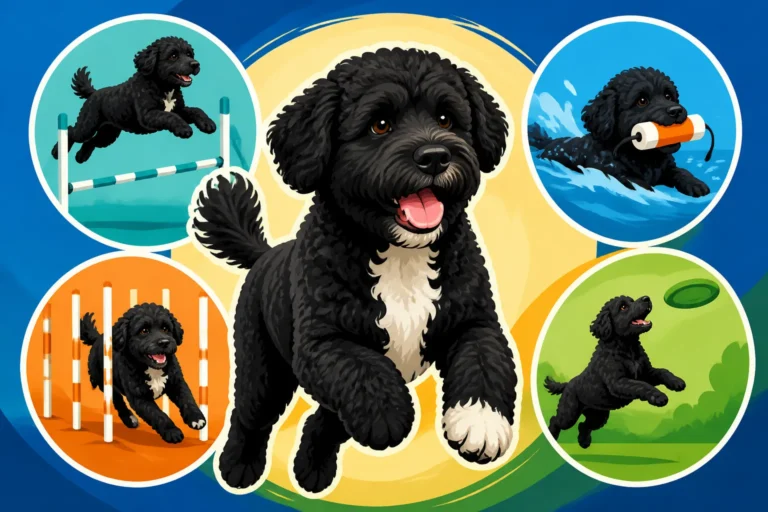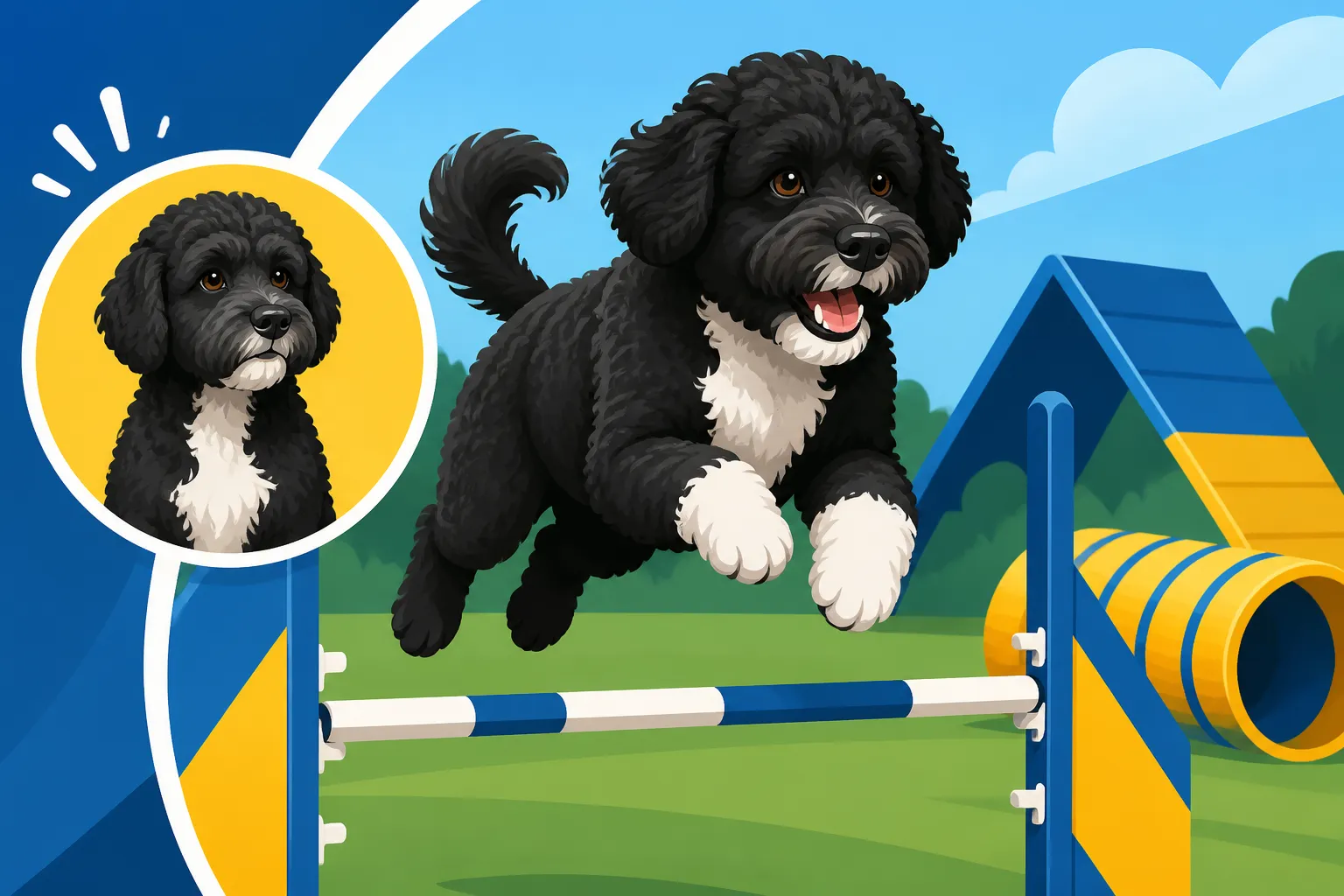
How a Portuguese Water Dog Can Do Agility
If you've ever lived with a Portuguese Water Dog, you know they are bundles of boundless energy and incredible intelligence. They weren't bred to be couch potatoes; they were bred to work hard alongside fishermen, and that deep-seated drive means they need a job, something to challenge both their bodies and their brilliant minds. If your PWD seems perpetually bored, destructive, or just plain antsy, agility might just be the perfect outlet to transform that restless energy into focused, joyful partnership. This comprehensive guide will walk you through everything you need to know about getting your Portuguese Water Dog involved in the exhilarating world of agility.
Understanding the Portuguese Water Dog's Natural Aptitude for Agility
Portuguese Water Dogs possess a remarkable combination of traits that make them incredibly well-suited for agility. It's almost as if the sport was invented with their unique capabilities in mind! They're not just strong swimmers; they're athletic, agile, and possess a keen desire to engage with their human companions. When you look at what a PWD was originally bred to do on a boat, retrieving lost gear, driving fish into nets, and carrying messages, you can see how many of those skills translate perfectly to navigating an agility course.
The PWD's Drive and Intelligence
One of the first things you notice about a Portuguese Water Dog is their incredible drive. This isn't just a physical drive; it's a mental one. They thrive on having a purpose, on solving problems, and on working in sync with their handler. This inherent desire to engage and "figure things out" is a huge asset in agility. Courses require dogs to think quickly, respond to intricate commands, and execute sequences of obstacles, often with split-second timing. A PWD's intelligence means they pick up new skills rapidly, and their working dog heritage means they genuinely enjoy the process of learning and performing.
However, this intelligence also comes with a caveat: a Portuguese Water Dog was bred to think for itself. They aren't always looking for someone to tell them what to do; they often have their own ideas about the most efficient (or sometimes, most fun) way to complete a task. This independence can be a challenge in training if you're not prepared for it, but it's also what makes them such fascinating and rewarding partners. When you harness that independent spirit and channel it through positive reinforcement, you'll find a dog who is not just performing commands but actively collaborating with you. They genuinely want to be part of the action, and that enthusiasm is contagious.
Physical Attributes That Lend Themselves to Agility
Beyond their mental prowess, Portuguese Water Dogs boast an impressive physical build that is perfectly adapted for agility. They are sturdy, medium-sized dogs with powerful hindquarters, giving them incredible propulsion for jumps and weave poles. Their flexible spines and well-muscled bodies allow them to navigate tight turns and accelerate quickly.
Let's not forget their famous webbed feet! While primarily a swimming adaptation, these feet provide excellent grip and traction on various surfaces, whether it's grass, dirt, or rubber matting found on agility equipment. Their strong, rudder-like tails, which are never docked, also play a crucial role in maintaining balance and steering through complex obstacle courses. This combination of strength, flexibility, and natural balance makes them incredibly capable of tackling everything from A-frames to tunnels with grace and speed. They have a natural athleticism that just begs to be put to good use, and agility provides that opportunity beautifully.
Getting Started with Agility Training for Your PWD
Embarking on the agility journey with your Portuguese Water Dog is an exciting prospect, but like any new sport, it requires a thoughtful approach, starting with solid foundational skills and the right equipment. Rushing into advanced obstacles without proper groundwork can be frustrating for both you and your dog, and even lead to injury.
Foundation Skills and Socialization
Before your PWD even sniffs an agility jump, they need a strong foundation in basic obedience. Think of it as their agility vocabulary. A reliable "stay," "come," and "leave it" are absolutely non-negotiable. Your dog needs to be able to focus on you amidst distractions, which is crucial for navigating a complex course. Furthermore, a solid recall is paramount, especially when working in open spaces or off-leash.
Beyond obedience, proper socialization is key. Agility classes and trials are often bustling environments with other dogs, people, and unfamiliar noises. A well-socialized PWD will be more confident, less stressed, and better able to focus on the task at hand. Early and ongoing positive exposure to various sights, sounds, people, and other friendly dogs will build their resilience and create a more enjoyable experience for everyone. Many owners find puppy classes, often with programs like those offered by BAXTER & Bella, incredibly helpful for building this crucial foundation of manners, focus, and confidence in a structured setting before moving on to specialized sports. It's about building a confident, calm dog first, and then adding the excitement of agility.
Choosing the Right Training Approach
There are many ways to approach agility training, from formal classes to self-study with online resources. For most PWD owners, formal classes are an excellent starting point. They provide expert guidance, access to safe equipment, and a controlled environment for learning. A good instructor will teach you how to motivate your specific dog, read their body language, and introduce obstacles safely. Look for trainers who use positive reinforcement methods, focusing on praise, toys, and high-value treats to encourage your dog. Portuguese Water Dogs respond incredibly well to positive methods; harsh corrections can easily shut down their enthusiasm and independent thinking, making them less willing to work.
If structured classes aren't immediately available, or if you want to supplement your learning, online courses or instructional videos can be incredibly valuable. However, always prioritize safety, especially when introducing new equipment. Never force your dog onto an obstacle, and ensure equipment is stable and appropriately sized. Remember, building confidence and a love for the game is far more important than speed or perfection in the early stages.
Essential Agility Equipment for Home Practice
While you absolutely don't need a full-blown agility course in your backyard to get started, having a few basic pieces of equipment can significantly enhance your home practice and reinforce skills learned in class. You can find a wide range of agility equipment on platforms like Amazon, from beginner-friendly kits to individual, more robust pieces.
Here's a breakdown of useful items for home practice:
| Equipment Type | Purpose | Key Considerations |
|---|---|---|
| Jump | Teaches jumping, bar discrimination, and height adjustment. | Start with a low bar, perhaps even on the ground. Ensure the bar is easily knocked off to prevent injury if your dog makes a mistake. Adjustable heights are a must for progression. |
| Tunnel | Builds confidence in dark spaces, teaches forward drive. | Collapsible tunnels are portable and easy to store. Ensure it's wide enough for your PWD to move comfortably. Start with a short, straight tunnel and gradually introduce turns and longer lengths. |
| Weave Poles | Develops intricate footwork, body awareness, and handler focus. | This is often the most challenging obstacle. Start with fewer poles (e.g., 6) and wider spacing. Channel weaves (two rows of poles) can be great for teaching the motion before transitioning to a single line of poles. Patience is key here. |
| Pause Table/Box | Teaches a "stay" in a specific location, builds body control. | A low, stable platform is ideal. The goal is for the dog to jump up and remain in a stay for a set duration. This helps with control and waiting for the next command. |
| Cones/Markers | For setting up simple courses, practicing turns, and target training. | Inexpensive and versatile for creating patterns on the ground. |
| Balance Disc/Board | Enhances proprioception, strengthens core muscles, and builds confidence. | While not a standard agility obstacle, these can be incredibly beneficial for building body awareness and strengthening the muscles needed for agility. |
When purchasing equipment, prioritize safety and stability. For instance, adjustable jumps that allow the bar to fall easily are much safer than fixed bars. Always supervise your dog closely during practice, especially in the early stages. Remember, home practice should be fun and low-pressure, reinforcing the positive associations your dog has with agility.
Common Challenges and How to Overcome Them
While Portuguese Water Dogs are naturally gifted for agility, it doesn't mean the journey will be without its bumps and detours. Every dog, even within the same breed, has its own personality quirks and learning styles. Understanding these potential challenges ahead of time can help you navigate them with patience and humor.
Managing the PWD's Independent Streak
As we've touched on, the PWD's intelligence often comes with a healthy dose of independence. They're thinkers, not just followers. This can manifest in agility as your dog deciding a different path around an obstacle is more efficient, or perhaps taking a detour to investigate an interesting smell, rather than sticking to your planned course. They might offer their own solution to a problem you've presented, which can be both charming and frustrating!
The key here is to leverage their intelligence, not fight against it. Make agility a partnership where your dog feels like their input is valued, even if the final decision comes from you. This means using highly motivating rewards – what motivates a Portuguese Water Dog? Often it's a favorite toy, like a floating bumper, or a high-value treat that they only get during training. Keep sessions short, fun, and engaging to prevent boredom. If your PWD is consistently "quizzing" you, break down the exercise into smaller, easier steps where they can't help but succeed. Celebrate every correct decision with huge enthusiasm. This builds their confidence in your guidance and strengthens the bond, making them more willing to follow your lead. Remember, consistency is your best friend when dealing with an independent thinker.
Channeling Enthusiasm and Preventing Burnout
Portuguese Water Dogs are incredibly enthusiastic, especially when it comes to activities they love. This exuberance is wonderful, but it can sometimes lead to an over-aroused dog who is so excited they can't focus, or one who charges obstacles without thinking. This can be dangerous and lead to mistakes or even injury. On the flip side, their intense focus means that if sessions are too long or repetitive, they can quickly become bored or "burn out," especially if they feel they aren't succeeding.
To channel their enthusiasm effectively, integrate "settle" and "wait" commands throughout your agility sessions. Practice waiting patiently at the start line, or taking a short break between obstacles. This teaches them impulse control amidst excitement. Keep training sessions brief, typically 5-10 minutes of active work for a young dog, and perhaps 15-20 minutes for a mature, experienced dog. Always end on a high note, even if it means finishing with an easy, successful command. How Long a Portuguese Water Dog Will Keep Retrieving can give you an idea of their endurance for repetitive tasks, but remember that mental work can be just as tiring as physical exertion. Vary your training routine, introduce new challenges, and always watch for signs of fatigue or disinterest. If your dog starts to lag, sniff excessively, or make repeated mistakes, it’s time for a break.
Keeping It Fun and Engaging
The most important aspect of agility training with a Portuguese Water Dog is to keep it fun! This breed thrives on engagement and play. If agility feels like work or a chore, they will quickly lose interest. Their minds are constantly seeking novelty and challenge, so repetitive drills day after day can be a recipe for disengagement.
Incorporate play into your training. Use toys as rewards, play short games of fetch or tug between obstacles, and maintain a light, joyful attitude yourself. Your energy is contagious. If you're stressed, your dog will feel it. Celebrate small victories with gusto. Don't be afraid to take a step back if something isn't clicking. Sometimes, a short break or a return to a simpler exercise is all it takes to rekindle their spark. Think about How Much Exercise a Portuguese Water Dog Needs on a daily basis; agility can fulfill a huge portion of that need, but it should never feel like a forced march. Agility is a game, a dance, a partnership – and when viewed through that lens, it becomes an incredibly rewarding experience for both you and your amazing PWD.
Progressing in Agility: From Novice to Advanced
Once your Portuguese Water Dog has mastered the basics and you both truly enjoy the sport, the possibilities for progression are vast and exciting. Agility offers a wonderful pathway for continued learning, challenge, and deepening the bond with your canine partner.
Entering Competitions and Goal Setting
For many agility enthusiasts, the natural progression is to enter competitions. This isn't about winning ribbons (though that's a nice bonus!); it's about testing your team's skills, enjoying the camaraderie of the agility community, and setting new goals. There are various levels, from Novice to Excellent and beyond, allowing you to gradually increase the complexity of the courses and the speed required.
When you decide to compete, your goals might shift from simply navigating obstacles to achieving clean runs (no faults) or improving your time. This requires a deeper understanding of course strategy, handler maneuvers, and perfecting your dog's obstacle performance. Work with your instructor to analyze courses, identify areas for improvement, and develop a competition plan. Don't be discouraged by mistakes; every "fault" is a learning opportunity. The most important thing is to enjoy the process and celebrate your dog's efforts. The sheer joy your PWD will exhibit on the course, flying over jumps and weaving through poles, is its own reward. Just as they can excel in How a Portuguese Water Dog Can Do Obedience Trials, they can truly shine in the dynamic environment of agility.
Safety and Long-Term Health Considerations
As you progress in agility, especially if you enter competitions, safety and your Portuguese Water Dog's long-term health become even more critical. Agility is a physically demanding sport, and while PWDs are robust, injuries can occur if proper precautions aren't taken.
Warm-up and Cool-down: Always ensure your dog has a proper warm-up before any intense agility session or competition. This could involve a brisk walk, some light trotting, and gentle stretches. A cool-down after activity is equally important to gradually bring their heart rate down and prevent muscle stiffness.
Physical Conditioning: A PWD needs to be in excellent physical condition to withstand the demands of agility. Regular exercise beyond just agility practice is crucial, including swimming, hiking, and varied terrain walks. Focus on core strength and flexibility. Ensure they are at a healthy weight; carrying extra pounds puts unnecessary strain on their joints. Consider consulting with a canine physical therapist or veterinary rehabilitation specialist for exercises to strengthen specific muscles and prevent injuries. Remember, The Age a Portuguese Water Dog Reaches Full Weight is usually around two years old, so avoid high-impact activities before their growth plates have closed.
Veterinary Care: Regular veterinary check-ups are vital. Discuss your dog's agility involvement with your vet to ensure they remain sound and healthy for the sport. Pay close attention to their paws, checking for cuts or abrasions, and ensure their nails are trimmed regularly. How Often a Portuguese Water Dog Needs Its Teeth Cleaned might seem unrelated, but good overall health contributes to athletic performance.
Listen to Your Dog: The most important safety measure is to always listen to your dog. If they show any signs of lameness, discomfort, or decreased enthusiasm, it's time for a rest or a vet visit. PWDs are stoic and may try to push through pain, so it's up to you to be vigilant and prioritize their well-being above any competition goal. Whether an Aging Portuguese Water Dog Still Wants to Swim might provide insights into adapting activities as your dog matures, ensuring they can enjoy agility safely for as long as possible.
By taking a thoughtful, patient, and proactive approach to training and care, you and your Portuguese Water Dog can enjoy a long and fulfilling journey in the dynamic and rewarding world of agility.
Disclaimer
This article is for general informational purposes only and does not constitute professional advice. Laws, prices and regulations vary by location and change over time. Consult a qualified professional for guidance on your specific situation.