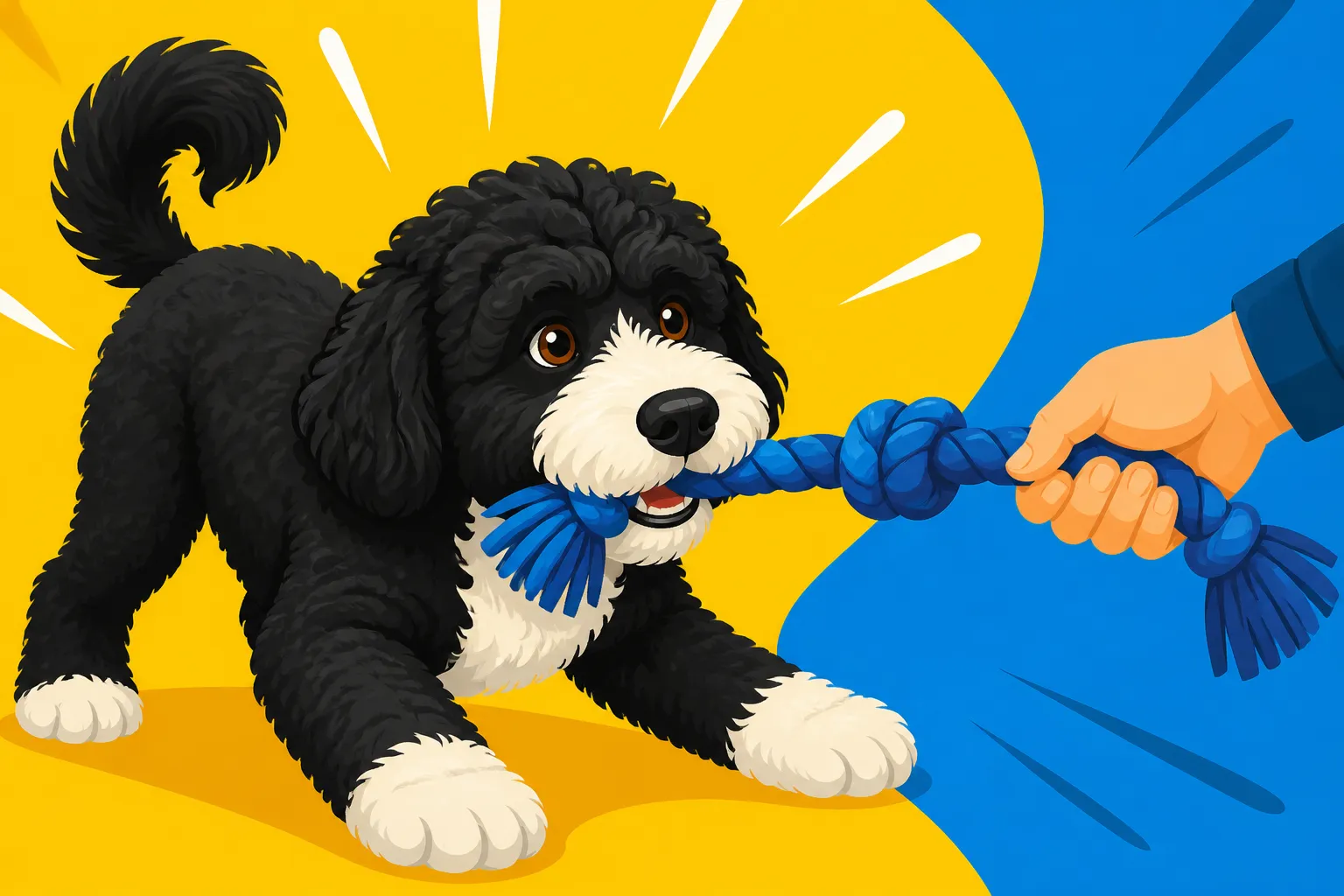
Whether a Portuguese Water Dog Enjoys Tug
You're probably wondering if that energetic, water-loving Portuguese Water Dog of yours is going to enjoy a good old game of tug, or if it's just going to confuse them or even make them mouthy. It's a valid concern for many owners, especially with a breed known for its intelligence and strong work drive. This guide will dive deep into why tug is not only a fantastic activity for most PWDs but also how to implement it safely and effectively to strengthen your bond and provide a healthy outlet for their natural instincts.
Understanding the Portuguese Water Dog's Natural Drive for Tug
When we talk about whether a Portuguese Water Dog enjoys tug, we have to remember their heritage. These aren't lapdogs, folks; they were bred to be active, intelligent partners on fishing boats along the coasts of Portugal. Their original job involved retrieving lost tackle, herding fish into nets, and carrying messages between boats. What does that tell you about their natural inclinations? They possess a strong retrieving drive, an innate desire to work, and a playful, engaging nature. Tug taps into these very instincts.
The Instinctive Appeal: Prey Drive and Retrieval
Think about it: a game of tug simulates a dog "catching" and "holding" something, much like their ancestors might have held onto a rope or a piece of fishing gear. This isn't about aggression; it's about channeling a natural, healthy prey drive into an acceptable form of play. When your PWD locks onto that tug toy and pulls with all their might, they're engaging a primal part of their brain that says, "I've got it! This is mine!" It’s immensely satisfying for them. It’s a physical manifestation of their genetic blueprint, and it's a powerful motivator. This intense focus can also be a fantastic way to burn off mental and physical energy. After all, a Portuguese Water Dog Was Bred to Work a Boat, Not a Yard, and this kind of interactive play mimics that working engagement.
Building Bonds and Engagement
Beyond just instinct, tug is an incredibly interactive game. It’s not a solitary activity like chewing on a bone; it requires you to be involved. This shared experience is a phenomenal way to build a strong, trusting relationship with your Portuguese Water Dog. When you play tug fairly, respecting their cues and setting clear rules, you become their most exciting playmate. They learn to engage with you, respond to your movements, and understand that you are part of the fun. This engagement translates to better focus in other aspects of training. They learn that paying attention to you brings rewarding outcomes, making them more amenable to learning new commands or participating in other activities.
Physical and Mental Outlet for High Energy
Let's be real, Portuguese Water Dogs have energy. A lot of it. They're not content with just a leisurely stroll around the block. They need outlets for their boundless enthusiasm, both physically and mentally. Tug provides an excellent way to achieve this. It’s a full-body workout that engages their core, their legs, and their powerful neck muscles. Mentally, they're focused on the toy, on your movements, and on the game's dynamic. A few rounds of enthusiastic tug can be as tiring and satisfying as a long walk, especially on days when the weather isn't cooperating for an outdoor adventure. It helps to meet some of the daily needs of a breed that requires a significant amount of activity, as explored in What a Portuguese Water Dog Needs Every Day.
Setting the Stage: Establishing Fair Rules for Tug
The biggest concern I often hear from new PWD owners is, "Won't tug make my dog aggressive or mouthy?" My answer is always: it depends entirely on how you play the game. With clear rules and consistent boundaries, tug can be a wonderful, safe, and mutually enjoyable activity. Without them, yes, it can lead to some undesirable behaviors.
The Golden Rules: "Drop It" and "Take It"
The absolute foundation of a successful tug game relies on two crucial commands: "Drop It" and "Take It." Your Portuguese Water Dog needs to understand that you control the start and end of the game.
"Drop It" means releasing the toy immediately. Practice this by stopping the game entirely and going completely still and silent. As soon as your dog lets go, even for a second, praise them and offer a high-value treat, then immediately re-engage in tug. This teaches them that dropping the toy doesn't end the fun; it restarts it, often with an added bonus. Consistency is key here. Never let them refuse to drop it, or they'll quickly learn that they dictate the terms.
"Take It" (or "Get It") signals that the game is on. Use it to initiate play, allowing your dog to enthusiastically grab the toy. This prevents them from mugging you for the toy or initiating play without your permission. It teaches impulse control, which is vital for a breed with such a strong drive to retrieve and engage. For more insights on their mouthy nature, you might find Why a Portuguese Water Dog Puts Everything in Its Mouth helpful.
Establishing Boundaries: When the Game Starts and Stops
Beyond specific commands, you need overall rules for the game. Tug should never be played if your dog is jumping on you, nipping, or being overly rough. If they get too excited, the game stops immediately. Your hands should never be part of the toy – if their teeth accidentally touch your skin, even lightly, the game ends. Walk away. This teaches them that appropriate play keeps the fun going, while over-excitement or poor manners means the game is over. Conversely, you should initiate the game when you are ready, not just when your PWD shoves a toy in your lap. This reinforces your role as the leader and ensures that tug is a controlled interaction.
Choosing the Right Equipment: Tug Toys Matter
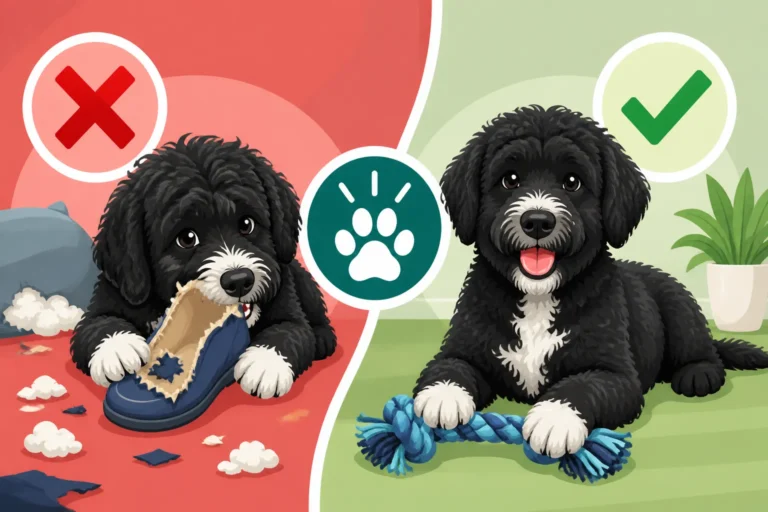
Not all tug toys are created equal, especially for a powerful chewer like a Portuguese Water Dog. You want something durable, easy for you to hold, and safe for their mouth. Avoid flimsy rope toys that can shred and lead to ingested fibers. Look for toys made of tough rubber, fire hose material, or braided fleece.
When shopping, think about the size and feel. A toy too small can lead to accidental nips, while one too large might be awkward for them to grip. Many excellent options are available online, from retailers like Amazon, offering a wide selection of durable tug toys specifically designed for strong pullers. The handle on your end should be comfortable for your grip, preventing hand strain or accidental drops.
Here's a quick look at some popular tug toy materials and their characteristics:
| Material Type | Pros | Cons | Ideal For |
|---|---|---|---|
| Braided Fleece | Soft on gums, good grip, often machine washable | Less durable for extreme chewers, can unravel over time | Puppies, gentle tuggers, indoor play |
| Rubber/KONG | Extremely durable, easy to clean, good bounce | Can be heavy, some dogs dislike the texture | Strong chewers, outdoor play, solo retrieve games |
| Fire Hose | Very tough, long-lasting, good for grip | Can be stiff, not always soft for sensitive mouths | Power tuggers, experienced players |
| Rope (braided) | Good grip, natural feel for some dogs | Can fray and shed fibers, less hygienic | Moderate tuggers, careful owners who inspect regularly |
Beyond the Basics: Elevating Your Tug Game with Your PWD
Once you have the fundamentals down, you can really start to make tug an invaluable tool in your training and relationship-building arsenal. It's more than just pulling back and forth; it's a dynamic, interactive dance that can reinforce good habits and strengthen your connection.
Reading Your Dog's Cues and Varying the Game
Every Portuguese Water Dog is an individual. While many inherently enjoy tug, some might be more intense than others, and their enthusiasm can vary day to day. Learn to read your dog’s body language. Are they fully engaged, eyes bright, tail wagging, pulling with gusto? Great! Are they starting to get over-aroused, perhaps growling excessively, or making frantic, uncoordinated movements? That’s your cue to slow down or end the game. The goal is to always leave them wanting more, so they associate tug with positive feelings and never frustration or over-excitement.
You can also vary the game to keep it fresh and exciting. Don't just pull in one direction. Try moving side to side, incorporating pivots, or even a quick "chase" with the tug toy before re-engaging. This mimics real-world scenarios and keeps their minds sharp. You can also integrate short sessions of tug into a longer play routine that includes retrieving or other forms of exercise. How Long a Portuguese Water Dog Will Keep Retrieving can give you an idea of their stamina and how long they might enjoy extended play sessions.
Tug as a High-Value Reward in Training
This is where tug truly shines as a multi-purpose tool. For a breed as motivated and intelligent as the Portuguese Water Dog, tug can be an incredible reward. Instead of always using food, especially when you're working on something high-energy or challenging, a quick burst of tug can be immensely reinforcing. Imagine you're working on a difficult recall in a distracting environment. Your PWD races back to you, and instead of just a treat, you immediately pull out a tug toy for a 30-second, high-energy session. That's a huge payout for them!
Many dog training programs, like those offered by BAXTER & Bella, emphasize integrating play into training. Tug can be used to reward a perfectly executed sit-stay, a fast recall, or even complex agility maneuvers. It helps to associate obedience with extreme fun, making your dog even more eager to perform. This also gives you another tool in your toolbox to reinforce desired behaviors, especially when a food reward might not be as impactful or practical.
Navigating Potential Challenges and Ensuring Safety
While tug is generally a safe and beneficial game, it's essential to be aware of potential issues and how to manage them. As responsible dog owners, we want to ensure our PWDs are having fun without developing bad habits or risking injury.
Managing Over-Arousal and Excitement
Some Portuguese Water Dogs can get incredibly excited during tug, which is a testament to their drive! However, too much arousal can tip into over-excitement, where they lose focus, become too frantic, or even accidentally mouth your hands. If you notice frantic jumping, excessive growling that sounds less like play and more like genuine frustration, or a general loss of control, it's time for a break.
The best way to manage this is to recognize the signs early and stop the game before they reach that peak. A quick "Drop It," followed by a moment of calm (perhaps a sit or down command), and then restarting the game can teach them to modulate their excitement. If they can't calm down, simply end the session and try again later. It's all about teaching them self-control within the excitement of the game. If your PWD is easily over-stimulated, consider other sports like Which Other Sports Suit a Portuguese Water Dog that might provide a different kind of mental and physical challenge.
Preventing Resource Guarding and Possession Aggression
A common misconception is that tug inherently causes resource guarding. This isn't true; resource guarding is a separate behavior issue, but playing tug incorrectly can exacerbate it. By consistently using "Drop It" and rewarding the release, you teach your PWD that letting go means good things happen, often leading to more play or treats. They learn that you are not trying to steal their toy; you are the facilitator of fun.
If you already suspect your PWD is prone to resource guarding, work with a professional trainer before incorporating tug into your routine. Start with very low-value toys and offer high-value treats for dropping them, gradually increasing the challenge. Never try to forcibly take a tug toy from a dog who is guarding it; this can escalate the situation and damage trust. Consistency in training commands like Teaching a Portuguese Water Dog to Trade will be invaluable here.
Protecting Yourself: Avoiding Accidental Injuries
Portuguese Water Dogs are strong, agile dogs with powerful jaws. Even in play, accidents can happen. Always use a tug toy with a good handle that keeps your hands away from their mouth. Never let them tug directly on your clothing, hands, or hair. If they accidentally make contact with your skin, immediately yelp (like a puppy would) and stop the game for a few minutes. This teaches them that human skin is fragile and that rough play ends the fun.
Also, be mindful of your own body mechanics. Don't engage in tug in a way that could injure your back or shoulders. Let your dog do most of the pulling; you're just there to provide resistance and direction. Keep the tug toy low to the ground to prevent them from jumping up and potentially hurting themselves or you. Playing tug should be fun for both of you, not a risk.
In conclusion, for many Portuguese Water Dogs, tug isn't just a game; it's a deeply satisfying, instinctual activity that can significantly enhance their quality of life and strengthen their bond with you. By understanding their breed traits, establishing clear rules, using the right equipment, and staying attentive to their cues, you can unlock a world of fun and engagement. So go ahead, grab a durable tug toy, and get ready for some enthusiastic play with your amazing Portuguese Water Dog!
Disclaimer
This article is for general informational purposes only and does not constitute professional advice. Laws, prices and regulations vary by location and change over time. Consult a qualified professional for guidance on your specific situation.