Which Other Sports Suit a Portuguese Water Dog
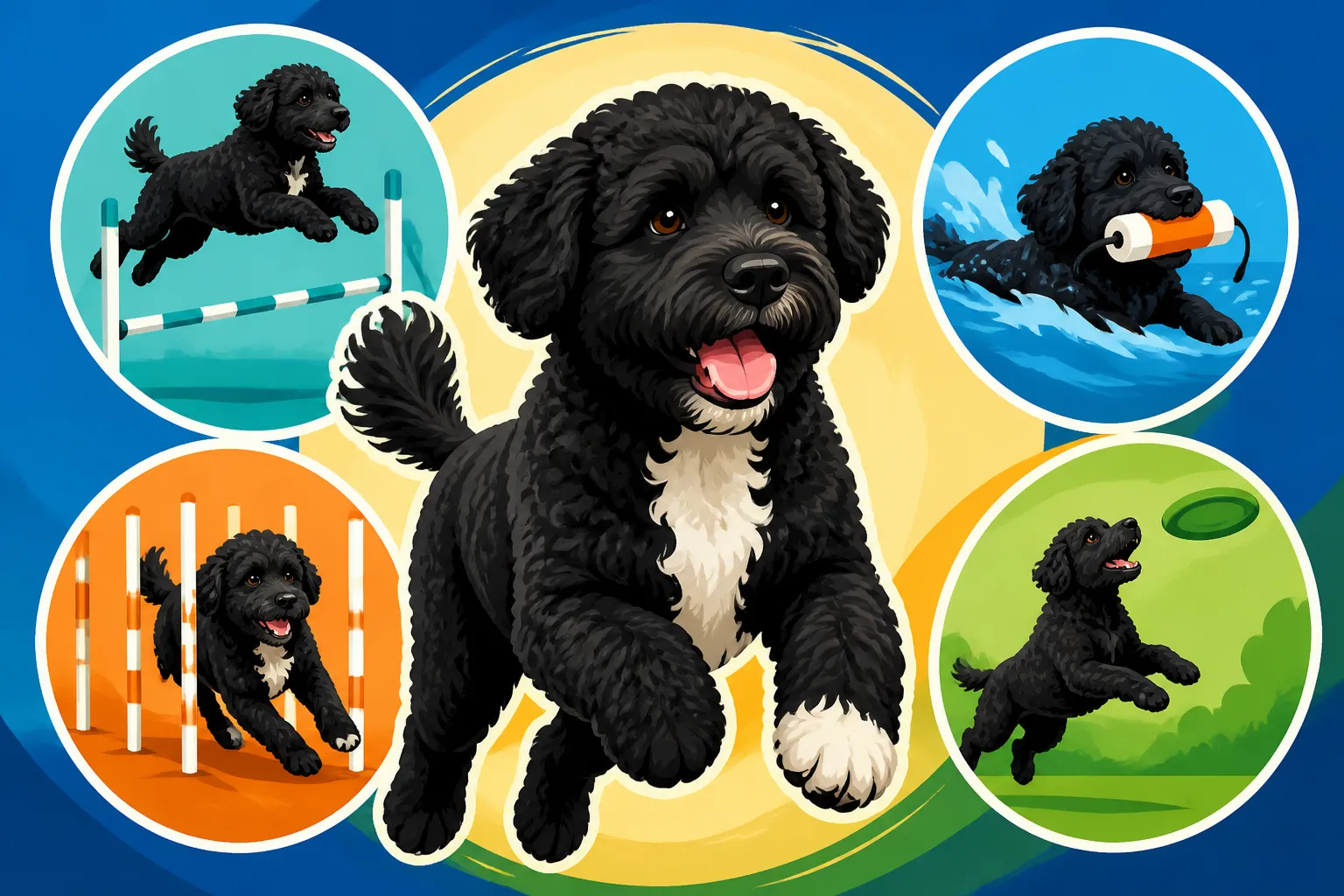
Many Portuguese Water Dog owners quickly realize that while their dogs absolutely adore swimming, a daily dip or a run around the park simply isn't enough to satisfy their boundless energy and sharp minds. It can be incredibly frustrating when you've given your dog ample physical exercise, only to find them still bouncing off the walls, or worse, finding their own (often destructive) ways to entertain themselves. This guide dives deep into a variety of other exciting dog sports and activities that perfectly suit the Portuguese Water Dog's unique blend of athleticism, intelligence, and desire to work, helping you channel their innate drive into something productive and fun for both of you.
The Innate Drive for Activity: Why PWDs Need More Than Just a Swim
It’s easy to look at a Portuguese Water Dog and think, "Oh, they're water dogs, so water activities are all they need!" And while it’s true that they are undeniably built for the water, it's a common misconception that their needs stop there. These dogs are so much more than just aquatic athletes; they are intelligent, driven, and historically versatile working companions. Underestimating their need for diverse stimulation is a surefire way to end up with a bored, and potentially mischievous, pup on your hands.
The Working Dog Mentality: More Than Just a Pretty Face
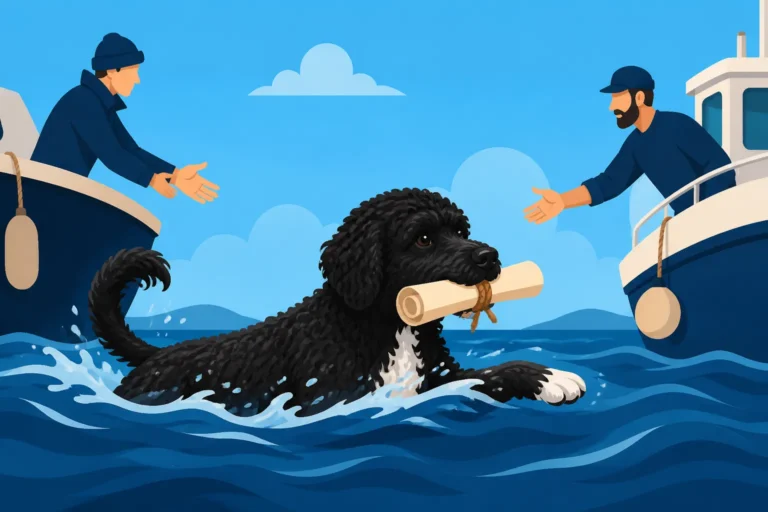
Let's rewind a bit to understand the heart of a Portuguese Water Dog. They weren't just decorative dogs on fishing boats; they were active, indispensable crew members. They retrieved lost tackle, carried messages between boats, and even drove fish into nets. This wasn't just physical labor; it required a quick wit, problem-solving skills, and a strong partnership with their human counterparts. They were bred to think, to react, and to work. This profound history means that their genetic makeup predisposes them to need a "job," something that engages both their body and their brain. A Portuguese Water Dog Was Bred to Work a Boat, Not a Yard
Failing to acknowledge and fulfill this deep-seated need for purpose can lead to a dog who feels perpetually unfulfilled, regardless of how many laps they swim. Owners often tell me, "My PWD had a huge swim this morning, but he's still chewing the furniture!" The issue isn't a lack of energy, it's a lack of mental engagement. Think of it like a brilliant human being stuck in a repetitive, unchallenging job – they might be physically tired at the end of the day, but their mind is still buzzing, craving something more stimulating. Our PWDs are much the same, and they thrive when given varied challenges that tap into their rich ancestry.
Identifying the Signs of Boredom and Excess Energy
So, how do you know if your Portuguese Water Dog is truly getting enough mental and physical enrichment? Often, the signs are right there in front of you, though we sometimes mistake them for "bad" behavior. An under-exercised or under-stimulated PWD might start self-entertaining in ways that are less than ideal. This could manifest as excessive barking at every squirrel, relentless counter-surfing to "forage" for snacks, or perhaps digging craters in your prized garden beds. They might chew on things they shouldn't, like your favorite pair of shoes or the leg of your dining table. What an Under Exercised Portuguese Water Dog Does
These behaviors aren't necessarily signs of a disobedient dog, but rather a dog trying to cope with an abundance of unused energy and an unengaged mind. They're telling you, in the loudest way they know how, "I need something to do!" Instead of trying to suppress these natural instincts, the key is to redirect them into constructive, breed-appropriate outlets. Engaging in dog sports provides that crucial outlet, transforming potential problem behaviors into desirable skills and strengthening the bond between you and your intelligent companion. It’s about giving them an acceptable "job" rather than just trying to suppress what comes naturally to them.
Agility: A Test of Speed, Skill, and Brains
When people think of dog sports, agility is often one of the first that comes to mind, and for good reason! It’s a dynamic, fast-paced activity that requires both physical prowess and mental quickness. For a Portuguese Water Dog, with their inherent athleticism and sharp intelligence, it's often a match made in heaven.
What Agility Entails and Why PWDs Excel
Agility is essentially an obstacle course for dogs. The handler directs their dog through a series of obstacles, which can include tunnels, A-frames, dog walks, weave poles, and various types of jumps. The goal is to complete the course quickly and accurately, without errors. It’s a true test of teamwork, as the dog must interpret the handler’s cues – both verbal and body language – while navigating complex sequences. How a Portuguese Water Dog Can Do Agility
Portuguese Water Dogs are, quite frankly, naturals at agility. They possess an athletic, well-muscled build that allows them to accelerate, turn sharply, and jump gracefully. Their energy levels are ideal for the bursts of activity required in a course. Beyond the physical, their keen intelligence means they pick up sequences quickly and enjoy the problem-solving aspect of learning a new course. While their coats can be substantial, they don't hinder movement in the slightest, and their enthusiastic demeanor often shines through, making them a joy to watch and work with on the course. They love having a job, and agility gives them a structured, exciting one that satisfies their need for both speed and smarts.
Getting Started and Common Challenges
Starting in agility typically involves finding a local dog training club or a specialized agility facility that offers foundation classes. These classes focus on safely introducing each obstacle and teaching basic handling skills. It’s a gradual process that builds confidence and proper technique before moving on to full courses. For practicing at home, you can find introductory agility equipment like practice tunnels, weave poles, and even adjustable jumps on platforms like Amazon. Having some basic equipment at home can be a game-changer for reinforcing skills learned in class and keeping your PWD engaged between sessions.
One common challenge with PWDs in agility, despite their many strengths, can be their independent streak. They were bred to think for themselves, which sometimes means they might "offer their own solution" to an obstacle, or get distracted by something more interesting than the path you're trying to guide them on. This is where patience, clear communication, and positive reinforcement really come into play. It’s about building a strong partnership where your PWD trusts your guidance and enjoys working with you. Overcoming these little "improvisations" builds an incredibly strong bond and a deeply satisfying partnership.
Obedience and Rally: Channeling That Independent Streak
While some might see "obedience" as merely a necessity for a well-behaved pet, competitive obedience and rally obedience are actually highly refined dog sports that demand incredible precision, focus, and a deep understanding between dog and handler. For a Portuguese Water Dog, these sports offer an unparalleled opportunity to channel their intelligence and independent spirit into a highly structured and rewarding activity.
Competitive Obedience: Precision and Partnership
Competitive obedience goes far beyond the basic "sit" and "stay" you teach your puppy. It involves a set series of exercises performed with military precision: perfect heeling patterns, retrieves of specific objects (like dumbbells), precise stays of varying lengths and positions, and directed jumping. The dog must execute commands flawlessly, often without a leash, and under significant distraction. Judges score on accuracy, enthusiasm, and the overall impression of teamwork.
Portuguese Water Dogs are incredibly intelligent, sometimes too intelligent for their own good in obedience. They quickly grasp what you want, but their independent, problem-solving nature might lead them to question why or to try and anticipate the next command, occasionally offering a slightly different (but to them, logical) interpretation. Why a Portuguese Water Dog Improvises Instead of Obeying This can make training competitive obedience a thrilling challenge. However, when a PWD commits to the work, their focus and drive are formidable. It demands an owner who is equally intelligent, patient, and consistent. The mental workout involved in competitive obedience, coupled with the precision required, is fantastic for a PWD, building remarkable focus and control that translates into all other aspects of their lives. It's a testament to the powerful partnership that can be forged between handler and dog.
Rally Obedience: Fun, Flow, and Communication
Rally obedience is often described as the "friendlier" side of competitive obedience. Instead of a judge giving commands, handler and dog navigate a course of numbered stations, each with a sign indicating a specific exercise to perform. These exercises are drawn from a standard list of obedience commands, but in rally, handlers are encouraged to talk to their dogs throughout the course, offering praise and encouragement. It's all about maintaining a continuous flow and connection with your dog.
This less formal, more dynamic approach often suits the Portuguese Water Dog's enthusiastic and interactive nature perfectly. The constant communication and movement keep their minds engaged, and the slightly more relaxed atmosphere allows their natural exuberance to shine. Rally is an excellent bridge from basic obedience to more advanced sports, or a wonderful standalone activity for building confidence, reinforcing commands, and strengthening your bond in a fun, flowing environment. Many PWDs, who might find the strict silence of traditional obedience a bit stifling, absolutely thrive in the encouraging and interactive world of rally. It’s a fantastic way to develop a robust, reliable working relationship with your clever companion.
Scent Work: Tapping into Their Ancient Instincts
While the Portuguese Water Dog isn't typically categorized as a "scent hound" like a Beagle or a Bloodhound, every dog possesses an incredible sense of smell. Scent work, often known as K9 Nose Work or Scent Detection, capitalizes on this innate ability, giving dogs a profound mental workout that engages one of their most powerful natural tools. It's an often-overlooked activity that can be incredibly rewarding for PWDs.
The Power of the PWD Nose: A Hidden Talent
Scent work involves training dogs to identify and locate specific target odors, often essential oils like birch, anise, or clove, hidden in various environments—like containers, interiors, exteriors, or vehicles. The dog learns to signal or "alert" their handler when they find the scent. It's a cooperative search where the dog leads with their nose, and the handler learns to "read" their dog's body language to understand when the scent has been located.
For a high-energy, intelligent breed like the PWD, scent work is a true mental marathon. It provides a deep level of mental stimulation that can be just as tiring, if not more so, than intense physical exercise. It builds incredible confidence, especially in more timid dogs, as they are completely in charge of the search, relying on their own abilities. How a Portuguese Water Dog Can Do Scent Work It's also a wonderfully low-impact sport, meaning it's accessible to dogs of all ages and physical conditions, from energetic youngsters to thoughtful seniors. Tapping into their natural hunting and searching instincts provides a profound sense of satisfaction for these clever canines.
How to Introduce Scent Work and Progress
Getting started with scent work is surprisingly easy and can even begin right in your own home. You can start with simple "find it" games using their favorite high-value treats or toys hidden around the house. Once they grasp the concept of searching, you can introduce actual target odors. Many starter kits are available on Amazon, typically including specific essential oils, cotton swabs, and tins. Online resources and local trainers often offer introductory classes to guide you through the process, teaching you how to build your dog's motivation and confidence.
The beauty of scent work is its versatility. It can be done in your backyard, inside your home, at a park, or in an urban setting. It doesn't require a lot of fancy equipment or a large space, making it an ideal activity for almost any PWD owner. The focus required for scent detection drains mental energy efficiently, providing a wonderful balance to their physical needs. It's a powerful tool for enriching your PWD's life, helping them feel fulfilled and engaged by simply letting them be a dog and use their incredible nose.
Canine Freestyle and Tricks: Creative Outlets for Smart Pups
When we talk about dog sports, it's easy to focus on high-energy, physically demanding activities. But for a breed as intelligent and expressive as the Portuguese Water Dog, creative and mentally stimulating outlets like canine freestyle and trick training are equally, if not more, important. These activities celebrate the dog-human bond and allow the PWD's natural exuberance and cleverness to shine.
Dancing with Your Dog: The Art of Canine Freestyle
Imagine choreographing a dance routine with your dog, set to music, where they perform a variety of tricks and obedience moves in a seamless, artistic flow. That's canine freestyle! It combines elements of obedience, rally, and trick training, all woven together with creative flair. Dogs might weave through their handler’s legs, spin, bow, retrieve props, or perform complex sequences, all in time with the music.
Portuguese Water Dogs often take to canine freestyle like, well, ducks to water! Their playful nature, quick learning ability, and inherent desire for interaction make them excellent candidates. They love to engage with their people and relish the attention that comes with performing. Their natural agility and expressiveness make them a joy to watch as they execute intricate moves. Freestyle isn't just about showing off; it's an incredible mental workout for your dog, requiring them to remember complex sequences and respond to subtle cues. It also profoundly strengthens the bond between you, as you communicate and move as one. It’s an art form that truly showcases the depth of partnership a PWD is capable of.
The Joy and Benefits of Trick Training
Even if competitive canine freestyle isn't on your radar, simply engaging in regular trick training with your Portuguese Water Dog offers immense benefits. Teaching tricks like "wave," "bow," "spin," "play dead," or even more complex chain behaviors (like putting toys away in a box) is a fantastic way to engage your PWD's intelligent mind on a daily basis. It’s a low-impact activity that can be done indoors, perfect for rainy days or when you need a mental pick-me-up for your pup without the physical exertion. What Motivates a Portuguese Water Dog
Trick training is more than just fun; it's a powerful tool for communication and relationship building. It requires your dog to think, problem-solve, and pay attention to your cues, reinforcing basic obedience in a playful context. It builds confidence, as dogs love the positive attention and rewards they receive for performing. For owners, it's a wonderful way to interact with your dog, learn about their unique learning style, and celebrate their cleverness. Online training platforms, like BAXTER & Bella, offer comprehensive courses and communities dedicated to trick training, providing structure and inspiration for both beginners and advanced tricksters. Whether it’s for competitive freestyle or just for fun at home, teaching your PWD a repertoire of tricks will keep their quick mind sharp and their spirits high.
Therapy and Service Work: Giving Back with a Purpose
Beyond the world of competitive sports, many Portuguese Water Dogs possess a remarkable temperament that makes them ideal candidates for roles that serve their communities or assist individuals. While their energy and exuberance are well-known, with proper training and socialization, many PWDs develop a calm, empathetic, and focused demeanor that makes them exceptional therapy or service animals.
Portuguese Water Dogs as Comfort Providers
Once their significant physical and mental exercise needs are consistently met, many Portuguese Water Dogs settle into a wonderfully affectionate and stable temperament. Their moderate size, friendly disposition, and often non-shedding coats make them very appealing to people in various settings. These traits, combined with their intelligence and desire to interact, mean that PWDs can excel as therapy dogs. Therapy dogs visit hospitals, nursing homes, schools, and even disaster areas, providing comfort, companionship, and a much-needed distraction for those in need. Whether a Portuguese Water Dog Makes a Therapy Dog
The joy a PWD can bring into a sterile hospital room or a quiet nursing home is immeasurable. Their gentle nudge, soft head rest, or enthusiastic (but controlled) greeting can brighten someone's entire day. They are often intuitive and sensitive to human emotions, making them naturally empathetic companions for people facing various challenges. This work allows them to fulfill their innate desire for connection and purpose in a deeply meaningful way, leveraging their intelligence and affectionate nature for the greater good.
The Path to Becoming a Certified Therapy or Service Dog
Becoming a certified therapy dog requires more than just a sweet personality; it demands extensive training and a rock-solid temperament. Dogs must demonstrate impeccable manners, unwavering obedience, and a calm, tolerant attitude in a wide variety of environments and situations. This includes being comfortable with loud noises, unfamiliar equipment (like wheelchairs or medical devices), and being handled by strangers. Organizations like Therapy Dogs International or Alliance of Therapy Dogs offer evaluations and certifications to ensure a dog is truly ready for this demanding role.
For service dog work, the requirements are even more rigorous. Service dogs are specifically trained to perform tasks that mitigate a person's disability. This could involve anything from retrieving dropped items, alerting to medical conditions, or providing balance support. While any breed can theoretically be a service dog, it requires a very specific temperament—one that is highly intelligent, eager to work, incredibly focused, and unflappable. A PWD with the right genetic predisposition and dedicated, professional training can absolutely excel in certain service dog roles. How a Portuguese Water Dog Can Be a Service Dog However, it's a significant commitment of time, resources, and emotional investment, as the training is highly specialized and tailored to the individual's needs. These roles exemplify the extraordinary potential of the Portuguese Water Dog, showing that beyond their aquatic prowess, they possess hearts of gold and minds eager to serve.
Choosing the Right Fit: A Tailored Approach to PWD Enrichment
Understanding the sheer versatility of the Portuguese Water Dog means recognizing that there isn't a one-size-fits-all approach to their exercise and mental enrichment. What one PWD adores, another might find less appealing. The key is to experiment, observe, and engage in a dialogue with your dog, discovering what truly ignites their passion and allows them to thrive.
Matching Sport to Personality and Energy Levels
Just as people have different preferences for hobbies, so do our dogs. While one PWD might be a born agility star, another might prefer the quiet, focused challenge of scent work. A particularly playful and expressive PWD might light up in canine freestyle, while a more serious, driven individual might find their calling in competitive obedience or even the rigorous demands of a service dog. Consider your dog's individual quirks: are they highly driven by toys, food, or praise? Are they confident or a bit more reserved? Do they love novelty or prefer routine? Why a Portuguese Water Dog Needs a Job
Also, be honest about your own lifestyle and interests. Dog sports are a partnership, and you'll both be more successful and enjoy the journey more if you're both invested. If you're not keen on running, agility might not be your primary focus, but rally or scent work could be perfect. The beauty of the diverse options available means there's likely a sport (or several!) that suits both your and your Portuguese Water Dog's unique personalities and energy levels. It’s about finding that sweet spot where both of you are learning, growing, and having fun together.
Equipment, Training, and Community Resources
Regardless of the sport you choose, remember that proper equipment and quality training are paramount for safety, effectiveness, and enjoyment. For sports like agility or scent work, essential gear can often be found on platforms like Amazon, offering everything from practice jumps and tunnels to scent kits. However, even the best equipment is only as good as the training behind it. Seek out reputable local trainers or online courses that specialize in positive reinforcement methods. Many dog sports clubs are incredibly welcoming and offer a fantastic community of like-minded individuals who can provide support, advice, and camaraderie.
Online resources, like BAXTER & Bella, can also provide a structured learning environment, especially for foundational skills or trick training that can be practiced at home. These platforms often offer access to experienced coaches and a wealth of educational materials, allowing you to learn at your own pace. Don't be afraid to try different sports. Many clubs offer introductory workshops or drop-in classes, allowing you to sample an activity before committing. The journey of exploring new sports with your Portuguese Water Dog is an incredible adventure that will deepen your bond and provide endless enrichment for both of you.
| Sport | Primary Benefit for PWDs | Common Equipment Needed | Key PWD Trait Leveraged |
|---|---|---|---|
| Agility | Physical & Mental Exertion | Jumps, Tunnels, Weave Poles, A-frame | Speed, Athleticism, Problem-Solving |
| Competitive Obedience | Focus, Precision & Control | Leash, Collar, Dumbbell, Stays | Trainability, Work Ethic, Steadiness |
| Rally Obedience | Communication, Teamwork & Fun | Leash, Harness, Rally Signs | Engagement, Enthusiasm, Adaptability |
| Scent Work | Intense Mental Stimulation | Odor Kits (oils, swabs), Containers, Search Areas | Powerful Nose, Focus, Independent Drive |
| Canine Freestyle | Creativity, Bond & Expressiveness | Music, Props (optional), Positive Reinforcement | Playfulness, Intelligence, Expressiveness |
| Therapy Work | Socialization, Purpose & Empathy | Therapy Vest, Leash, Excellent Manners, Calm Temperament | Empathy, Calm Demeanor, Sociability |
| Service Work | Task-Oriented Assistance | Specialized Harness/Vest, Task-Specific Gear, Intensive Training | High Intelligence, Focus, Steadiness |
At the end of the day, your Portuguese Water Dog is a highly capable and intelligent companion, designed for partnership and activity far beyond just splashing in the water. By exploring the vast and exciting world of dog sports, you’re not just providing exercise; you’re offering purpose, building confidence, and strengthening an unbreakable bond. So go ahead, try a new class, sign up for a workshop, or simply start teaching some new tricks at home. Your PWD will thank you for the challenge, and you'll discover new depths to your incredible relationship.
Disclaimer
This article is for general informational purposes only and does not constitute professional advice. Laws, prices and regulations vary by location and change over time. Consult a qualified professional for guidance on your specific situation.