How Long a Portuguese Water Dog Will Keep Retrieving
One of the most common questions I get from new Portuguese Water Dog owners, or those considering bringing one of these magnificent dogs into their home, is about their energy and drive. Specifically, many people wonder just how long a Portuguese Water Dog will keep retrieving, chasing that ball or toy with seemingly endless enthusiasm. This guide will dive deep into the factors influencing their retrieval stamina, how to nurture it, and what to watch out for to ensure healthy, happy play sessions.
The Inherent Drive for Retrieval in Portuguese Water Dogs
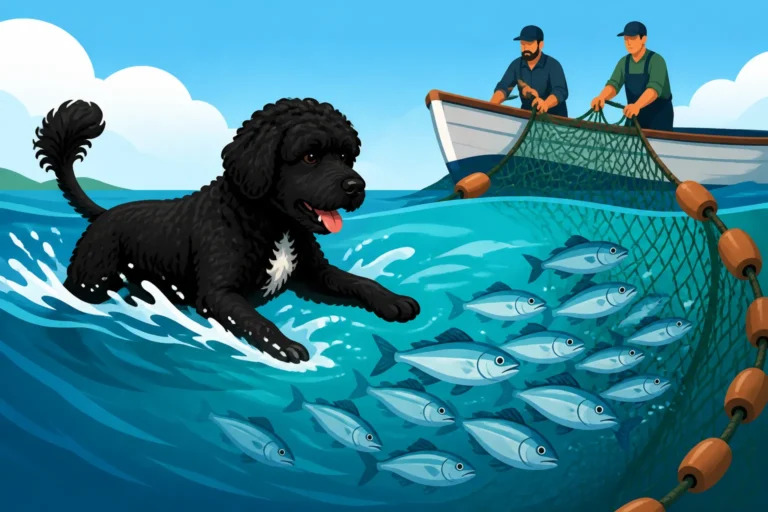
Let's be real: your average Portuguese Water Dog isn't just "keen" on retrieving; it's practically hardwired into their DNA. These aren't your couch potato breeds. They were bred for centuries to be working partners on fishing boats along Portugal's coast, and that work involved a whole lot of fetching – retrieving lost tackle, driving fish into nets, and carrying messages between boats. It was a physically demanding, mentally engaging job, and their love for water and retrieving stems directly from that heritage.
A Breed Built for the Job
Think about it: a dog that spent its days on a fishing boat couldn't afford to get tired quickly. It had to be alert, agile, and able to withstand hours of physical activity in and out of the water. Their dense, non-shedding coat provides insulation, their powerful hindquarters give them incredible propulsion in the water, and those distinctive webbed feet are like built-in flippers. All of these physical traits contribute to a dog that's naturally equipped for sustained retrieving work. It’s not just about wanting to retrieve; it’s about being built to retrieve. This deep-seated desire and physical capability mean that for many PWDs, "how long will they retrieve" isn't a question of desire, but more about physical limits and proper management.
The Mental Aspect of the Retrieve
Beyond the physical, there's a strong mental component to a Portuguese Water Dog's retrieving drive. For them, it's not just a game; it's a job. They thrive on having a purpose, and retrieving fulfills that need perfectly. It taps into their intelligence, their problem-solving skills, and their desire to please their human companions. When you throw a toy, they're not just running after it; they're engaging their prey drive, their focus, and their bond with you. This mental engagement means that even if their body might be getting a little tired, their mind can still be buzzing with excitement, pushing them to go for "just one more." This is why a simple walk often doesn't cut it for these intelligent dogs; they need something to do, and retrieving is often a perfect outlet for their energy and brainpower. If you're struggling with a dog that constantly needs a task, consider exploring Why a Portuguese Water Dog Needs a Job.
Factors Influencing Retrieval Endurance
While their breed history gives them a strong foundation, how long your individual Portuguese Water Dog will actually keep retrieving depends on a variety of factors. It's not a one-size-fits-all answer, and understanding these nuances will help you tailor playtime to your dog's specific needs.
Age and Developmental Stage
A young Portuguese Water Dog puppy has bursts of energy followed by quick naps. They might sprint for a few throws, then flop down, only to be ready again five minutes later. Their bodies are still growing, and it's crucial not to overdo it with intense retrieval sessions that could strain developing joints. For a puppy, short, frequent sessions are best. As they move into adolescence, their stamina increases dramatically. This is when you'll truly start to see that "endless energy" everyone talks about. They might run for an hour or more, barely breaking a sweat.
However, as they enter their senior years, typically after the age of nine or ten, their endurance will naturally begin to wane. They might still love the game, but their bodies won't keep up quite as long. Arthritis, muscle loss, or even just a general slowing down will mean shorter, less intense retrieval sessions are in order. It's important to be mindful of Caring for an Aging Portuguese Water Dog and how their physical capabilities change with time. You might notice they can retrieve for a solid 30-45 minutes in their prime, but an older dog might be happy with 15-20 minutes, or even just a few throws before they decide to supervise from the sidelines.
Fitness and Conditioning
Just like people, a Portuguese Water Dog's fitness level directly impacts their endurance. A dog that gets consistent, vigorous exercise daily will have much greater stamina than one that primarily hangs out indoors. Regular swimming, long hikes, and varied activities build muscle tone, cardiovascular health, and overall fitness. If your PWD is well-conditioned, they could easily retrieve for an hour or more in a good session, especially if it involves water. Their bodies are incredible machines when properly maintained.
Conversely, a dog that's out of shape will tire much faster, and pushing them too hard can lead to injury or exhaustion. It's a gradual process to build up their fitness. Don't expect a sedentary dog to suddenly go for an hour-long swim and fetch session. Start slow, build up duration and intensity, and observe your dog closely. Providing them with opportunities to engage in a variety of activities will keep them fit and ready for longer retrieval games. Consider regular structured play or even enrolling in a dog sport to keep them in peak condition. How Much Exercise a Portuguese Water Dog Needs is a great resource for understanding their activity requirements.
Environment and Temperature
The conditions under which you're retrieving play a huge role. On a hot, humid day, any dog will tire more quickly and be at a higher risk of overheating. A Portuguese Water Dog's dense coat, while great for cold water, can make them more susceptible to heat exhaustion on land. In these conditions, retrieval sessions should be kept short, occur during cooler parts of the day, and ideally involve water to help them cool down. Access to shade and fresh water is non-negotiable.
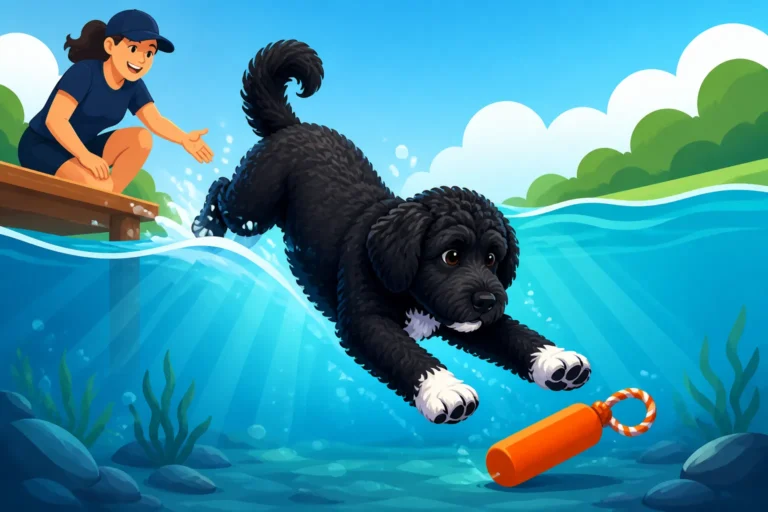
In contrast, on a cool, crisp day, or especially in water, a PWD can keep going for what feels like forever. Swimming is fantastic for them because it's low-impact and incredibly efficient at cooling them down. A retrieving session in a lake or ocean will typically last much longer than one on a dry field. However, even in water, exhaustion can creep up. Always be aware of strong currents or very cold water, which can also impact their stamina and safety. Remember that How Long a Portuguese Water Dog Can Stay in Cold Water has its limits, too.
Type of Retrieval and Toy
Not all retrieval is created equal. Chasing a squeaky ball on flat ground is one thing; diving into waves to retrieve a bumper is another. The intensity of the retrieval impacts how long they can sustain it.
- High-intensity, short-burst activities: Like a spring pole or a quick game of frisbee, might tire them out mentally and physically faster than repetitive, moderate fetching.
- Water retrieval: As mentioned, often allows for longer sessions due to the cooling effect and reduced impact on joints.
- Toy type: A heavy, water-logged toy requires more effort than a lightweight frisbee. Durable, buoyant toys are essential for water work. Brands like Kong or Ruffwear offer excellent options that can withstand a PWD's enthusiastic retrieval style and are readily available on platforms like Amazon.
Training and Focus
A well-trained Portuguese Water Dog with strong recall and a solid "drop it" command will have more efficient and less frustrating retrieval sessions. If you're constantly having to chase your dog to get the toy back, or they're getting distracted, the session becomes less about retrieving and more about managing their behavior. Good training enhances their ability to focus on the task at hand, making each retrieve more productive and enjoyable for both of you. Positive reinforcement and engaging training methods, such as those offered by BAXTER & Bella, can significantly improve their focus and retrieval etiquette, extending the effective playtime. A dog that knows what's expected will spend less energy on indecision and more on the fun of the game.
Maximizing Your Portuguese Water Dog's Retrieval Sessions
So, you want to ensure your Portuguese Water Dog gets the most out of their beloved retrieving sessions, right? It’s not just about letting them run wild, but rather about thoughtful planning and engagement.
Structured Play Versus Free-for-All
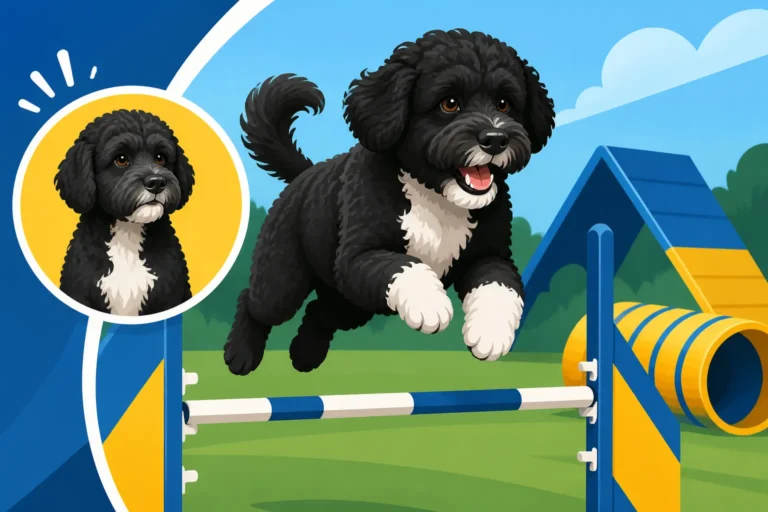
While PWDs love a good free-for-all, structured play can significantly extend their healthy retrieval time. Instead of just throwing a ball repeatedly until they drop, incorporate variations. Throw it, then make them do a "sit" or "stay" before the next toss. Hide the toy for them to "find." Vary the distance and direction of your throws. This mental engagement adds a layer of complexity that can be just as tiring, if not more so, than pure physical exertion, and prevents them from simply running themselves into the ground.
You can also use multiple toys. When they bring one back, throw the second immediately, encouraging them to drop the first and chase the new one. This keeps the momentum going and reduces the urge to hold onto the toy. Always keep an eye on their enthusiasm; a good retrieval session should be fun and energetic, not a forced march. Consider how Which Retrieving Games Tire a Portuguese Water Dog might factor into your play.
Fueling Their Endless Energy
An athletic dog like the Portuguese Water Dog needs appropriate nutrition to sustain their high energy levels. A high-quality dog food, rich in protein and healthy fats, provides the fuel for those long retrieval sessions. Just like human athletes, dogs performing strenuous activities burn a lot of calories and need the right nutrients for muscle repair and sustained energy. Discuss your dog's activity level with your vet to determine the best diet.
Hydration is equally, if not more, critical. Always have fresh water available, especially during and after exercise. If you're playing near a lake or ocean, your PWD might drink some of that water, but it's important to offer clean water too. Many dogs will happily slurp down water from a portable bowl during a break. On longer outings, consider carrying a collapsible water bowl and a bottle of fresh water. Feeding an Athletic Portuguese Water Dog goes into more detail about their dietary needs.
Incorporating Rest and Recovery
Even the most enthusiastic retriever needs rest. Building in short breaks during a session allows them to catch their breath, rehydrate, and prevents overexertion. A good rule of thumb is to give them a 5-10 minute break every 20-30 minutes of intense play, especially on warmer days or if they're particularly gung-ho. During these breaks, encourage them to lie down in the shade, offer water, and maybe give them a gentle massage.
Post-session recovery is just as important. A good cool-down walk on a leash, followed by a thorough check for any cuts or scrapes, especially on their paws, is a must. Allow them to relax and rehydrate fully. Just like us, proper recovery helps prevent injuries and keeps them keen for the next session.
Here's a quick comparison of factors influencing retrieval duration:
| Factor | Increases Retrieval Duration | Decreases Retrieval Duration |
|---|---|---|
| Age | Prime adult years (2-8 years) | Puppyhood (rapid exhaustion), Senior years (reduced stamina) |
| Fitness | Well-conditioned, regular exercise | Sedentary, out of shape |
| Environment | Cool weather, shaded areas, water retrieval | Hot/humid weather, direct sun, dry land |
| Training | Strong recall, "drop it" command, focus on task | Poor training, easily distracted, toy guarding |
| Toy Type | Lightweight, easy to carry, buoyant in water | Heavy, awkward to carry, non-buoyant |
| Hydration | Consistent access to fresh water | Dehydration |
| Breaks | Short, frequent rest periods | Continuous, intense play without breaks |
| Nutrition | High-quality, energy-dense food | Poor diet, insufficient calories |
Recognizing When Your Portuguese Water Dog Needs a Break
Portuguese Water Dogs are notoriously stoic and can hide signs of fatigue or discomfort, especially when they're in the zone. As their human, it's your responsibility to know when to call it quits, even if they still seem eager. Pushing them too far can lead to exhaustion, heatstroke, or injury, which nobody wants.
Subtle Signs of Fatigue
It's rare for a PWD to just stop retrieving if they're having fun, so you need to look for the more subtle cues.
- Slowing down: Are their sprints becoming less enthusiastic? Is their return pace lagging?
- Less vigorous tail wags: The tail is a great indicator of mood and energy. A tired wag is distinct from an excited one.
- Increased panting or heavier breathing: Especially if it seems disproportionate to the activity or if their panting sounds labored.
- Dropping the toy before reaching you: Or just not bringing it all the way back, preferring to lie down with it nearby.
- Reduced focus: Are they getting distracted more easily by sounds or smells? Do they hesitate before chasing the next throw?
- Seeking shade or water on their own: This is a clear sign they're trying to regulate their body temperature or find comfort.
If you notice these signs, it's time for a break. Don't wait until they completely crash. Early intervention is key to keeping them safe and happy. How a Portuguese Water Dog Hides Pain is a valuable read on their stoic nature.
Signs of Overexertion or Heat Stress
These are more serious signs and require immediate action.
- Excessive, non-stop panting: Even when at rest, or if their gums look unusually red or pale.
- Thick, ropy saliva: This can be a sign of dehydration and heat stress.
- Stumbling or loss of coordination: They might seem disoriented or weak.
- Vomiting or diarrhea.
- Collapse or unresponsiveness: This is an emergency and requires immediate veterinary attention.
If your dog exhibits any of these severe signs, stop play immediately, get them into a cool, shaded area, offer small amounts of water, and apply cool (not ice cold) water to their paws, belly, and armpits. Seek veterinary help right away. It's always better to be overly cautious when it comes to heat stress or exhaustion.
Importance of Variety
While retrieving is a Portuguese Water Dog's passion, it shouldn't be their only form of exercise. Varying their activities helps work different muscle groups, provides mental stimulation, and reduces the risk of repetitive strain injuries. Think about incorporating long walks or hikes, Teaching a Portuguese Water Dog to Swim on Cue (without the retrieving component sometimes), puzzle toys, or obedience training. This variety keeps them physically and mentally sharp and prevents burnout from endless fetching.
A balanced exercise routine not only supports their physical health but also contributes to their overall well-being. A happy, healthy Portuguese Water Dog will be ready and eager for their retrieval sessions, but will also appreciate other forms of engagement. They might keep retrieving for an hour or more in their prime, given the right conditions, but the real measure of a successful session is their joyful enthusiasm, not just the clock. Remember, a Portuguese Water Dog that gets enough varied exercise will be a much happier companion, and they'll likely live a longer, healthier life too. The Twelve to Fifteen Years a Portuguese Water Dog Gets is a testament to their potential for longevity with good care.
Disclaimer
This article is for general informational purposes only and does not constitute professional advice. Laws, prices and regulations vary by location and change over time. Consult a qualified professional for guidance on your specific situation.