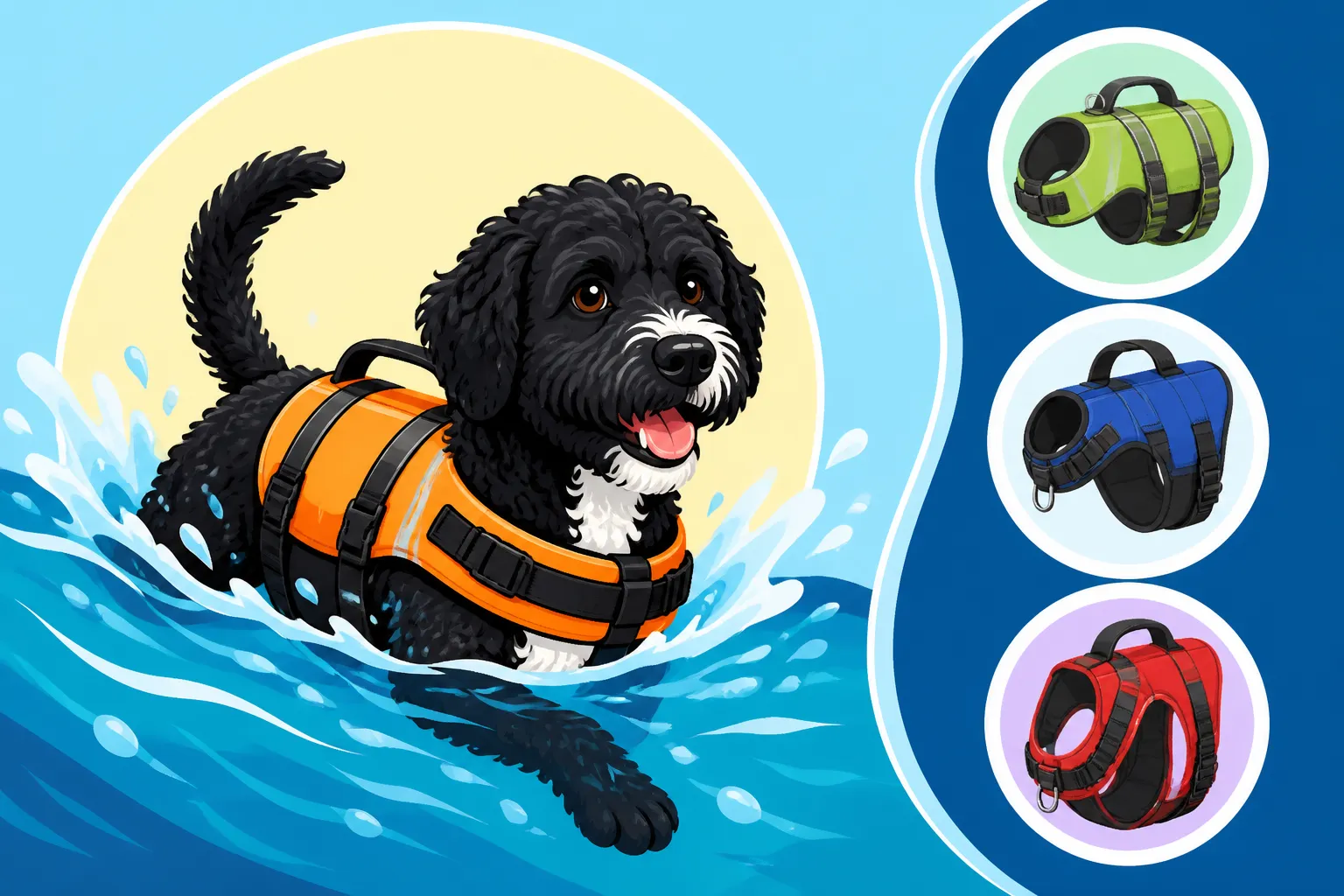
Which Harness a Portuguese Water Dog Can Swim In
It's a familiar scene for Portuguese Water Dog owners: you're heading out for a swim, whether it's the local lake, the ocean, or even just a splash in the backyard kiddie pool, and you wonder if your dog's regular walking harness is really up to the task. The truth is, many standard harnesses aren't designed for the unique demands of water work, leading to discomfort, chafing, or even safety risks. This guide will walk you through what makes a truly effective swimming harness for your PWD, ensuring they're both safe and comfortable while enjoying their favorite activity.
Why Your Everyday Harness Might Not Be Suitable for Water Adventures
You've probably invested in a good, sturdy harness for your Portuguese Water Dog's daily walks and adventures. It fits well, prevents pulling, and feels secure. But when it comes to jumping into the water, those very features can become drawbacks. Imagine strapping into your hiking boots for a swim – not ideal, right? The same principle applies to your PWD's gear.
Material Matters in the Wet
Most standard harnesses are made from nylon, polyester, or similar sturdy fabrics designed for durability on land. While excellent for dry conditions, these materials can become heavy and waterlogged when submerged. A wet, heavy harness can drag your dog down, restrict their movement, and generally make swimming much less enjoyable. It’s not just about the weight, either; these materials can also take a long time to dry, creating a prime breeding ground for bacteria and that all-too-familiar "wet dog" smell that just lingers. You want a harness that sheds water quickly and dries efficiently, much like your PWD's natural, water-resistant coat.
Chafing and Rubbing Concerns
Think about how a wet t-shirt feels after a long run – it can rub and chafe. A harness that fits perfectly on land might become a source of irritation when wet. As your Portuguese Water Dog paddles and moves vigorously in the water, the fabric can shift and rub against their skin, especially in sensitive areas like the armpits and chest. This friction, combined with wet fur, can quickly lead to painful chafing, skin irritation, or even hot spots. A poorly fitting or inappropriate harness can turn a joyous swim into a miserable experience, and no PWD owner wants that. You might even find yourself looking up Whether a Portuguese Water Dog Gets Hot Spots if you're not careful.
Safety and Buoyancy Limitations
While a regular harness might have a D-ring for a leash, it rarely offers any built-in buoyancy or a sturdy handle for retrieval. If your Portuguese Water Dog gets tired, or if you need to guide them back to the boat, shore, or dock, a standard harness doesn't give you much to work with. There's a real difference between gently pulling your dog by their collar on land and needing to lift them safely out of the water. For intense water sports like dock diving or even just strong currents, having a proper handle and even some buoyancy can be a lifesaver. This is especially true for younger dogs, or if you're exploring How Far a Portuguese Water Dog Can Swim.
Key Features to Look for in a Swimming Harness
When you're outfitting your amazing water dog, a swimming harness isn't just an accessory; it's a vital piece of safety equipment and comfort gear. Selecting the right one means considering several factors that go beyond what you'd look for in a typical walking harness.
Quick-Drying and Durable Materials
This is probably the most crucial feature. Look for harnesses made from neoprene, breathable mesh, or specially designed water-resistant nylons. Neoprene, often used in wetsuits, is fantastic because it doesn't absorb much water, dries incredibly fast, and offers a bit of insulation, which can be a plus if your PWD is swimming in cooler waters. Breathable mesh allows water to drain away quickly and promotes air circulation, reducing drying time and the risk of skin issues. Some high-quality harnesses might use a combination of these materials. The key is that they shouldn't become waterlogged and heavy.
Ergonomic Design and Secure Fit
A swimming harness needs to fit snugly but comfortably, allowing a full range of motion for paddling without rubbing. Look for designs that minimize contact in the armpit area and distribute pressure evenly across the chest and back. Adjustable straps are a must, as you’ll want to be able to fine-tune the fit. A harness that’s too loose can shift and create tangles, while one that’s too tight will restrict movement and cause chafing. Many quality brands offer multiple adjustment points. Consider trying on the harness and letting your dog move around freely, even performing mock swim motions on land, if possible, to check the fit. Don't forget that a comfortable fit is paramount, whether it's for a quick dip or for extended water activities like those discussed in What Water Trials Cost a Portuguese Water Dog Owner.
Built-in Handles and Reflective Strips
A sturdy top handle is an absolute game-changer. This allows you to easily lift your Portuguese Water Dog out of the water, guide them back to the boat, or help them up a slippery bank. It's not just about emergencies; it's about control and assistance. For instance, if you're teaching your Teaching a Portuguese Water Dog Puppy to Enter Water, a handle gives you that gentle guidance. The handle should be robust, comfortable for your hand, and securely stitched to the harness. Reflective strips or bright colors are also highly recommended, especially if your PWD will be swimming during dawn, dusk, or in areas with boat traffic. Visibility is a critical safety feature, ensuring both you and others can easily spot your dog in the water.
Optional Buoyancy Elements
While not strictly a "harness" feature in the traditional sense, many excellent water-specific harnesses come with integrated buoyancy aids, essentially acting as a life jacket. For dogs new to swimming, older dogs, or those with certain health conditions, this added lift can make a huge difference in their stamina and confidence. Even for strong swimmers like Portuguese Water Dogs, a buoyancy aid can provide extra security in strong currents or during long swims. It can also help keep their heads above water more easily, reducing fatigue. These often feature foam panels strategically placed to provide lift without impeding movement. If you're wondering about longer-term care, thinking about Whether an Aging Portuguese Water Dog Should Still Swim might highlight the need for this kind of support.
Top Types of Harnesses Suitable for Water Work
Okay, so you know what to look for. Now let's talk about the types of harnesses that actually deliver on those promises. Not all "water-friendly" harnesses are created equal, and some are much better suited to the specific needs of a Portuguese Water Dog.
Life Vest Style Harnesses
When we talk about swimming harnesses, often what comes to mind first are life vest style options. These are incredibly popular and for good reason. They offer the best of both worlds: a secure harness function combined with buoyancy. Most feature durable, quick-drying fabrics like neoprene or ripstop nylon, often in bright, high-visibility colors like orange or yellow. They'll have strategically placed foam panels that provide lift, helping your PWD stay afloat with less effort.
A good life vest harness will have multiple adjustable straps around the neck and belly to ensure a snug, comfortable fit that won't impede leg movement. Critically, they almost always include a robust handle on the back, allowing you to easily retrieve your dog from the water or guide them as needed. Some even have a D-ring for leash attachment, so you can walk them to and from the water. For an active dog that spends a lot of time in open water, or if you want to ensure maximum safety while they’re swimming, a life vest style harness is truly the gold standard. Many dog owners find great options for these on Amazon, often with customer reviews that specifically mention how well they work for active, water-loving breeds.
Sport or Performance Harnesses with Water-Friendly Materials
Moving a step away from full-on life vests, you'll find a category of sport or performance harnesses designed with water activities in mind, but without the full buoyancy. These are usually made from highly breathable, quick-drying meshes or lightweight, water-resistant nylons. They focus on maintaining a secure fit that won't chafe when wet, allowing your Portuguese Water Dog maximum agility in the water.
These harnesses are excellent for PWDs who are strong, confident swimmers and don't necessarily need the extra buoyancy but still require a way to be easily handled or secured. They'll typically feature a comfortable chest plate, sturdy buckles, and sometimes a smaller, reinforced handle on the back for quick grabs. While they don't offer the same lift as a life vest, their quick-drying properties and ergonomic design significantly reduce the risk of rubbing and discomfort that a standard harness would cause. They're perfect for the PWD who loves to jump in and out of the water frequently, or for activities where full buoyancy might be overkill.
Comparison of Harness Types
| Feature | Life Vest Style Harness | Sport/Performance Water Harness | Standard Walking Harness |
|---|---|---|---|
| Primary Purpose | Safety, buoyancy, water activities | Comfort, control, water activities | Walking, training, land-based control |
| Buoyancy | High (built-in foam panels) | Minimal to none | None |
| Materials | Neoprene, ripstop nylon, mesh (quick-drying) | Breathable mesh, water-resistant nylon (quick-drying) | Nylon, polyester, canvas (absorbent) |
| Drying Time | Fast | Fast | Slow (prone to dampness) |
| Chafing Risk (Wet) | Low (designed for wet use) | Low (designed for wet use) | High (fabrics can rub and hold moisture) |
| Handle for Retrieval | Yes, usually large and sturdy | Often a smaller, reinforced handle or none | Rarely, if ever |
| Visibility | High (bright colors, reflective accents) | Variable (look for bright colors/reflectives) | Variable |
| Ideal User | All swimmers, especially puppies, seniors, or new swimmers; active water sports | Strong, confident swimmers; frequent water access | Daily walks, land-based activities |
Putting It All Together: Choosing and Using Your Swim Harness
Choosing the right swimming harness isn't just about buying a product; it's about investing in your Portuguese Water Dog's safety and enjoyment. You want something that will stand up to countless splashes and dives without compromising their comfort or your peace of mind.
Measuring for the Perfect Fit
Just like any other piece of gear, proper fit is paramount. Before you even think about ordering, grab a soft measuring tape. You'll want to measure your Portuguese Water Dog's chest girth (the widest part of their rib cage, just behind the front legs) and their neck circumference. Some life vest style harnesses might also ask for a length measurement from neck to base of tail. Always compare these measurements to the manufacturer's sizing chart. Don't assume sizes are universal across brands.
Remember, a PWD's coat, whether curly or wavy, can be quite dense, so ensure the tape is snug against their body, not just floating on top of their fur. If you're between sizes, often sizing up is the safer bet with adjustable straps, but always check the specific brand's recommendation. A well-fitted harness should allow you to comfortably slide two fingers under any strap. This prevents chafing, ensures the harness doesn't restrict movement, and guarantees it won't slip off in the water.
Getting Your Portuguese Water Dog Acclimated
Even if your PWD is a natural water dog, a new piece of gear can feel strange. Don't just throw the harness on and push them into the lake! Introduce the new harness slowly. Let them sniff it, reward them for calm interactions. Put it on them for short periods at home, praising and treating them generously. How Trainable a Portuguese Water Dog Is means they'll pick it up quickly with positive reinforcement.
Once they're comfortable wearing it around the house, take them for a quick, dry walk in it. Then, introduce it to water gradually. Maybe a shallow dip, or a quick run through the sprinklers while wearing it. The goal is to create positive associations. Many dog training programs, like those offered by BAXTER & Bella, emphasize gradual exposure and positive reinforcement, which is excellent advice for any new experience, including a swimming harness. You want them to view the harness as a sign that fun times are ahead!
Maintenance and Care for Longevity
Water harnesses take a beating, especially with frequent use in varying water conditions (chlorine, salt, lake water). To ensure longevity and prevent skin issues for your PWD, proper cleaning is essential. After every swim, rinse the harness thoroughly with fresh water. This removes salt, chlorine, dirt, and any lake residue. Hang it up to air dry completely in a well-ventilated area, away from direct sunlight, which can degrade materials over time.
Periodically, you'll want to give it a deeper clean. Check the manufacturer's instructions, but often a gentle hand wash with a mild, pet-safe soap is sufficient. Pay attention to straps and buckles, ensuring no sand or debris is trapped, which could cause rubbing. Regular inspection for wear and tear – frayed straps, cracked buckles, or thinning fabric – is also crucial. Replacing a worn harness before it fails is a simple but vital safety measure. Keeping it clean and dry also helps prevent issues like those mentioned in Why a Portuguese Water Dog's Ear Canal Traps Water by reducing the risk of bacterial growth near their body.
Recognizing When a Harness isn't Working
Sometimes, despite your best efforts, a particular harness just isn't right. Watch your Portuguese Water Dog closely for any signs of discomfort. Are they trying to chew at the harness? Are they scratching excessively after a swim? Do you notice any redness, bare patches, or scabs under the straps? These are all clear indicators that the harness might be chafing, rubbing, or simply not fitting well.
If you observe reduced enthusiasm for swimming, it could also be a subtle sign of discomfort. Your PWD should be joyful and uninhibited in the water. If their movement seems restricted, or if they're exhibiting unusual behaviors, it's time to re-evaluate the harness. Don't hesitate to try a different style or brand if the current one isn't serving your dog effectively. Your Portuguese Water Dog's comfort and safety are always worth the extra effort.
Disclaimer
This article is for general informational purposes only and does not constitute professional advice. Laws, prices and regulations vary by location and change over time. Consult a qualified professional for guidance on your specific situation.