Why a Portuguese Water Dog’s Ear Canal Traps Water
One of the most common frustrations Portuguese Water Dog owners face, especially those whose dogs live up to their name and spend a lot of time in the water, is dealing with their ears. That deep, dark, and often moist ear canal can become a real problem, acting like a damp cave where water loves to hide out. This comprehensive guide will dive deep into why your Portuguese Water Dog's ear canal traps water, the potential health consequences, and crucially, what you can do to prevent those frustrating, painful, and often recurring ear infections.
The Unique Anatomy and Coat of the Portuguese Water Dog Ear
It’s easy to look at a Portuguese Water Dog's adorable, floppy ears and not think twice about what’s going on underneath. But these aren’t just any ears; they're perfectly designed for catching and holding water, which, while useful for keeping debris out in some situations, becomes a real liability in a swimming breed. Understanding the specific characteristics that contribute to this issue is the first step in effective prevention.
The Inner Workings of a PWD's Ear Canal
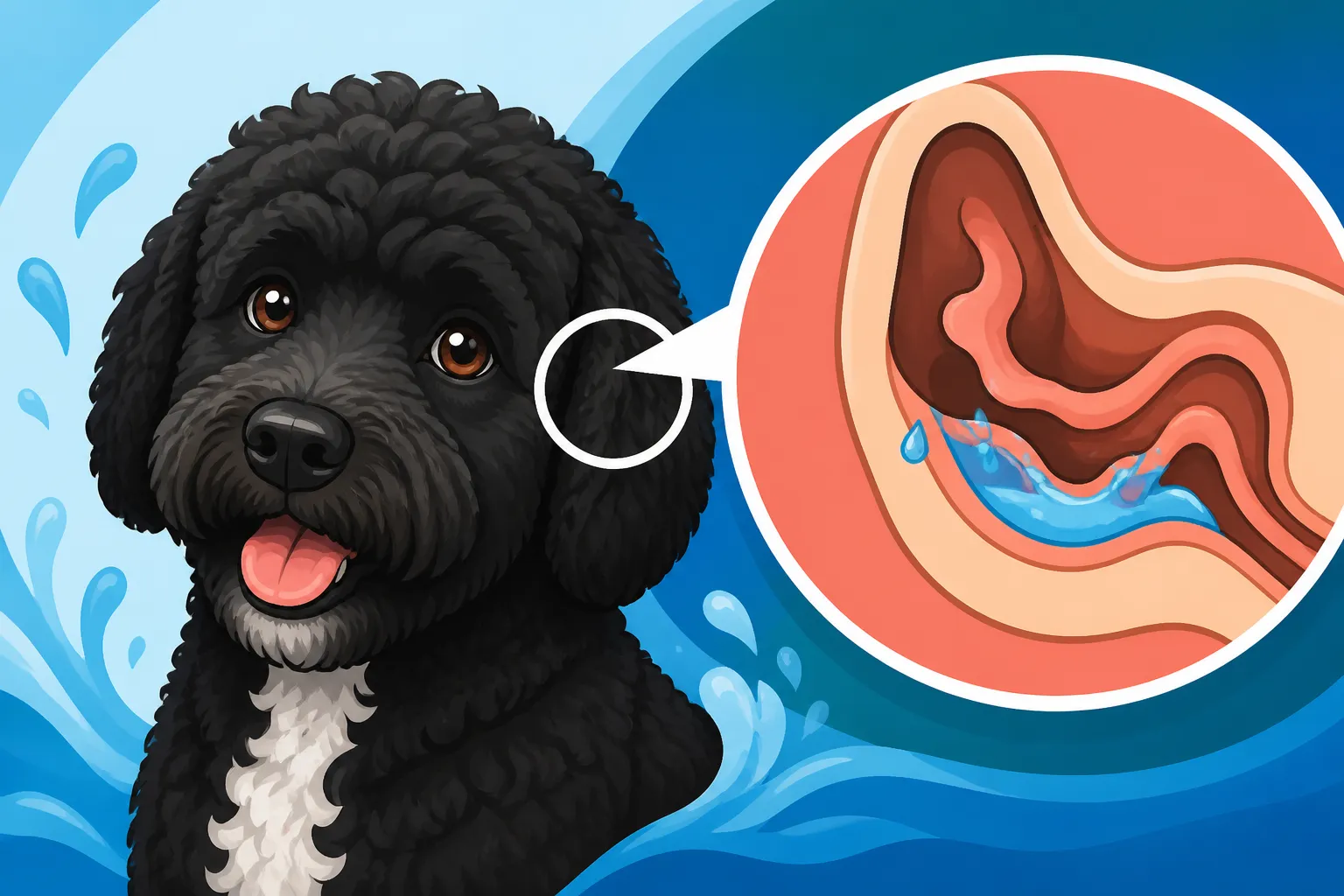
Unlike humans, whose ear canals are relatively short and horizontal, a dog's ear canal is long and L-shaped. It starts vertically and then takes a sharp turn horizontally before reaching the eardrum. In Portuguese Water Dogs, this design is further complicated by the ear flap, or pinna, which hangs down. This floppy structure effectively covers the opening of the canal, trapping air, warmth, and critically, moisture inside. When water gets in – and with a PWD, water always gets in – it doesn't just run back out easily. Gravity isn't on your side here; that L-shape and the overlying flap create a perfect pocket for water to pool. Think of trying to empty a bent straw – it’s a lot harder than a straight one, right? That’s essentially what’s happening in your PWD's ear.
The Role of the PWD's Dense, Water-Resistant Coat
Now, let's talk about that glorious coat. Whether your PWD has the tight curl or the wavy coat, it's dense, water-resistant, and designed to insulate them even in cold water. This coat extends right into and around the ear canal. Inside the ear, this hair can grow quite profusely. While it provides some protection from foreign objects, it also acts like a sponge, soaking up and holding onto any moisture that enters the canal. The hair then creates a barrier, preventing air circulation and inhibiting natural drying. It’s like having a thick, wet mat crammed into an already poorly ventilated space. This creates a perpetually damp environment, which is the absolute ideal breeding ground for all sorts of unwanted microorganisms. If you've ever wondered Whether a Portuguese Water Dog's Ear Canal Stays Wet, the answer is, unfortunately, often yes, thanks to this combination of anatomy and coat.
How Frequent Swimming Exacerbates the Issue
Given their heritage and innate love for water, Portuguese Water Dogs are often found splashing, swimming, and diving. This is exactly what they were bred for, and it's fantastic for their physical and mental well-being. However, every single swim is an opportunity for water to enter those deep, hairy ear canals. A quick dip or a long, vigorous retrieve in the lake means a fresh influx of moisture. For a breed that might swim daily, or even multiple times a day, the ears are rarely given a chance to fully dry out naturally between aquatic adventures. This constant exposure to moisture, combined with their unique ear structure and coat, means that their ear canals are almost constantly damp. This isn't just about the occasional splash; it's about the cumulative effect of a lifetime of joyous, wet activity.
The Hazards of Persistent Moisture in Ear Canals
Allowing water to linger in your Portuguese Water Dog's ears isn't just a minor inconvenience; it sets the stage for a host of painful and potentially serious health problems. The warm, dark, and damp environment is precisely what opportunistic pathogens need to thrive, leading to chronic discomfort and costly veterinary visits.
The Breeding Ground for Bacteria and Yeast
Picture a warm, humid bathroom that never truly dries out – what starts growing on the tiles? Mold, mildew, bacteria. The inside of a damp Portuguese Water Dog ear canal is much the same. The trapped water, combined with the body heat and lack of air circulation, creates an incredibly inviting environment for bacteria and yeast, which are naturally present on your dog’s skin, to multiply unchecked. Normally, these microorganisms are kept in balance, but with continuous moisture, that balance is easily disrupted. Yeasts, in particular, love a moist, warm environment and can grow rapidly, leading to that characteristic yeasty smell you might associate with an ear infection. Bacteria also thrive, causing painful inflammation and pus. This is why Why a Swimming Dog Gets Ear Infections is such a common topic for PWD owners.
Chronic Ear Infections Otitis Externa
When these bacteria and yeast populations explode, the result is otitis externa – an inflammation or infection of the outer ear canal. This isn't just a one-off problem; for PWDs, it can become chronic and recurring if not properly managed. A dog might experience an infection, get treated, seem better, only for it to flare up again after the next swimming session because the underlying issue of trapped moisture hasn't been addressed. Chronic infections can lead to thickening of the ear canal tissues, making it even harder for air to circulate and for treatments to penetrate. In severe, long-standing cases, the infection can even progress to the middle or inner ear, leading to more serious issues like hearing loss or neurological problems. It's a frustrating cycle for both dog and owner. How Often a Portuguese Water Dog Gets an Ear Infection really depends on how diligent an owner is with preventative care.
The Pain and Discomfort for Your Dog
Imagine having a constant itch, or even a throbbing pain, deep inside your ear. That’s what many dogs with ear infections experience. The inflammation, swelling, and discharge caused by bacterial or yeast overgrowth are incredibly uncomfortable. Your dog might show clear signs of distress:
- Head shaking: Repeatedly shaking their head, sometimes violently, to try and dislodge the discomfort.
- Ear scratching: Pawing or scratching at their ears, often to the point of causing skin irritation or even open wounds around the ear flap.
- Rubbing: Rubbing their head against furniture, the carpet, or even your leg.
- Whimpering or crying: Especially when the ear is touched or when they shake their head.
- Redness and swelling: The inside of the ear flap and the visible part of the ear canal might look red and swollen.
- Discharge: You might notice a yellowish, brownish, or blackish discharge, which can be waxy or pus-like.
- Odor: A strong, often unpleasant odor emanating from the ear, which can be yeasty or foul.
These are all signs that your dog is in pain. Ignoring these symptoms not only prolongs their suffering but can allow the infection to worsen, potentially leading to more severe and harder-to-treat conditions. If you notice Signs a Portuguese Water Dog's Ear Is Infected, it's time for action.
Proactive Strategies for Ear Drying and Maintenance
The good news is that with a consistent routine and the right tools, you can significantly reduce the risk of your Portuguese Water Dog developing ear infections. It’s all about diligent, proactive care, especially for a dog that loves the water as much as a PWD.
Immediate Post-Swim Care
This is perhaps the single most critical step for any water-loving Portuguese Water Dog. As soon as your dog comes out of the water, whether it's the ocean, a lake, or even the backyard pool, you need to address their ears.
- Towel Dry Thoroughly: Gently but firmly towel dry the outside of their ear flaps and as much of the visible ear canal as you can reach with your fingers wrapped in a towel. Don't be afraid to gently lift the ear flap and blot inside. Keep a designated "dog towel" by the door or in your car for this exact purpose. Whether a Portuguese Water Dog Needs a Towel by the Door is not a question, it's a necessity!
- Use an Ear Drying Solution: This is a game-changer. These solutions are specifically formulated to help evaporate water and often contain ingredients that acidify the ear canal, creating an environment less hospitable to bacteria and yeast. After towel drying, apply a generous amount into each ear canal as directed on the product label. Gently massage the base of the ear to help distribute the solution, then let your dog shake their head naturally. There are many excellent options available through retailers like Chewy or Amazon. Look for products that are veterinary-approved and designed for regular use. What an ear drying solution (Whether an Ear Drying Solution Helps a Portuguese Water Dog) helps with is preventing those nasty infections.
- Consider a Force Dryer: If your PWD tolerates it, a canine force dryer (not a human hairdryer, which can be too hot and burn the skin) can be incredibly effective at drying the ear canals after a swim or bath. Hold the nozzle a safe distance from the ear and aim the airflow into the canal for short bursts, gently lifting the ear flap to ensure air circulates. This can blast out remaining moisture and significantly speed up drying. Whether a Portuguese Water Dog Tolerates a Dryer is something you might need to train them for gradually.
The Importance of Regular Ear Cleaning
Beyond immediate post-swim drying, regular ear cleaning is vital. This helps remove wax, dirt, and any lingering moisture, further reducing the risk of infection.
- Weekly Checks: Make it a habit to check your Portuguese Water Dog's ears at least once a week, and more frequently if they're swimming often. Lift the ear flap, examine the visible parts of the canal for redness, discharge, or odor. How Often a Portuguese Water Dog's Ears Need Checking should be tied directly to their activity level.
- Appropriate Ear Cleaner: Use a veterinary-approved ear cleaner. These are different from drying solutions; they help break down wax and debris. Apply the cleaner as directed, gently massage the base of the ear for 20-30 seconds, and then allow your dog to shake their head. Use cotton balls or soft gauze to wipe away any loosened debris from the visible parts of the ear. Never use cotton swabs (Q-tips) deep inside the ear canal, as this can push debris further down or even damage the eardrum. For suitable options, online stores like Chewy and Amazon offer a wide range of reputable brands. What to Clean a Portuguese Water Dog's Ears With should always be a product recommended by your vet.
- Maintain a Schedule: Consistency is key. Establish a routine for ear cleaning – perhaps after their weekly bath or grooming session – to ensure it doesn't get overlooked. For swimming dogs, you might find yourself doing a quick clean every few days, especially if they have a lot of ear hair. How Often a Swimming Portuguese Water Dog Needs Ear Cleaning really depends on how prone they are to infections, but a good baseline is weekly or bi-weekly cleaning in addition to post-swim drying.
Consider Trimming Ear Hair
That dense coat, as we discussed, extends into the ear canal, acting like a damp sponge. Trimming or plucking this hair (if done correctly) can dramatically improve air circulation and help the ear canal dry out more effectively.
- Professional Groomer: Many owners prefer to have their professional groomer handle ear hair. They have the right tools and expertise to safely trim or pluck hair from the ear canal. Discuss with your groomer if your dog is prone to ear infections and what they recommend for ear hair management.
- Veterinary Advice: Always consult with your veterinarian before attempting to pluck ear hair yourself. Some vets advise against plucking as it can cause micro-traumas to the delicate skin inside the ear, potentially leading to inflammation or infection if not done perfectly. They might suggest simply trimming the hair around the opening or using specific thinning shears.
- Home Trimming: If you do decide to trim ear hair at home, use blunt-nosed scissors specifically designed for pet grooming. Only trim hair that is visible around the outer opening of the ear canal. Never insert scissors deep into the ear, as a sudden head shake could lead to injury. Whether a Portuguese Water Dog's Ear Hair Should Be Removed is a common question, and the answer is usually 'yes' to improve airflow, but the method of removal is where opinions differ.
Tools and Products for Ear Care
Having the right arsenal of tools can make ear care much easier and more effective.
| Category | Product Example | Purpose | Where to Find (Examples) |
|---|---|---|---|
| Drying Solution | Veterinary-formulated ear drying solution | Evaporates trapped water, acidifies ear canal | Chewy, Amazon, Vet clinics |
| Cleaner | Medicated or gentle ear cleaner | Dissolves wax, removes debris, maintains pH balance | Chewy, Amazon, Vet clinics |
| Wipes/Pads | Soft cotton rounds or pet-specific ear wipes | Wiping outer ear, applying cleaner/dryer | Chewy, Amazon, Pet stores |
| Grooming Tools | Blunt-nosed scissors, ear powder (for plucking) | Trimming visible ear hair, aiding plucking (if vet approves) | Amazon, Pet stores |
| Drying Aid | Force dryer (canine specific) | Rapidly dries ear canal after swims/baths | Amazon, Pet grooming suppliers |
| Post-Swim Prep | Absorbent towels, microfiber towels | Immediate external drying after water activities | Amazon, Home goods |
When selecting products, especially cleaners and drying solutions, always prioritize those recommended by your veterinarian. Brands like Chewy, for example, often carry a wide variety of vet-approved products, making it easy to find what you need. Ollie doesn't typically offer ear care products, focusing more on nutrition, but ensuring your dog has a strong immune system through good diet can indirectly support overall health.
Recognizing and Addressing Ear Infections
Even with the best preventative care, sometimes an ear infection can still sneak in. It’s crucial to know how to spot the signs early so you can get your PWD the treatment they need quickly. Delaying treatment can lead to more severe infections, increased pain for your dog, and more complex, expensive treatments down the road.
Recognizing the Early Signs
As a dedicated Portuguese Water Dog owner, you're probably already attuned to your dog's normal behaviors. Any deviation, especially when it involves their head or ears, should raise a red flag. Here are the specific signs to watch for that indicate an ear problem, which we discussed earlier but are worth reiterating for quick reference:
| Sign Category | Specific Indication | How It Manifests | What It Means |
|---|---|---|---|
| Behavioral Changes | Head Shaking | Frequent, sometimes violent, head tossing and shaking. | Your dog is trying to dislodge something or relieve discomfort. |
| Ear Scratching | Persistent pawing at one or both ears, often with hind leg. | Indicates intense itchiness or irritation deep within the ear. | |
| Rubbing Head/Ears | Scraping their head along furniture, carpets, or your leg. | Another attempt to scratch an inaccessible itch or relieve pressure. | |
| Sensitivity to Touch | Whining, yelping, or pulling away when ears are touched. | The ear is painful and inflamed. | |
| Lethargy/Irritability | Less active, withdrawn, or unusually snippy. | Systemic discomfort and pain are impacting their mood and energy. | |
| Physical Signs | Redness/Inflammation | The visible inner ear flap and canal appear red, swollen. | A clear sign of irritation and infection. |
| Discharge | Waxy, brown, yellow, or black gunk; sometimes pus-like. | Overgrowth of yeast or bacteria, sometimes accompanied by debris. | |
| Odor | A strong, pungent, or yeasty smell emanating from the ear. | Indicates bacterial or yeast infection. | |
| Crusting/Scabs | On the inner ear flap or around the ear opening. | Often from scratching, can also be from dried discharge. | |
| Tilting Head | Consistently holding their head to one side. | A sign of severe discomfort or even an inner ear problem affecting balance. |
If you notice any of these symptoms, even if subtle, don't wait to see if it gets better. Early intervention is always best.
The Diagnostic Process
When you bring your Portuguese Water Dog to the vet with suspected ear issues, they will follow a thorough diagnostic process to determine the exact cause and best course of action.
- Physical Examination: The vet will start by examining both ears, checking the outer ear flap and as much of the ear canal as visible. They'll look for redness, swelling, discharge, and odor.
- Otoscopic Examination: Using an otoscope (a specialized instrument with a light and magnifying lens), the vet will carefully look down the ear canal to assess the eardrum and the deeper parts of the canal for inflammation, foreign bodies, or parasites. This can be tricky if the ear is very painful or swollen.
- Ear Swab and Cytology: This is a crucial step. The vet will gently take a swab of any discharge inside the ear and examine it under a microscope. This allows them to identify whether the infection is caused by bacteria, yeast, or a combination, and often gives clues about the specific types of organisms present. Knowing this guides the choice of medication.
- Culture and Sensitivity (if needed): For stubborn or recurrent infections, your vet might send a sample to a lab for a culture and sensitivity test. This identifies the exact species of bacteria (if present) and determines which antibiotics will be most effective against it.
- Further Diagnostics (for severe cases): If the infection is deep-seated, chronic, or the eardrum appears compromised, your vet might recommend X-rays, CT scans, or even refer you to a veterinary dermatologist or internal medicine specialist for more advanced evaluation.
Treatment Options for Ear Infections
Treatment for ear infections in Portuguese Water Dogs is tailored to the specific cause identified during the diagnostic process. It typically involves a combination of cleaning and medication.
- Prescription Ear Cleaners: Your vet will often prescribe a specific medicated ear cleaner to use at home. This cleaner is formulated to remove debris and prepare the ear for medication, and may have additional antimicrobial properties. It's crucial to follow the cleaning instructions exactly as given by your vet.
- Topical Ear Medications: The mainstay of treatment is usually topical ear drops or ointments. These often contain a combination of antibiotics (to kill bacteria), antifungals (to kill yeast), and anti-inflammatories (to reduce pain and swelling). The vet will demonstrate how to administer these medications correctly. Consistency is vital; complete the full course of medication even if your dog's ears appear better after a few days.
- Oral Medications (for severe cases): In more severe or widespread infections, or if the infection has spread beyond the ear canal, oral antibiotics or antifungals may be prescribed. Oral steroids might also be used short-term to reduce intense inflammation and pain.
- Pain Management: For very painful ears, your vet might prescribe a short course of pain medication to keep your dog comfortable during treatment.
- Follow-Up Appointments: Follow-up visits are incredibly important to ensure the infection has cleared completely. The vet will re-examine the ears and may perform another cytology to confirm that the bacteria or yeast are gone. Stopping treatment too soon is a common reason for recurrence. What a Portuguese Water Dog's Ear Recheck Costs is a small price to pay for ensuring the infection is truly resolved.
- Addressing Underlying Issues: For recurrent infections, the vet will work with you to identify and manage any underlying factors, such as allergies (environmental or food-related) or structural issues, that might be contributing to the problem.
Remember, while the occasional ear issue might be unavoidable, understanding Why a Portuguese Water Dog's Ear Canal Traps Water is the first step in being a proactive and responsible owner. With consistent preventive care and prompt veterinary attention when needed, you can help your water-loving companion enjoy a life free from chronic ear pain.
Disclaimer
This article is for general informational purposes only and does not constitute professional advice. Laws, prices and regulations vary by location and change over time. Consult a qualified professional for guidance on your specific situation.