How a Portuguese Water Dog Can Swim in a Lake
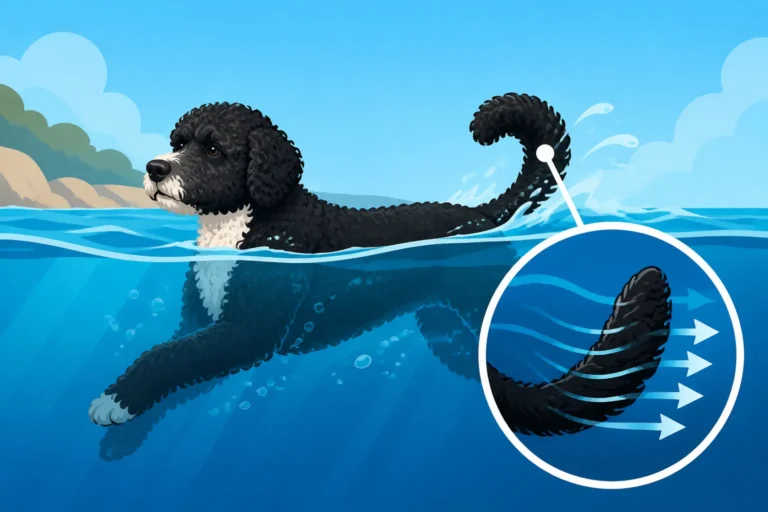
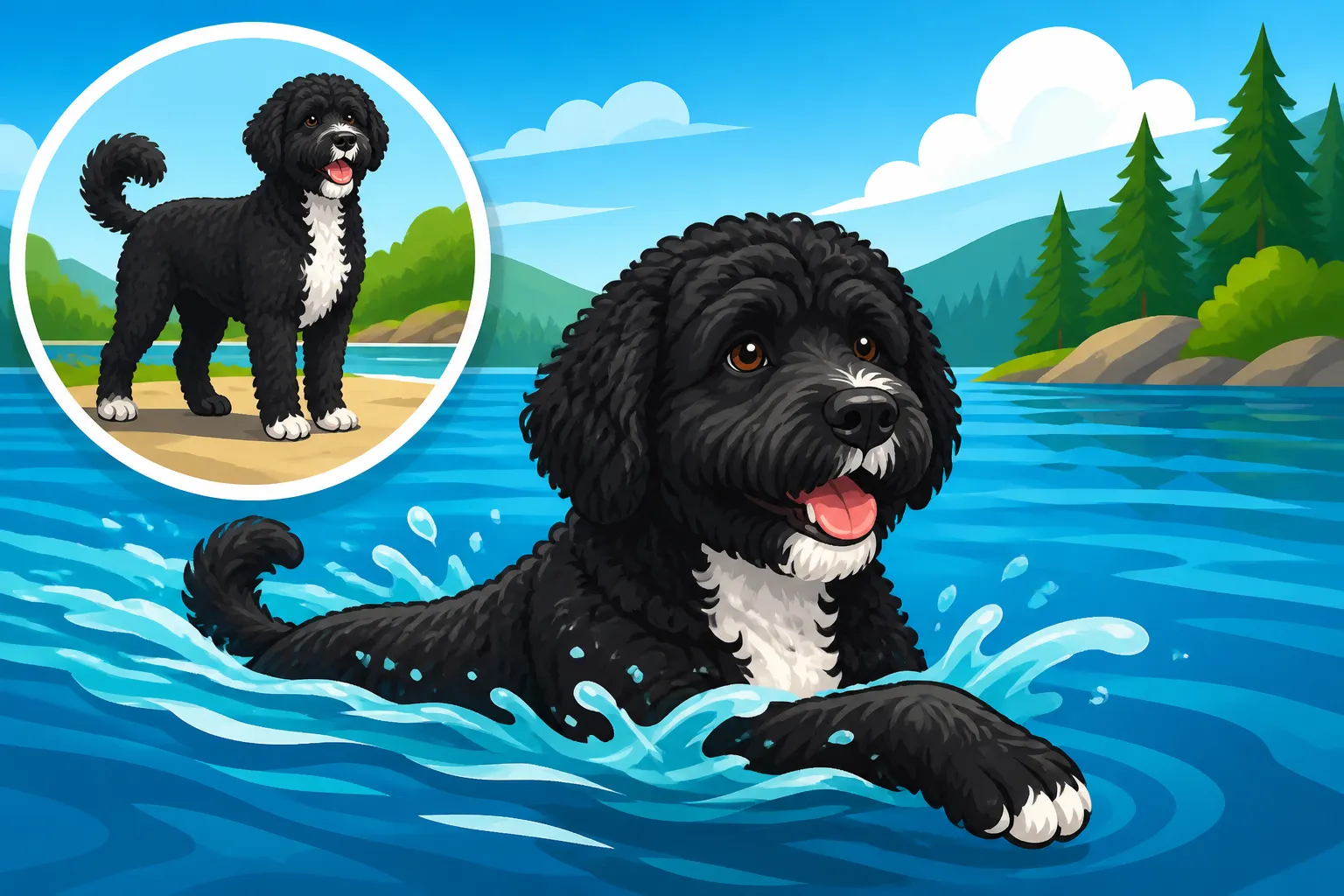
Portuguese Water Dogs and water are practically synonymous, right? There's nothing quite like seeing your beloved PWD launch itself into a body of water with pure joy, those webbed feet propelling them through the waves. But a lake, with its often murky depths and unpredictable natural elements, presents a unique set of considerations compared to a clean swimming pool or even the vast, open ocean. Many owners worry about what might be lurking beneath the surface or how to ensure their energetic companion stays safe and healthy. This guide is all about equipping you with the knowledge and confidence to let your Portuguese Water Dog enjoy the refreshing wonder of lake swimming safely and responsibly.
Preparing Your Portuguese Water Dog for Lake Adventures
Before your Portuguese Water Dog even dips a paw into a lake, a bit of preparation goes a long way. Lakes are dynamic environments, very different from controlled swimming pools, and understanding these differences is key to a safe and enjoyable outing for everyone.
Understanding Lake Environments and Potential Risks
Lakes are teeming with life, both visible and invisible, and they're also subject to environmental factors that can change rapidly. Unlike the chlorinated predictability of a backyard pool, a lake can hide submerged branches, sharp rocks, or unexpected drop-offs. The water quality itself can vary dramatically, from crystal clear mountain lakes to nutrient-rich ponds prone to algae blooms. Blue-green algae, specifically, is a serious concern, as it can produce toxins that are extremely dangerous, even fatal, if ingested by dogs. Always check local advisories for water quality before heading to a new lake.
Beyond physical hazards, lakes are home to various wildlife. Fish, frogs, snakes, and even turtles might pique your PWD's natural curiosity. While most interactions are harmless, it's wise to be aware of the potential for venomous snakes or aggressive territorial birds. Strong currents, especially near inlets or outlets, can also be a hidden danger, capable of sweeping a dog away faster than you might realize. Even temperature can be a factor; while Portuguese Water Dogs handle cold water well due to their single coat, sudden changes can still be a shock. For a deeper dive into their natural swimming abilities, read How Naturally a Portuguese Water Dog Swims.
Essential Gear for Safe Lake Swims
Equipping yourself and your Portuguese Water Dog with the right gear is non-negotiable for lake swimming.
First and foremost, a well-fitting dog life jacket is paramount, especially for young puppies, older dogs, or if you're exploring new or deep waters. Even the strongest swimmers can tire, hit submerged objects, or get disoriented. A life jacket provides buoyancy, makes your dog more visible, and often includes a handle on the back, which is incredibly useful for lifting them out of the water or guiding them back to shore. You can find excellent, durable options on platforms like Amazon, often with reflective strips for added visibility.
Next, consider a long line or leash if your dog's recall isn't 100% reliable, especially in an exciting new environment. This allows you to give them freedom to explore near the shore without risking them bolting after a duck or wandering too far. A portable water bowl and fresh drinking water are also crucial. Your dog will be tempted to drink lake water, which can contain bacteria, parasites, or algae. Offering fresh water regularly can help prevent them from ingesting questionable lake water.
Finally, don't forget towels – and lots of them! Your Portuguese Water Dog's coat, whether curly or wavy, is designed to hold water, and they'll be soaking wet for quite some time. A first-aid kit is also a smart addition, packed with essentials like antiseptic wipes, bandages, tweezers (for splinters or ticks), and any personal medications your dog might need.
Training for Lake Safety and Good Manners
Training is a continuous process, and it plays a huge role in lake safety. A solid "recall" command is perhaps the most important skill for any dog enjoying off-leash activities, especially near water. Imagine your PWD chasing after a low-flying bird or heading towards an area with a strong current – a reliable "come" could be a lifesaver. Online training programs, like those offered by BAXTER & Bella, often emphasize building a strong foundation for recall and other essential commands from a young age, which translates beautifully to real-world scenarios like lake outings.
Another vital command is "leave it." Lakes often have tempting debris, dead fish, or even discarded items that could be harmful if ingested. Teaching your dog to ignore these things on command is invaluable. Additionally, practice good leash manners and polite greetings with other dogs and people, as you're likely to encounter others enjoying the lake. Getting your PWD accustomed to wearing a life jacket at home before the big day can also help make the experience smoother, preventing any unexpected resistance when you're by the water's edge.
Navigating the Lake Safely with Your Portuguese Water Dog
Once you're at the lake, the real fun begins! But even with all the preparation, active supervision and awareness are key to keeping your Portuguese Water Dog safe.
Active Supervision and Environmental Awareness
Never take your eyes off your Portuguese Water Dog when they're swimming in a lake. Even if they're usually fantastic swimmers, unpredictable elements can emerge quickly. Keep an eye out for floating debris like sharp sticks or trash, which can cause injury. Observe the water itself for any signs of changing currents, sudden temperature drops, or suspicious foamy patches that might indicate algae blooms. If the water looks or smells off, it's always better to err on the side of caution and keep your dog out.
Consider the depth and bottom of the lake. Some lakes have very muddy bottoms, which can be unsettling for some dogs and make footing difficult. Others might have sharp shells or rocky edges that can cut paws. Regularly checking your dog's paws after they've been in the water is a good habit. Also, be mindful of how long your PWD has been swimming. While they are powerful swimmers, even Portuguese Water Dogs can become fatigued, especially in colder water or if they're over-excited. For insights on their endurance, see How Far a Portuguese Water Dog Can Swim. Make sure they take breaks and have opportunities to rest on shore.
Dealing with Unexpected Situations
Despite our best efforts, unexpected things can happen. If your Portuguese Water Dog accidentally ingests a mouthful of lake water, don't panic, but monitor them closely. Look for signs of gastrointestinal upset like vomiting or diarrhea, and contact your vet if symptoms are severe or persist. If you suspect they've encountered toxic algae, seek emergency veterinary care immediately. Signs can include lethargy, vomiting, diarrhea, seizures, or even collapse.
In the event of an injury, such as a cut paw from a sharp rock, having that first-aid kit handy will allow you to clean and bandage the wound promptly. For more serious injuries, secure your dog and get them to a veterinarian as quickly as possible. If your dog seems exhausted or disoriented in the water, use the handle on their life jacket to guide them gently to shore. These situations can be stressful, but staying calm and having a plan will help you manage them effectively.
Respecting Wildlife and Other Lake Users
Lakes are shared spaces. Teach your Portuguese Water Dog to respect wildlife and other people enjoying the water. That means keeping them from chasing ducks, geese, or other birds, which can disrupt nesting sites or cause distress to the animals. Similarly, ensure they don't harass fishermen, kayakers, or other swimmers.
It’s good practice to keep your dog leashed or on a long line when approaching busy areas or when other people are present, even if your dog is usually friendly. Not everyone is comfortable with dogs, and an enthusiastic PWD bounding towards them, even with good intentions, can cause alarm. Being a responsible dog owner means ensuring your dog's enjoyment doesn't come at the expense of others' peace or the natural environment.
Here's a quick reference for lake swimming essentials:
| Category | Item | Purpose |
|---|---|---|
| Safety | Dog Life Jacket | Buoyancy, visibility, easy retrieval |
| Long Line/Leash | Control, especially for unreliable recall | |
| First-Aid Kit | Minor injury treatment | |
| Hydration | Fresh Drinking Water | Prevent drinking lake water, stay hydrated |
| Portable Water Bowl | Easy access to fresh water | |
| Comfort/Care | Absorbent Towels (multiple) | Thorough drying of coat |
| Ear Cleaning Solution | Prevent ear infections after water exposure | |
| Force Dryer (optional, but highly recommended) | Quickly dry thick PWD coat | |
| Other | Waste Bags | Clean up after your dog, always |
| Chew Toy/Puzzle Toy | Distraction, mental stimulation on breaks |
Post-Swim Care for Your Portuguese Water Dog
The adventure doesn't end when your Portuguese Water Dog leaves the water. Proper post-swim care is vital to prevent common issues like skin irritation, mats, and ear infections.
Thorough Rinsing and Drying to Prevent Skin Issues and Mats
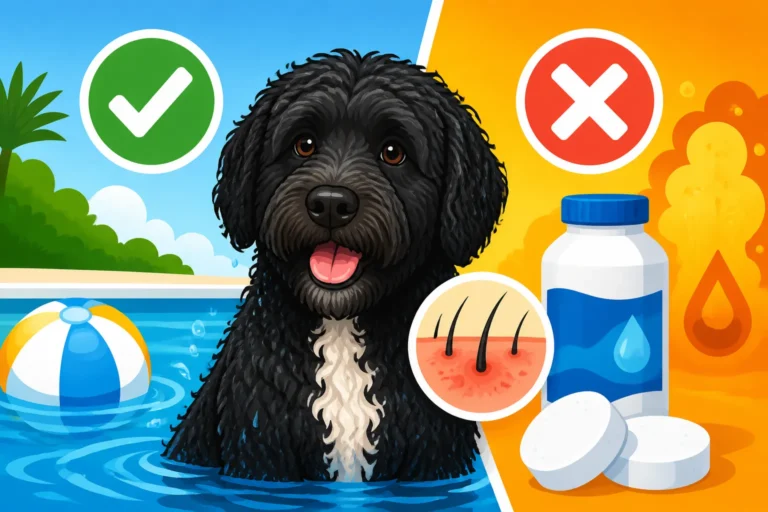
Your Portuguese Water Dog's amazing coat, designed to protect them in water, can also be a magnet for lake muck and a prime candidate for matting if not properly cared for. Immediately after swimming in a lake, even if the water looked clean, it's a good idea to thoroughly rinse your dog with fresh water. This helps remove any algae residue, dirt, pollutants, or microscopic organisms that might have latched onto their fur. Failing to rinse can lead to skin irritation, dryness, or even bacterial growth. For more on managing their coat, check out Caring for an Aging Portuguese Water Dog.
After rinsing, the real work begins: drying. A Portuguese Water Dog's coat will take ages to air dry completely, and leaving them damp can create a perfect breeding ground for skin hot spots and accelerate matting. Use highly absorbent towels to get as much moisture out as possible. For serious PWD owners, a force dryer (available on Amazon, for example) is an invaluable tool. It quickly and efficiently blasts water out of their dense coat, reducing drying time dramatically and helping to prevent mats from forming deep within the undercoat. Pay special attention to areas prone to matting, like behind the ears, armpits, and under the harness area. Regular brushing, even daily during high swim seasons, will also help prevent mats from becoming serious.
Dedicated Ear Care After Lake Exposure
One of the most common issues for water-loving dogs like Portuguese Water Dogs is ear infections. Their floppy ears and often hairy ear canals can trap moisture, creating a warm, damp environment that bacteria and yeast absolutely adore. After every lake swim, dedicate time to cleaning and drying your PWD's ears.
Gently wipe the outer ear flap with a soft cloth or cotton ball. Then, use a veterinarian-approved ear cleaning solution designed to dry the ear canal. Apply it as directed, gently massage the base of the ear, and then allow your dog to shake their head to dislodge debris and excess solution. Never use cotton swabs deep inside the ear canal, as this can push debris further in and potentially damage delicate structures. If you notice any redness, swelling, foul odor, or excessive scratching, it's time for a vet visit, as these are signs of a developing ear infection. Proper ear hygiene is a crucial part of What a Portuguese Water Dog Needs Every Day.
Checking for Unwanted Hitchhikers
Lakeside environments are often rich in vegetation, which means they're also prime habitats for ticks and other parasites. After every outdoor adventure, especially one involving tall grasses or wooded areas near a lake, conduct a thorough "tick check" on your Portuguese Water Dog. Run your hands over their entire body, paying close attention to hidden areas like between their toes, inside their ears, under their collar, in their armpits, and around their groin.
If you find a tick, remove it carefully with tweezers, grasping it as close to the skin as possible and pulling straight out with steady pressure. Dispose of the tick properly and clean the bite area. Regular flea and tick prevention, often prescribed by your veterinarian, is your first line of defense, but visual checks are still important. Also, inspect their coat for burrs, foxtails, or other plant matter that can become embedded and cause irritation or even infection if left unchecked.
Addressing Common Concerns for Lake Swimmers
Even with careful preparation and post-swim routines, some common concerns pop up for PWD owners who love taking their dogs to the lake. Being proactive can prevent these from becoming bigger problems.
Algae Blooms and Water Quality Checks
The threat of toxic blue-green algae (cyanobacteria) is perhaps the most serious concern when it comes to lake swimming. These blooms can appear quickly, often looking like pea soup, spilled paint, or green scum on the water's surface. They are most common in warm, still water, especially during hot summer months. However, not all algae is toxic, and not all toxic algae is visibly obvious.
Always check local public health or park authority websites for water quality advisories before visiting a lake. Many will post warnings if blue-green algae is detected. If there are no advisories, use your best judgment: if the water looks discolored, has a strange odor, or you see any suspicious green or bluish scum, keep your Portuguese Water Dog out of the water. It's always better to skip a swim than risk your dog's health. For information on other health issues, see The Four DNA Tests Every Portuguese Water Dog Breeder Runs.
The Importance of Preventing Lake Water Ingestion
It's natural for dogs to drink when they're hot and thirsty, and a lake might seem like an obvious source. However, lake water can harbor a host of undesirable elements, from bacteria like Leptospira (which can cause severe kidney and liver disease) to parasites like Giardia (causing nasty diarrhea) and, as we've discussed, harmful algae toxins. Ingesting too much cold lake water too quickly can even lead to water intoxication, a rare but serious condition.
To prevent your Portuguese Water Dog from drinking lake water, always bring plenty of fresh, clean drinking water for them. Offer it frequently, especially during and after swims, to quench their thirst. If your dog is particularly prone to gulping water while swimming, try to discourage prolonged periods of open-mouthed swimming or teach them to come out for water breaks. This simple habit can save you a lot of worry and potential vet bills.
Keeping Vaccinations Current for Water Exposure
Certain vaccinations become even more critical when your Portuguese Water Dog is frequently exposed to natural water sources like lakes. The Leptospirosis vaccine, for example, protects against a bacterial infection commonly found in standing water and spread through the urine of wildlife. This disease can be life-threatening and is transmissible to humans.
Discuss your Portuguese Water Dog's lifestyle with your veterinarian. If lake swimming is a regular activity, your vet may recommend specific vaccinations or additional parasite prevention measures that might not be necessary for a dog that primarily exercises in a fenced yard. Staying up-to-date on all core vaccinations, as well as those recommended for their specific environment, is a cornerstone of responsible dog ownership. For more on general health, consider Whether the Portuguese Water Dog Is a Healthy Breed.
By taking these precautions and being mindful of the unique environment a lake presents, you and your Portuguese Water Dog can create countless happy memories splashing and playing in nature's aquatic playgrounds.
Disclaimer
This article is for general informational purposes only and does not constitute professional advice. Laws, prices and regulations vary by location and change over time. Consult a qualified professional for guidance on your specific situation.