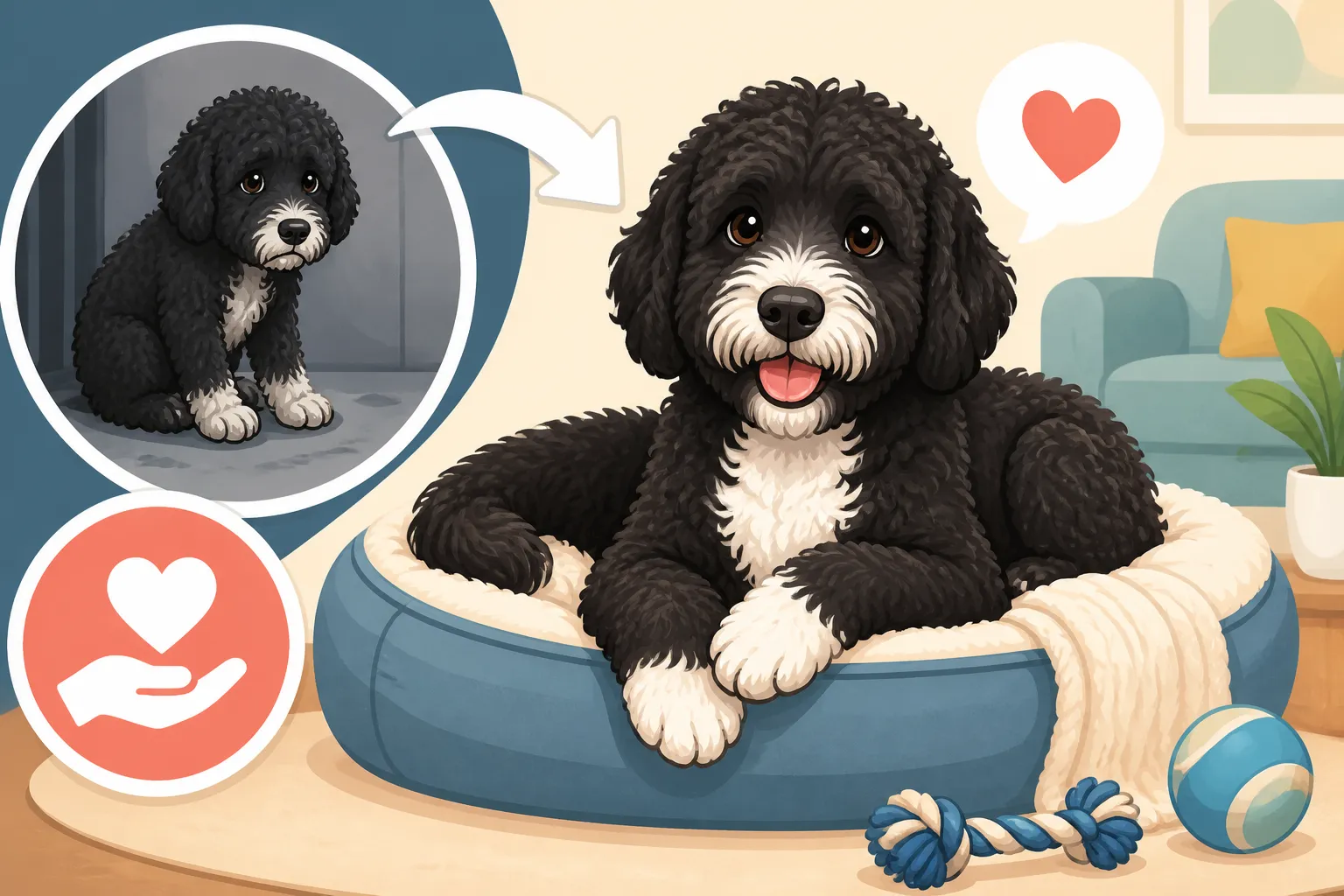
How a Rescue Portuguese Water Dog Settles
Bringing a rescue Portuguese Water Dog into your home is an incredibly rewarding experience, but it’s often accompanied by a unique set of challenges. These amazing dogs, with their boundless energy and sharp minds, sometimes find their way into rescue because their previous situations weren't a good fit, or they faced circumstances that left them feeling a little lost. This comprehensive guide will walk you through the realistic steps and expectations for helping your rescue PWD settle in, addressing common hurdles, and fostering a loving, lasting bond.
The Initial Adjustment Period: Managing Expectations
When you first open your home and heart to a rescue Portuguese Water Dog, it's easy to imagine a picture-perfect scene right from day one. You envision them bounding in, tail wagging, instantly comfortable and grateful. The reality, however, is often a more nuanced and gradual process. Understanding the initial adjustment period is crucial for setting realistic expectations and giving your new companion the space and support they need.
The "Honeymoon" Phase Versus Reality
One of the most common experiences with rescue dogs, including our clever PWDs, is what many call the "honeymoon period." For the first few days, sometimes even a couple of weeks, your new dog might seem quiet, reserved, almost "too good." They might not bark much, might not demand attention, and might stick close by, observing. This isn't necessarily their true personality; it's often a coping mechanism. They're processing a huge life change – new smells, new people, a new routine, a whole new world. They're feeling a bit overwhelmed, trying to figure out the rules, and conserving energy as they absorb everything. It’s like starting a new job in a foreign country; you’re on your best behavior, trying to understand the culture, and probably a little exhausted.
Then, gradually, their true personality starts to emerge. This is when some of the more challenging behaviors, if any, might surface. The PWD energy might explode, the selective hearing might kick in, or anxieties might become more apparent. You might find yourself thinking, "Wait, this isn't the dog I brought home!" It’s important to remember that this shift isn't a failure on your part, nor is it a sign that the dog isn't meant for you. It's simply them finally feeling safe enough to drop their guard and show you who they really are. This period requires immense patience and understanding, as it's often when you truly begin the work of building trust and addressing any underlying issues.
Creating a Safe and Predictable Environment
For a rescue Portuguese Water Dog, especially one who may have experienced instability or neglect, a safe and predictable environment is paramount. Think of it as building a strong foundation for their new life. Routine, consistency, and a designated safe space are your most powerful tools.
Start with a clear, consistent daily schedule. This includes feeding times, potty breaks, exercise slots, and even quiet time. Dogs thrive on predictability; knowing when things will happen helps them feel secure. If their meals are at 7 AM and 6 PM every day, they learn to anticipate that. If potty breaks are immediately after waking up, after meals, and before bed, they learn the drill. This structure reduces anxiety and helps them understand what's expected of them. For a breed like the PWD, which is highly intelligent and sensitive, this structure can make a world of difference.
Next, designate a safe space that belongs solely to them. This could be a crate, a comfortable dog bed in a quiet corner, or even a section of a room. This isn't for punishment, but a sanctuary where they can retreat when feeling overwhelmed or needing a nap. Provide soft bedding, a favorite toy, and ensure they are not disturbed when in this space. It’s their personal den. If you use a crate, make it a positive experience with treats and praise, never as a penalty. Many PWDs, with their tendency to be active and alert, benefit greatly from having a calm, predictable haven.
Finally, minimize overwhelming stimuli, especially in the first few weeks. Limit the number of new visitors coming to the house. Keep loud noises to a minimum. Avoid taking them to crowded places or dog parks until they’ve had ample time to decompress and bond with you. Too much too soon can set them back. Consider using calming aids like pheromone diffusers, which release synthetic versions of dog-appeasing pheromones that can help reduce stress and anxiety. You can find these easily on platforms like Amazon. Gentle background music can also create a soothing atmosphere, helping to drown out sudden outdoor noises that might trigger fear or alert barking.
Understanding and Addressing Past Experiences
Every rescue dog comes with a history, even if we don't know the specifics. This history, whether it's one of neglect, abandonment, or simply a mismatch in a previous home, shapes their behaviors and emotional responses. For a Portuguese Water Dog, a breed known for its intelligence, sensitivity, and strong bond with its family, past experiences can manifest in specific ways that new owners need to be prepared to address with empathy and effective strategies.
Common Behavioral Challenges in Rescue PWDs
Rescue Portuguese Water Dogs might exhibit several behavioral challenges directly linked to their past or their inherent breed traits that weren't properly managed. One of the most common issues is separation anxiety. These dogs were historically bred to work closely with their human companions on fishing boats, making them incredibly people-oriented. They crave companionship and purpose. If they've been bounced from home to home, or spent long hours alone, the anxiety of being left can be intense. This might show up as destructive chewing, excessive barking, house-soiling, or even attempts to escape when you leave. For a deep dive into prevention, you might want to read How Long a Portuguese Water Dog Copes Alone.
Another potential challenge is resource guarding. In situations where food, toys, or even comfortable sleeping spots were scarce or had to be competed for, a rescue PWD might develop a habit of guarding these items. This isn't about aggression, but often a deep-seated fear of losing what they perceive as valuable. They might stiffen, growl, or even snap if you approach their food bowl or a coveted toy.
Leash reactivity is also common. A dog that hasn't been properly socialized, had negative experiences on a leash, or simply feels insecure in new environments might bark, lunge, or growl at other dogs, people, or even cars during walks. This isn't always aggression; sometimes it's fear or frustration.
Finally, their high intelligence and energy, if not properly channeled, can lead to problem behaviors like destructive chewing and incessant mouthing. A bored or under-exercised PWD will find ways to entertain themselves, often at the expense of your furniture or shoes. For insight into typical PWD puppy behaviors, check out Why a Portuguese Water Dog Puts Everything in Its Mouth.
Building Trust and Positive Associations
Addressing these challenges starts with building unwavering trust. This means using gentle handling and clear, consistent communication. Avoid harsh corrections or punishment, which can easily damage the fragile trust a rescue dog is trying to build. Positive reinforcement is your best friend. Reward desired behaviors with high-value treats, enthusiastic praise, and favorite toys. When they choose to lie calmly in their designated space, reward them. When they look at you instead of reacting to another dog on a walk, reward them.
Slow introductions are key. Don't throw your new PWD into a crowded dog park or a lively family gathering on day one. Introduce them to new people one at a time, in a calm manner, always supervising interactions and ensuring the dog feels comfortable. The same goes for other pets in the home. Gradual, positive-only introductions build confidence and prevent overwhelming your sensitive PWD.
For specific behaviors like resource guarding, it involves teaching them that human approach means good things. For instance, when they are eating, walk by and drop a higher value treat near their bowl, then calmly walk away. Over time, they associate your presence with more good things, not a threat. For leash reactivity, work on parallel walks with a calm, well-behaved dog at a distance, gradually decreasing the space as your dog remains relaxed, always rewarding calm behavior. Consistency and patience here are key. It's a marathon, not a sprint.
Integrating the Portuguese Water Dog into Your Lifestyle
Bringing a Portuguese Water Dog into your home, especially a rescue, means making adjustments to your daily life. This breed isn't one that's content to be a couch potato; they thrive on activity and mental engagement. Integrating them successfully requires understanding their unique needs for exercise, mental stimulation, grooming, and health care.
Meeting Their Unique Exercise and Mental Stimulation Needs
The Portuguese Water Dog was bred to be an active, working companion, spending its days retrieving fishing gear, herding fish into nets, and swimming from boat to boat. This history means they come with an innate drive for physical activity and mental engagement that simply must be met. A leisurely stroll around the block twice a day isn't going to cut it for most PWDs. They need vigorous exercise, ideally involving water, on a regular basis. Swimming is an excellent full-body workout and a natural outlet for their instincts. If you don't have access to a lake or safe swimming area, even dock diving or structured hydrotherapy sessions can be beneficial. For more on their exercise requirements, explore How Much Exercise a Portuguese Water Dog Needs.
Beyond physical exertion, their sharp minds require a "job" to do, even if that job is simply learning new tricks or solving puzzle toys. If a Portuguese Water Dog isn't given constructive outlets for their intelligence, they will often create their own "jobs," which can manifest as destructive behaviors, excessive barking, or endless pacing. Incorporate daily training sessions, even short ones, to teach new commands, practice old ones, or engage in canine sports like agility or obedience. Puzzle toys, snuffle mats, and scent work games can also provide valuable mental enrichment, challenging their brains and tiring them out in a different way than physical exercise alone. Understanding Why a Portuguese Water Dog Needs a Job can truly help you prevent many common behavioral issues.
Grooming and Health Considerations for a Rescue PWD
The unique coat of a Portuguese Water Dog is beautiful but requires consistent care. A rescue PWD may arrive with a matted coat, especially if they've been neglected or lived in an environment where grooming wasn't a priority. Mats can be painful, pull on the skin, and hide underlying skin issues. If a rescue Portuguese Water Dog arrives matted, it's best to consult with a professional groomer or your veterinarian, as severe matting may require shaving, which needs to be done carefully to avoid skin irritation. This is often the case with rescue dogs, and you might find useful information in Whether a Rescue Portuguese Water Dog Arrives Matted. Regular brushing, several times a week, is essential to prevent future mats, even if you keep their coat in a shorter clip.
Beyond the coat, their ears are also a point of concern. Because PWDs love water and have drop ears, they are prone to ear infections. Regular ear checks and cleaning, especially after swimming, are non-negotiable. Learn more about prevention and care in Why a Portuguese Water Dog's Ears Need Checking Every Week.
Upon bringing your rescue PWD home, a thorough veterinary check-up is paramount. This initial visit allows your vet to assess their overall health, address any immediate concerns, and establish a baseline for their well-being. Discuss their history, if known, and any potential past health issues with your vet. Given the breed's predispositions to certain genetic conditions, if their lineage is unknown, your vet might recommend specific screenings or DNA testing. Some rescues may have already done this, but if not, understanding Whether a Rescue Portuguese Water Dog Has Been DNA Tested can be a valuable step. Your vet can also advise on necessary vaccinations, parasite prevention, and discuss a nutritional plan tailored to their needs. You can find more information about routine veterinary care in What a Portuguese Water Dog's Yearly Bloodwork Should Cover.
Training and Socialization Strategies for Long-Term Success
While a rescue PWD might have some prior training, it's always a good idea to start with the basics in your new home. This not only reinforces good manners but also helps build your bond and establish clear communication. Focus on positive reinforcement for foundational commands like "sit," "stay," "come," and a reliable "leave it." Many online resources, like those offered by BAXTER & Bella, provide structured, positive reinforcement training programs that can be incredibly helpful for new rescue owners. These programs often break down training into manageable steps, perfect for a dog adjusting to a new home.
The Portuguese Water Dog is intelligent but can also be independent and "think for itself," which is a charming trait but can also be challenging in training if not approached correctly. Consistency is key, and patience is a virtue. Remember, you're teaching a dog who might have had an inconsistent past how to live successfully in a stable, loving home. Dive deeper into how to approach their unique intelligence with Training a Portuguese Water Dog That Was Bred to Think for Itself.
Continued, positive socialization is also crucial. Once your PWD has settled and gained confidence, slowly introduce them to new experiences, places, people, and other well-behaved dogs. Always ensure these interactions are positive and don't push your dog beyond their comfort zone. A fearful or reactive dog needs slow, controlled exposure, not overwhelming situations. Socialization isn't just for puppies; it's a lifelong process that helps keep your PWD well-adjusted and confident in the world around them.
Navigating Challenges and Celebrating Progress
The journey with a rescue Portuguese Water Dog is rarely a straight line. There will be good days and challenging days, moments of pure joy and moments of frustration. It's vital to recognize when you might need extra support and to celebrate every single step of progress, no matter how small.
When to Seek Professional Help
There are times when the behavioral challenges your rescue PWD faces are beyond what you can reasonably manage on your own. If you're struggling with persistent issues like severe separation anxiety that leads to self-harm or extensive property destruction, aggression towards people or other animals, chronic house-soiling despite consistent training, or sudden, unexplained changes in behavior, it's time to seek professional help.
Don't view this as a failure. A certified professional dog trainer, particularly one experienced with rescue dogs or the PWD breed, can provide invaluable guidance, practical strategies, and support. For more complex or deeply ingrained issues, a veterinary behaviorist might be recommended. These specialists have a deeper understanding of animal behavior and can rule out underlying medical conditions that might be contributing to behavioral problems, or prescribe medication if appropriate. Early intervention can prevent problems from escalating and significantly improve your dog's quality of life and your relationship with them.
Recognizing and Rewarding Milestones
It’s so easy to focus on the problems and forget to acknowledge the incredible strides your rescue PWD is making. When you're in the thick of managing a challenging behavior, it can feel like you're not making any progress at all. This is why it's incredibly important to consciously recognize and reward every milestone, no matter how tiny it seems.
Did your PWD walk calmly past another dog without reacting today? That’s a huge win! Did they settle quietly in their bed while you ate dinner? Celebrate it! Did they go an entire hour without chewing on something inappropriate? Fantastic! These small victories build up over time to create big changes. Keep a journal or a mental note of their progress. Sometimes looking back at where you started can be incredibly motivating.
Celebrate by offering high-value treats (perhaps something from an Amazon pet selection), extra praise, a favorite game of fetch, or a special swim session. The immense reward of watching a rescue Portuguese Water Dog blossom from a scared, unsure animal into a confident, loving family member is truly unparalleled. It takes time, patience, and dedication, but the bond you forge through this journey is one of the most fulfilling experiences a dog owner can have. For a broader perspective on the breed, you might enjoy What Portuguese Water Dog Owners Wish They Had Known.
| Challenge | Potential Cause | Initial Strategy |
|---|---|---|
| Separation Anxiety | Past abandonment, breed's need for companionship | Crate training, short departures, calming aids, puzzle toys (e.g., from Amazon) |
| Resource Guarding | Competition for resources in prior home | Drop high-value treats near guarded items, positive reinforcement, "trade up" games |
| Leash Reactivity | Poor socialization, negative experiences, fear | Parallel walks at a distance, positive reinforcement, desensitization, BAXTER & Bella training |
| Destructive Chewing | Boredom, anxiety, lack of appropriate outlets | Increased exercise and mental stimulation, chew-proof toys, bitter spray, crate training |
| House-Soiling | Inconsistent potty training, stress, medical issues | Consistent potty schedule, lavish praise for outdoor success, vet check to rule out medical issues |
Disclaimer
This article is for general informational purposes only and does not constitute professional advice. Laws, prices and regulations vary by location and change over time. Consult a qualified professional for guidance on your specific situation.