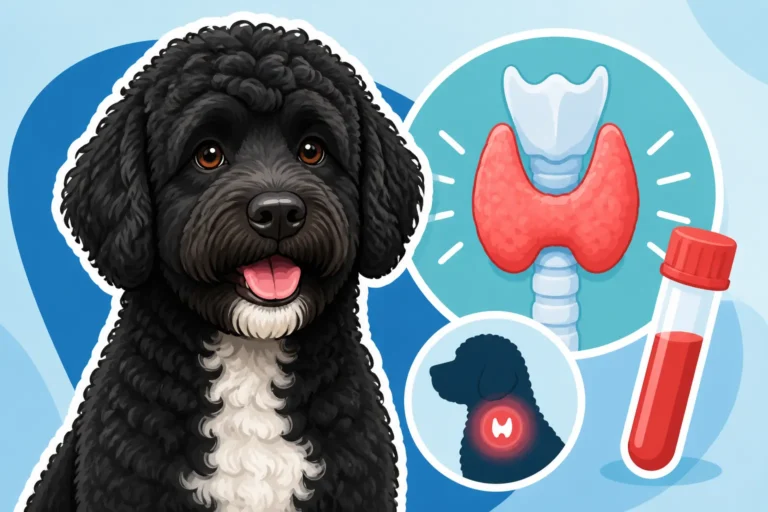
Whether the Portuguese Water Dog Is a Healthy Breed
Bringing a new canine companion into your home is an exciting prospect, but the underlying worry about a dog's health can cast a shadow over that joy. Many prospective Portuguese Water Dog owners, myself included, often wonder if these vibrant, intelligent dogs are truly a "healthy breed" or if they're prone to a myriad of inherited issues that could lead to heartbreak and significant veterinary bills. This comprehensive guide aims to peel back the layers, discussing the specific health challenges and strengths of the Portuguese Water Dog, offering a realistic perspective to help you make an informed decision and ensure your future companion thrives.
Understanding the "Healthy Breed" Question for Portuguese Water Dogs
When we talk about whether a breed is "healthy," it's rarely a simple yes or no answer. Every single breed of dog, from the tiniest Chihuahua to the grandest Great Dane, carries some predispositions to certain health conditions. The key isn't necessarily finding a breed with no health issues – that's a unicorn – but rather understanding the specific challenges a breed faces, how common those issues are, and what proactive steps can be taken to mitigate risks. For Portuguese Water Dogs, their health profile is generally quite robust, but there are definitely areas where careful breeding and vigilant ownership play a massive role.
Defining "Healthy" in Canine Terms
What does "healthy" truly mean for a dog? It's more than just the absence of disease. A truly healthy Portuguese Water Dog is one that lives a full, active life, free from chronic pain, with good organ function, a sound temperament, and the ability to engage in activities typical of the breed – which, for a PWD, means lots of swimming, retrieving, and general enthusiasm! It means having a strong immune system, good dental health, and a coat that's well-maintained and free from skin issues. Longevity is a big part of it, too; we all want our companions for as long as possible. A healthy dog is one that, with proper care, thrives well into its senior years, experiencing a good quality of life throughout its journey.
Factors Influencing a PWD's Overall Health
Several factors intertwine to dictate the overall health of a Portuguese Water Dog. Genetics, of course, are paramount. This is why responsible breeders are so crucial, performing genetic screening to avoid passing on known inherited conditions. But it's not only genetics. Environmental factors play an enormous role too. Proper nutrition, appropriate and consistent exercise tailored to their high energy levels, preventative veterinary care (including vaccinations and parasite control), and diligent grooming all contribute significantly to a PWD's well-being. Even their living environment, including access to mental stimulation and companionship, impacts their stress levels and overall vitality. For instance, a PWD that's under-exercised or bored might develop behavioral issues that, while not a disease, certainly diminish its quality of life and could lead to physical problems down the line.
Common Genetic Concerns in Portuguese Water Dogs
Like many purebred dogs, Portuguese Water Dogs have a genetic lineage that, while giving them their distinctive traits, also comes with predispositions to certain inherited conditions. Understanding these is the first step in ensuring you're working with a responsible breeder and are prepared for potential future challenges.
Juvenile Dilated Cardiomyopathy JDCM
This is perhaps one of the most heartbreaking conditions associated with Portuguese Water Dogs, precisely because of its rapid and devastating onset. Juvenile Dilated Cardiomyopathy Kills a Portuguese Water Dog Puppy Fast, often before eight months of age. PWD puppies affected with JDCM appear completely normal and healthy right up until the point of sudden collapse and death, typically from heart failure. There are no outward signs of illness until it's too late, which is truly devastating for families.
The good news, however, is that JDCM is an autosomal recessive inherited condition, meaning a puppy must inherit two copies of the faulty gene (one from each parent) to be affected. Crucially, a reliable DNA test exists. Responsible breeders test all their breeding stock for JDCM to ensure they never breed two carriers together. This rigorous testing means that while the gene is still present in the breed, affected puppies are now exceedingly rare when breeders follow proper protocols. If you're considering a puppy, always ask for the JDCM test results of both parents – they should be clear or at most, one parent a carrier (bred only to a clear mate).
GM1 Gangliosidosis
Another severe, often fatal, neurological condition is GM1 Gangliosidosis. Similar to JDCM, it's also an autosomal recessive disorder, and responsible breeding practices have significantly reduced its prevalence. What GM1 Gangliosidosis Does to a Portuguese Water Dog is essentially a lysosomal storage disease, where the body lacks an enzyme to break down certain waste products in the cells. This leads to a toxic buildup, primarily affecting the nervous system.
Puppies affected with GM1 often show signs around 5-6 months of age. Symptoms include loss of coordination, difficulty walking, tremors, and eventually seizures and progressive neurological decline. It's a cruel disease that ultimately leads to euthanasia due to the severity of the symptoms and lack of effective treatment. Thankfully, like JDCM, a DNA test is available for GM1. Breeders can identify carriers and affected dogs, preventing the breeding of two carriers together, thus eliminating the possibility of producing affected puppies. This makes it another condition that should be readily avoidable through careful genetic screening.
Progressive Retinal Atrophy PRA
Eye health is another area where Portuguese Water Dogs can be predisposed to inherited conditions, specifically different forms of Progressive Retinal Atrophy (PRA). Two Kinds of Retinal Atrophy in a Portuguese Water Dog are primarily recognized: prcd-PRA (Progressive Rod-Cone Degeneration) and EOPRA (Early Onset Progressive Retinal Atrophy). Both are progressive diseases that lead to the degeneration of the retina, eventually causing blindness.
- prcd-PRA: This form typically manifests later in life, often between 3 and 6 years of age, though it can vary. Affected dogs will gradually lose their night vision first, followed by daytime vision, eventually leading to complete blindness.
- EOPRA: As its name suggests, Early Onset PRA appears much younger, often with symptoms noticeable by 1-2 years of age. The progression can be faster, leading to blindness at a younger age.
Both prcd-PRA and EOPRA are also inherited in an autosomal recessive pattern, meaning DNA tests are available to identify carriers and affected dogs. Reputable breeders will test their breeding stock for both forms of PRA. Additionally, annual eye exams by a board-certified veterinary ophthalmologist (like those certified by the American College of Veterinary Ophthalmologists, ACVO) are recommended for breeding dogs to screen for any other ocular abnormalities, even if they're genetically clear of PRA. This comprehensive approach helps to protect the vision of future generations.
Addison's Disease
Addison's Disease, or hypoadrenocorticism, is an endocrine disorder where the adrenal glands don't produce enough hormones, specifically glucocorticoids and sometimes mineralocorticoids. Addisons Disease Is Common in Portuguese Water Dogs, and it's often referred to as "the great pretender" because its symptoms can mimic so many other ailments, making diagnosis challenging.
Symptoms can include lethargy, vomiting, diarrhea, loss of appetite, weight loss, increased thirst and urination, and muscle weakness. In severe cases, dogs can go into an "Addisonian crisis," which is a life-threatening emergency characterized by collapse, severe dehydration, and circulatory shock. While the exact inheritance pattern isn't as straightforward as a simple recessive gene, there is a clear genetic predisposition in the breed, suggesting a complex inheritance pattern. Breeders are working to understand and reduce the incidence of Addison's through careful pedigree research and selective breeding. There isn't a single DNA test for Addison's, but researchers are actively studying genetic markers. Managing Addison's typically involves lifelong medication, but with proper treatment, affected dogs can live full, normal lives. This is an example where understanding the breed's predispositions can lead to earlier diagnosis and better outcomes if your dog shows subtle, non-specific symptoms.
Non-Genetic Health Issues and Portuguese Water Dogs
While genetic predispositions are a significant focus for responsible breeders, Portuguese Water Dogs can also experience health issues that are not necessarily inherited but can still impact their well-being. These are often common canine ailments, but their active lifestyle and unique coat can sometimes make them more prevalent or require specific considerations.
Joint Health Concerns
Given their active and athletic nature, joint health is a crucial consideration for Portuguese Water Dogs. Like many medium-to-large breeds, they can be prone to conditions such as hip and elbow dysplasia. Hip Dysplasia in a Portuguese Water Dog occurs when the hip joint doesn't form correctly, leading to a loose joint, pain, and eventually arthritis. Elbow dysplasia is a similar condition affecting the elbow joint. Both can cause lameness, discomfort, and impact a dog's ability to maintain its active lifestyle.
Responsible breeders take this seriously, screening their breeding stock through organizations like the Orthopedic Foundation for Animals (OFA) or PennHIP. These evaluations involve radiographs (X-rays) of the hips and elbows to assess their structural integrity. While genetics play a part, environmental factors during growth, such as over-exercise in puppyhood, rapid growth from inappropriate feeding, or excessive stair climbing, can also influence the development and severity of these conditions. Maintaining a healthy weight and ensuring appropriate exercise throughout their life, particularly during their growth phase, is vital for protecting their joints. Swimming, for instance, is an excellent low-impact exercise that allows them to build muscle without stressing developing joints.
Ear Infections and Water Activities
Portuguese Water Dogs, true to their name, absolutely love the water. Whether it's a lake, ocean, or even a backyard pool, they're often eager for a swim. However, this love for water, combined with their dense, furry ears, makes them more susceptible to ear infections. Whether a Portuguese Water Dog Gets Ear Infections is a common concern for owners. The ear canal of a PWD can trap moisture and hair, creating a warm, damp environment that's perfect for bacteria and yeast to thrive.
After every swim, it's absolutely essential to thoroughly dry their ears. Using an ear-drying solution specifically designed for dogs can help absorb excess moisture and acidify the ear canal, making it less hospitable to pathogens. Regular inspection and cleaning of their ears, typically once a week or more often if they're frequent swimmers, are critical preventative measures. Removing excessive hair from inside the ear canal (either by plucking or trimming, depending on your vet's recommendation) can also improve airflow and reduce moisture retention. Ignoring these preventative steps can lead to painful, recurring ear infections that require veterinary intervention, including antibiotics or antifungals, and can sometimes be challenging to resolve.
Cancer Prevalence
Cancer is a devastating disease that affects dogs of all breeds, and unfortunately, Portuguese Water Dogs are not immune. Whether a Portuguese Water Dog Gets Cancer is a valid concern, as some studies and anecdotal evidence suggest a slightly elevated risk for certain types of cancers within the breed. Lymphoma, hemangiosarcoma, and various forms of mast cell tumors are among those reported in PWDs.
While there isn't a specific genetic test to predict cancer risk, ongoing research aims to identify genetic markers that may contribute to it. What owners can do is be vigilant about lumps, bumps, and any changes in their dog's behavior, appetite, or energy levels. Regular veterinary check-ups, including annual bloodwork, can sometimes catch early indicators of disease. Maintaining a healthy weight, feeding a high-quality diet, and providing a clean environment free from environmental toxins may also contribute to overall health and potentially reduce cancer risk, though the primary drivers are often genetic. Early detection and prompt veterinary attention are key to improving outcomes for dogs diagnosed with cancer, so don't hesitate to consult your vet if you notice anything unusual.
The Role of Responsible Breeding in PWD Health
The single most significant factor influencing whether a Portuguese Water Dog puppy is a healthy individual stems from the breeding choices made by its parents' owner. Responsible breeding isn't just a fancy term; it's a commitment to improving the health and welfare of the breed through careful, educated decisions. This approach drastically impacts the likelihood of your puppy inheriting serious genetic conditions.
Health Testing Protocols and Why They Matter
A responsible Portuguese Water Dog breeder adheres to a strict regimen of health testing for all breeding dogs. This isn't just a suggestion; it's a necessity. These tests are designed to screen for the genetic conditions we discussed earlier, among others. What a Portuguese Water Dog Breeder Should Have Tested includes, at a minimum, DNA tests for JDCM, GM1, prcd-PRA, and EOPRA. Beyond DNA, they will also have their dogs' hips and elbows evaluated by OFA or PennHIP, and eyes examined annually by an ACVO veterinary ophthalmologist. Some breeders also screen for thyroid function, Von Willebrand's Disease (a bleeding disorder), and advanced cardiac screening, especially important given the JDCM risk, even though specific genetic markers for other heart issues in PWDs aren't as clearly defined.
These rigorous tests allow breeders to make informed decisions about pairings. By understanding the genetic makeup of their dogs, they can avoid breeding two carriers of a recessive gene together, thereby preventing the birth of affected puppies. This proactive approach ensures that the puppies they produce have the best possible genetic start in life, reducing the incidence of painful and often fatal inherited diseases. If a breeder cannot readily provide documentation for these tests, or claims they are unnecessary, it is a significant red flag.
Selecting a Reputable Portuguese Water Dog Breeder
Finding a reputable breeder requires patience and diligence, but it's an investment that pays dividends in the health and longevity of your future companion. A good breeder will be transparent, eager to share test results, and knowledgeable about the breed's health challenges. They will also be happy to discuss their breeding philosophies, their dogs' pedigrees, and what kind of support they offer after you take your puppy home. They will often belong to the Portuguese Water Dog Club of America (PWDCA) and adhere to their health recommendations.
Expect a waiting list, as ethical breeders typically breed fewer litters and prioritize quality over quantity. They'll also interview you extensively to ensure you're a good fit for one of their puppies. Don't be shy about asking for specific documentation: copies of OFA certifications, DNA test results from labs like OptiGen or Paw Print Genetics, and ACVO eye exam forms. A responsible breeder sees health testing not as a burden, but as an essential part of their commitment to the breed's future and the welfare of the puppies they bring into the world. Their dedication is your best defense against unexpected health woes.
Lifespan Expectations and Quality of Life
Beyond just avoiding illness, we all hope our Portuguese Water Dogs will live long, happy, and fulfilling lives. Understanding their typical lifespan and how to maintain their quality of life into their golden years is crucial for any dedicated owner.
Average Lifespan and Contributing Factors
The average lifespan for a Portuguese Water Dog is generally considered to be 10 to 14 years, with many living even longer. How Long a Portuguese Water Dog Lives on Average is influenced by a combination of genetics, environment, and veterinary care. Dogs from health-tested lines are less likely to succumb to early-onset genetic diseases, contributing to a longer life.
Environmental factors are equally important. Consistent high-quality nutrition, appropriate exercise to maintain a healthy weight and muscle mass, and regular preventive veterinary care are paramount. This includes routine vaccinations, parasite control, and annual wellness exams where your vet can monitor for subtle changes that might indicate emerging health issues. A stimulating environment, plenty of companionship, and mental enrichment also reduce stress, which can positively impact overall health and longevity. It's a holistic approach that truly gives your PWD the best chance at a long life.
Caring for a Senior Portuguese Water Dog
Just like people, Portuguese Water Dogs age, and their needs change as they enter their senior years, typically around 8 or 9 years old. Caring for a Portuguese Water Dog Past Nine means adapting your routine and being particularly observant. You might notice them slowing down, showing stiffness after rest, or having reduced enthusiasm for their usual activities. Their senses, like sight and hearing, may also start to decline.
Regular veterinary check-ups become even more critical, often twice a year, to catch age-related conditions early. Your vet might recommend senior-specific blood panels to monitor kidney, liver, and thyroid function, as well as screening for common cancers. Nutrition might need to be adjusted to a senior diet that supports joint health and maintains a healthy weight without excess calories. Exercise should remain consistent but might need to be lower impact, like shorter walks or gentle swims, rather than intense retrieving sessions. Providing comfortable, orthopedic bedding can ease joint pain, and ramps can help them navigate stairs or get into the car. Patience and understanding are key as your beloved PWD enters this new stage of life, ensuring their comfort and dignity.
Making Informed Decisions for Your PWD's Health
Becoming a Portuguese Water Dog owner is a journey, and part of that journey is making proactive, informed decisions about their health. From choosing a puppy to daily care and preparing for the unexpected, every step contributes to their well-being.
Essential Preventative Care and Wellness Exams
Preventative care is the cornerstone of a healthy life for any dog, and Portuguese Water Dogs are no exception. Beyond the initial puppy vaccinations, regular booster shots and annual check-ups are non-negotiable. These wellness exams allow your veterinarian to conduct a thorough physical examination, check for any subtle changes, and discuss crucial topics like dental health, weight management, and parasite control (heartworm, fleas, and ticks).
Don't underestimate the power of these routine visits; they're not just about vaccinations. Your vet is your best partner in identifying potential problems before they become serious and costly. They can offer advice on diet, exercise, and behavior, all of which contribute to your PWD's overall health. Staying on top of dental hygiene, whether through regular brushing at home or professional cleanings, is also vital, as poor oral health can impact systemic health. Consistent preventative care is an investment that helps keep your PWD vibrant and active.
Pet Insurance and Emergency Preparedness
Even with the best breeding and preventative care, unexpected accidents or illnesses can occur. This is where pet insurance becomes a critical consideration for Portuguese Water Dog owners. High-quality pet insurance, such as a plan from Healthy Paws, can provide immense peace of mind by covering a significant portion of unexpected veterinary expenses, whether it's for an emergency surgery, a sudden illness, or ongoing treatment for conditions like Addison's disease.
Thinking about the possibility of a major health crisis for your beloved companion is tough, but being financially prepared can make all the difference in making decisions based on what's best for your dog, rather than your wallet. Research different plans and choose one that offers comprehensive coverage, a reasonable deductible, and a reimbursement rate that suits your budget. Consider enrolling your PWD when they are young and healthy, as pre-existing conditions are typically excluded. Having a safety net like pet insurance, perhaps from Healthy Paws, allows you to focus on your dog's recovery without the added stress of overwhelming bills. It's a proactive step that every responsible pet owner should seriously consider.
The Impact of Diet and Exercise
A Portuguese Water Dog's diet and exercise routine are foundational to their health, directly impacting their energy levels, weight, joint health, and overall longevity. These are not "set it and forget it" aspects; they require ongoing attention and adjustment throughout your dog's life.
- Nutrition: Feeding a high-quality, balanced diet appropriate for your PWD's age, activity level, and any specific health needs is paramount. This typically means a reputable commercial dog food that lists real meat as the first ingredient. Avoid overfeeding, as excess weight puts undue strain on joints and contributes to other health problems like diabetes. If your PWD is highly active, participating in water sports or extensive daily exercise, their caloric needs will be higher, and a performance-oriented diet might be appropriate. Consult your vet to determine the best food and portion sizes.
- Exercise: Portuguese Water Dogs are a working breed with boundless energy. They require substantial daily exercise, far beyond a simple walk around the block. Without adequate physical and mental stimulation, they can become bored, destructive, and even anxious. This breed thrives on activities like swimming, retrieving, hiking, and dog sports suchability as agility or dock diving. Aim for at least 60-90 minutes of vigorous activity daily, often broken into multiple sessions. A dog walker might be helpful if you work long hours, but nothing replaces one-on-one engagement. An under-exercised PWD is not a healthy or happy PWD, regardless of genetic good fortune.
Disclaimer
The information provided in this article is for general informational purposes only and does not constitute veterinary advice. Always consult with a qualified veterinarian for any health concerns or before making any decisions related to your pet's health and treatment.