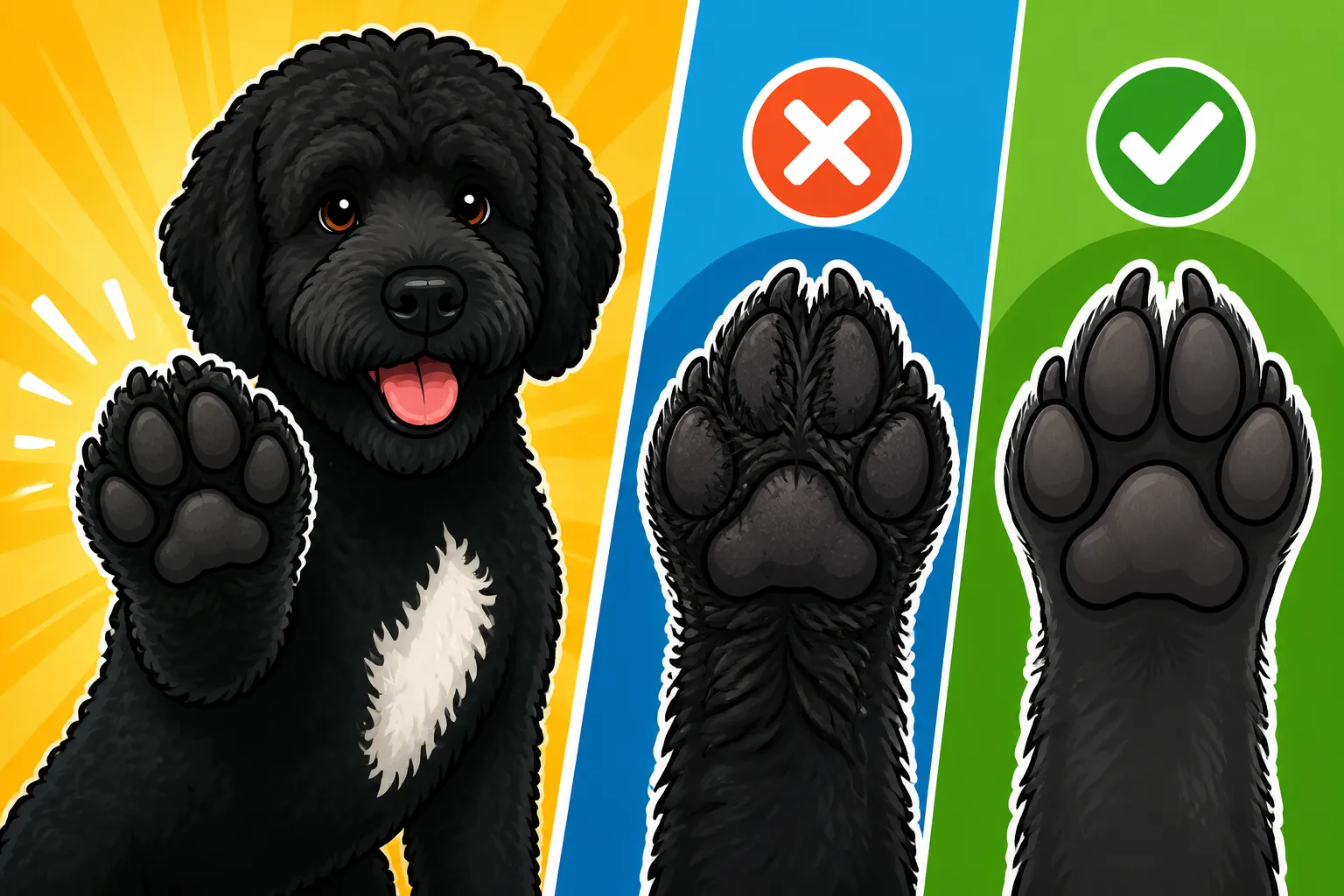
Whether Hair Between the Pads Affects a Portuguese Water Dog’s Grip
It's a common and often frustrating sight for Portuguese Water Dog owners: your energetic pup, usually so sure-footed, suddenly slips and slides across the kitchen floor like they're on an ice rink. You watch them navigate hardwood or tile with an awkward, splayed gait, and your heart sinks a little. Is it just clumsiness, or is something else at play? The truth is, that gorgeous, dense coat your PWD sports isn't just for show or for keeping them warm in cold waters; it extends right down to their paws, and if left untrimmed, the hair between their pads can absolutely affect their grip, leading to these scary slip-and-slide moments and potentially bigger problems. This guide will walk you through exactly why this happens, how to prevent it, and how to keep your PWD's paws in prime, grippy condition.
Understanding Your Portuguese Water Dog's Paws and Grip
Your Portuguese Water Dog's paws are marvels of natural engineering, designed for agility, propulsion in water, and stable movement on various terrains. But their unique coat comes with unique challenges, especially when it comes to maintaining optimal paw function.
The Natural Design of a PWD's Paw
Think of your PWD's paw as its personal all-terrain vehicle. They have those fantastic webbed feet, perfect for propelling them through the water, but equally important are the tough, resilient paw pads and strong nails. The pads act like the treads on a tire, providing direct contact and friction with the ground. Their structure is naturally rough, designed to grip surfaces, and they contain sweat glands to help regulate temperature and keep the pads supple.
However, a Portuguese Water Dog's coat is designed to be dense and water-resistant. This means hair grows not just on their body, but between their toes and around their paw pads. In the wild, this might offer some protection from rough terrain or cold water, but in a domestic setting, especially on modern indoor surfaces, it becomes a hindrance. Owners often ask, "What a Portuguese Water Dog's Foot Hair Needs Trimming?" – and the answer is a resounding yes!
How Hair Growth Affects Traction
When the hair between the paw pads grows long, it creates a fluffy barrier between the pad and the ground. Imagine trying to walk on smooth floors wearing fuzzy slippers; that's essentially what your PWD is experiencing. The long hair flattens out, covering the textured surface of the paw pads and preventing them from making proper contact with the floor. This significantly reduces the friction needed for a stable grip.
This isn't just about slipping; it’s about control. A dog relies on its paw pads to sense the ground beneath them and adjust their balance. When this sensory feedback is compromised by a thick mat of hair, their proprioception (their sense of where their body parts are in space) can be affected, leading to hesitation, instability, and a higher risk of falls. It's truly a hidden culprit for many owners wondering why their typically nimble dog suddenly seems so clumsy indoors.
Practical Implications of Untrimmed Paw Hair
The consequences of neglecting paw hair trimming go beyond just a few slips. They can impact your dog's comfort, confidence, and even their long-term health, especially given the active nature of a Portuguese Water Dog.
Slipping on Indoor Surfaces
The most immediate and obvious problem is the slipping and sliding on smooth indoor surfaces. Hardwood, tile, and laminate floors, which are so common in our homes, become treacherous for a PWD with overgrown paw hair. You might notice your dog is reluctant to walk on these surfaces, preferring rugs or carpeted areas. They may compensate by splaying their legs out, trying to gain purchase, or by walking with a stiff, unnatural gait.
This isn't just a minor inconvenience; it's a genuine safety concern. Repeated slipping can lead to muscle strains, ligament tears, and even more serious orthopedic issues over time. Older Portuguese Water Dogs, who may already be dealing with The Age a Portuguese Water Dog Gets Arthritis or other joint issues, are particularly vulnerable. A bad fall could result in a painful injury that impacts their mobility for months or even years. It's truly heartbreaking to watch a dog, once so full of joyful energy, become hesitant and cautious just trying to move through their own home.
Impact on Outdoor Activities and Water Work
While indoors might be the most noticeable place for slips, overgrown paw hair can also affect your PWD's performance and safety during outdoor activities. Even on natural terrain like grass, dirt, or uneven paths, the lack of direct paw pad contact can reduce agility and sure-footedness. Imagine them trying to make a quick turn or scale a small incline—the grip simply isn't there.
For a breed like the Portuguese Water Dog, known for its love of water and aquatic prowess, this is especially critical. Whether they're Teaching a Portuguese Water Dog to Swim on Cue for fun, enjoying a splash in the lake, or participating in Dock Diving and Water Trials With a Portuguese Water Dog, optimal paw grip is essential. Long hair can become waterlogged, heavy, and even create drag, making their movements less efficient. Moreover, it can trap debris like sand, small twigs, or burrs, which can then rub against the delicate skin between the pads, causing irritation, infections, or painful matting that's hard to spot until it's severe. Keeping those paws neat and tidy is part of ensuring they can enjoy their natural instincts safely and comfortably.
Essential Paw Care: Trimming for Optimal Grip and Health
Regular paw maintenance is not just about aesthetics; it's a crucial part of your Portuguese Water Dog's overall health and well-being. Getting into a routine will make a world of difference for their grip, comfort, and confidence.
Step-by-Step Guide to Trimming Paw Hair
Trimming the hair between your PWD's paw pads can seem daunting at first, but with patience and the right technique, it becomes much easier. Here's how to approach it:
- Gather Your Tools: Make sure you have sharp, small, blunt-nosed scissors or a good pair of clippers (more on tools below!). A comb is also essential.
- Position Your Dog: Find a comfortable, well-lit spot where your dog feels secure. Some dogs do well lying on their side, others prefer sitting. If you have a grooming table, that's ideal.
- Clean the Paws: Before you start, ensure the paws are clean and dry. Dirt and debris can clog clippers or make scissors less effective.
- Comb Out the Hair: Use a fine-toothed comb to gently pull the hair up from between the pads. This helps you see what you're working with and ensures you don't accidentally cut skin.
- Trim Carefully:
- With Scissors: Point the blunt end of the scissors down, parallel to the paw pad. Carefully trim the hair flush with the pads. Always keep the blunt tips pointing away from the pads to avoid accidental pokes. Work slowly, trimming small amounts at a time.
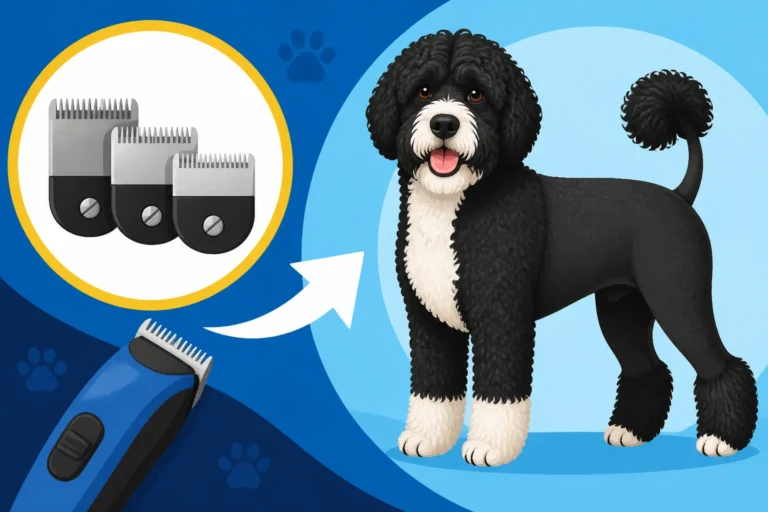
- With Clippers: Use a small clipper blade (like a #10 or #15) designed for sensitive areas. Hold the paw firmly, spreading the toes slightly. Gently run the clippers against the direction of hair growth, being careful not to press too hard against the pads. Clippers are often faster and can give a cleaner finish, especially if you get the hang of them.
- Check Between All Pads: Don't forget the hair in the deep crevices and around the outer edges of the pads. This is often where mats start to form.
- Reward and Praise: Make it a positive experience with treats and praise. This will help your PWD associate paw trims with good things.
Remember, practice makes perfect. If your dog is initially wary, start with very short sessions and gradually increase the time as they become more accustomed to the process. Many owners find that trimming the hair between the pads is part of their regular How Long Home Grooming a Portuguese Water Dog Takes Weekly routine.
Tools You'll Need for Paw Maintenance
Having the right tools is half the battle when it comes to effective and safe paw care. You don't need a professional grooming setup, but quality tools make a huge difference.
- Small, Blunt-Nosed Scissors: These are a must-have for safety. The blunt tips significantly reduce the risk of accidentally poking your dog's sensitive paw pads or webbing. Look for sturdy, sharp scissors made for pet grooming.
- Small Grooming Clippers: If you prefer clippers, opt for a small, quiet, cordless model that's specifically designed for intricate work like paw pads, faces, and sanitary areas. Brands like Wahl or Andis offer excellent options. You’ll want a #10 or #15 blade. Clippers are often easier for getting a smooth, even trim and reducing the risk of nicks, once you're comfortable with them. You can find many suitable options on Amazon or Chewy.
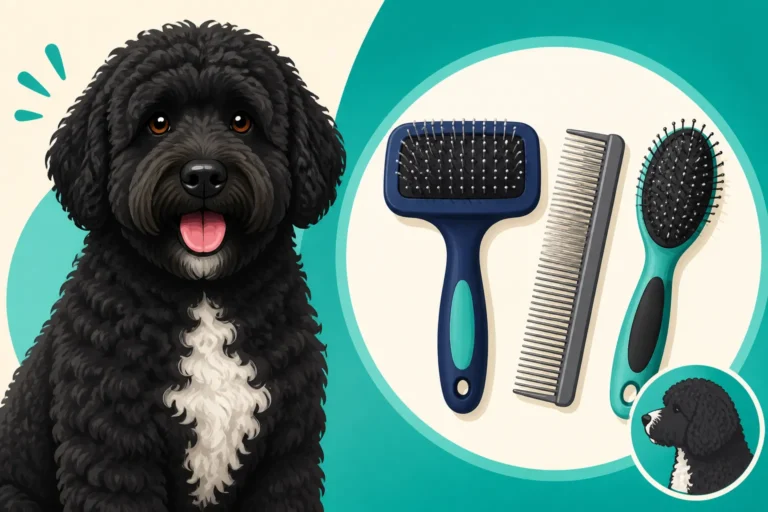
- Fine-Toothed Comb: A small, metal comb with both fine and medium teeth is invaluable for separating the hair and checking for mats before and after trimming.
- Styptic Powder: This is a safety essential. Accidents can happen, and styptic powder will quickly stop minor bleeding from a nail quick or a small skin nick.
- Treats! Positive reinforcement is your best friend when it comes to making grooming a stress-free experience for your PWD.
Investing in good tools not only makes the job easier for you but also more comfortable and safer for your dog. For more general guidance on grooming tools, you might find Which Clippers Handle a Portuguese Water Dog's Coat helpful.
When to Seek Professional Grooming Help
While many owners become quite adept at home paw maintenance, there are times when enlisting the help of a professional groomer is the best course of action.
- Severe Matting: If the hair between your PWD's pads has become severely matted, it can be incredibly painful and difficult to remove safely at home. These mats can pull on the skin, cause sores, and even restrict blood flow. A professional groomer has the expertise and specialized tools to carefully and humanely remove these mats, often with less stress to your dog.
- Fear or Aggression: If your PWD becomes overly anxious, fearful, or even aggressive during paw handling, trying to force the issue at home can worsen the problem. A professional groomer is experienced in handling nervous dogs and can use techniques to make the experience less traumatic. They can also provide guidance on how to gradually desensitize your dog to paw handling.
- Lack of Confidence: If you simply don't feel confident enough to use scissors or clippers near such a sensitive area, that's perfectly okay! It's better to admit this and seek help than to risk injuring your dog. Professional groomers include paw trims as a standard part of their services for breeds like the Portuguese Water Dog, often as part of their What Professional Grooming Costs for a Portuguese Water Dog offerings.
- Time Constraints: Life gets busy. If you find yourself consistently short on time to keep up with your PWD's grooming needs, a regular appointment with a professional groomer can ensure their paws stay healthy and tidy.
A good groomer can also offer valuable advice on maintaining paw health between appointments, showing you techniques and helping you choose the right products. They are an invaluable resource for PWD owners!
Beyond Hair: Other Factors Affecting Paw Grip
While overgrown hair is a major culprit for slippery paws, it's not the only factor. A holistic approach to paw care means considering other aspects that contribute to your Portuguese Water Dog's overall grip and comfort.
Nail Length and Its Role
Just like long hair, long nails can significantly impair your PWD's grip and comfort. When your dog's nails are too long, they push their toes up, effectively lifting the paw pads off the ground. This means the pads can't make proper contact, leading to reduced traction and a splayed, unstable gait. It's like trying to walk in high heels on a slippery surface—your balance is off, and your natural grip is compromised.
You should aim for your PWD's nails to be short enough that they don't touch the ground when your dog is standing naturally. You shouldn't hear a clicking sound when they walk on hard surfaces. Regular trimming or grinding is essential. If you're unsure how often to trim, check out How Often a Portuguese Water Dog's Nails Need Trimming. Keeping those nails in check, along with the paw hair, ensures that your dog's entire paw can function as it was designed.
Paw Pad Health and Conditioning
The condition of your Portuguese Water Dog's paw pads also plays a vital role in their grip and overall comfort. Healthy paw pads are tough but supple, offering good traction and resistance to injury. However, pads can become dry, cracked, or rough, especially with exposure to harsh elements like hot pavement, ice, salt, or rough terrain.
- Dry or Cracked Pads: These can be painful and reduce grip. Consider using a paw balm or moisturizer designed for dogs. Many pet stores and online retailers like Chewy carry excellent paw conditioning products.
- Hyperkeratosis: Some dogs can develop excessive, hardened paw pads, a condition called hyperkeratosis. This can make pads less flexible and reduce natural grip. If you notice unusually thick or crusty pads, consult your vet.
- Injuries: Lacerations, punctures, or burns can also affect paw function. Regularly inspect your PWD's paw pads for any signs of injury or irritation, especially after walks or swims. Early detection means faster treatment.
- Allergies: Just like skin, paw pads can be affected by allergies, leading to redness, itching, or excessive licking, which can compromise their integrity.
Maintaining healthy paw pads is as important as grooming the hair and nails. Consider it part of the comprehensive Nails, Feet and Webbing on a Portuguese Water Dog care that every owner should provide. Regular inspection and care will ensure your PWD's paws are always ready for their next adventure, whether it's on land or in the water!
Disclaimer
This article is for general informational purposes only and does not constitute professional advice. Laws, prices and regulations vary by location and change over time. Consult a qualified professional for guidance on your specific situation.