How Often a Portuguese Water Dog’s Nails Need Trimming
One of the often-overlooked aspects of caring for an active breed like the Portuguese Water Dog is the seemingly simple task of nail trimming. Many new PWD owners quickly discover that neglected nails aren't just an aesthetic issue; they can lead to real discomfort, mobility problems, and even serious health concerns for their beloved canine companion. This comprehensive guide is here to walk you through everything you need to know about keeping your Portuguese Water Dog's nails in tip-top shape, ensuring they stay happy, healthy, and ready for all their aquatic adventures.
Understanding Your Portuguese Water Dog's Nails
Before you even pick up a pair of clippers, it's really helpful to understand the basic anatomy of your dog's nails. This isn't just about knowing what to cut, but more importantly, what not to cut. Many owners feel intimidated by nail trimming because they're terrified of hurting their dog, and that's a completely valid fear! But with a little knowledge, you can approach the task with confidence.
The Anatomy of a Dog's Nail: What's the "Quick"?
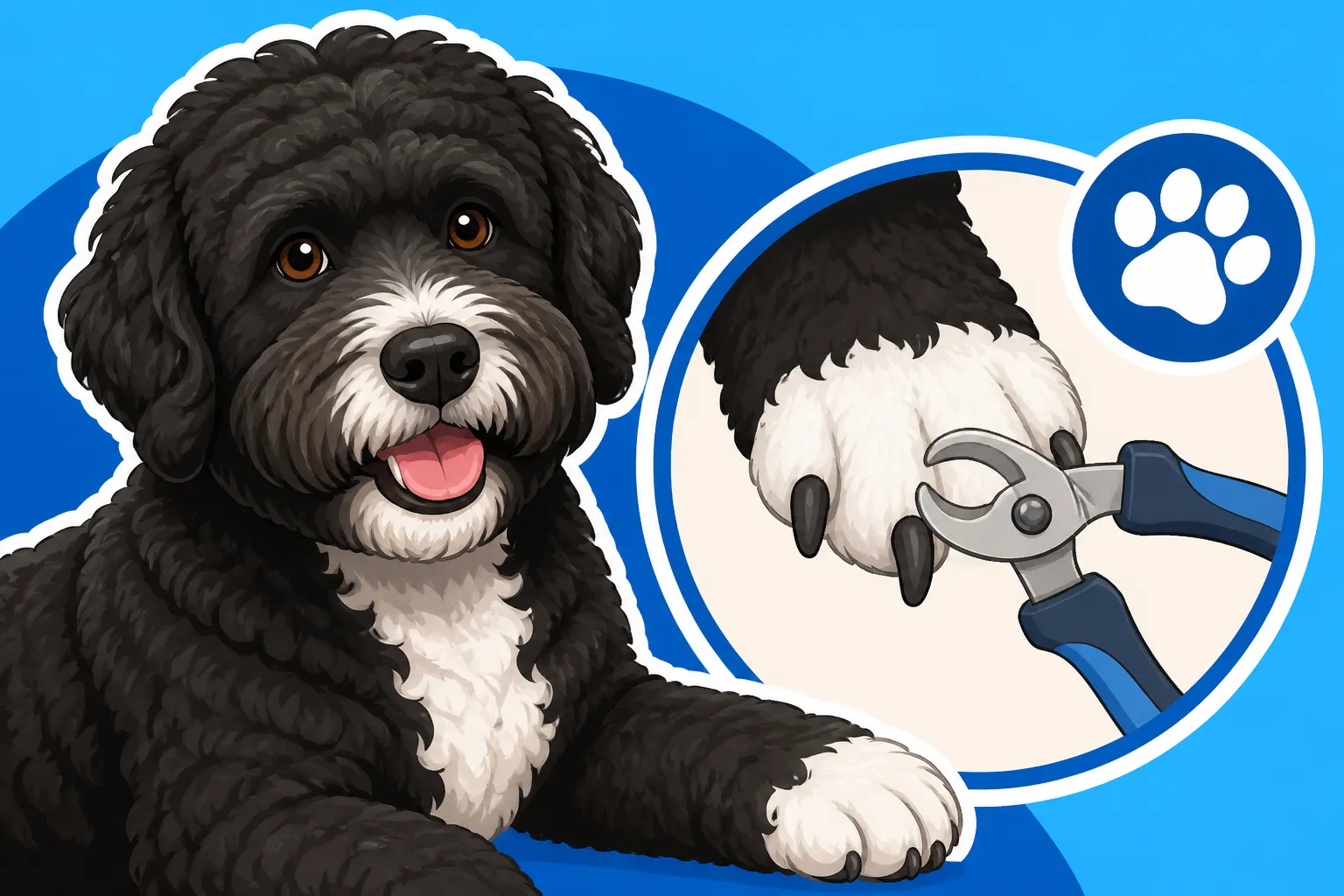
Think of a dog's nail as having two main parts: the outer, hard keratin shell (the part you trim) and the "quick" inside. The quick is a soft, fleshy part that contains blood vessels and nerves. If you cut into the quick, it will bleed, and it will hurt your dog – a lot. This painful experience can make your PWD absolutely dread future nail trims, turning a routine task into a battle.
What makes it tricky with Portuguese Water Dogs, especially those with darker nails (which is common!), is that the quick is much harder to see. In dogs with clear or white nails, you can often see the pink quick through the nail. With dark nails, it's a guessing game, which is why taking off small amounts at a time, or using a grinder, can be so beneficial. The quick actually recedes as the nail is trimmed back regularly, allowing you to gradually shorten the nail over time. If nails are allowed to grow long, the quick grows with them, making it even harder to trim them back without causing pain.
Why Long Nails Are a Problem for PWDs
Long nails aren't just unsightly; they're a legitimate health hazard for your Portuguese Water Dog. Imagine trying to walk around all day with shoes that are several sizes too small, constantly pushing your toes back. That's a bit like what long nails do to your dog's feet.
Firstly, excessively long nails can push up into the nail bed, causing pain with every step. This can change your dog's gait, forcing them to walk on the sides of their paws or spread their toes unnaturally. Over time, this unnatural posture puts undue stress on their joints, especially in their pasterns (the "wrists" of their front legs) and can contribute to or exacerbate problems like Hips and Joints in a Portuguese Water Dog. In older dogs, especially, this can seriously impact their mobility and comfort, something we try to prevent when Caring for a Portuguese Water Dog Past Nine.
Secondly, long nails are prone to snagging and tearing, which is incredibly painful and often requires a costly vet visit. A Portuguese Water Dog is an active breed, always ready for a romp in the park, a hike, or a swim. A torn nail can quickly sideline them from their favorite activities. Lastly, nails that grow too long can even curl under and grow into the paw pad, leading to severe infections and excruciating pain. It's a preventable issue that no PWD owner wants to face.
The Importance of Regular Nail Care for an Active Breed
Portuguese Water Dogs are known for their boundless energy and love of work, whether that's swimming, retrieving, or just playing fetch in the yard. Their lifestyle means their paws are constantly engaged, and proper foot health is paramount. Regular nail care is not just a cosmetic chore; it's a fundamental part of maintaining their overall well-being and preventing painful problems down the road.
An athletic dog needs to move freely and comfortably. When their nails are too long, it's like running on uneven ground for them all the time. It impacts their balance, their traction, and their ability to exert force from their paws, which is crucial for their powerful swimming strokes and agile movements. Keeping their nails short allows their toes to splay naturally, providing better grip and reducing the risk of injury. It also encourages the quick to recede, making future trims easier and less stressful for both of you. Think of it as preventative maintenance for their active lifestyle.
How Often Should You Really Be Trimming Those PWD Paws?
This is the million-dollar question for many dog owners, and the answer isn't a one-size-fits-all. While there's a general guideline, your Portuguese Water Dog's individual lifestyle and genetics play a huge role in how frequently their nails need attention. The good news is, once you learn to recognize the signs, it becomes much easier to stay on top of it.
The "Clicking" Sound and Other Visual Cues
The most common and easiest cue that your PWD's nails are too long is the dreaded "click-clack" sound on hard floors. If you hear your dog's nails clicking as they walk across your tile, hardwood, or concrete floors, they're definitely overdue for a trim. Ideally, when your dog stands, their nails should not touch the ground at all. They should hover just above the surface.
Beyond the sound, you can visually inspect their paws. Look at them from the side when your dog is standing naturally. Are the nails extending past the paw pads? Are they pushing the toes upwards, distorting the natural angle of the foot? If so, it's time to act. It’s also worth noting that some dogs have dewclaws on the inside of their front legs (and sometimes rear, though less common for PWDs). These claws don't touch the ground and therefore don't wear down naturally, making them especially prone to growing long, curling around, and potentially growing into the leg if neglected. Don't forget to check and trim these regularly!
Factors That Influence Nail Growth Rate
Several factors influence How Fast a Portuguese Water Dog's Nails Grow. Just like human hair and nails, genetics play a part. Some PWDs simply have faster-growing nails than others. Diet can also subtly affect nail health and growth, with some owners noticing changes when switching to different quality foods, like fresh options from Ollie, which is known for its wholesome ingredients.
However, the biggest factor by far is activity level and the surfaces your dog walks on. A Portuguese Water Dog that spends a lot of time walking, running, or playing on rough, abrasive surfaces like pavement, concrete, or rocky trails will naturally wear down their nails more than a dog whose primary exercise is on soft grass or carpet. For example, a PWD living in a city, getting daily walks on sidewalks, might need less frequent trimming than a PWD living on a large property with only grassy areas. Even swimming, a PWD's favorite pastime, doesn't wear down nails significantly, as their paws are suspended in water.
Consider your dog's weekly routine. Does your PWD spend most of their time indoors, or do they get extensive outdoor exercise on varying terrains? This will help you gauge how often their nails are naturally being filed down.
Establishing a Consistent Trimming Schedule
Given the variables, a good starting point for most Portuguese Water Dogs is to check their nails weekly and aim for a trim every 2-4 weeks. For some dogs, especially those that are less active on hard surfaces or have naturally fast-growing nails, a weekly touch-up might be necessary. For others, with plenty of walks on pavement, bi-weekly might be sufficient. The key is consistency. By checking weekly, you can catch them when they just start to get a little long, rather than waiting until they're causing problems.
Here’s a simple schedule breakdown:
| Nail Condition | Recommended Frequency | Action |
|---|---|---|
| Clicking on hard floors | Immediately, then 1-2 weeks | Trim back gradually until nails don't touch floor. Focus on small cuts or grinding. |
| Just touching the floor | Every 2-3 weeks | Maintain length. |
| Not touching, no sound | Every 3-4 weeks | Check weekly, trim as needed to keep them short. |
| Dewclaws | Every 2 weeks | These don't wear down, so they always need regular attention to prevent overgrowth and injury. |
Remember, the goal is to keep the nails short enough that they don't interfere with your PWD's natural gait and paw function. When you're working on Teaching a Portuguese Water Dog to Stand for Grooming, regular nail trims are a crucial part of that routine, making them more comfortable with the entire process.
Essential Tools for Portuguese Water Dog Nail Care
Having the right tools makes a world of difference when it comes to trimming your PWD's nails. Just like you wouldn't use a butter knife to cut steak, you shouldn't use dull or inappropriate clippers on your dog. Investing in quality equipment can prevent frustration for you and discomfort for your dog. You can often find a good selection of these tools on platforms like Chewy or Amazon.
Choosing the Right Clippers for PWD Nails
There are two main types of nail clippers for dogs: scissor-style (also known as Miller's Forge style) and guillotine-style.
- Scissor-style clippers are often preferred by many owners and professional groomers for larger, stronger nails, which a Portuguese Water Dog typically has. They resemble a heavy-duty pair of scissors with very sharp blades designed to cut through thick nails cleanly. The leverage they offer makes them quite effective. Brands like Safari or Resco are popular choices and readily available.
- Guillotine-style clippers have a small hole where you insert the nail, and a blade slides across to make the cut. These can be effective for some dogs, but some owners find them less precise for very thick nails or if the dog pulls their paw away quickly, potentially resulting in a split nail.
Regardless of the style you choose, ensure the blades are razor-sharp. Dull clippers crush the nail rather than cutting it cleanly, which is painful for your dog and can lead to splintering. Replace clippers periodically, or sharpen them if possible. Make sure the clippers are appropriately sized for your PWD; small cat or toy dog clippers simply won't be robust enough.
The Benefits of a Dremel or Rotary Grinder
For many Portuguese Water Dog owners, a rotary tool or Dremel is a game-changer. These tools use a spinning abrasive head to grind the nail down, rather than cutting it. The benefits are numerous:
- Reduced Risk of Quicking: With a grinder, you remove small amounts of nail at a time, making it much easier to avoid the quick. You can see the dark center of the nail appear as you get closer to the quick, giving you a visual warning. This is especially helpful for PWDs with black nails where the quick is invisible.
- Smoother Edges: Grinding leaves a much smoother nail edge compared to clipping, which can sometimes leave sharp points. This means less snagging and less chance of scratches from your dog's paws.
- Gradual Quick Recession: Regular grinding encourages the quick to recede further back than clipping often does, allowing you to achieve shorter nails over time without pain. This is a huge advantage for dogs with overgrown nails.
- Less Stress for Some Dogs: While some dogs dislike the vibration and sound, others tolerate grinding better than the sensation of clipping, which can be jarring.
When considering Whether a Dremel Suits a Portuguese Water Dog's Nails, remember that training is key. Introduce the Dremel slowly, starting with just turning it on and offering a high-value treat (like a small piece of cheese or a delicious treat from Ollie) for calm behavior. Gradually work up to touching the nail.
Emergency Supplies: Styptic Powder and Nail Files
Even with the utmost care, accidents happen. You might cut too close to the quick, especially if your PWD suddenly pulls their paw. Having styptic powder (like Kwik Stop) on hand is crucial. This powder helps to stop bleeding quickly and provides some pain relief. Simply apply a pinch of the powder directly to the bleeding nail and apply gentle pressure. You can find this easily on Chewy or Amazon.
A small human nail file can also be a handy tool. If you accidentally leave a sharp edge after clipping or grinding, a quick file can smooth it out. It's also useful for dogs who absolutely refuse clippers or grinders, allowing you to slowly wear down the nails, even if it takes more time. Some owners also use an emery board or a coarse sand block to gently file down tips between major trims.
Mastering the Art of PWD Nail Trimming
Trimming your Portuguese Water Dog's nails doesn't have to be a wrestling match or a traumatic event. With patience, positive reinforcement, and the right technique, you can make it a relatively stress-free experience for both of you. Remember, a PWD that's comfortable with its paws being handled is generally a happier, healthier dog.
Getting Your Portuguese Water Dog Comfortable with Paw Handling
This is foundational. If your PWD isn't comfortable with you touching their paws, nail trimming will be a battle. Start early, especially with puppies. Make paw handling a positive experience, not just something that happens before a nail trim.
- Touch and Treat: Gently touch your dog's paw, lift it, examine the pads, and immediately give a high-value treat and praise. Repeat this many times a day, gradually increasing the duration and intensity of the touch.
- Introduce Tools Gradually: Once paw handling is comfortable, introduce the clippers or grinder. Let your dog sniff them. Touch the back of the clippers to their paw, then treat. Turn on the Dremel (away from them), let them hear the sound, then treat. Slowly desensitize them to the tools.
- Short and Sweet Sessions: Keep early sessions very short, even if you only manage to touch one nail with the clipper or grinder. End on a positive note. The goal is to build positive associations, not to get all nails done in one go.
- Body Language Matters: Pay attention to your dog's body language. Are they yawning, licking their lips, trying to pull away, or tensing up? These are signs of stress. Back off, go slower, and make it more positive. Never force or punish them, as this will only create a stronger negative association. You want them to think, "Oh, paw handling means yummy treats!"
Step-by-Step Guide to Clipping Safely
Once your PWD is comfortable, here's how to approach clipping:
- Find a Comfortable Position: Position your dog in a way that’s comfortable for both of you. Some owners prefer to have their dog lie down, others sit, or even stand on a grooming table (which can be very helpful for their back). Ensure good lighting so you can see the nail clearly.
- Isolate the Paw: Gently hold one paw, separating the toe you're working on from the others. Make sure to hold the paw firmly but gently to prevent sudden movements.
- Identify the Quick: If your PWD has clear nails, you'll see the pink quick. For dark nails, visualize where the quick should be. Look at the underside of the nail; you'll often see a V-shape. The quick typically ends before the point of the V.
- Make Small Cuts: Take off only the very tip of the nail, a tiny amount at a time. It’s always better to take off too little than too much. You should aim for the part of the nail that hooks downwards.
- Look at the Cross-Section: After each small cut, look at the exposed end of the nail. If it's chalky white, you're still in the dead nail. If you start to see a small grey or pinkish-grey dot in the center, you're getting close to the quick – stop!
- Reward: After each nail (or even after each successful clip), offer praise and a treat. Keep the atmosphere light and positive.
- Don't Forget Dewclaws: Carefully trim the dewclaws, which are often overlooked.
It takes practice, but you'll get more confident with each session. If you're really struggling, remember that a professional groomer or your vet can demonstrate the technique for you. Many Portuguese Water Dog owners find that integrating these short, positive training sessions into their daily routine makes a huge difference, much like they would with other training objectives.
Grinding Techniques for a Smooth Finish
Using a Dremel requires a slightly different approach than clipping:
- Preparation: Just like with clippers, ensure your dog is comfortable with the sound and vibration. Gather your Dremel, styptic powder, and plenty of treats.
- Hold the Paw and Nail: Hold your PWD's paw firmly, gently extending the toe. Be careful that no long hair gets caught in the spinning grinder head – this is where a Retriever Clip Is the Coat Most Portuguese Water Dogs Wear can make things a little easier, keeping hair shorter around the feet.
- Grind in Short Bursts: Touch the spinning head to the tip of the nail for just a second or two, then lift. Grinding for too long in one spot can generate heat, which is uncomfortable and can burn the quick. Work around the tip of the nail, shaping it as you go.
- Shape the Nail: Angle the grinder slightly from the bottom, then the sides, and finally the top to create a smooth, rounded edge. This also helps expose the quick for easier identification.
- Watch for the Quick: As you grind, you'll eventually see a small, dark circle appear in the center of the nail. This is the quick. Stop grinding when you see this, and you've gone as far as you safely can.
- Repeat and Reward: Move to the next nail, always praising and rewarding good behavior. For maximum effect, use a high-quality Dremel specifically designed for pets, which you can usually find on Chewy or Amazon.
Even if you only manage a few nails in a session, that's progress! The consistency builds trust and helps your PWD understand what's expected.
Professional Help vs. DIY: When to Seek a Groomer or Vet
It’s completely okay if you don't feel confident trimming your Portuguese Water Dog's nails yourself. Many experienced dog owners still prefer to leave this task to the professionals, and there's no shame in that! Sometimes, the best solution is to know when to ask for help.
Recognizing When You Need Extra Help
There are several situations where seeking professional assistance for nail trimming is a smart move:
- Extreme Fear or Aggression: If your PWD becomes overly stressed, defensive, or even aggressive during nail trims, it's safer and less traumatic for everyone to involve a professional groomer or veterinarian. They have the experience, tools, and sometimes even medical sedation (if absolutely necessary) to handle difficult cases safely. Trying to force the issue at home can damage your bond with your dog and make the problem worse.
- Overgrown or "Curled" Nails: If your dog's nails are severely overgrown, curling into the pads, or have quicks that have extended significantly, it can be very challenging and painful to trim them back yourself. A professional can often make a series of small, strategic trims or grinds over time to gradually encourage the quick to recede, or they can tackle the problem more aggressively if the nails are causing immediate distress.
- Lack of Confidence/Time: If you simply don't feel confident in your abilities, or you don't have the time to dedicate to consistent at-home training and trimming, outsourcing the task is a perfectly valid choice. Your dog's paw health is too important to neglect.
- Specific Health Concerns: If your dog has a condition that affects their paws or mobility, like severe arthritis or a neurological issue, a vet might be the best person to handle nail trims, as they can assess for pain and adjust their technique accordingly.
The Advantages of Professional Grooming for PWD Nails
Professional groomers are experienced in handling all types of dogs and nails, including the unique coat and foot structure of a Portuguese Water Dog. Here’s what they offer:
- Expertise and Efficiency: They can quickly and accurately assess the nails, identify the quick, and trim efficiently, often completing the task faster and with less stress than a home attempt. This is part of the overall grooming process for a breed like the PWD, whether they're in a Retriever Clip Is the Coat Most Portuguese Water Dogs Wear or a more elaborate style.
- Specialized Tools: Groomers often have high-quality, professional-grade clippers and powerful Dremels that make the job easier and more precise.
- Full Grooming Service: Many owners opt for regular full-service grooming appointments for their Portuguese Water Dogs, which includes nail trims as part of the package. This ensures all aspects of their grooming, from their water-repellent coat to their webbed feet, are properly maintained. This can be especially helpful during periods of intense matting, like when A Portuguese Water Dog's Coat Changes Texture With Age.
- Training and Socialization: Regular visits to a professional groomer can also contribute to your PWD's socialization, getting them comfortable with being handled by different people in new environments.
If you choose a professional, ensure they are familiar with Portuguese Water Dogs and their unique needs. Ask about their experience and how they handle dogs who are nervous about nail trims.
Maintaining Nail Health Between Professional Appointments
Even if you rely on a professional for primary nail trims, you still have a role to play in maintaining your PWD's paw health.
- Daily Paw Checks: Get into the habit of briefly checking your dog's paws daily. Look for any debris caught between their pads, signs of irritation, or nicks. This also helps keep them accustomed to paw handling, reinforcing positive associations.
- Short Walks on Hard Surfaces: If your dog tolerates it and it’s appropriate for their joint health, occasional walks on pavement or concrete can help naturally wear down the nail tips between professional appointments. Just be mindful of paw pad protection in extreme weather.
- Positive Reinforcement: Continue making paw handling a positive experience at home. Offer treats, praise, and gentle massages. This reinforces that touching their feet is a good thing, making professional trims easier. Remember, a What a Portuguese Water Dog Does All Day involves a lot of movement, so keeping their paws healthy is essential to their overall activity levels.
- Consider a Quick File: If you notice the very tips getting a little sharp or long between grooms, a quick touch-up with a sturdy nail file can make a difference without the risk of hitting the quick. This is a gentle way to extend the time between full trims and keep the nails from getting too long.
Taking a proactive approach to your Portuguese Water Dog's nail health, whether you do it yourself or use a professional, is a vital part of responsible ownership. It directly impacts their comfort, mobility, and overall quality of life, ensuring your PWD can splash, run, and play to their heart's content.
Disclaimer
This article is for general informational purposes only and does not constitute professional advice. Laws, prices and regulations vary by location and change over time. Consult a qualified professional for guidance on your specific situation.