How Old the Portuguese Water Dog Breed Is
When you welcome a Portuguese Water Dog into your life, you're not just getting a furry friend; you're adopting a piece of living history. Many new owners wonder just how ancient this unique breed truly is, and understanding their historical journey offers incredible insight into their temperament, physical traits, and why they behave the way they do today. This guide will take you on a deep dive into the fascinating timeline of the Portuguese Water Dog, revealing their origins, their working life, and their remarkable path to becoming the beloved companions we know.
Tracing the Ancient Lineage of the Portuguese Water Dog
It's natural to be curious about how far back your dog's lineage goes, especially with a breed as distinctive as the Portuguese Water Dog. While specific birth dates for a breed are virtually impossible to pinpoint, historical evidence, both direct and circumstantial, allows us to piece together a compelling narrative of their ancient roots. The story of the Portuguese Water Dog isn't just a few decades old; it spans centuries, intertwining with the very fabric of maritime life on the Iberian Peninsula.
Unraveling Speculative Origins
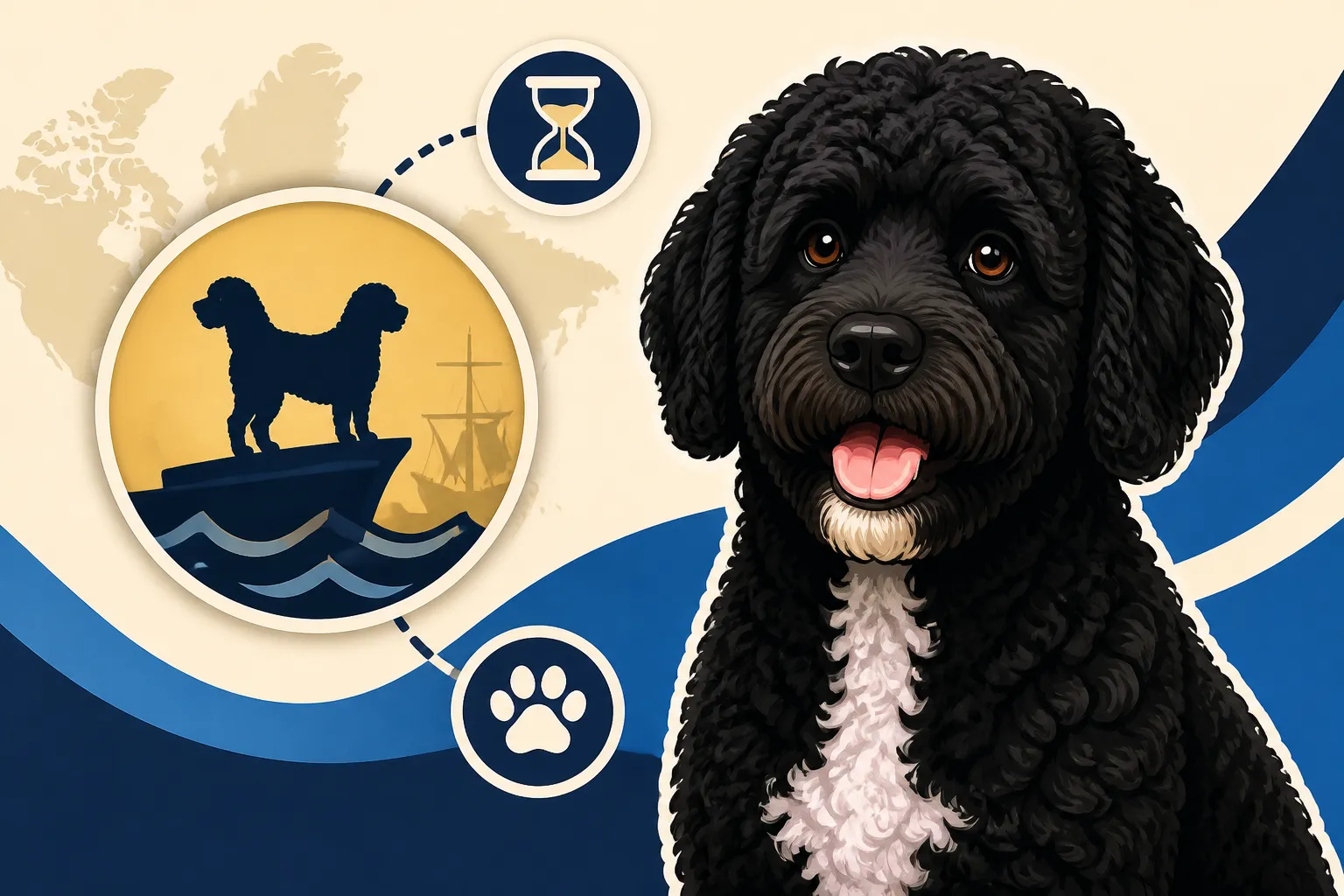
When we talk about how old the Portuguese Water Dog breed is, we often have to start with a bit of educated guesswork regarding their earliest ancestors. Some theories suggest their forebears might have arrived on the Iberian Peninsula with ancient traders or even Roman legions, perhaps accompanying working dogs from the East or North Africa. These early canine companions would have been adaptable, robust, and capable, much like the PWDs we know. The idea is that these initial dogs, brought by seafaring people, found their niche along the coastlines of Portugal, slowly evolving through natural selection and intentional breeding by local communities. The climate, the work available, and the resources shaped them, favoring traits like water prowess and intelligence.
Over generations, as these dogs settled into the coastal communities, their specific skills were honed to meet the unique demands of fishing villages. They weren't just pets; they were integral members of the crew. This period saw the informal development of a distinct type of water dog, long before official breed registries or written standards existed. The very act of working alongside fishermen for centuries is what stamped the core characteristics onto what would eventually become the Portuguese Water Dog. You can explore more about their early journey in Where the Portuguese Water Dog Comes From.
Early Written and Artistic Records
While definitive birth certificates for breeds don't exist, we can certainly look for the earliest verifiable mentions and depictions of dogs that strongly resemble the Portuguese Water Dog. These come in the form of old manuscripts, travelogues, and even artistic representations. Records from the 13th century, for example, describe dogs with a striking resemblance to the PWD, including their distinctive coat and working aptitude in water. These aren't just vague descriptions; they often detail their roles, highlighting their intelligence and swimming abilities.
Further evidence comes from later centuries, with various European texts making note of "water dogs" in the Portuguese coastal regions. These accounts often marvel at their stamina and retrieve drive, emphasizing their value to the fishing industry. Imagine sailors sketching their canine companions, or chroniclers noting the peculiar working habits of the local dogs—these glimpses give us a precious window into their long history. It’s these consistent, centuries-old references that allow us to confidently say the Portuguese Water Dog is a truly ancient breed, with a history that predates many of the well-known breeds we recognize today. How Far Back the Portuguese Water Dog Is Recorded delves deeper into these historical documents.
The Golden Era with the Portuguese Fishing Fleet
The true blossoming of the Portuguese Water Dog breed, the period that most profoundly shaped its identity, occurred alongside the hardy fishermen of Portugal, particularly in the Algarve region. This wasn't just a casual coexistence; it was a deeply ingrained, symbiotic relationship that forged the very essence of the breed. For centuries, these dogs were indispensable partners, their lives inextricably linked with the daily grind and dangers of the sea.
A Purpose-Driven Partnership
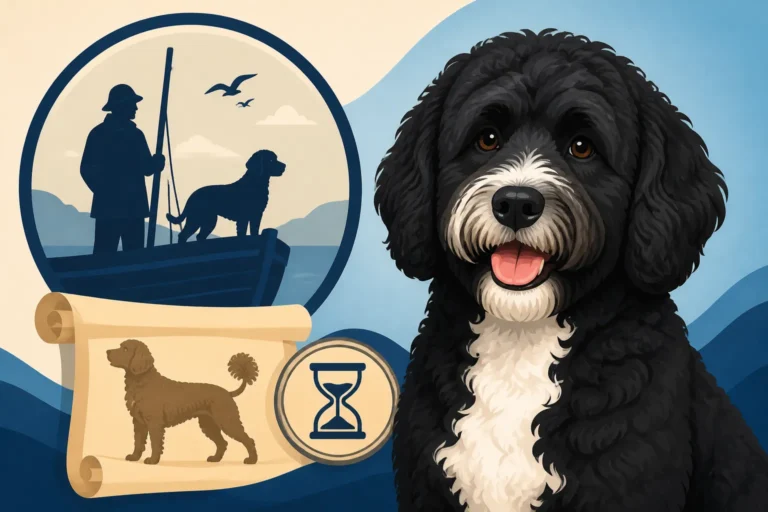
During this golden era, spanning many hundreds of years, the Portuguese Water Dog wasn't merely a companion; it was a working tool, a vital member of the fishing crew. Their job description was extensive and demanding, requiring incredible stamina, intelligence, and an innate love for the water. They would herd fish into nets, acting as living boundaries in the ocean. Imagine a dog diving repeatedly into choppy waters, guiding schools of fish with unwavering focus. That was the PWD's reality.
Beyond herding, they were masters of retrieval. Lost fishing tackle, ropes, or even broken nets that had fallen overboard were no match for their keen senses and powerful swimming. They would plunge into the sea, locate the missing items, and bring them back to the boat, often performing these tasks in treacherous conditions. This wasn't a game; it was about the crew's livelihood. Their incredible drive to please and their natural aptitude for water work made them invaluable. What a Portuguese Water Dog Did for a Fishing Crew provides even more detail on their diverse maritime roles.
Adapting to the Maritime Life
Living and working on fishing boats meant the Portuguese Water Dog had to be incredibly adaptable, both physically and temperamentally. Their unique single coat, whether curly or wavy, was perfect for this life. It provided insulation in cold waters but didn't weigh them down, and it was relatively quick-drying once they were back on deck, preventing chills. Their strong, muscular bodies and powerful rudder-like tails were perfectly designed for navigating the sea. Even their webbed feet, a distinguishing characteristic, were essential for their swimming prowess.
Temperamentally, these dogs developed a keen intelligence and a strong desire to be close to their human companions. They had to be independent thinkers, able to make decisions in dynamic situations on the water, yet also highly biddable and responsive to their master's commands. This duality—independent problem-solver combined with loyal partner—is a hallmark of the breed to this day. They often slept on the boats, ate alongside the crew, and were considered family members. The bond was profound, a testament to the crucial role they played in the lives of the Portuguese fishermen.
From Near Extinction to Resurgence
As with many working breeds, the advent of technology brought significant changes, and for the Portuguese Water Dog, this meant a dramatic decline in their numbers. It’s a somber chapter in their history, highlighting how fragile the existence of even the most robust breeds can be. Yet, thanks to the passionate efforts of a few dedicated individuals, this ancient breed was pulled back from the brink.
The Decline of a Working Breed
The mid-20th century marked a difficult period for the Portuguese Water Dog. The industrialization of fishing, particularly the introduction of modern trawlers and advanced navigation equipment, gradually rendered the dogs' traditional services less necessary. Fishing fleets became larger, more efficient, and less reliant on canine assistance. The very purpose for which the breed had been so meticulously developed over centuries began to fade.
As their working role diminished, so did their numbers. With fewer fishermen needing their unique skills, breeding programs dwindled, and the breed teetered on the edge of oblivion. By the 1930s, the Portuguese Water Dog was incredibly rare, almost an artifact of a bygone era. It's a sobering thought to consider that a breed with such a rich, deep history came so perilously close to disappearing entirely. The Portuguese Water Dog Was Almost Gone by the 1930s expands on this critical period.
Dedicated Efforts for Revival
Thankfully, the story of the Portuguese Water Dog doesn't end with extinction. A few dedicated enthusiasts, recognizing the historical significance and unique qualities of these dogs, began efforts to preserve them. A prominent figure in this revival was Dr. Vasco Bensaude, a wealthy Portuguese shipping magnate and dog lover. He began actively seeking out and collecting the remaining specimens of the breed in the 1930s and 40s. His efforts were crucial in establishing a foundation for a modern breeding program.
Dr. Bensaude, and later others, worked tirelessly to bring these dogs back. They meticulously documented pedigrees, established breeding standards, and promoted the breed to a wider audience, albeit slowly at first. It was a painstaking process of identification, careful breeding, and a deep commitment to ensuring the Portuguese Water Dog's survival. Their foresight and dedication are why we have this wonderful breed with us today. You can learn more about the heroes of the breed's revival in Who Saved the Portuguese Water Dog.
Modern Recognition and Global Presence
From the brink of disappearance, the Portuguese Water Dog began a slow but steady ascent back into prominence. This revival led to their eventual recognition by major kennel clubs and a burgeoning popularity that has seen them become cherished family members around the world.
Gaining AKC and International Standing
The journey from near extinction to global recognition was a long one. After the foundational work in Portugal, the breed eventually made its way to North America and other parts of the world. In the United States, enthusiasts formed clubs and began the process of establishing the breed according to kennel club standards. This involved demonstrating a consistent type, a stable temperament, and a healthy gene pool.
The American Kennel Club (AKC) officially recognized the Portuguese Water Dog in the Working Group in the early 1980s. This was a monumental achievement, solidifying their place among the established breeds and providing a platform for their growth and preservation. International recognition followed, with kennel clubs worldwide embracing the breed. This formal acknowledgment helped standardize breeding practices, further ensuring the breed's health and integrity. The rigorous standards set forth by these organizations emphasize the importance of maintaining the physical and mental traits that define the Portuguese Water Dog. Learn more about their journey to official status in When the AKC Recognized the Portuguese Water Dog.
| Era | Key Developments | State of Breed Numbers | Role of Dogs |
|---|---|---|---|
| Ancient/Early | Speculative arrival, natural selection, informal development | Undefined, localized | Primitive working dog, adaptable to environment |
| Golden Era | Integral to fishing fleets, bred for specific water work, coat/temperament refined | Robust in coastal regions | Indispensable crew member, herder, retriever |
| 20th Century | Decline due to technology, near extinction by the 1930s | Critically low | Diminished working role |
| Revival | Dedicated breeding programs, establishment of breed standards, export | Slowly increasing | Focus on preservation, foundation for future |
| Modern Era | AKC/international recognition, growing popularity, companion animals | Stable and growing | Versatile working, show, and family companion |
The Breed's Enduring Appeal
Today, the Portuguese Water Dog enjoys a well-deserved place in homes across the globe. Their vibrant personality, unwavering loyalty, and sheer enthusiasm for life make them incredible companions. Their hypoallergenic-like coat (they shed minimally, which is a huge plus for many allergy sufferers) has certainly contributed to their appeal. But beyond that, it's their intelligent, robust, and sometimes mischievous nature that truly captures hearts.
They excel not just as family pets, but also in various dog sports like agility, obedience, and of course, water trials. Their historical role as working dogs translates into a natural drive and intelligence that thrives on having a "job" to do, whether that's learning complex tricks or retrieving toys from the swimming pool. If you're looking for a dog that's more than just a couch potato, one that's eager to participate in all your adventures, the PWD's enduring appeal becomes crystal clear. Many owners find their supplies and food needs met through retailers like Chewy, ensuring their active PWDs stay healthy and happy.
Why Understanding Their History Matters Today
Knowing the history of the Portuguese Water Dog isn't just a fun fact; it's a vital part of understanding who they are as a breed right now. Their ancient past, their working heritage, and their journey through near extinction have all left an indelible mark on their modern characteristics. This historical context helps new and experienced owners alike appreciate their quirks, understand their needs, and effectively nurture their unique spirit.
Connecting Past Roles to Present Traits
Every characteristic you see in a Portuguese Water Dog today—from their webbed feet and water-loving nature to their intelligent, problem-solving mind—is a direct echo of their past. They were bred to work independently, often far from the boat, making decisions on the fly to herd fish or retrieve lost items. This translates into a dog that is smart, often thinks for itself, and can sometimes be a bit headstrong. They aren't always looking for you to tell them what to do; they might have their own ideas!
Their stamina and high energy levels are also direct consequences of their history. A Portuguese Water Dog was expected to work long hours, swimming tirelessly in the cold Atlantic. This isn't a breed content with a short walk around the block; they need significant physical and mental exercise to be truly happy and well-adjusted. Understanding this historical drive is key to preventing behavioral issues that can arise from boredom or insufficient activity. For example, if you notice your PWD trying to "herd" your children or other pets, it's a direct callback to their fish-herding ancestors.
Preserving the Legacy for Future Generations
Understanding the deep history of the Portuguese Water Dog also places a responsibility on current owners and breeders to preserve their legacy. This means more than just keeping the breed alive; it means striving to maintain the health, temperament, and working abilities that make them so special. Responsible breeding practices, including comprehensive health testing, are paramount to ensuring the breed continues to thrive.
The efforts of those who saved the breed from extinction laid the groundwork, and it's up to us to continue that commitment. This includes supporting ethical breeders, participating in breed-specific activities, and advocating for the health and well-being of PWDs. By appreciating their history, we can ensure that future generations can also experience the joy of sharing their lives with these magnificent, historically rich dogs. Whether it's finding quality food and toys at places like Chewy or researching their health clearances, every step contributes to the preservation of this incredible ancient breed.
Disclaimer
This article is for general informational purposes only and does not constitute professional advice. Laws, prices and regulations vary by location and change over time. Consult a qualified professional for guidance on your specific situation.