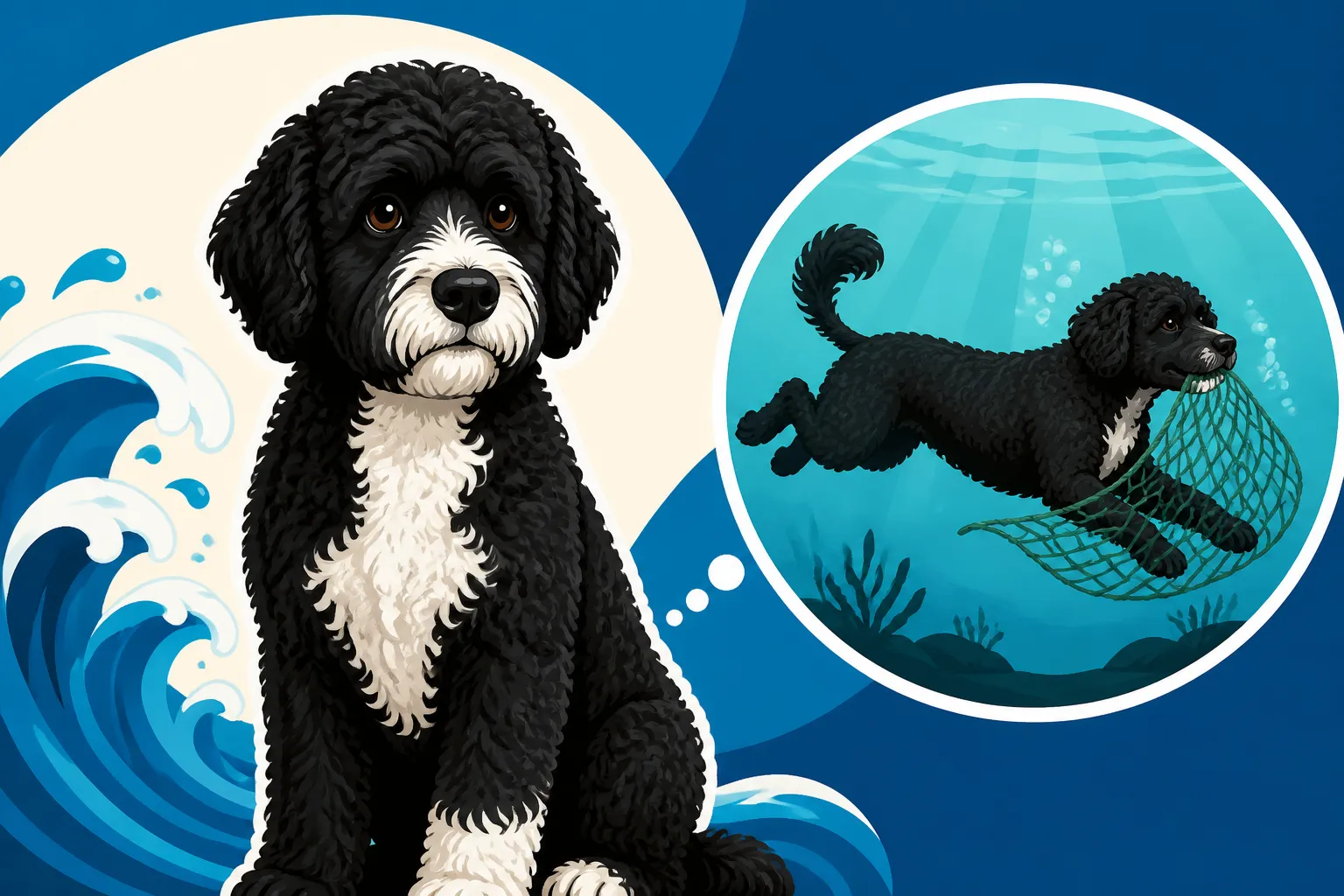
What Cao de Agua Means in the Portuguese Water Dog’s Name
Many people hear "Portuguese Water Dog" and immediately picture a fluffy, lovable companion, perhaps even one that swam in presidential pools. But the true essence of this remarkable breed lies in its original name, "Cão de Água." Understanding what these three simple Portuguese words truly mean is key to grasping not just their history, but their very nature, their unique physical attributes, and why they thrive when given a purpose. This guide will dive deep into the meaning and significance of "Cão de Água," revealing the heart of this ancient mariner's companion.
Decoding "Cão de Água": The Literal and the Legacy
The name "Portuguese Water Dog" is a pretty straightforward translation, right? But the original Portuguese, "Cão de Água," holds so much more than just a literal meaning. It's a title that carries the weight of centuries of partnership, a deep connection to a demanding life at sea, and an intrinsic descriptor of a dog whose very being is intertwined with water. When we pull apart these words, we're not just learning a foreign phrase; we're uncovering the soul of the breed.
Breaking Down the Portuguese Words
Let's get right to it. "Cão" simply means "dog." No mystery there. "De" is the possessive "of" or "from." And "Água" means "water." So, literally, we have "Dog of Water." Sounds simple, doesn't it? But think about that phrasing. It's not just "water dog" as in a dog that likes water, or even a dog that goes into water. It's "dog of water," implying an inherent belonging, a fundamental connection. This isn't just an activity; it's their domain.
Imagine a fisherman on the rugged coast of Portugal, calling to his loyal companion. He wouldn't just say "dog," he'd refer to him by his essential function, his very identity. This phrasing emphasizes that the dog isn't merely near the water; it is part of the water, an extension of the aquatic environment. It speaks to a dog that is as comfortable in the waves as it is on dry land, a creature fundamentally designed for and dedicated to tasks performed in and around the sea. It paints a picture of a canine whose very essence is intrinsically linked to the ebb and flow of the ocean, a true master of the maritime world.
The Historical Context of the Name
The name "Cão de Água" didn't just pop up out of nowhere; it evolved alongside the breed's role within the Portuguese fishing communities. For centuries, these dogs were indispensable crew members on fishing boats along the coasts of Portugal, particularly the Algarve region. They weren't pets in the modern sense; they were working dogs, bred and valued for their specific maritime skills. Their survival, and often the success of the fishing trip, depended on their ability to perform their duties in the water.
This historical context truly enriches the meaning. The name served as a concise job description, a testament to their utility and specialization. It set them apart from other breeds that might have been land-based herders or guards. The "Cão de Água" was unequivocally the dog whose life, work, and very existence revolved around the ocean. The name is a living artifact of their past, a constant reminder of the incredible bond forged between man and dog on the treacherous, bountiful seas. It’s a moniker earned through generations of hard work and unwavering loyalty on the high seas, cementing their place as vital members of the fishing community.
The Working Role Behind the Name: A Sailor's Best Mate
The Portuguese Water Dog wasn't just named for its affinity for water; its entire being was sculpted by generations of specific tasks performed in the rough, unpredictable ocean. The "de Água" part of their name isn't just a nod to their swimming ability; it's a testament to a multifaceted job description that made them an irreplaceable part of the fishing fleet. These dogs were true working partners, facing harsh conditions alongside their human companions. What a Portuguese Water Dog Was Bred to Do on a Boat gives a great overview of these historical duties.
Retrieving from the Water
One of the most crucial jobs for the Cão de Água was retrieving. Picture a busy fishing boat, nets being hauled in, waves crashing, and perhaps a valuable piece of tackle or a fish escaping the net. That's where the water dog came in. Their powerful swimming, exceptional endurance, and strong retrieving drive made them experts at plunging into the icy waters to bring back whatever was lost. They were often sent to recover lines, broken fishing gear, or even fish that had slipped free.
This wasn't a game of fetch in a calm pond; this was a demanding, potentially dangerous task in open water, often far from the boat. The dogs had to be quick, focused, and impervious to the cold. Their coat, as we'll discuss later, played a huge role in this. The ability to reliably retrieve in such an environment wasn't just helpful, it was often vital for the fishermen's livelihood, saving them time, money, and preventing potential dangers on the high seas. Whether a Portuguese Water Dog Still Retrieves is a common question, and yes, that instinct remains incredibly strong in the breed today.
Herding Fish into Nets
Now, this might sound a bit unbelievable, a dog actually herding fish? But it's true! Portuguese Water Dogs were known to assist in herding fish into nets. Imagine a long line of nets being deployed, and a school of fish attempting to escape the open ends. The dogs, with their keen senses and natural herding instincts, would dive and swim to create a barrier, splashing and barking to drive the fish back towards the waiting nets. This innovative technique speaks volumes about their intelligence and adaptability.
This unique skill wasn't just about chasing; it required an understanding of the fishermen's commands and the ability to work cooperatively within a dynamic environment. They had to navigate underwater currents and maintain their position, often working in tandem with other dogs or with the fishermen themselves. It’s a remarkable example of how a breed can be specifically honed for an almost unbelievable task. How a Portuguese Water Dog Drove Fish Into a Net delves deeper into this fascinating aspect of their heritage, showcasing their unique abilities in the marine environment.
Carrying Messages and Lost Gear
Beyond retrieving fish and herding, these clever canines also served as aquatic messengers and retrievers of larger items. Imagine two boats working side-by-side, but too far to easily communicate verbally or pass items by hand. The Cão de Água would swim between them, carrying messages or small objects securely. This was invaluable for coordinating efforts, especially before the advent of modern communication tools. The trust placed in these dogs highlights their reliability and intelligence.
They also retrieved larger pieces of gear, like anchors or mooring lines that had come adrift. Their strength and determination meant they could tow considerable weight through the water, bringing crucial equipment back to the boat. This highlights their incredible physical prowess and unwavering loyalty, showcasing their role as vital crew members. Whether a Portuguese Water Dog Carried Messages Between Boats explores these heroic feats further, painting a picture of a dog that was truly a jack-of-all-trades on the fishing vessel and an essential part of the maritime operations.
Physical Traits Reflecting "Water Dog": Built for the Brine
When you look at a Portuguese Water Dog, especially after understanding their history, you start to see why their very physiology screams "Cão de Água." Every aspect of their physical design, from nose to tail, is perfectly adapted for a life spent in and around the water. These aren't just features they happen to have; they are finely-tuned adaptations honed over centuries of working alongside fishermen in the demanding coastal environment. Their bodies are masterpieces of aquatic engineering.
The Distinctive Webbed Feet
One of the most striking and functionally critical features of the Portuguese Water Dog is their truly impressive webbed feet. These aren't just slightly joined toes; the webbing between their pads is pronounced and robust, extending almost to the very tip of their digits. Think of them as natural paddles. Just as a duck's feet propel it through water, a PWD's webbed feet provide a massive surface area for pushing against the water, generating powerful thrust with each stroke. This is a game-changer for speed and efficiency in the water, allowing them to move with remarkable power.
This extensive webbing allows them to swim with remarkable speed and agility, making them incredibly effective at chasing fish, retrieving gear, or swimming long distances. It's a clear indicator of their aquatic purpose, showcasing how evolution, guided by selective breeding for working ability, crafted a dog perfectly suited for its environment. How Much a Portuguese Water Dog's Webbing Adds to Its Speed elaborates on the biomechanics of these incredible paws. When you see them in action, it's clear these feet are built for serious swimming, whether it's for sport or for historical fishing tasks.
The Waterproof Coat
A dog that spends hours in cold ocean water needs more than just powerful paws; it needs protection. The Portuguese Water Dog's single coat, which can be either curly or wavy, is a marvel of natural engineering. Unlike many double-coated breeds, which have a dense undercoat for warmth, the PWD's coat is dense and highly water-resistant, almost self-oiling. It acts like a natural wetsuit, providing excellent insulation and shedding water efficiently rather than absorbing it.
This unique coat prevents the dog from becoming waterlogged and chilled, which would be a death sentence in the often-frigid Atlantic waters. After a swim, the water beads off, and with a good shake, they are often surprisingly dry. This isn't a coat designed for cuddles and show rings first; it's a utilitarian garment built for survival and prolonged work in a wet environment. What a Portuguese Water Dog's Coat Is Made Of provides a deeper look into the structure and properties of this fascinating coat, explaining why it's so perfect for their namesake activity. It's also why proper grooming, like using high-quality brushes and shampoos from a brand like Chewy, is so important to maintain its integrity, preventing mats that could compromise its insulating properties.
A Powerful, Rudder-Like Tail
The tail of a Portuguese Water Dog is far more than just a wagging appendage. It's a thick, muscular, and often proudly carried appendage that serves as a vital tool in the water. When swimming, the tail acts like a powerful rudder, providing balance, steering, and even an extra burst of propulsion. You'll notice they often use it to pivot sharply, change direction quickly, or stabilize themselves against strong currents. This makes them incredibly maneuverable swimmers, essential for navigating tricky situations around boats or in choppy seas.
The way they hold their tail, often in a characteristic "semicircle" or "ring" over their back when alert or working, also signifies its importance. It's not just for show; it's an active part of their aquatic mechanics. Without this strong, flexible rudder, their ability to perform intricate tasks in the water would be severely hampered. Why a Portuguese Water Dog's Tail Works as a Rudder offers more insight into how this unique tail contributes to their exceptional swimming prowess, making them incredibly agile and effective in the water. It truly completes the picture of a dog built specifically for life as a "Cão de Água."
Beyond the Literal Translation: Temperament and Drive
The name "Cão de Água" doesn't just describe what the Portuguese Water Dog does; it fundamentally speaks to who they are. Their temperament and underlying drives are as much a part of their "water dog" identity as their physical attributes. These are not passive dogs who simply tolerate water; they are enthusiastic, intelligent, and highly driven creatures whose very being seems to hum with a desire to engage with their watery element and perform tasks. Neglecting these inherent traits can lead to a less-than-happy PWD and an overwhelmed owner.
An Inherent Love for Water
For most Portuguese Water Dogs, water isn't just a place to cool off on a hot day; it's a calling. Their love for water is profound, instinctive, and often borders on obsessive. Many will try to get into any body of water they encounter, be it a puddle, a kiddie pool, or the vast ocean. This isn't something you typically have to teach them; it's usually deeply ingrained in their genetic makeup. How Naturally a Portuguese Water Dog Swims explores this natural inclination.
This deep-seated passion means that a PWD without access to water activities is likely to be a frustrated dog. They need outlets for this drive, whether it's swimming in a pool, a lake, or participating in organized water sports. It's part of their identity, a joyful expression of their heritage. Owners often find themselves planning vacations around bodies of water or installing pools just to satisfy their Cão de Água's fundamental need. Providing opportunities for swimming is truly a non-negotiable part of owning this breed, especially given how early The Age a Portuguese Water Dog Can Start Swimming.
Intelligence and Eagerness to Work
A dog bred to perform complex tasks on a fishing boat couldn't be a dull or unwilling participant. The "Cão de Água" is renowned for its sharp intelligence, problem-solving abilities, and an almost insatiable eagerness to work. They are quick learners, often picking up new commands and routines with impressive speed. However, this intelligence comes with a caveat: they can also be quite independent thinkers, sometimes preferring their own solutions to yours! This strong-willed nature means training needs to be engaging and consistent.
This eagerness to work isn't just about obedience; it's about having a purpose. They thrive on having a job, whether it's retrieving toys, learning advanced obedience, participating in agility, or, ideally, engaging in water-related tasks. A bored Cão de Água is a creative Cão de Água, and that creativity often manifests in ways that are less than desirable for the homeowner, such as counter-surfing or inventive methods of self-entertainment. They need mental stimulation as much as physical exercise to prevent these undesirable behaviors.
The Need for Engagement
Given their history and inherent drives, a Portuguese Water Dog needs to be engaged. They are not content to be mere backyard ornaments or occasional walk companions. They thrive on interaction, training, and activities that challenge both their bodies and their minds. This breed was bred for close partnership, and they desire to be an active, involved member of their human "pack." This means regular, meaningful interaction, not just throwing a ball in the yard.
This need for engagement is why early socialization and consistent training are so crucial. They need clear boundaries and an owner who is willing to invest time and energy into channeling their considerable intelligence and energy into productive outlets. Without this, their "dog of water" instincts can lead to a dog that's not just bored, but potentially destructive or anxious. Whether it's daily training sessions, puzzle toys from Chewy, or regular trips to a safe swimming spot, consistent mental and physical engagement is absolutely vital for a happy and well-adjusted Cão de Água. They thrive when they feel they are an integral part of your life and activities.
The "Cão de Água" in Modern Times: Preserving the Heritage
Even though most Portuguese Water Dogs today aren't working on fishing trawlers, the spirit of the "Cão de Água" lives on. Responsible breeders and dedicated owners strive to honor and preserve the very traits that made this breed so invaluable to the fishermen of old. This means not just focusing on physical appearance, but on maintaining the working drive, intelligence, and undeniable love for water that defines the breed. Understanding their historical purpose helps us appreciate why certain activities are so paramount to their well-being in contemporary life.
Water Sports and Activities Today
For the modern Portuguese Water Dog, water sports and activities are the primary way to express their "Cão de Água" heritage. Dock diving, where dogs run and leap off a dock into a pool to retrieve a toy, is incredibly popular. It perfectly taps into their retrieving drive, athleticism, and love for water. Similarly, water trials, which simulate their historical tasks like retrieving articles from the water or swimming with a "net" (often a line of floats), offer a structured and challenging way for PWDs to demonstrate their innate abilities. Dock Diving and Water Trials With a Portuguese Water Dog provides a fantastic look into these engaging sports.
Beyond formal competitions, many owners simply ensure their PWDs have access to safe swimming opportunities in lakes, pools, or the ocean. These activities provide unparalleled physical exercise and mental stimulation, burning off energy and satisfying their deep-seated instincts. These aren't just hobbies; for many PWDs, they are essential for their overall happiness and mental health, allowing them to truly be the "dogs of water" they were bred to be. They need this outlet to thrive and feel fulfilled, much like their ancestors.
Responsible Breeding and Preserving Traits
The continued existence of the "Cão de Água" as we know it today is largely due to the efforts of responsible breeders who understand the profound meaning behind the name. These breeders prioritize not just health and conformation but also temperament and working aptitude. They strive to produce dogs that still embody the intelligence, biddability, and intense water drive that characterized their ancestors. This often means carefully selecting breeding stock that excels in performance events or demonstrates strong working instincts, ensuring the breed's functional integrity.
Preserving the "Cão de Água" identity means recognizing that this breed is more than just a unique coat type or a specific look. It's about maintaining a robust working dog capable of performing its historical duties, even if those duties are now translated into modern sports. This dedication ensures that future generations of Portuguese Water Dogs will continue to live up to their name, remaining true "dogs of water" in every sense. Organizations and clubs dedicated to the breed often provide resources for finding such breeders, emphasizing the importance of preserving the full scope of their heritage.
| Portuguese Term | Literal Translation | Deeper Meaning for PWD |
|---|---|---|
| Cão | Dog | A loyal, intelligent companion |
| de | of / from | An intrinsic part, belonging to |
| Água | Water | Their natural domain, essential for their well-being and purpose |
| Cão de Água | Dog of Water | A working partner designed for, and thriving in, aquatic environments; embodying intelligence, endurance, and an inherent love for all things water. |
The Lifelong Journey of a "Cão de Água" Owner: Embracing the Wet Life
Bringing a Portuguese Water Dog into your life isn't just about adopting a pet; it's about embracing a lifestyle that revolves around their inherent nature as a "Cão de Água." This means understanding that their deep connection to water and their need for a job isn't a phase or a preference, but a fundamental part of who they are. It requires a commitment to providing the environment and activities that allow them to flourish, living up to every aspect of their storied name.
Preparing for a Water-Centric Lifestyle
If you're considering a Portuguese Water Dog, you must be prepared for a wet and active life. This means more than just occasional trips to the beach. It means thinking about how you'll provide consistent access to water activities. Do you have a safe pool? Is there a dog-friendly lake nearby? How will you manage a wet, curly dog in your home and car? Investing in absorbent towels, a good force dryer, and durable, waterproof beds is often essential. Products from companies like Chewy offer a wide range of gear specifically designed for active, water-loving breeds, from quick-drying vests to durable water toys that can withstand hours of fetching.
This preparation also extends to understanding their coat care. A PWD's coat, while non-shedding, is prone to matting, especially after swimming. Regular brushing and professional grooming or diligent home grooming are not optional; they are critical for health and comfort. The Clip You Choose Decides a Portuguese Water Dog's Grooming Bill discusses the importance of coat management and how it impacts both your time and budget. Being ready for the practicalities of a "water dog" life ensures both you and your PWD can enjoy years of happy, splashing adventures without unexpected hurdles.
Beyond the Splash: Meeting Mental and Physical Needs
While water is central to their identity, being a "Cão de Água" means more than just swimming. Their intelligence and working drive demand consistent mental and physical exercise on land as well. Long walks, challenging hikes, puzzle toys, obedience training, and other dog sports like agility or rally obedience are all vital components of a balanced routine. An under-exercised or under-stimulated PWD can become bored, destructive, or anxious, channeling their natural drive into less desirable behaviors. The Portuguese Water Dog That Has Not Had Enough Exercise offers insights into the potential consequences, from excessive barking to chewing.
Their rich history as intelligent problem-solvers on fishing boats means they thrive when given tasks to figure out. Engage their minds with training games, scent work, or even simple "find it" games around the house. The goal is to make them feel like they have a purpose, mimicking the intricate work they once did alongside their human partners. It's a lifelong commitment to nurturing their entire being, not just their physical energy, but their keen minds and independent spirits, ensuring a well-rounded and contented companion.
The Rewards of Embracing the "Cão de Água"
Embracing the full meaning of "Cão de Água" offers immense rewards. Owners who commit to their PWD's need for water, work, and engagement find themselves with a devoted, joyful, and highly intelligent companion. These dogs form incredibly strong bonds with their families, thriving on shared activities and feeling truly "part of the crew." There's a special joy in watching a Portuguese Water Dog, with its powerful strokes and focused gaze, retrieve a buoy from a lake, knowing you're honoring centuries of their heritage and giving them the life they were born to lead.
The experience of owning a "Cão de Água" is a dynamic and enriching one. It pushes owners to be more active, more engaged, and more creative in how they interact with their dogs. It's a partnership rooted in mutual respect and understanding of a breed's deeply ingrained purpose. When you commit to their identity as a "Dog of Water," you unlock the full potential of this magnificent and historically significant breed, creating a bond that is truly unique and deeply satisfying. This journey truly captures the spirit of Twelve Years of a Portuguese Water Dog, Priced Out, highlighting the value beyond monetary cost.
Disclaimer
This article is for general informational purposes only and does not constitute professional advice. Laws, prices and regulations vary by location and change over time. Consult a qualified professional for guidance on your specific situation.