What a Portuguese Water Dog Weighs and How Tall It Stands
One of the first things many prospective Portuguese Water Dog owners wonder about is their size. You might envision a sturdy, medium-sized dog, but then you see photos that make them look quite substantial, or sometimes deceptively compact, especially with their unique coats. It can be a little confusing to get a clear picture from just a quick search. This comprehensive guide will walk you through everything you need to know about the typical weight and height of a Portuguese Water Dog, delving into what makes them the perfect size for their original job and how these dimensions translate into their everyday lives as beloved companions.
Understanding the Portuguese Water Dog's Build and Purpose
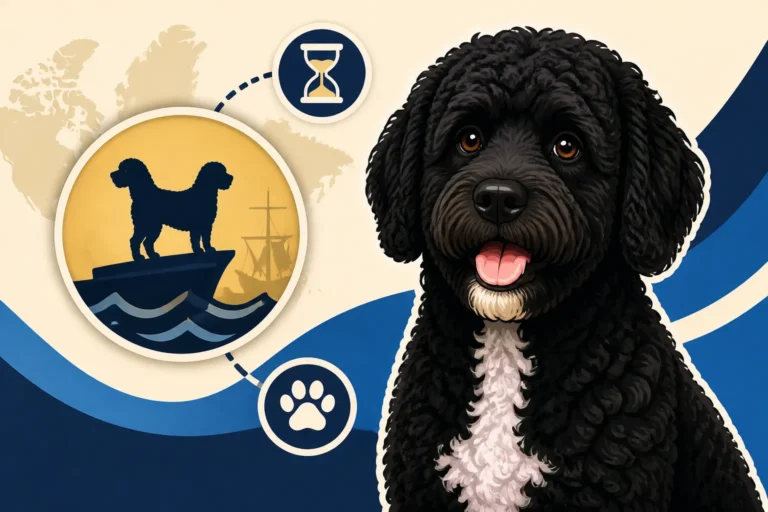
When you look at a Portuguese Water Dog, it’s easy to get caught up in their charming curls or wavy locks, but beneath that distinctive coat is a marvel of canine engineering. These dogs weren't bred for show rings or lounging on velvet pillows; they were bred for demanding, active work alongside fishermen on the rugged coast of Portugal. Their size and build are direct reflections of this historical role, designed for efficiency and endurance in and around the water.
The Original Working Dog's Physique
Imagine a bustling fishing boat off the coast, with nets being hauled in, fish escaping, and ropes needing to be retrieved from the sea. This was the Portuguese Water Dog's office. They needed to be large enough to be powerful swimmers, capable of retrieving heavy gear and even herding fish, yet agile enough to navigate a bobbing boat and leap in and out of the water countless times a day without tiring. They couldn't be so massive that they'd be a hindrance on deck, nor so small that they couldn't handle the choppy waves or the weight of a retrieved item.
This practical necessity shaped their physique. They developed a robust, muscular body, deep chests for strong lungs, and powerful hindquarters for propulsion in the water. Their compact, strong build allowed them to be incredibly athletic and resilient, attributes still very much present in the breed today. Their job demanded a perfect balance of strength, agility, and endurance, which translates directly into their typical size.
How Form Follows Function for a Water Dog
Every aspect of the Portuguese Water Dog’s physical structure, including its height and weight, is tied to its aquatic capabilities. Their strong, level back and moderately tucked-up abdomen are ideal for powerful swimming strokes and quick dives. Their well-angulated hindquarters provide that necessary "kick" in the water, propelling them forward with incredible force. Even their strong neck and broad skull were beneficial for carrying items, whether it was a message between boats or a dropped fishing net.
Their famous webbed feet, of course, are a prime example of form meeting function, acting like natural paddles. You can really see how their overall size, not too bulky but certainly not dainty, provides the leverage and strength needed to work effectively in a marine environment. They are truly built for the water, and their dimensions reflect this heritage perfectly. A good understanding of How a Portuguese Water Dog Was Bred to Work a Boat, Not a Yard really highlights this functional design.
Official Breed Standard for Height and Weight
For anyone considering bringing a Portuguese Water Dog into their home, understanding the official breed standard is crucial. These standards aren't just for show dogs; they provide a blueprint for the ideal PWD, outlining the expected ranges for height and weight that have been established to maintain the breed's health, temperament, and functional abilities. While individual dogs will always have slight variations, these guidelines offer a good benchmark.
Male Portuguese Water Dog Dimensions
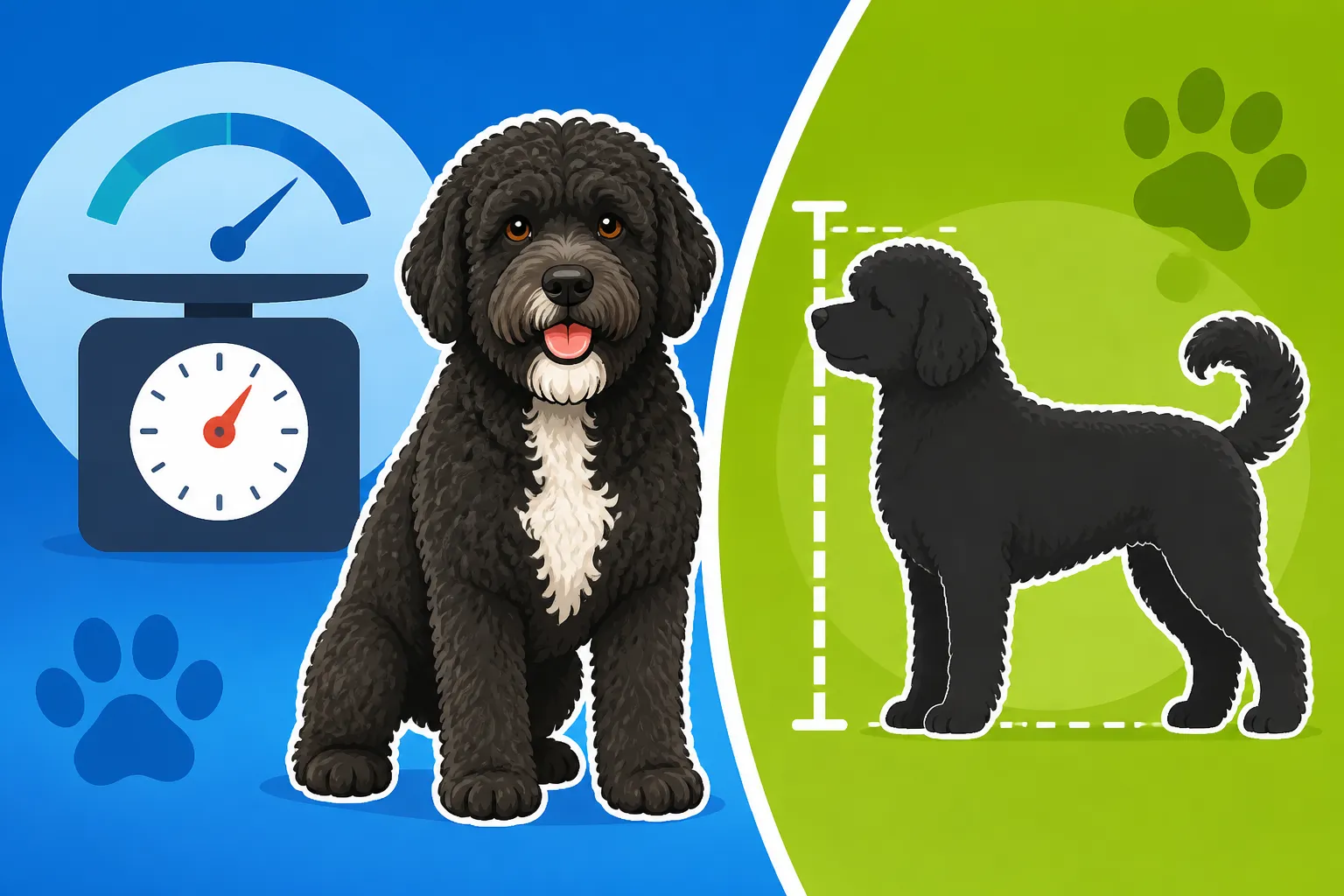
According to breed standards, male Portuguese Water Dogs typically stand a bit taller and weigh more than their female counterparts. You're generally looking at males standing between 20 to 23 inches (approximately 50 to 58 cm) at the shoulder. When it comes to weight, a healthy adult male usually falls within the range of 42 to 60 pounds (about 19 to 27 kg).
It's important to remember that these are averages. A dog at the higher end of the height range might also naturally be at the higher end of the weight range, and vice versa. What's most important is that the dog appears well-proportioned and in good condition for its frame. A rangy dog might carry less weight than a very stocky one, even at the same height. If you're looking at a puppy, breeders often refer to these standards to ensure they're producing sound, healthy dogs. For more details, you can look up How Tall a Portuguese Water Dog Stands and How Much a Portuguese Water Dog Weighs.
Female Portuguese Water Dog Dimensions
Female Portuguese Water Dogs, while still sturdy and powerful, are generally a bit smaller and lighter than males. Their typical height range is between 17 to 21 inches (approximately 43 to 53 cm) at the shoulder. In terms of weight, you can expect an adult female to weigh anywhere from 35 to 50 pounds (about 16 to 23 kg).
Just like with males, the key is overall balance and condition. A healthy female will carry her weight proportionate to her height, appearing athletic and capable without being overly lean or carrying excess fat. These slight differences between sexes are common in many dog breeds and are simply part of their natural dimorphism. Understanding How Much Male and Female Portuguese Water Dogs Differ helps set realistic expectations for your future companion.
The Importance of Balance, Not Just Numbers
While knowing the specific height and weight ranges is helpful, it's crucial to understand that breed standards emphasize overall balance, substance, and athleticism above hitting an exact number. A Portuguese Water Dog should be moderate in bone and substance, never coarse or leggy. Their build should convey strength and agility, enabling them to perform their traditional work.
A dog that falls slightly outside the exact numerical range but maintains excellent structure, movement, and a healthy disposition is far more desirable than one that rigidly adheres to the numbers but lacks proper conformation or appears out of condition. Breeders are focused on producing dogs that embody the spirit and function of the breed, not just a set of measurements. This holistic view of the dog's build ensures they remain healthy and capable throughout their lives. You don't want a dog that's too heavy for its frame, straining its joints, or one that's too light to be truly robust.
Growth and Development: From Puppy to Adult
Bringing home a Portuguese Water Dog puppy is an exciting time, and watching them grow is one of the joys of pet ownership. However, it’s not always a straight line from tiny fluffball to fully grown adult. Understanding their growth stages can help you provide the best care and set realistic expectations for when they'll truly reach their full size and mature physique. They aren't massive breeds that take forever to fill out, but they aren't tiny, fast-growing dogs either.
Puppy Growth Spurts and Milestones
Portuguese Water Dog puppies grow rapidly during their first few months, often experiencing noticeable growth spurts. During this time, proper nutrition is paramount to support their developing bones and muscles. High-quality large-breed puppy food is often recommended, as it's formulated to support a slower, more controlled growth rate, which can help prevent skeletal issues common in larger, faster-growing breeds. Brands like Chewy often offer a wide selection of suitable puppy foods.
You'll notice significant changes in their size and weight during the first six to eight months. They'll go from being easily carried to a sturdy, playful companion in what feels like the blink of an eye. Regular vet check-ups are essential during this period to monitor their growth and ensure they are hitting healthy milestones. Keeping track of What a Portuguese Water Dog Puppy Should Weigh by Month can be a helpful guide, though remember every puppy is an individual!
When a Portuguese Water Dog Reaches Full Height
Most Portuguese Water Dogs will reach their full height surprisingly early, often between 8 to 12 months of age. While they might not get any taller after their first birthday, don't be surprised if they still look a bit lanky or "leggy" at this stage. It's similar to a human teenager who has shot up in height but hasn't yet filled out their frame.
This initial height achievement marks a transition from rapid skeletal growth to more gradual muscle development. It's a common misconception that once a dog reaches its full height, it's done growing entirely. For PWDs, there's still a significant journey ahead in terms of development, even if the tape measure stops extending upwards. For more on this, check out The Age a Portuguese Water Dog Stops Growing.
When a Portuguese Water Dog Fills Out
Even after a Portuguese Water Dog has reached its maximum height, they will continue to mature and "fill out" for quite some time. This means they will gain muscle mass, their chest will deepen, and their overall frame will broaden, giving them that robust, powerful appearance characteristic of the breed. This filling-out process typically continues until they are between 18 months and 2 years old, and sometimes even a little longer for very active males.
During this period, their weight will steadily increase as their muscle tone improves and they develop into their adult physique. Maintaining an appropriate exercise regimen and a balanced diet is crucial to support this development without encouraging excess fat. It’s during this phase that you really start to see the majestic adult dog emerge from the gangly adolescent, showcasing the full strength and athleticism they were bred for. Monitoring What an Adult Portuguese Water Dog Should Weigh will become particularly relevant in this stage.
Factors Influencing Size: Beyond the Standard
While breed standards provide a clear picture of what's typical for a Portuguese Water Dog, individual dogs can, and often do, vary. It's important to understand that several factors can influence a PWD's eventual size and weight, sometimes leading to deviations that are perfectly normal and healthy, and other times pointing to potential concerns. Knowing these influences helps owners better understand their dog's unique development.
Genetic Predisposition and Lineage
The genetic makeup inherited from a puppy's parents and their ancestral lines plays the most significant role in determining its eventual size. Reputable breeders carefully select their breeding pairs, taking into account not just temperament and health clearances but also conformation to the breed standard, including size. If a puppy comes from a line of larger-than-average PWDs, it's reasonable to expect that puppy might also lean towards the bigger side of the standard, or even slightly beyond it.
Conversely, a puppy from smaller parents might mature into a dog at the lower end of the weight and height ranges. These genetic predispositions are deeply ingrained, and while environmental factors can influence the expression of these genes, they won't fundamentally change the dog's inherent genetic programming for size. This is why looking at the parents and even grandparents can offer valuable clues about a puppy's potential adult dimensions.
Nutrition's Role in Healthy Growth
Proper nutrition is absolutely critical, especially during the rapid growth phase of puppyhood. Feeding a high-quality, balanced diet formulated for large-breed puppies can make a tremendous difference. These diets are specifically designed to support steady, controlled growth, which is essential for healthy bone and joint development. Overfeeding a puppy, or feeding a diet too rich in certain nutrients, can lead to excessively rapid growth, which can put undue stress on developing joints and potentially contribute to orthopedic issues later in life.
Conversely, underfeeding or providing a diet lacking essential nutrients can stunt a puppy's growth, leading to a smaller, less robust adult dog. Even once they are adults, consistent, appropriate feeding for their activity level is key to maintaining a healthy weight. A Portuguese Water Dog is an active breed, and its dietary needs will reflect that. Brands like Chewy offer many reputable options for dog food, often with formulations specifically for active breeds or sensitive stomachs. Feeding an Athletic Portuguese Water Dog is a critical component of their overall health.
The Impact of Spaying or Neutering on Development
The timing of spaying or neutering can also have an impact on a Portuguese Water Dog's skeletal development and, by extension, their final height. Hormones like estrogen and testosterone play a role in the closure of growth plates in bones. When a dog is spayed or neutered before these growth plates have naturally closed, it can sometimes lead to slightly longer limb bones, resulting in a dog that is taller than it might have been otherwise.
This doesn't necessarily mean a "taller" dog is unhealthy, but it's a factor to consider when discussing optimal growth. Many veterinarians and breeders now recommend waiting until a Portuguese Water Dog is fully mature—often between 18 months and 2 years of age—before spaying or neutering, to allow for full skeletal and hormonal development. This approach is believed by many to contribute to better long-term joint health and a more robust adult physique.
Distinguishing the Portuguese Water Dog from Similar Breeds
It's not uncommon for people to confuse the Portuguese Water Dog with other breeds, especially those with similar curly coats or working backgrounds. While some share superficial similarities, a closer look at their size, build, and overall conformation reveals distinct differences. Understanding these distinctions is not just about breed knowledge; it helps potential owners appreciate the unique characteristics of the PWD.
Portuguese Water Dog vs. Standard Poodle Size
The Standard Poodle is perhaps the most commonly confused breed with the Portuguese Water Dog, and it's easy to see why. Both are water dogs with non-shedding, curly coats, and both possess intelligence and athleticism. However, there are significant differences in their size and build that set them apart. Standard Poodles are generally taller and often appear more elegant and refined.
A Standard Poodle can easily stand 22-26 inches or more at the shoulder, often exceeding the maximum height of a male PWD. While their weight can overlap, a Poodle's build is typically finer boned and more delicately proportioned compared to the PWD's rugged, muscular frame. The PWD has a more compact, barrel-chested appearance, built for power rather than the Poodle's graceful, agile spring. If you're weighing your options, exploring How a Portuguese Water Dog Differs From a Standard Poodle can provide further clarity.
Portuguese Water Dog vs. Spanish Water Dog Size
The Spanish Water Dog is another breed that often draws comparisons, given its similar name and working history. However, these two breeds are quite distinct in appearance and size. Spanish Water Dogs are typically smaller and more rustic in appearance than their Portuguese cousins.
Spanish Water Dogs usually stand between 15.75 to 19.75 inches for males and 15 to 18.25 inches for females, making them notably shorter than most PWDs. Their weight ranges are also proportionally smaller. Their coats, while also curly, often form cords if left untrimmed, giving them a very different look from the Portuguese Water Dog's more open curl or wave. They have a slightly more primitive, lighter build compared to the PWD's substantial frame.
Portuguese Water Dog vs. Labradoodle Size
The Labradoodle, a cross between a Labrador Retriever and a Poodle, can also sometimes be mistaken for a Portuguese Water Dog, especially if it has a curlier coat. However, Labradoodles are not a standardized breed, and their size can be highly variable depending on the parentage. This lack of a consistent breed standard means their size is far less predictable than a purebred PWD.
Labradoodles can range significantly in size, from miniature to standard, often falling into height and weight categories that span wider than a PWD's typical range. A standard Labradoodle can often be taller and heavier than a Portuguese Water Dog, inheriting the larger frame of the Labrador or Standard Poodle. Their coats can also vary widely, from straight to fleece to wool, while the PWD's coat is consistently curly or wavy. Comparing them directly, How a Portuguese Water Dog Differs From a Labradoodle often highlights the PWD's more consistent and predictable characteristics.
Managing Your Portuguese Water Dog's Weight for Lifelong Health
Maintaining a healthy weight is paramount for the overall well-being and longevity of your Portuguese Water Dog. An active, athletic breed like the PWD thrives when it's at its ideal weight, allowing it to move freely, engage in vigorous play, and avoid unnecessary strain on its joints and internal organs. Over time, even a few extra pounds can lead to serious health issues, while being too thin can also indicate underlying problems.
Identifying an Underweight or Overweight PWD
It can sometimes be tricky to tell if your Portuguese Water Dog is at an ideal weight, especially with their dense, profuse coat. However, a simple hands-on check is usually the best indicator. You should be able to easily feel your dog's ribs, spine, and hip bones without pressing too hard, but they shouldn't be visibly protruding. When viewed from above, your PWD should have a noticeable waist or "tuck" behind their ribs, and from the side, their abdomen should rise slightly from their chest to their hindquarters.
If you can't easily feel their ribs, or if their waist is indistinct and they appear "blocky" from above, they are likely overweight. Conversely, if their ribs, spine, or hip bones are sharply visible and easily felt without any padding, they might be underweight. It's always a good idea to consult your veterinarian if you're unsure about your dog's ideal body condition score. Check out Signs a Portuguese Water Dog Is Overweight for more specific cues.
The Dangers of Obesity for an Active Breed
For an athletic breed like the Portuguese Water Dog, obesity is a serious concern that can drastically reduce their quality of life and lifespan. Extra weight puts significant strain on their joints, particularly their hips and elbows, which can exacerbate conditions like hip or elbow dysplasia. This is especially problematic for a breed known for its love of swimming and vigorous activity.
Obesity also increases the risk of numerous other health problems, including diabetes, heart disease, respiratory issues, certain cancers, and reduced stamina. An overweight PWD will be less enthusiastic about exercise, creating a vicious cycle where decreased activity leads to more weight gain. It makes them miserable and predisposes them to conditions that can be costly and heartbreaking to treat. Ensuring they remain at a healthy weight is one of the most proactive steps you can take for their long-term health. What an Under Exercised Portuguese Water Dog Does is often a clear indicator of a lifestyle out of balance.
Strategies for Maintaining an Ideal Weight
Maintaining an ideal weight for your Portuguese Water Dog involves a combination of appropriate nutrition and regular, vigorous exercise. As an active, intelligent working breed, they thrive on a consistent routine that includes both physical and mental stimulation. This isn't a breed that's content with just a leisurely stroll around the block.
Dietary Management:
- Measure Portions: Don't just "eyeball" your dog's food. Use a measuring cup to ensure you're providing the correct amount for their age, weight, and activity level. Calorie needs can vary widely.
- High-Quality Food: Feed a premium dog food that provides balanced nutrition. You might even consider formulas designed for active breeds. Many options are available from retailers like Chewy.
- Limit Treats: Treats should be given in moderation and factored into their daily calorie intake. Opt for low-calorie, healthy options when possible.
- Avoid Table Scraps: Human food can often be too rich, high in fat, or even toxic for dogs.
Exercise Regimen:
- Daily Activity: Aim for at least 1-2 hours of vigorous exercise daily. This can include long walks, running, hiking, and especially swimming.
- Water Work: Portuguese Water Dogs excel in water. Swimming is a fantastic low-impact exercise that helps build muscle and burn calories without stressing joints.
- Mental Stimulation: Engage their minds with training, puzzle toys, and dog sports like agility, obedience, or rally. A mentally stimulated dog is less likely to engage in destructive behaviors or seek food out of boredom.
- Regular Vet Checks: Your vet can help assess your dog's body condition and provide personalized recommendations for diet and exercise. They can also rule out any underlying medical conditions contributing to weight issues.
By diligently managing these aspects, you can help ensure your Portuguese Water Dog remains a healthy, fit, and happy companion for many years.
Practical Considerations for Size in Daily Life
The size and weight of your Portuguese Water Dog have practical implications that extend beyond just feeding and exercise. These considerations affect everything from how you accommodate them in your home to how you travel with them and the kind of gear you purchase. Thinking about these aspects before bringing a PWD home can help ensure a smooth and comfortable transition for everyone.
Space Requirements and Housing
While Portuguese Water Dogs are not giant breeds, they are certainly not lapdogs, and their energy levels mean they take up more "functional space" than their physical dimensions might suggest. A PWD needs room to stretch, play, and ideally, access to a secure yard where they can run and burn off some energy. They thrive in homes where they aren't confined to a small apartment all day, though some PWDs can adapt to apartment living if their exercise needs are rigorously met.
Consider the layout of your home. Will they have space for a comfortable dog bed or crate that accommodates their full adult size? Will they be able to navigate stairs easily as they age? Their moderate size means they can typically fit comfortably in most family homes, but their active nature and need for interaction mean they aren't content to simply blend into the background.
Travel and Transportation Considerations
Traveling with a Portuguese Water Dog requires some planning, mainly due to their size and activity level. They'll need a sufficiently large crate for car travel, or if riding unrestrained, a sturdy harness and seatbelt attachment to keep them safe and secure. Their moderate size means they can fit comfortably in the back seat or cargo area of most standard vehicles, though smaller cars might feel a bit cramped on long trips.
If you plan to fly with your PWD, their size typically means they will need to travel in cargo, as they are usually too large to fit under an airline seat. This necessitates an IATA-compliant travel crate of appropriate dimensions, and careful consideration of weather conditions and airline policies. For local outings, their size makes them easy to manage on a leash, whether you're heading to the dog park, a pet-friendly cafe, or a swimming spot.
Equipment Sizing: Collars, Harnesses, and Beds
The moderate size of a Portuguese Water Dog means their equipment needs are fairly standard, but choosing the right size is still important for their comfort and safety.
| Equipment Type | General Size Range (Adult PWD) | Key Considerations |
|---|---|---|
| Collars | Medium to Large (18-24 inches) | Ensure two fingers fit comfortably under collar; check for coat matting. |
| Harnesses | Medium to Large | Choose front-clip for pulling, or back-clip for general walks. Ensure no rubbing or chafing. |
| Dog Beds | Medium to Large (36-48 inches) | Needs enough room to stretch out comfortably. Consider waterproof/chew-resistant options. |
| Crates | Intermediate to Large (36-42 inches) | Must allow dog to stand, turn around, and lie down comfortably. |
| Life Jackets | Medium to Large (for swimming) | Essential for safety in open water, especially during long swims or in currents. |
When selecting any equipment, always measure your specific dog, as there can be individual variations. Their dense coat can sometimes make it harder to gauge measurements accurately, so ensure you measure firmly but without constricting. For a swimming dog, a well-fitting, comfortable harness is essential to prevent rubbing or chafing when wet. Many of these items are readily available from pet retailers like Chewy, making it easy to find what you need in the correct size.
Disclaimer
This article is for general informational purposes only and does not constitute professional advice. Laws, prices and regulations vary by location and change over time. Consult a qualified professional for guidance on your specific situation.