How the GM1 Test Changed Portuguese Water Dog Breeding
Few things are more heartbreaking for a breeder or a new puppy owner than discovering a beloved puppy is suffering from a devastating genetic disease with no cure. Before widespread genetic testing, Portuguese Water Dog breeders faced immense challenges and sorrow, often losing puppies to conditions like GM1 Gangliosidosis without understanding why or how to prevent it. This guide delves into the profound impact the advent of the GM1 DNA test has had, transforming breeding practices and bringing hope to the future of the breed.
Understanding GM1 Gangliosidosis in Portuguese Water Dogs
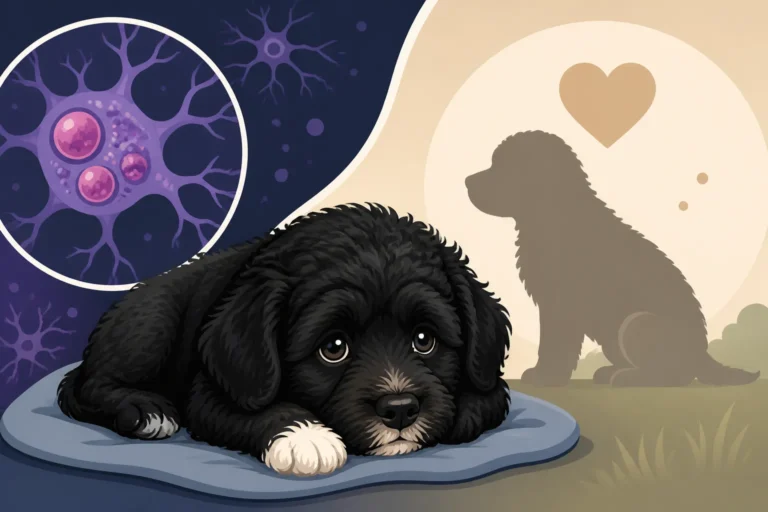
GM1 Gangliosidosis is a truly dreadful inherited neurological disorder that affects Portuguese Water Dogs, among other breeds and even humans. It's one of those silent threats that can lurk in a breeding line for generations, only to surface unexpectedly and leave a trail of devastation. Essentially, it's a lysosomal storage disease, which sounds very scientific, but what it means for the affected puppy is that its body can't properly break down certain fatty substances called gangliosides. These substances then build up to toxic levels, primarily in the brain and nervous system, leading to severe and progressive neurological damage.
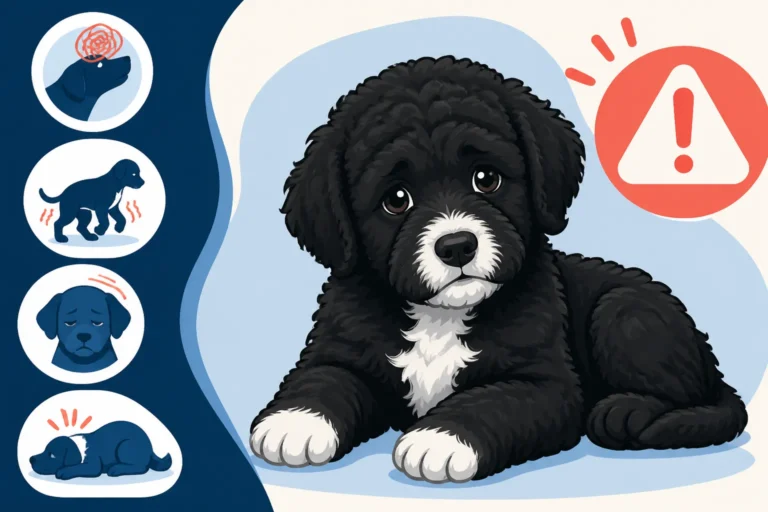
The disease typically manifests in puppies, often around 4 to 6 months of age, which is a particularly cruel time as they are just blossoming into their playful, energetic selves. The initial signs can be subtle, making it difficult for even experienced owners or vets to immediately pinpoint the cause. You might notice a slight clumsiness or an awkward gait, perhaps a tremor that comes and goes. Over time, these symptoms worsen dramatically. The puppy will struggle with coordination, lose its balance frequently, and may develop seizures. The vision can also be affected, making navigation even harder. Ultimately, the disease is progressive and fatal, leading to a profound decline in quality of life. Owners are faced with the unbearable decision of euthanasia to prevent further suffering, typically before the puppy even reaches its first birthday. It’s a truly tragic situation, and understanding what this disease does to a Portuguese Water Dog helps underscore why the genetic test became such a critical tool. If you want to know more about the specific progression, we have a detailed article on what GM1 Gangliosidosis does to a Portuguese Water Dog.
This insidious nature of GM1, where affected puppies seem normal for their first few months before rapidly deteriorating, made it incredibly difficult for breeders. Without a clear genetic marker, it was a constant guessing game, a roll of the dice with every litter. The fear of producing an affected puppy was ever-present, adding immense stress to the already complex world of responsible breeding. Knowing the devastating signs a Portuguese Water Dog puppy has GM1 can help owners identify issues early, but without a cure, early detection only mitigates the shock, not the outcome.
The Pre-Test Era: Breeding Blindly and the Heartbreak It Caused
Imagine trying to be a responsible Portuguese Water Dog breeder, pouring your heart and soul into every litter, ensuring your dogs have excellent temperaments and conformation, only to have a healthy-looking puppy suddenly start to decline. This was the grim reality for many before the GM1 DNA test became widely available. GM1 Gangliosidosis is inherited in an autosomal recessive pattern. This means a puppy must inherit two copies of the faulty gene – one from its mother and one from its father – to be affected by the disease. Dogs with only one copy of the faulty gene are carriers; they don't show any symptoms themselves, but they can pass the gene on to their offspring.
The challenge was that there was no way to identify these carriers. Breeders could only guess based on the appearance of the disease in previous generations or litters. If a puppy was affected, it meant both parents were at least carriers, if not affected themselves (though affected dogs rarely live long enough to breed). This often meant that breeders inadvertently bred two carriers together, creating a heartbreaking 25% chance with every breeding that a puppy would be born affected. The other 75% would be either clear (no copies of the gene) or carriers. It was a statistical nightmare, a genetic lottery with profoundly sad consequences.
Breeders had to make incredibly difficult choices. If an affected puppy appeared in a litter, they might have to remove both parents from their breeding program, even if those parents were otherwise exceptional examples of the breed, simply because they now knew they were carriers. This severely limited the gene pool and sometimes meant sacrificing valuable lines that could contribute positively to the breed in other ways. The emotional toll was immense; not only the sorrow of losing puppies, but the guilt and fear of unknowingly passing on such a cruel disease. There was no way to definitively say, "This mating will be safe." It was truly breeding blind, driven by hope and prayer rather than scientific certainty. This period was marked by profound uncertainty, economic loss, and deep emotional distress for breeders who cared deeply about the health of their dogs. It was clear something had to change to safeguard the breed's future.
The Arrival of the GM1 DNA Test: A Turning Point for Breeders and Owners
The landscape for Portuguese Water Dog breeding changed dramatically with the development and availability of the GM1 DNA test. When the GM1 DNA test became available, it was nothing short of a revolution. This simple, non-invasive test could identify whether a dog was clear, a carrier, or affected by GM1 Gangliosidosis with incredible accuracy. This meant breeders no longer had to operate in the dark, guessing and hoping they weren't inadvertently contributing to the disease.
The test itself is incredibly straightforward, typically requiring just a buccal swab – a simple brush of the inside of a dog's cheek. The sample is then sent to a specialized laboratory, and within a few weeks, breeders receive definitive results for their dogs. This contrasts sharply with the invasive, expensive, and often painful diagnostic methods previously used on sick puppies, which only confirmed the presence of the disease after it had taken hold. For example, while not the same test, the cost and ease are similar to what the Portuguese Water Dog JDCM swab costs. These genetic tests provided a crucial piece of the puzzle that had been missing for decades.
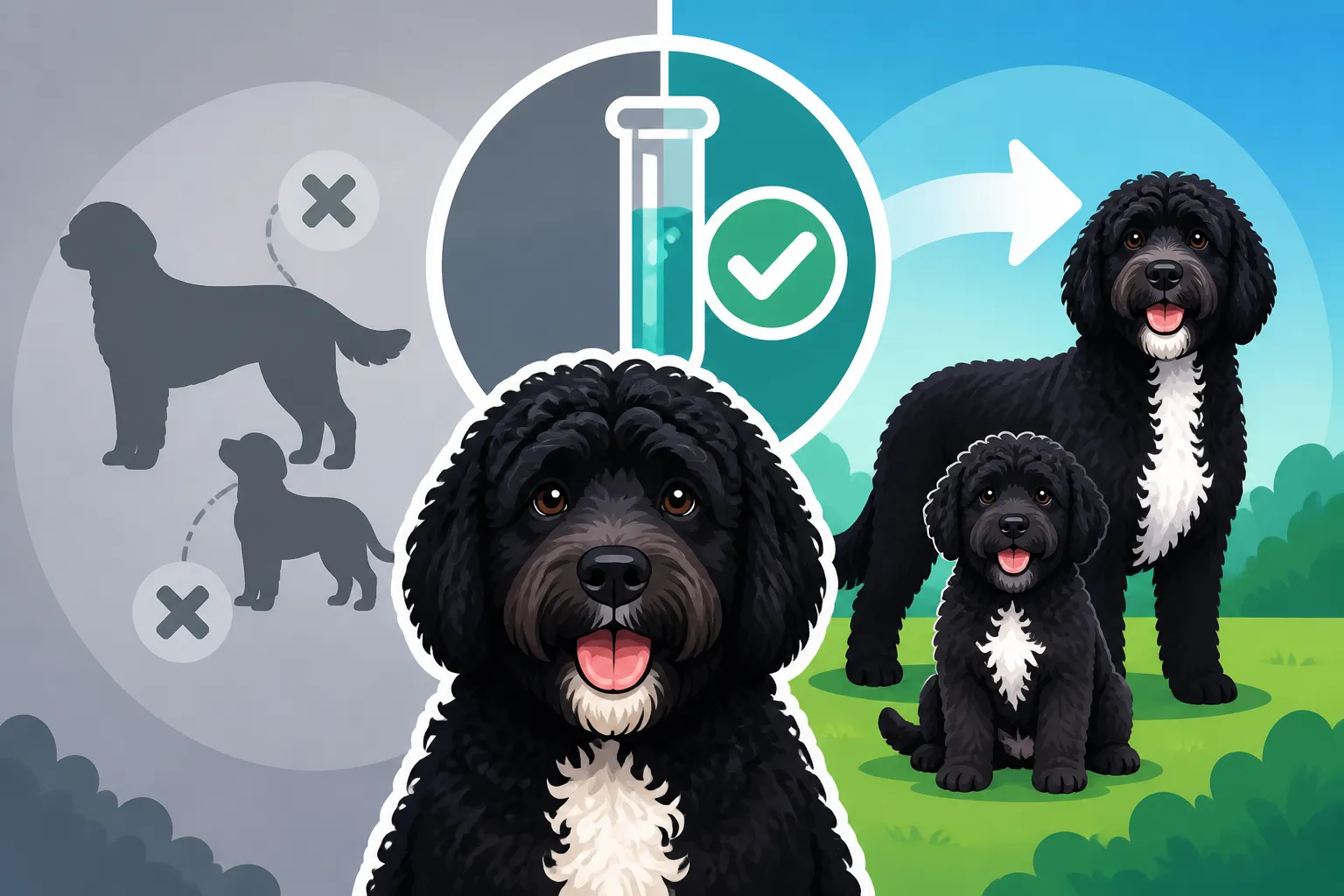
This breakthrough empowered breeders to make truly informed decisions about their breeding pairs. Instead of breeding two dogs and crossing their fingers, they could now test every potential parent and know their GM1 status beforehand. This meant they could strategically plan matings to avoid producing affected puppies altogether. The goal became simple: never breed two carriers together. By ensuring at least one parent in any pairing is "clear" (meaning they don't carry the gene), a breeder can guarantee that no puppy in that litter will ever be affected by GM1, even if the other parent is a carrier. This ability to predict and prevent a devastating genetic disease was a monumental shift. It allowed breeders to manage the gene effectively, reducing the incidence of affected puppies without necessarily eliminating carriers from the gene pool entirely, which is important for maintaining genetic diversity.
Impact on Breeding Decisions and Breed Health Today
The immediate and lasting impact of the GM1 DNA test on Portuguese Water Dog breeding cannot be overstated. It fundamentally changed how responsible breeders approach their programs, instilling a level of confidence and ethical practice that was simply impossible before.
Informed Mating Choices
One of the most significant changes is the ability to make truly informed mating choices. Breeders now routinely test all their breeding stock for GM1. This data, often registered with organizations like the Orthopedic Foundation for Animals (OFA) or the Portuguese Water Dog Club of America's health database, provides transparency and peace of mind. A reputable breeder will always be able to show you the GM1 test results for both parent dogs. This is a critical question to ask any breeder you consider. They aim to breed a "Clear" dog to a "Clear" dog, which produces only clear puppies. They might also breed a "Clear" dog to a "Carrier" dog; this pairing will produce a mix of clear and carrier puppies, but crucially, no affected puppies. This strategy allows breeders to keep valuable carrier dogs in the gene pool, preserving genetic diversity, without ever risking the health of a litter. This is important because eliminating all carriers would drastically shrink the available breeding population, potentially leading to other genetic issues down the line. It's truly a testament to how the GM1 test changed Portuguese Water Dog breeding for the better.
Dramatic Reduction in Affected Puppies
The most profound and heartwarming result of the GM1 test has been the dramatic reduction in the number of Portuguese Water Dog puppies born with GM1 Gangliosidosis. While the gene for GM1 still exists within the breed, responsible breeding practices utilizing the DNA test have made the disease exceptionally rare in puppies from reputable breeders. This means fewer families have to endure the agony of watching a beloved puppy decline, and fewer puppies suffer from this painful and debilitating condition. It has allowed the breed to focus its health efforts on other important areas, such as hips and joints in a Portuguese Water Dog or conditions like Addison's Disease, which is also common in the breed.
Ongoing Vigilance and Future Outlook
Even with the success of the GM1 test, ongoing vigilance remains crucial. It's a reminder that genetic health testing is an evolving field, and responsible breeders are committed to running the full panel of tests for the breed. This ensures that conditions like juvenile dilated cardiomyopathy and the two kinds of retinal atrophy in a Portuguese Water Dog are also managed proactively. The goal is not just to eliminate GM1, but to promote overall health and longevity. Organizations like the American Kennel Club Canine Health Foundation continue to support research into genetic diseases, building on the success seen with tests like the one for GM1.
For prospective owners, this means that finding a puppy from a breeder who can provide clear GM1 test results for both parents is non-negotiable. While pet insurance companies like Healthy Paws can offer crucial financial support for unexpected illnesses, preventing a known genetic disease like GM1 from the outset is always the best path. The widespread adoption of genetic testing has reinforced the commitment of the Portuguese Water Dog community to ethical breeding and the long-term well-being of these wonderful dogs. Thanks to this test, the future of the breed is much brighter, with the heartbreaking experiences of the past serving as a powerful reminder of how far we've come.
Breeding Outcomes Based on GM1 Status
To illustrate the effectiveness of the GM1 DNA test, here's a simple table outlining the expected outcomes of different breeding pairings:
| Sire's GM1 Status | Dam's GM1 Status | Expected Puppy Outcome (Approximate Percentage) | Risk of Affected Puppy |
|---|---|---|---|
| Clear | Clear | 100% Clear | 0% |
| Clear | Carrier | 50% Clear, 50% Carrier | 0% |
| Carrier | Clear | 50% Clear, 50% Carrier | 0% |
| Carrier | Carrier | 25% Clear, 50% Carrier, 25% Affected | 25% (High Risk) |
| Affected | Clear | 100% Carrier | 0% (if affected dog breeds, which is rare) |
As you can see, the only scenario where affected puppies are produced is when two carriers are bred together. This is precisely what the GM1 DNA test allows breeders to avoid. If you're looking for a puppy, always ensure that both parents are certified "Clear" or that at least one parent is "Clear" and the other is a "Carrier," ensuring no affected puppies will be born. This commitment to genetic testing helps ensure that the Portuguese Water Dog continues to be a healthy breed.
Disclaimer
Please remember that while this article provides comprehensive information on Portuguese Water Dog health, it is not a substitute for professional veterinary advice. Always consult with a qualified veterinarian for any health concerns or before making any decisions related to your dog's care.