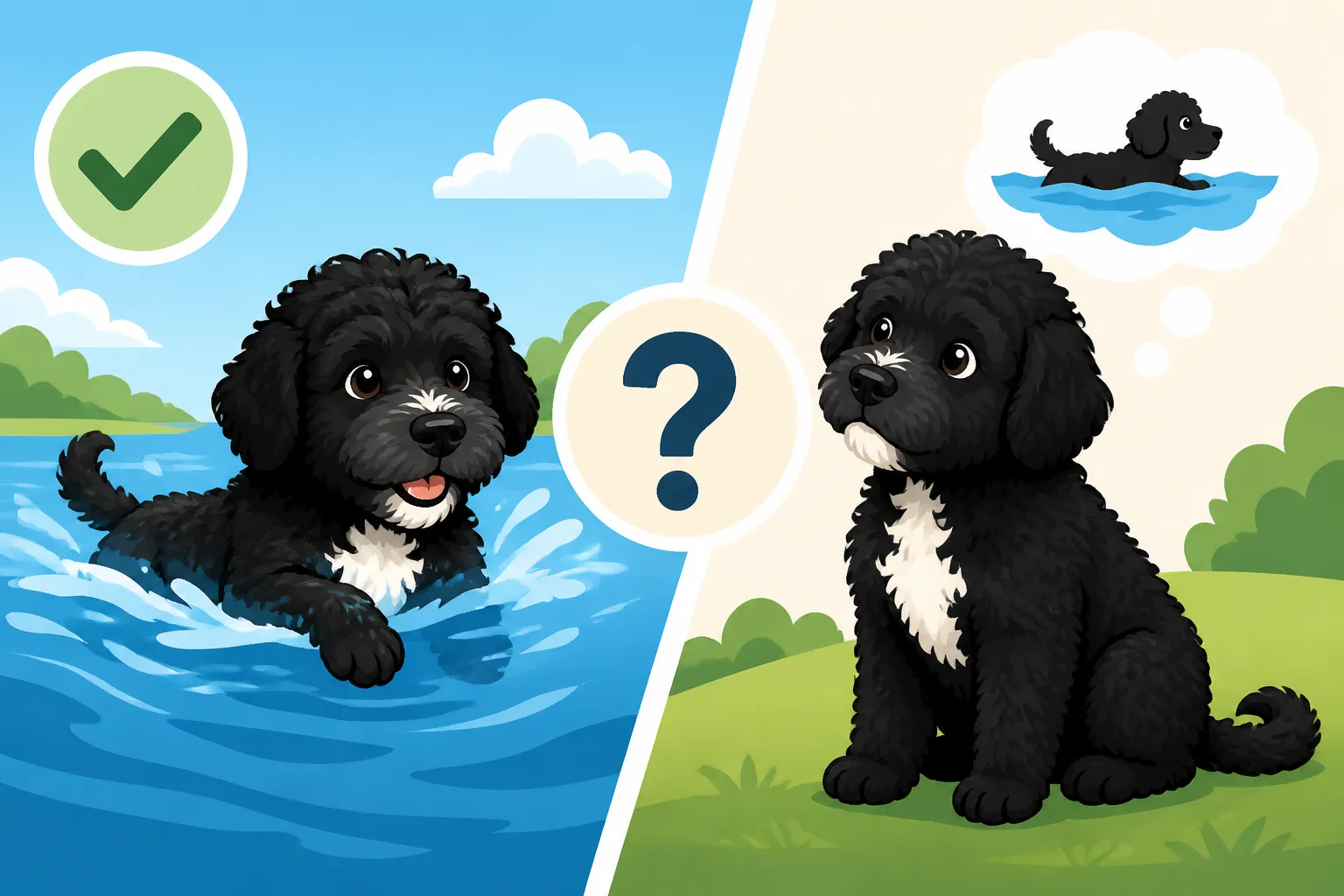
Whether a Portuguese Water Dog Puppy Should Swim for Exercise
It’s a natural question for any new Portuguese Water Dog parent: if these dogs are practically synonymous with water, surely swimming is the perfect exercise for your energetic puppy, right? While their webbed feet and water-loving instincts are undeniable, simply tossing your young pup into the deep end isn't the best approach. Many owners, eager to tap into that incredible PWD drive, overlook crucial developmental stages, potentially leading to injuries or even a lifelong aversion to water. This guide is here to help you navigate the exciting world of introducing your Portuguese Water Dog puppy to swimming, ensuring it’s a safe, positive, and beneficial experience from the very first splash.
The Natural Instinct vs. Puppy Reality: Why Caution is Key
We all know the Portuguese Water Dog was bred to be a master of the water, a robust, agile companion for fishermen on the Iberian coast. It's incredibly tempting to think that this innate ability means they're ready for full-on swimming as soon as their paws hit the deck. However, there's a significant difference between natural inclination and physical maturity, especially when it comes to a rapidly growing puppy. Their bodies simply aren't ready for the same demands as a fully-grown adult dog, no matter how strong their drive to retrieve that floating toy might be.
Understanding the Portuguese Water Dog's Aquatic Heritage
Let's face it, the very name "Portuguese Water Dog" conjures images of powerful swimmers, tirelessly working alongside their human companions. This breed's history is steeped in maritime tradition, with their dense, waterproof coats, webbed feet, and strong, rudder-like tails, which you can learn more about in "How a Portuguese Water Dog's Tail Works as a Rudder". They were invaluable assets, diving into the cold Atlantic to retrieve lost tackle, herd fish into nets, and even carry messages between boats. This deep-seated heritage means that most PWDs possess a profound love for water and an instinctive understanding of how to move in it.
However, recognizing this powerful instinct is one thing; expecting a tiny, rapidly developing puppy to perform like its adult ancestors is another. Their enthusiasm is boundless, but their physical structure is still very much a work in progress. While they might naturally paddle, they haven't yet built the stamina, strength, or coordination for sustained, strenuous swimming. Rushing this process can be detrimental, overriding that wonderful natural enthusiasm with discomfort or fear.
Developmental Stages and Physical Readiness
Puppies grow at an astonishing rate, and their bones, joints, and muscles are still developing. Like human children, they have "growth plates" at the ends of their long bones, which are areas of cartilage that haven't yet hardened into solid bone. These plates are incredibly vulnerable to injury from excessive impact or repetitive stress. While swimming is often touted as a low-impact exercise, making it ideal for dogs with joint issues, vigorous, prolonged swimming can still put considerable strain on a puppy's immature joints and developing musculature.
Think about the repetitive motion of paddling; it engages many core muscles and joints in a way that, if overdone, could cause micro-traumas or stress injuries. For a Portuguese Water Dog, you’re looking at a period of vulnerability until around 12-18 months of age, when these growth plates typically close. You can gain more insight into this by reading "When a Portuguese Water Dog's Growth Plates Close." Therefore, moderation and careful observation are crucial during their formative months. Their bodies simply aren't designed to withstand the same exertion as an adult, even if their minds are screaming "more!"
The Importance of Early Positive Experiences
The initial encounters your PWD puppy has with water will shape their lifelong relationship with it. If these experiences are negative – if they're forced into water, struggle in deep or cold water, or get exhausted – it can create a strong aversion. This is the last thing any PWD owner wants, as it goes against the very essence of the breed. Imagine trying to coax a naturally water-loving dog into a pool later in life because of a traumatic puppy experience; it's a battle you don't want to fight.
Instead, the focus should be on building confidence and making water synonymous with fun, safety, and positive reinforcement. Gentle introductions, where the puppy is in control and feels secure, are paramount. These early sessions are not about intense exercise but about creating joyful memories and solidifying their innate love for water. A confident, happy swimmer is a safe swimmer, and that foundation is laid in puppyhood.
Safe Introduction to Water for Your PWD Puppy
Introducing your Portuguese Water Dog puppy to water should be a gradual, well-supervised process that prioritizes their safety and comfort above all else. This isn't a race to see who can swim the furthest, but a patient journey to cultivate a lifelong love of the water that is also physically responsible.
The Ideal Age to Start Swimming Lessons
While it might be tempting to get your little bundle of fur into the water as soon as possible, patience is a virtue here. The general consensus among breeders and veterinarians is to wait until your Portuguese Water Dog puppy has received all their core vaccinations, typically around 4 to 6 months of age. This ensures their immune system is robust enough to handle any potential pathogens in natural water sources like lakes or ponds. Beyond vaccination, this age range also gives them a few extra months for their bodies to mature slightly and for them to gain better coordination and strength.
You can delve deeper into this topic in "The Age a Portuguese Water Dog Can Start Swimming." Before this age, their tiny bodies are simply not ready for the exertion, and their immune systems are more vulnerable. Always consult with your veterinarian to confirm the best timing for your specific puppy, taking into account their individual health and developmental milestones. It’s also wise to check with your vet if you plan to swim in natural bodies of water, as some areas may have specific health risks, like Leptospirosis, that require additional vaccination coverage.
Choosing the Right Environment for First Swims
The location of your puppy's first swims is just as important as their age. You want an environment that is safe, calm, and conducive to a positive experience. Forget the roaring ocean waves or deep, murky lakes for now. Ideal spots include:
- Kiddie Pools: A shallow, inflatable kiddie pool filled with lukewarm water in your backyard is a fantastic starting point. It offers a controlled environment where your puppy can wade, splash, and get comfortable without feeling overwhelmed by depth or vastness.
- Shallow End of a Dog-Friendly Pool: If you have access to a clean, well-maintained dog-friendly swimming pool, the shallow steps or beach entry areas are excellent. Ensure the chlorine levels are appropriate for dogs, as too much can irritate their skin and eyes.
- Calm Lake or Pond Edge: For natural water, choose a spot with a gently sloping entry, clear, warm water, and no strong currents or hidden drop-offs. Always check for potential hazards like sharp rocks, broken glass, or toxic algae blooms. Blue-green algae, in particular, can be lethal to dogs.
Regardless of the location, a properly fitted life jacket is absolutely non-negotiable for a puppy's first swims. Even if your PWD is a natural swimmer, a life jacket provides buoyancy, conserves energy, and gives you a handle to easily guide or lift your puppy if needed. You can find more information on this essential piece of gear in "When a Portuguese Water Dog Needs a Life Jacket."
Step-by-Step Introduction and Supervision
The introduction process should be slow, patient, and always led by your puppy's comfort level. Never, ever force your puppy into the water. This can cause fear and undo all your efforts.
- Start on Land: Begin by simply playing near the water's edge, tossing favorite waterproof toys or high-value treats (like small pieces of cooked chicken or cheese). Make it a happy, exciting place to be.
- Wade In Together: With your puppy wearing their life jacket, gently wade into the shallowest part of the water yourself. Encourage them to follow you with praise and treats. Let them explore at their own pace. If they just want to splash around in ankle-deep water, that's perfectly fine for the first few times.
- Short, Positive Sessions: Keep initial swim sessions very brief – just 5 to 10 minutes. The goal is to end before they get tired or bored, leaving them wanting more. Always finish on a positive note.
- Constant Supervision: This is not the time to be distracted. You must be actively supervising your puppy at all times, within arm's reach, ready to assist if they falter or get into trouble.
- Post-Swim Care: After every swim, rinse your puppy thoroughly with fresh water to remove any chlorine, salt, or lake debris from their coat. Then, dry them completely to prevent skin irritation and matting. This is particularly important for their dense PWD coat. You can learn detailed drying techniques in "Drying a Portuguese Water Dog After Every Swim." Pay special attention to their ears; their floppy ears and hairy canals can trap moisture, making them prone to infections. Regular ear checks and cleaning are vital, as discussed in "Why a Portuguese Water Dog's Ears Need Checking Every Week."
Balancing Swim Time with Other Forms of Exercise
While swimming is an exceptional form of exercise for a Portuguese Water Dog, it shouldn't be the only activity in their routine, especially during puppyhood. A well-rounded exercise regimen contributes to overall physical and mental development, preventing boredom and promoting a balanced temperament.
Swimming as Complementary Exercise, Not a Sole Solution
Swimming is a fantastic, low-impact way for your PWD puppy to build muscle, improve cardiovascular health, and burn off energy without stressing developing joints. However, relying solely on swimming neglects other crucial aspects of their physical and cognitive growth. Think of it as a super healthy supplement to their main workout plan.
For instance, walks provide opportunities for sniffing, exploring different textures underfoot, and encountering new sights and sounds – all vital for socialization and mental enrichment. Playing fetch on land, while higher impact, helps develop burst speed and agility. Training sessions, whether for basic obedience or advanced tricks, engage their sharp minds and strengthen your bond. A well-exercised Portuguese Water Dog is a happy, well-behaved dog, and that often means a diverse activity schedule. To understand why a holistic approach is best, consider "Whether Swimming Replaces Walking for a Portuguese Water Dog" for more insights.
Appropriate Duration and Frequency for Puppy Swims
When your PWD puppy is ready to start swimming, begin with very short sessions. We're talking 5-10 minutes, maybe once or twice a week initially. The aim is gentle introduction, not intense conditioning. As they grow and their stamina improves, you can gradually increase the duration and frequency.
A good rule of thumb is to observe your puppy closely for signs of fatigue. PWDs are incredibly resilient and may try to push themselves beyond their limits if a favorite toy is involved. Always end the session before they're truly tired. By 6-12 months, you might be looking at 15-20 minute sessions, a few times a week, always interspersed with rest days and other forms of exercise. Remember, consistency is more important than intensity in the early stages.
Here's a general guideline for puppy swim duration:
| Puppy Age | Suggested Weekly Swim Frequency | Suggested Swim Duration (per session) | Key Focus |
|---|---|---|---|
| 4-6 Months | 1-2 times | 5-10 minutes | Positive introduction, confidence building |
| 6-9 Months | 2-3 times | 10-15 minutes | Building stamina, supervised play |
| 9-12 Months | 2-3 times | 15-20 minutes | Increased strength, varied water activities |
| 12+ Months (Adult) | 3-5 times | 30+ minutes | Full exercise, advanced water work (e.g., dock diving, water trials) |
Always monitor your individual puppy and adjust based on their energy levels and physical condition.
Monitoring Energy Levels and Physical Development
Your Portuguese Water Dog puppy will communicate their needs if you pay attention. After a swim, they should be pleasantly tired, not utterly exhausted. Watch for excessive panting, lagging behind, or a reluctance to engage in play. If you notice any limping, stiffness, or changes in gait, it’s a clear signal to scale back and consult your vet.
Beyond immediate post-swim observations, keep an eye on their overall physical development. Are they growing steadily? Are they maintaining a healthy weight? Their coat, which is designed to protect them, can also hide subtle signs of weight loss or skin issues. Regularly run your hands over their body to check for lumps, bumps, or skin irritations that might be caused by prolonged dampness or reactions to water. Regular check-ups with your veterinarian are essential during puppyhood to monitor growth and ensure they are thriving. Your vet can provide guidance on appropriate exercise levels and identify any potential issues early. For more on general puppy care, consider reviewing "The First Year With a Portuguese Water Dog Puppy." If your puppy shows signs of not thriving, such as persistent lethargy or poor weight gain, it's vital to seek veterinary advice immediately.
Recognizing When Your PWD Puppy Has Had Enough
It’s easy to get caught up in the fun of watching your Portuguese Water Dog puppy revel in the water, but knowing when to call it quits is paramount for their safety and long-term enjoyment. PWDs are often relentless, driven by their instincts and love of work, so it's up to you to set sensible limits.
Signs of Fatigue and Overexertion
A tired puppy is one thing; an overexerted puppy is another. Keep a close watch for these signs that your PWD puppy has reached their limit in the water:
- Excessive Panting: While some panting is normal after activity, if it’s prolonged, labored, or unusually heavy, it’s time for a break.
- Lagging or Slowing Down: If your puppy is usually zipping around but suddenly slows their pace in the water or takes longer to retrieve a toy, they're getting tired.
- Reluctance to Enter Water: If they usually can't wait to jump in, but hesitate or resist getting back into the water, it’s a sign they’re worn out.
- Stumbling or Lack of Coordination: Watch for any unsteadiness, awkward paddling, or difficulty balancing. Their muscles are fatigued, and their coordination suffers.
- Shivering (not from cold): If the water temperature is comfortable but your puppy is shivering, it could be a sign of extreme fatigue, muscle strain, or even shock. Get them out immediately.
- Change in Tail Carriage: A normally high, wagging tail might droop or be tucked when a puppy is exhausted or uncomfortable.
It's critical not to push your puppy through these signals. Doing so not only risks injury but can also create negative associations with swimming, which is the last thing you want for a water dog.
Post-Swim Care and Recovery
Once your puppy is out of the water, the care doesn't stop. Proper post-swim routine is vital for their health and comfort.
- Thorough Drying: As mentioned before, a comprehensive drying session is essential. Use absorbent towels and, if your puppy tolerates it, a force dryer to get deep into their dense coat, particularly around the ears, armpits, and groin. Damp skin under a thick coat is a breeding ground for yeast and bacterial infections (hot spots).
- Ear Cleaning: After rinsing, gently clean their ears with a veterinarian-approved ear cleaner. The floppy ears and hair in the ear canal of a Portuguese Water Dog can trap moisture, leading to painful ear infections. Make this a routine after every water activity. You can learn more about managing this common issue in "Whether a Portuguese Water Dog Gets Ear Infections."
- Warm Resting Spot: Provide a warm, comfortable place for your puppy to rest and recover. Avoid drafts, especially after being wet.
- Fresh Water: Always have plenty of fresh, clean drinking water available. Even though they've been in water, they can still become dehydrated, especially if they've swallowed some chlorinated or salty water.
- Delayed Feeding: Avoid feeding a large meal immediately after strenuous exercise. Wait at least 30-60 minutes to prevent potential digestive upset or, in rare cases for deep-chested dogs, bloat.
For a more comprehensive guide on managing your PWD after a swim, consult "What to Do With a Portuguese Water Dog After a Swim."
When to Consult Your Veterinarian
Being proactive about your Portuguese Water Dog puppy's health is always the best approach. If you notice any concerning symptoms after swimming or at any other time, don't hesitate to reach out to your veterinarian. These could include:
- Persistent Lameness or Limping: This could indicate a sprain, strain, or a more serious joint issue.
- Persistent Coughing or Gagging: Could be a sign of water aspiration or other respiratory issues.
- Shaking, Weakness, or Collapse: Immediate veterinary attention is needed.
- Red, Itchy Skin or Foul-Smelling Ears: Signs of skin or ear infections.
- Diarrhea or Vomiting: Especially after swimming in natural bodies of water, could indicate ingestion of harmful bacteria or algae.
Regular wellness exams are also crucial throughout your puppy's first year and beyond. Your vet can monitor their growth, discuss appropriate exercise levels, and catch potential issues early. These routine visits are detailed in "How Often a Portuguese Water Dog Needs a Wellness Exam." For unforeseen accidents or illnesses, having a robust pet insurance plan can be a lifesaver. Companies like Healthy Paws offer comprehensive coverage that can help mitigate the financial stress of unexpected veterinary emergencies or ongoing treatments, allowing you to focus on your pet's recovery. Even with the best preventative care, things can happen, and a good insurance policy provides peace of mind.
Remember, the goal is for your Portuguese Water Dog puppy to develop into a strong, healthy adult who absolutely adores the water, and that journey begins with careful, responsible introductions during their formative months.
Disclaimer
Please remember that the information provided in this guide is intended for educational and informational purposes only and does not constitute veterinary advice. Always consult with a qualified veterinarian regarding your individual pet's health, exercise needs, and any medical conditions or concerns. They can provide personalized advice based on your dog's specific situation.