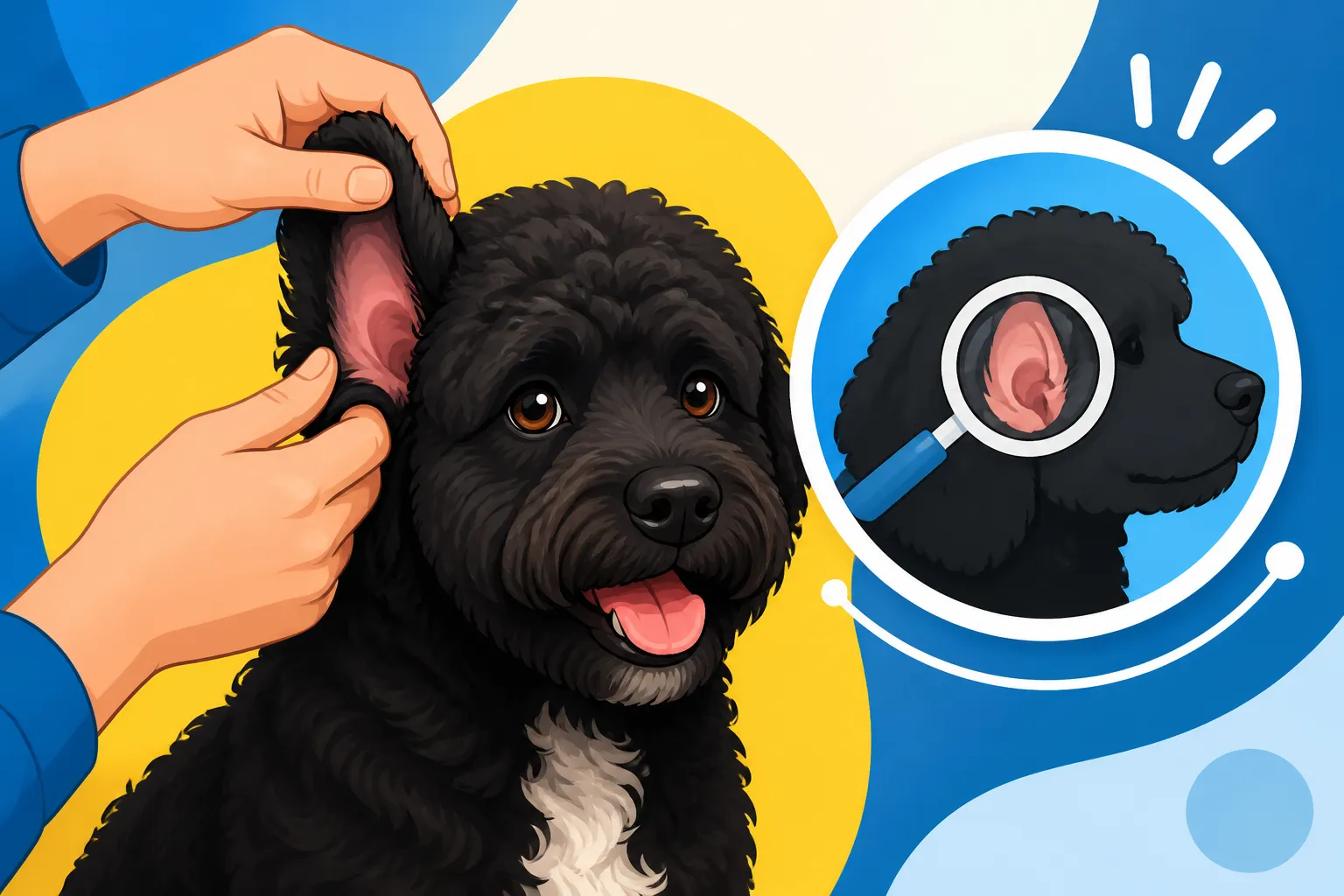
How Often a Portuguese Water Dog’s Ears Need Checking
One of the trickiest parts of owning a Portuguese Water Dog is keeping those lovely, water-loving ears healthy. It’s a common frustration for PWD owners to deal with recurrent ear issues, especially if their dogs spend a lot of time splashing around. Because of their dense, non-shedding coats and their passion for all things aquatic, their ears can become a perfect breeding ground for moisture, yeast, and bacteria. This guide will walk you through exactly how often you should be checking your Portuguese Water Dog's ears, what to look for, and proactive steps you can take to keep them clean and comfortable.
The Unique Challenges of Portuguese Water Dog Ears
Portuguese Water Dogs are incredible athletes and devoted companions, but their breed characteristics, particularly their coat and love of water, present specific challenges when it comes to ear health. It's not just about getting them wet; it's about how their ears are designed and how that interacts with their environment.
Why Water is Both a Blessing and a Curse for PWD Ears
There's no denying it: Portuguese Water Dogs absolutely adore water. Whether it's a dip in the ocean, a splash in the lake, or even just playing with the garden hose, they are in their element when wet. This love for water is part of their charm and their heritage as working dogs on fishing boats. However, this blessing can become a curse for their ears. When water gets trapped in the ear canal, especially combined with the warm, dark environment, it creates an ideal incubator for bacterial and yeast infections. It's a constant battle against moisture, and it's why Why a Swimming Dog Gets Ear Infections is such a common topic among PWD enthusiasts. You might dry them thoroughly, or so you think, but those inner ear folds can still hold onto dampness, setting the stage for discomfort and potential infection.
Understanding the PWD Ear Anatomy
To truly understand why ear care is so critical, it helps to know a bit about the Portuguese Water Dog's ear anatomy. Unlike some breeds with open, upright ears, PWDs have ears that hang close to their heads. These drop ears naturally cover the ear canal, restricting airflow. Add to that their thick, curly or wavy coat, which often grows inside the ear canal itself, and you have a recipe for reduced ventilation. This combination of low airflow, warmth, and potential moisture creates a humid, enclosed space where microorganisms can thrive. Imagine wearing earmuffs all the time, especially after a swim – that's a bit like what your PWD's ears experience. This dense hair can also trap debris, wax, and moisture even more effectively, making it harder for the ear to naturally clear itself.
Common Ear Problems Portuguese Water Dogs Face
Given their love for water and unique ear structure, Portuguese Water Dogs are particularly susceptible to a few common ear problems. The most frequent culprits are yeast infections and bacterial infections. You might notice a yeasty smell, a dark waxy discharge, or even a redness and inflammation within the ear. Bacterial infections often present with more pus-like discharge and can be quite painful. Beyond infections, PWDs can also suffer from ear mites, although these are less common in well-cared-for adult dogs and more often seen in puppies. Allergies, whether environmental or food-related, can also manifest as chronic ear inflammation and recurring infections, leading to a frustrating cycle for both dog and owner. Understanding How Often a Portuguese Water Dog Gets an Ear Infection highlights just how vigilant owners need to be.
Establishing a Regular Ear Check Routine
Consistency is key when it comes to keeping your Portuguese Water Dog's ears healthy. Developing a routine for checking and cleaning their ears will not only help prevent problems but also get your dog accustomed to the handling, making future checks much easier.
Daily Visual Checks and Gentle Sniffs
Even if your Portuguese Water Dog isn't a daily swimmer, a quick daily visual check and a gentle sniff should be part of your routine. This doesn't need to be a full deep dive into the ear canal, but rather a superficial inspection. Lift their ear flap and take a peek at the outer part of the ear. Look for any redness, swelling, or excessive discharge that wasn't there yesterday. A healthy ear should appear clean, a light pink color, and have minimal, light-colored wax. Crucially, give their ears a sniff. A healthy ear has a very neutral, almost non-existent smell. If you detect any strong, yeasty, or foul odor, that's your first major red flag that something might be brewing. This daily habit helps you catch issues before they escalate, potentially saving your PWD from significant discomfort and you from higher vet bills.
Weekly Deep Dives: What to Look For
Once a week, or more frequently if your PWD is a regular swimmer, you'll want to perform a more thorough examination. This is your "deep dive" into their ear health. Gently lift the ear flap and look deeper into the folds and crevices of the ear canal. You're specifically looking for:
- Color changes: Any excessive redness, deep pink, or purplish discoloration.
- Discharge: Is there any brown, black, yellow, or greenish discharge? Is it waxy, crumbly, or pus-like?
- Odor: Again, a strong, unpleasant smell is a clear indicator.
- Swelling: Feel gently around the base of the ear and inside the flap for any puffiness or heat.
- Scabs or sores: These could indicate scratching due to irritation or infection.
- Foreign objects: Especially after outdoor adventures, look for grass seeds or other debris.
This weekly check is also a good time to gently wipe any visible wax or dirt from the outer ear folds with a soft cotton ball. If your dog shows any discomfort, shaking their head, pawing at their ears, or rubbing them on furniture, these are all signs that your weekly check might reveal more than usual.
When to Step Up Your Routine
Certain situations absolutely demand more frequent ear checks. If your Portuguese Water Dog is a frequent swimmer – whether in the pool, lake, or ocean – their ears need attention every time they come out of the water. After each swim, dry the outer ear thoroughly and give a quick visual check. If your PWD has a history of ear infections, you'll want to be extra diligent, possibly performing daily checks and gentle cleanings to prevent recurrence. Any time you notice your dog shaking their head, scratching their ears, or holding one ear slightly lower, it's time for an immediate, thorough ear inspection, even if it's not your usual "check day." During allergy season, or if your dog is prone to seasonal allergies, you might also need to increase vigilance, as allergies can trigger ear inflammation. Think of it as being proactive rather than reactive; the more time they spend in the water, the more diligent you need to be with drying and checking.
| Activity Level / Condition | Recommended Ear Check Frequency | Key Focus |
|---|---|---|
| Minimal Water Exposure | Daily visual, weekly deep dive | General cleanliness, lack of odor. |
| Occasional Swimmer | Daily visual, weekly deep dive, after every swim | Thorough drying after swimming, general cleanliness. |
| Frequent Swimmer / Water Enthusiast | Daily visual, after every swim, 2-3 times weekly deep dive | Aggressive drying after swimming, check for trapped water, early signs of infection. |
| History of Ear Infections | Daily visual, 2-3 times weekly deep dive, after every swim | Vigilance for recurrence, proactive cleaning. |
| Allergy Sufferer | Daily visual, weekly deep dive, monitor during flare-ups | Look for inflammation, increased wax, or discharge as allergy symptoms. |
| Signs of Discomfort (scratching, shaking) | Immediate thorough inspection | Identify the cause quickly, seek vet advice if necessary. |
The Art of Cleaning Your Portuguese Water Dog's Ears
Regular ear cleaning is not just about aesthetics; it's a crucial part of preventative care for your Portuguese Water Dog. Done correctly, it can remove excess wax and debris, help dry the ear canal, and maintain a healthy ear environment, but it's important to do it safely and effectively.
Choosing the Right Ear Cleaning Solution
When it comes to cleaning solutions, not all are created equal. You want a veterinarian-approved ear cleaner specifically designed for dogs. Many good quality cleaners are available from reputable pet supply retailers like Chewy or Amazon. Look for solutions that are gentle, non-irritating, and ideally have drying agents to help combat moisture, which is especially vital for a water dog. Avoid using harsh chemicals, alcohol, or hydrogen peroxide, as these can irritate the delicate ear canal lining and cause more harm than good. If your dog has sensitive skin or known allergies, your vet might recommend a specific hypoallergenic solution. It's always a good idea to chat with your veterinarian about the best type of cleaner for your individual dog, especially if they have a history of recurring issues.
Step-by-Step Guide to a Safe Ear Cleaning
Once you have your chosen ear cleaner, a stack of cotton balls (avoid cotton swabs, which can push debris deeper), and maybe a towel, you're ready to clean.
- Prepare your dog: Choose a calm moment when your PWD is relaxed. Praise them, offer a treat, and make it a positive experience. You might want to do this in a bathroom or outdoors, as it can get a little messy.
- Lift the ear flap: Gently hold your dog's ear flap up and open the ear canal.
- Apply the cleaner: Following the instructions on your cleaner, fill the ear canal with the solution. Don't be shy; you need enough to flush things out.
- Massage the base of the ear: Gently massage the base of your dog's ear for about 30 seconds. You should hear a squishy sound as the solution works its way down and loosens wax and debris. This part is usually quite satisfying for them!
- Let them shake: Stand back and let your dog shake their head vigorously. This helps bring a lot of the dissolved gunk and excess solution out of the ear.
- Wipe clean: Use a fresh cotton ball or soft cloth to gently wipe away any visible solution and debris from the outer ear flap and the entrance to the ear canal. Do not insert anything into the ear canal itself; just clean what you can see. Repeat with fresh cotton balls until no more debris comes out.
- Reward: Always finish with praise and a high-value treat to reinforce a positive association with ear cleaning.
Remember, the goal is to clean the visible parts of the ear and to allow the solution to do its work deep inside, not to manually scrub the inner canal.
To Pluck or Not to Pluck: The Ear Hair Dilemma
This is a hotly debated topic among Portuguese Water Dog owners and groomers. PWDs have hair that grows deep into their ear canals, which, as we discussed, can trap moisture and debris. Some believe that routinely plucking this hair allows for better airflow and reduces the risk of infection. Others argue that plucking can irritate the delicate skin of the ear canal, causing micro-traumas that actually make it more susceptible to infection. There's no single right answer, and it often comes down to the individual dog and their specific ear health history. Some dogs genuinely benefit from judicious hair plucking, especially if they have very dense ear hair and recurrent infections. However, this should ideally be done by a professional groomer or your veterinarian, using the proper technique and tools, as improper plucking can be painful and damaging. If you're considering ear hair plucking for your PWD, it's definitely something to discuss with your vet first to weigh the pros and cons for your particular dog. For more information, you might want to look into Whether Plucking a Portuguese Water Dog's Ear Hair Helps.
Recognizing the Signs of Trouble
Even with the most diligent routine, ear issues can sometimes sneak up on us. Knowing the subtle hints and obvious calls for attention is crucial for getting your Portuguese Water Dog the help they need quickly. Waiting too long can turn a minor irritation into a painful, entrenched infection.
Subtle Indicators That Something's Amiss
Your Portuguese Water Dog is a master of masking discomfort, a trait common in many dogs. So, it's up to us to be observant. Subtle signs of ear trouble might include:
- Increased head shaking: A slight, infrequent shake might be normal, but if you notice it happening more often, or with more force, pay attention.
- Mild scratching: A casual scratch is fine, but persistent or vigorous scratching with a back paw, or rubbing their head against furniture, signals irritation.
- Changes in behavior: Are they a bit more withdrawn? Less enthusiastic about play? Sometimes, a dog in discomfort will just seem "off."
- Reluctance to be touched: If your usually affectionate PWD shies away when you go to pet their head or ears, it could be due to pain or tenderness.
- Subtle odor: That faint, slightly yeasty smell that wasn't there yesterday. This is often the very first sign before visible changes appear.
- Small increase in ear wax: More wax than usual, or a slight change in its color from light brown to a darker hue, can be an early warning.
These are the moments when your heightened vigilance pays off. A quick extra check or clean at this stage can often prevent a full-blown infection.
Obvious Symptoms Demanding Immediate Attention
When these subtle signs escalate, they become obvious indicators that warrant immediate action – usually a trip to the veterinarian. These symptoms signify that an infection is likely well underway and your dog is in pain:
- Constant head shaking and pawing at the ears: This clearly signals significant discomfort.
- Whining or yelping when the ear is touched: Your dog is in pain, and you've hit a tender spot.
- Visible redness and swelling: The ear flap and inside the ear canal look inflamed, swollen, and hot to the touch.
- Strong, foul odor: A truly unpleasant smell emanating from the ear is a hallmark of infection.
- Heavy discharge: Yellow, green, black, or thick brown discharge, sometimes pus-like, is a clear sign of infection.
- Crusts, scabs, or bleeding: Excessive scratching can lead to self-trauma, creating wounds on the ear flap or around the ear canal opening.
- Holding head tilted: If your PWD consistently holds their head to one side, it could indicate severe discomfort or even a middle ear infection.
- Hearing loss: In some advanced cases, infection can temporarily or permanently affect hearing.
Any of these clear signs mean it's time to call your vet. Do not try to treat severe infections at home with over-the-counter remedies, as you could worsen the problem or delay proper treatment. Learning about Signs a Portuguese Water Dog's Ear Is Infected can help you differentiate between minor irritation and a full-blown medical issue.
The Importance of Early Veterinary Intervention
It can be tempting to try and wait out mild ear symptoms or try a home remedy, but with Portuguese Water Dogs and their propensity for ear issues, early veterinary intervention is truly important. An untreated ear infection can quickly become chronic, harder to treat, and can even lead to more serious complications like a ruptured eardrum, middle ear infections, or neurological problems. A vet can properly diagnose the type of infection (bacterial, yeast, or both) and rule out other underlying causes like foreign bodies or allergies. They can also prescribe the appropriate medication, which might include specific ear drops, oral antibiotics, or anti-inflammatory drugs. Trying to guess and treat it yourself often results in using the wrong medication, leading to resistant infections or prolonged suffering for your dog. Your vet can also recommend the best ongoing preventative strategy, which is critical for breeds like the PWD.
Preventative Measures Beyond Cleaning
While regular checking and cleaning are foundational, a holistic approach to ear health for your Portuguese Water Dog involves several other preventative measures. These steps work together to create an environment where ear problems are less likely to take hold.
Drying Ears Thoroughly After Every Swim
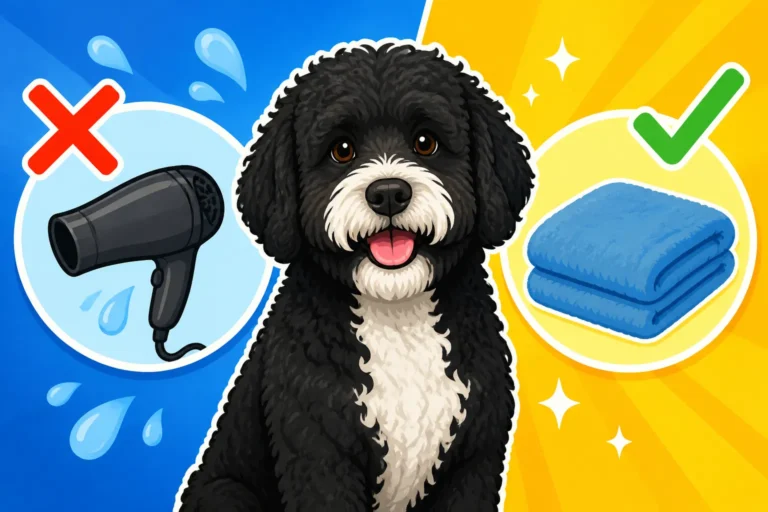
This can't be stressed enough: thorough drying is absolutely paramount for a Portuguese Water Dog. It’s not just about toweling off their body; those ears need dedicated attention. After every swim, regardless of how short, gently but firmly dry the outer ear flap and as much of the ear canal opening as you can reach with a soft towel or cotton ball. Many PWD owners find a force dryer (a high-velocity pet dryer) incredibly useful for this, especially for blasting moisture out of the ear canal without using heat. You can find excellent options on Amazon that make quick work of drying. The key is to get the ear as dry as possible, as quickly as possible, to prevent that warm, moist environment that yeast and bacteria love. This simple step is probably the most impactful thing you can do to prevent recurring ear infections. This is covered in more detail in Drying a Portuguese Water Dog After Every Swim.
Dietary Considerations and Allergies
Sometimes, ear infections aren't just about water and trapped hair; they're a symptom of something deeper, like allergies. Many dogs with environmental allergies (pollen, dust mites, molds) or food allergies will manifest their sensitivity through skin issues, and recurrent ear infections are a very common presentation. If your Portuguese Water Dog is experiencing chronic ear problems despite diligent cleaning and drying, it might be time to investigate potential allergies with your vet. This could involve a dietary elimination trial to rule out food sensitivities. Choosing a high-quality, limited-ingredient diet can sometimes make a significant difference. Brands like Ollie often offer fresh, custom-portioned meals that can be beneficial for dogs with sensitivities, and ensuring your dog has excellent nutrition overall contributes to a strong immune system better able to fight off infections. Discussing this with your vet and potentially trying different food options can be a game-changer for long-term ear health, especially if your dog also shows other signs of skin irritation or itching. You may want to read Whether a Portuguese Water Dog Gets Skin Allergies for more context.
Professional Grooming's Role in Ear Health
While you can certainly do a lot of ear care at home, professional grooming plays a significant role in maintaining optimal ear health for your Portuguese Water Dog. A skilled groomer understands the unique coat challenges of the breed. They can ensure the hair around the ear canal is properly trimmed or, if necessary and with your vet's recommendation, carefully plucked. This improves airflow and reduces the amount of hair available to wick moisture into the canal. Furthermore, groomers often have high-velocity dryers that can get ears drier than a simple towel can. During a regular grooming session, a groomer will also be examining the ears closely, and their trained eye might spot subtle changes you might miss, prompting you to consult your vet. They are an invaluable part of your PWD's overall health team, and their expertise with the coat, including ear hair, is crucial. If your PWD is frequently swimming, consider asking your groomer for an ear-focused trim that prioritizes ventilation.
Disclaimer
This article is for general informational purposes only and does not constitute professional advice. Laws, prices and regulations vary by location and change over time. Consult a qualified professional for guidance on your specific situation.