The Age a Portuguese Water Dog Gets Arthritis
It’s a heart-wrenching moment for any Portuguese Water Dog owner when you notice your once boisterous, water-loving companion starting to slow down. That boundless energy, the effortless leap into the lake, the endless games of fetch—they begin to change. Arthritis, that silent, creeping joint pain, is a real concern for our active PWDs, and understanding when it typically appears, what to look for, and how to manage it is crucial for their long, happy lives. This guide is here to shed light on exactly when your beloved PWD might start experiencing arthritis and how you can support them through it.
Understanding Canine Arthritis in Portuguese Water Dogs
Before we dive into timelines, let's get a clear picture of what arthritis actually is and why it's such a big deal for our furry friends. It’s not just a minor ache; it’s a progressive, often painful condition that significantly impacts a dog's mobility and quality of life.
What is Canine Osteoarthritis?
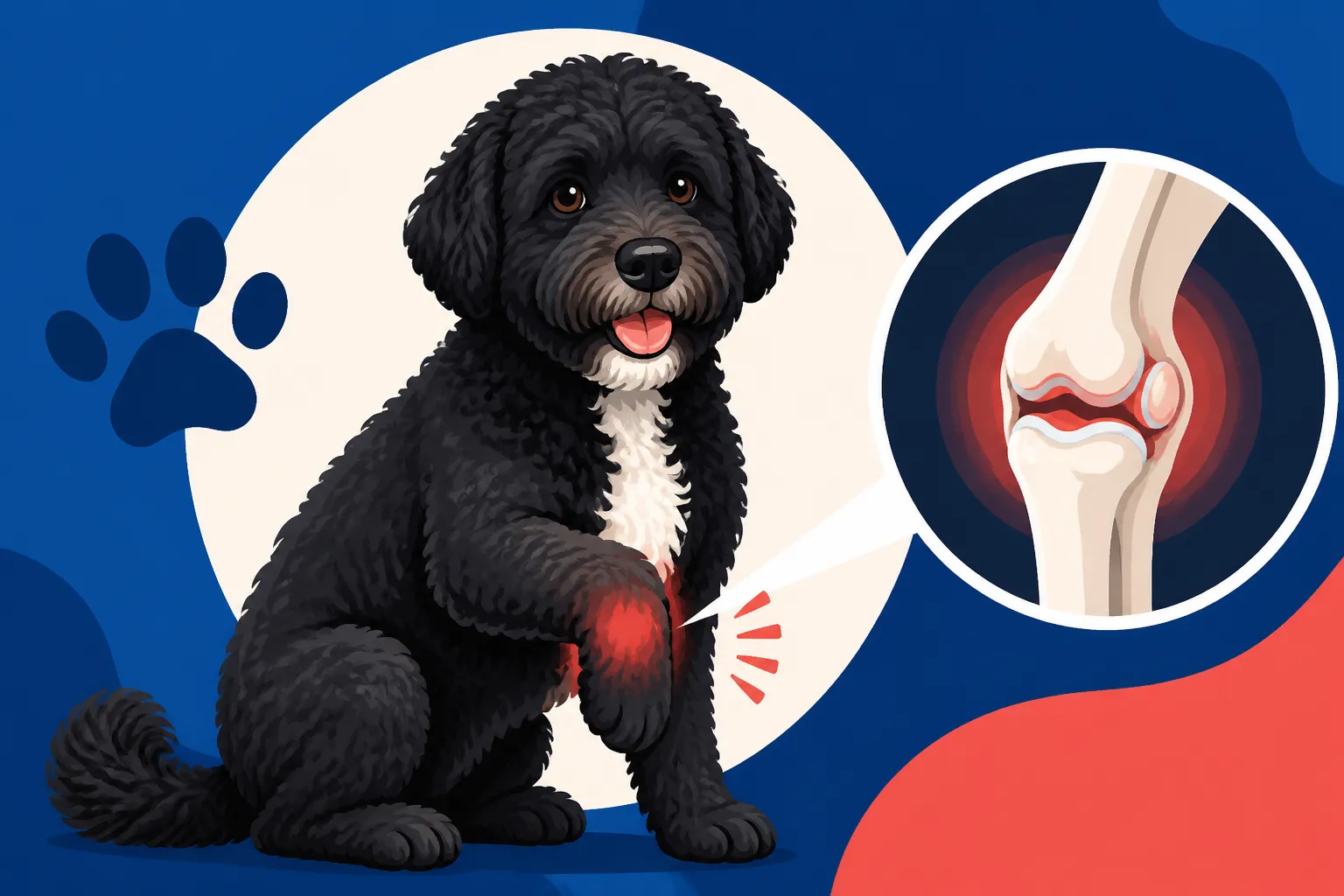
When we talk about arthritis in dogs, we're usually referring to osteoarthritis, also known as degenerative joint disease (DJD). Imagine the ends of bones in a healthy joint, perfectly cushioned by smooth cartilage. This cartilage allows bones to glide past each other seamlessly, absorbing shock and facilitating movement. In a dog with osteoarthritis, this protective cartilage starts to break down. It thins, frays, and eventually erodes, leading to bone-on-bone friction.
This friction isn't just uncomfortable; it triggers a cascade of inflammatory responses within the joint. The body, trying to stabilize the failing joint, might start growing abnormal bone outgrowths called osteophytes, or bone spurs, around the joint edges. These spurs further restrict movement and contribute to pain. The synovial fluid, which lubricates the joint, also changes, losing its quality and quantity. All of this results in chronic pain, stiffness, and reduced range of motion. For a breed as active and athletic as the Portuguese Water Dog, designed for arduous work on fishing boats, the impact of such a condition can be profound, making even simple movements challenging.
Common Joints Affected in Portuguese Water Dogs
While arthritis can affect any joint, certain areas are more commonly impacted in breeds like the Portuguese Water Dog, often due to their genetic predispositions, body structure, and high activity levels.
The most frequently affected joints include:
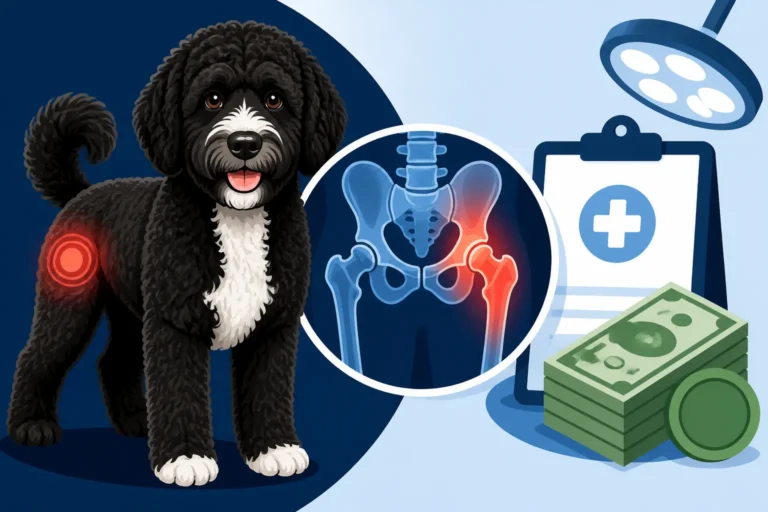
- Hips: Hip dysplasia, a genetic condition where the hip joint doesn't form correctly, is a significant precursor to early-onset arthritis in the hips. Even dogs with mild dysplasia can develop painful arthritis over time as the joint continues to wear unevenly. Understanding Hip Dysplasia in a Portuguese Water Dog is incredibly important for proactive care.
- Elbows: Similarly, elbow dysplasia, another developmental abnormality, can lead to severe arthritis. This condition involves several possible abnormalities in the elbow joint, all of which compromise its smooth function and lead to degenerative changes. You can learn more about Elbow Dysplasia in a Portuguese Water Dog to recognize its implications.
- Stifles (Knees): The knee joint is complex and prone to injuries like cruciate ligament tears. While not directly arthritis, an injury here can destabilize the joint, leading to chronic inflammation and secondary arthritis down the line. Even without injury, patellar luxation (where the kneecap slips out of place) can also contribute to wear and tear.
- Spine: The discs between the vertebrae can degenerate, leading to spondylosis, a form of arthritis in the spine. This can manifest as stiffness, reluctance to jump, or even nerve pain. For a dog that loves to twist and turn and launch themselves into the water, spinal health is particularly critical.
Their history as working dogs, bred for agility, strength, and endless swimming, means their joints are put through their paces throughout their lives. This continuous, high-impact (or high-resistance, in the case of swimming) activity, while beneficial for muscle development, can also exacerbate any underlying joint weaknesses, making them potentially more susceptible to degenerative changes as they age.
When Arthritis Typically Appears in Portuguese Water Dogs
This is the big question for many PWD owners. No one wants to see their dog suffer, and knowing what to expect can help you prepare and intervene early.
Early Onset vs. Senior Arthritis
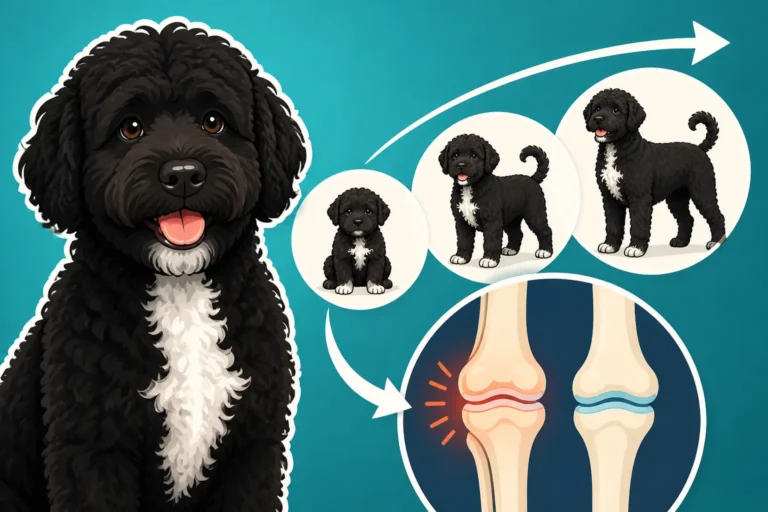
For most Portuguese Water Dogs, and indeed most larger, active breeds, arthritis is primarily a condition of seniority. You'll typically begin to notice the more pronounced signs when your PWD enters their golden years, often between the ages of 7 and 10 years old, or even a bit later. At this stage, it's usually a cumulative effect of a lifetime of activity, natural wear and tear, and the inevitable slowing down that comes with age. This is often referred to as primary osteoarthritis. For a deeper understanding of what constitutes a senior PWD, you might be interested in The Age a Portuguese Water Dog Is Considered Senior.
However, there's also the possibility of early-onset arthritis. This is less common but can be more devastating for both the dog and owner. Early-onset arthritis in a Portuguese Water Dog often stems from underlying developmental conditions or significant injuries that occurred when they were younger. For example:
- Genetic predispositions: As mentioned, hip or elbow dysplasia can significantly accelerate the onset of arthritis. A PWD with severe dysplasia might show signs of joint pain and stiffness as early as 3-5 years of age, or even younger in extreme cases. The abnormal joint structure causes excessive wear and tear from a young age, leading to premature cartilage breakdown.
- Traumatic injuries: A major injury, such as a fractured bone that involved a joint, a torn ligament (like a cranial cruciate ligament tear in the knee), or severe sprains, can lead to post-traumatic arthritis. Even after the initial injury heals, the joint may never be quite the same, leading to degenerative changes much earlier than typically expected.
- Over-exertion in young dogs: While PWDs are built for activity, pushing a young puppy or adolescent too hard with high-impact activities (like excessive jumping on hard surfaces or intense agility before growth plates are closed) can theoretically contribute to earlier joint issues, though this is often debated in veterinary circles. Controlled, appropriate exercise is key for growing pups.
So, while you might expect to see the first significant signs of arthritis in your PWD around the 7-year mark, don't rule out the possibility of earlier issues, especially if they have a history of orthopedic problems.
Factors Influencing Onset Age
Several factors can significantly influence when a Portuguese Water Dog might start experiencing the symptoms of arthritis:
- Genetics and Responsible Breeding: This is arguably the most critical factor. Reputable breeders strive to reduce the incidence of debilitating genetic conditions like hip and elbow dysplasia through rigorous health screenings of their breeding stock. They utilize certifications from organizations like the Orthopedic Foundation for Animals (OFA) or PennHIP evaluations. A PWD from a line with excellent joint health certifications is inherently less likely to develop severe, early-onset arthritis compared to a dog from untested or poorly screened lines. This is why asking a breeder about Which Health Tests a Portuguese Water Dog Breeder Should Run is so vital.
- Body Weight and Nutrition: Just like in humans, excess weight puts immense strain on a dog's joints. Every extra pound translates to disproportionately more pressure on the hips, knees, and elbows. Maintaining a lean body condition throughout your PWD’s life is one of the most powerful preventative measures against early and severe arthritis. A balanced, high-quality diet that supports joint health and energy levels is also crucial. Understanding What a Portuguese Water Dog Weighs and How to Keep It There is key to managing their joint load.
- Activity Levels and Type of Exercise: Portuguese Water Dogs are athletes, and appropriate exercise is vital for their physical and mental well-being. Regular, moderate, low-impact exercise helps maintain muscle mass, which supports joints, and keeps ligaments and tendons flexible. However, excessive high-impact activities (like repetitive, high jumps on hard surfaces) can contribute to wear and tear. Swimming, on the other hand, is an incredible, low-impact exercise that strengthens muscles without stressing joints, making it ideal for PWDs throughout their lives. This is a topic explored in Why Swimming Protects a Portuguese Water Dog's Joints.
- Previous Injuries: As mentioned earlier, any significant orthopedic injury, even if it seems to heal completely, can predispose a joint to developing arthritis earlier. The trauma itself can damage cartilage, and the subsequent healing process might not perfectly restore the joint's original integrity, leading to compensatory movements and uneven wear.
By being mindful of these factors, you can proactively support your Portuguese Water Dog's joint health and potentially delay the onset or reduce the severity of arthritis.
Recognizing the Subtle Signs of Arthritis
One of the trickiest parts about canine arthritis is that dogs are masters at hiding pain. It's a survival instinct. They can't tell us directly, "My hip hurts!" So, as their primary caregiver, you need to become a detective, keenly observing subtle changes in their behavior and physical presentation.
Behavioral Changes to Watch For
Many of the earliest signs of arthritis are behavioral. Your PWD might not limp obviously at first, but you'll notice changes in their routines and enthusiasm. These can often be dismissed as "just getting old," but they warrant a closer look.
- Reluctance to Perform Former Activities: Does your PWD hesitate before jumping into the car or onto the sofa? Are they slower to climb stairs, or do they completely avoid them when they used to bound up them effortlessly? Perhaps they used to launch off the dock with gusto, but now they stand at the edge, seeming to think twice, or they enter the water more gently. This reduced enthusiasm for activities they once loved is a major red flag.
- Slowing Down on Walks or During Play: Your PWD might start lagging behind during walks, needing more breaks, or simply not wanting to go as far. Their play sessions might shorten, or they might prefer less energetic games. If a game of fetch used to last 30 minutes, and now they're done after 10, it's worth noting. They might also appear stiff after a long walk or play, and the stiffness lessens as they "warm up."
- Increased Resting and Difficulty Getting Up: You might find your PWD spending more time napping, or choosing softer, more secluded spots to rest. Getting up from a lying position, especially after a long nap, can become a slow, labored process. They might stiffen their legs, struggle to find their balance, or take several attempts to stand upright. This is particularly noticeable first thing in the morning or after prolonged rest.
- Changes in Temperament or Interaction: Chronic pain is exhausting and frustrating. An arthritic PWD might become more irritable, sensitive to touch, or even snap if touched in a painful area. They might withdraw from family interactions, seek less attention, or be less tolerant of other pets or children. This isn't them being "grumpy"; it's a sign they're hurting. It's truly amazing How a Portuguese Water Dog Hides Pain, making these subtle shifts even more critical to observe.
- Licking, Chewing, or Guarding Specific Areas: Some dogs will obsessively lick, chew, or even nip at the skin over a painful joint. This self-grooming behavior is an attempt to soothe the discomfort. You might also notice them guarding a particular limb or favoring one side of their body.
Physical Symptoms and Veterinary Diagnosis
As arthritis progresses, physical signs become more apparent, necessitating a visit to your veterinarian for a proper diagnosis.
- Stiffness, Lameness, or Limping: This is the most classic physical sign. You might notice a subtle lameness on one leg, a stiff-legged gait, or an uneven stride. It’s often worse after periods of rest and improves slightly with gentle movement. The lameness might wax and wane, making it hard to pinpoint.
- Muscle Atrophy: If a dog is favoring a limb due to pain, the muscles around that joint will start to waste away from disuse. You might notice that one thigh or shoulder looks thinner than the other, even if your dog maintains a healthy weight overall.
- Pain on Palpation and Swelling: When your vet gently manipulates or presses on the affected joint, your PWD will likely react with pain. In some cases, chronic inflammation can lead to warmth or subtle swelling around the joint, though this is not always visibly obvious due to the PWD's dense coat. You might also feel crepitus—a grinding or crackling sensation—when the joint is moved, indicating bone-on-bone friction.
- Reduced Range of Motion: An arthritic joint often can't bend or extend as fully as a healthy one. Your vet will assess this during the physical exam.
- Veterinary Diagnosis: Diagnosing arthritis typically starts with a thorough physical examination and an honest discussion about the behavioral changes you’ve observed. Your vet will manipulate your PWD’s joints to check for pain, swelling, and range of motion. To confirm the diagnosis and assess the severity, X-rays are usually taken. These images can reveal changes like bone spurs, narrowed joint spaces, and increased bone density (sclerosis), which are all hallmarks of osteoarthritis. In some cases, especially for complex issues, your vet might recommend more advanced imaging like MRI or CT scans, or even joint fluid analysis. This comprehensive approach helps differentiate arthritis from other conditions and guides the best treatment plan. Don't hesitate to schedule a visit if you suspect arthritis; How Often a Portuguese Water Dog Needs a Wellness Exam can catch these issues early.
Managing Arthritis and Enhancing Quality of Life
While arthritis is a progressive and incurable condition, it's absolutely manageable. With the right approach, you can significantly reduce your Portuguese Water Dog’s pain, maintain their mobility, and ensure they continue to enjoy a high quality of life for as long as possible, truly living out The Twelve to Fifteen Years a Portuguese Water Dog Gets.
Lifestyle Adjustments and Exercise
These are often the first, and most foundational, steps in managing arthritis. Simple changes at home can make a world of difference.
- Maintaining a Healthy Weight: This cannot be stressed enough. Every pound of excess weight adds significant strain to already compromised joints. If your PWD is overweight, even losing a small amount of weight can dramatically improve their comfort and mobility. Work with your vet to determine an ideal body condition score and a safe weight loss plan, usually involving dietary adjustments and controlled exercise.
- Low-Impact Exercise is King: For an arthritic PWD, high-impact activities like jumping, long runs on hard pavement, or intense agility should be replaced with gentle, controlled, low-impact exercises.
- Swimming: This is the absolute best form of exercise for Portuguese Water Dogs with arthritis. The buoyancy of the water takes all pressure off their joints while allowing them to build and maintain crucial muscle mass around those joints. It's excellent cardiovascular exercise without the impact. Even if they’re older, Whether an Aging Portuguese Water Dog Should Still Swim is a resounding yes, often with supervision and a good life vest.
- Short, Frequent Walks: Instead of one long, strenuous walk, try several shorter, gentle walks throughout the day. Keep them on a leash on soft surfaces like grass or dirt paths. Avoid slippery floors or uneven terrain that could cause falls.
- Controlled Play: Engage in gentle retrieving games on soft ground, but avoid sudden stops, starts, or high jumps. Tug-of-war might need to be modified or stopped if it puts strain on their neck or front joints.
- Warm-up and Cool-down: Just like human athletes, a PWD with arthritis benefits from a gentle warm-up before activity and a cool-down afterward. A few minutes of slow walking before picking up the pace, and gentle stretching or massage after, can help reduce stiffness.
Nutritional Support and Supplements
What you feed your PWD can play a vital role in managing their joint health. Beyond their regular food, specific supplements can offer supportive benefits.
- Joint Supplements: The most common and well-researched joint supplements include:
- Glucosamine and Chondroitin Sulfate: These are building blocks for cartilage and are believed to help repair and protect existing cartilage while reducing inflammation. They are often found together in supplements.
- MSM (Methylsulfonylmethane): An organic sulfur compound with anti-inflammatory and pain-relieving properties.
- Omega-3 Fatty Acids: Specifically EPA and DHA, found in fish oil. These are powerful natural anti-inflammatories that can significantly reduce joint pain and improve mobility. Look for supplements from reputable brands that specify the EPA/DHA content.
- Antioxidants: Vitamins E and C, selenium, and other antioxidants can help combat oxidative stress and inflammation in the joints.
- Joint-Specific Diets: Many premium dog food brands offer prescription or over-the-counter diets formulated for joint health. These typically contain higher levels of glucosamine, chondroitin, and Omega-3s, along with controlled calorie content to aid in weight management. Discuss these options with your vet to see if a prescription diet is appropriate for your PWD.
- Other Supportive Nutrients: Turmeric (curcumin), green-lipped mussel, and avocado/soybean unsaponifiables (ASU) are also gaining popularity for their anti-inflammatory effects. Always consult your veterinarian before starting any new supplement regimen to ensure it's safe and appropriate for your dog, especially if they are on other medications.
Medical Interventions and Pain Management
When lifestyle changes and supplements aren't enough, veterinary medicine offers a range of options to manage pain and inflammation, greatly improving your PWD's comfort.
- Non-Steroidal Anti-Inflammatory Drugs (NSAIDs): These are the cornerstone of arthritis pain management. Drugs like carprofen (Rimadyl), meloxicam (Metacam), firocoxib (Previcox), and grapiprant (Galliprant) specifically target the inflammation that causes pain and stiffness. They are highly effective but require careful monitoring by your vet due to potential side effects on the liver, kidneys, and gastrointestinal tract. Regular blood work is often recommended while on NSAIDs.
- Other Pain Relievers: For more severe or chronic pain, vets might combine NSAIDs with other medications like gabapentin (which helps with neuropathic pain) or amantadine (which can reduce chronic pain sensitization).
- Injectable Treatments:
- Polysulfated Glycosaminoglycans (PSGAGs): Medications like Adequan are injectables that work to protect existing cartilage, improve joint fluid quality, and reduce inflammation. They are often given in a series of injections.
- Monoclonal Antibodies (mAbs): Newer treatments like Librela (for dogs) and Solensia (for cats) are revolutionary. These monthly injections target Nerve Growth Factor (NGF), a key player in pain signaling, offering long-lasting pain relief with minimal systemic side effects. They are becoming a game-changer for many arthritic dogs.
- Physical Therapy and Rehabilitation: Canine physical therapy is invaluable. Techniques like therapeutic exercises, massage, stretching, underwater treadmill therapy, cold laser therapy, and acupuncture can significantly improve muscle strength, flexibility, range of motion, and reduce pain. These modalities are often performed by certified canine rehabilitation specialists.
- Acupuncture: Many dogs respond well to acupuncture, which involves inserting fine needles into specific points on the body to stimulate natural pain relief mechanisms and improve circulation.
- Regenerative Medicine: More advanced options, such as Platelet-Rich Plasma (PRP) therapy or stem cell therapy, are sometimes explored. These involve injecting concentrated healing cells or growth factors into the joint to promote tissue repair and reduce inflammation.
- Surgery: In severe cases, or when other treatments fail, surgery might be considered, especially if a specific underlying issue like a torn ligament or severe dysplasia is exacerbating the arthritis. Procedures could range from joint-fusion to total joint replacement.
The cost of these ongoing treatments can add up quickly, which is why many PWD owners choose to invest in pet insurance. Companies like Healthy Paws can provide significant financial relief, helping you afford the best possible care without compromising. Having a good policy in place can make all the difference in managing chronic conditions.
Creating a Comfortable Home Environment
Small changes around your home can make a huge difference in your arthritic PWD's daily comfort and prevent further injury.
- Orthopedic Beds: Invest in a high-quality orthopedic dog bed that provides excellent support and cushioning for their joints. These beds are typically made of memory foam and help distribute weight evenly, reducing pressure points.
- Ramps and Stairs: If your PWD loves to get on the sofa, bed, or in the car, provide ramps or pet stairs. This eliminates the need for painful jumping and reduces the risk of further injury.
- Non-Slip Flooring: Slippery hardwood or tiled floors can be treacherous for an arthritic dog, leading to slips and falls that exacerbate pain or cause new injuries. Place non-slip rugs or runners in high-traffic areas, especially where they eat, sleep, or play.
- Warmth in Cold Weather: Cold and damp weather can worsen joint pain. Provide a warm, draft-free sleeping area. Consider a dog coat or sweater for outdoor excursions in chilly weather.
- Raised Food and Water Bowls: For dogs with neck or front limb arthritis, raised bowls can make eating and drinking more comfortable, preventing them from having to stoop down.
By taking a holistic approach—combining veterinary medical care with thoughtful lifestyle adjustments and home modifications—you can help your Portuguese Water Dog live comfortably and happily, even with arthritis. Caring for an Aging Portuguese Water Dog truly is a testament to the love and commitment we have for these wonderful companions.
| Symptom Category | Early/Mild Arthritis Signs | Moderate/Advanced Arthritis Signs |
|---|---|---|
| Mobility | Stiff after rest, slight hesitation before jumping, slower to get up. | Obvious lameness, limping, complete refusal to jump/climb stairs, difficulty rising, short strides. |
| Activity | Less enthusiastic for long walks/play, shorter play sessions, lags behind. | Avoids play, reluctant to walk far, spends most time resting. |
| Pain | Subtle grunting/sighing when lying down, mild sensitivity to touch near joints. | Vocalizes with pain (whimpers, growls), severe flinching/snapping when touched, constant discomfort. |
| Physical | No visible changes, possibly mild muscle loss. | Visible muscle atrophy, joint swelling/warmth, grinding (crepitus) sound/feel in joints. |
| Behavioral | More sleepy, less interactive, minor irritability. | Withdraws, snaps, restless at night, obsessive licking of affected joints, changes in appetite. |
Disclaimer
The information provided in this article is for general informational purposes only and is not intended to be a substitute for professional veterinary advice, diagnosis, or treatment. Always seek the advice of your veterinarian or other qualified animal health provider with any questions you may have regarding a medical condition or treatment for your Portuguese Water Dog. Never disregard professional veterinary advice or delay in seeking it because of something you have read in this article.