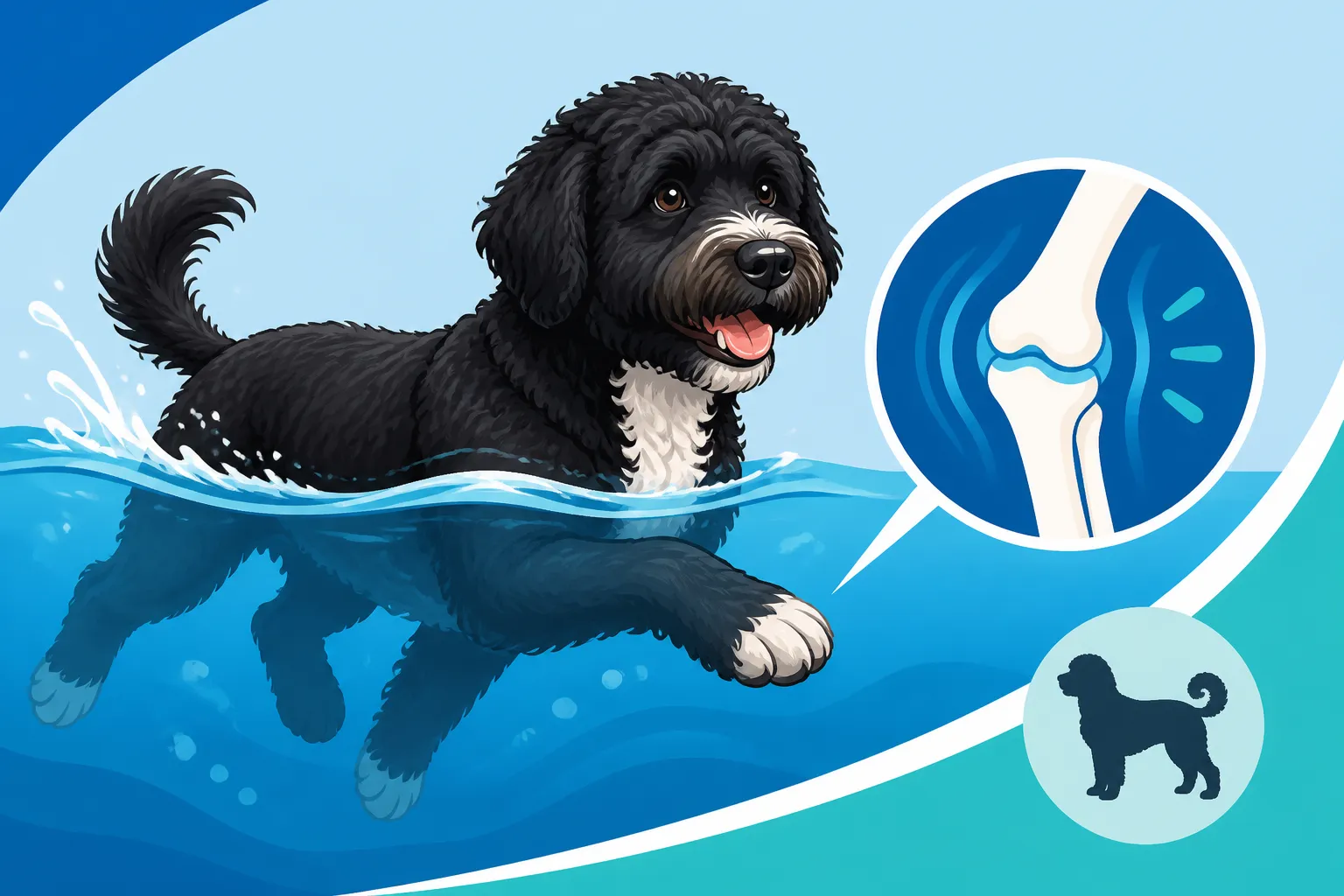
Why Swimming Protects a Portuguese Water Dog’s Joints
It's heartbreaking to think about our energetic Portuguese Water Dogs slowing down, especially when joint pain starts to creep in. Many of us see our PWDs as boundless athletes, always ready for the next adventure, whether it's a long hike, a game of fetch, or, of course, a splash in the water. But all that activity, while wonderful for their spirits, can put a significant strain on their hardworking joints over time. This guide will dive deep into why swimming isn't just a fun pastime for your Portuguese Water Dog, but a truly protective and beneficial exercise that can safeguard their joint health for years to come.
The Active Life and Joint Realities of a Portuguese Water Dog
Portuguese Water Dogs are, by their very nature, incredibly active and robust canines. They were bred for demanding work, herding fish, retrieving broken nets, and acting as messengers between boats along the Portuguese coast. This heritage means they come equipped with an impressive drive for physical activity, a strong retrieve instinct, and a deep love for water. While this athleticism is one of their most endearing qualities, it also means their joints are often subjected to considerable stress throughout their lives. It's a bittersweet reality: the very activities they adore can contribute to wear and tear.
Understanding Portuguese Water Dog Joint Health Predispositions
Unfortunately, certain breeds, including our beloved Portuguese Water Dogs, have genetic predispositions to specific joint conditions. The most common culprits we frequently encounter are hip dysplasia and elbow dysplasia. These aren't just minor aches; they are developmental conditions where the joints don't form correctly, leading to instability, pain, and eventually, degenerative joint disease like arthritis. Imagine trying to run and jump all day with a loose hinge – that's often what these conditions feel like for our dogs. Early screening and careful breeding practices aim to reduce the incidence, but even with the best efforts, some dogs can still be affected. It's why paying attention to their gait and overall comfort level is paramount, especially as they mature. You can learn more about specific concerns in our comprehensive guide on Hips and Joints in a Portuguese Water Dog.
The Impact of High-Impact Exercise on Canine Joints
While PWDs thrive on activity, not all exercise is created equal when it comes to joint impact. Think about the jarring forces involved in a dog launching itself after a frisbee, landing hard after a jump, or repeatedly stopping and starting at full speed during a game of chase. Each of these high-impact movements sends shockwaves through their joints, particularly their hips, elbows, and knees. Over years, this cumulative stress can lead to the breakdown of cartilage, inflammation, and micro-traumas to the bone and soft tissues. For a dog genetically predisposed to joint issues, these activities can accelerate the onset and severity of conditions like arthritis. Even seemingly healthy dogs can experience significant wear and tear from relentless, high-impact play, making it crucial to find balanced forms of exercise that support their long-term well-being.
Why Water is the Ultimate Joint Protector for PWDs
This is where the magic of water comes in for our Portuguese Water Dogs. Given their heritage and innate love for swimming, it’s a natural fit, but the benefits for their joints go far beyond simple enjoyment. Swimming provides a unique exercise environment that supports the body, builds strength, and improves flexibility without the harsh impacts of land-based activities. It's truly a win-win: they get to do what they love, and their bodies reap immense therapeutic rewards.
Buoyancy: The Great Unloader for Canine Joints
The primary reason swimming is so fantastic for joint health is the principle of buoyancy. Water supports a significant portion of your dog's body weight, effectively "unloading" their joints from the constant pull of gravity. When your PWD is submerged, the water's upward force counteracts gravity, reducing the stress on their hips, knees, elbows, and spine by up to 90%. Imagine taking off a heavy backpack after a long hike – that's the kind of relief buoyancy offers their joints. This means they can move their limbs through a full range of motion without the painful grinding or jarring impact that might occur on land. This is particularly crucial for dogs with existing joint conditions like arthritis, where every step on solid ground can cause discomfort. It allows them to exercise, build muscle, and maintain cardiovascular fitness in a pain-free or significantly less painful manner.
Gentle Resistance for Powerful Muscle Building
While buoyancy unloads the joints, the viscosity of water provides gentle, continuous resistance in every direction your dog moves. Unlike air, water creates drag, meaning every paddle and kick requires more effort from their muscles. This resistance is key because it allows your Portuguese Water Dog to build and strengthen the muscles surrounding their joints, without any of the high-impact forces we discussed earlier. Strong muscles provide vital support and stability to the joints, acting like natural shock absorbers and helping to hold the joint in proper alignment. This is incredibly beneficial for dogs recovering from injuries, those with developing joint issues, or even healthy PWDs who need to maintain peak physical condition. The uniform resistance also promotes balanced muscle development, which is often harder to achieve with typical land exercises that might favor certain muscle groups over others. This low-impact, high-reward muscle-building is a cornerstone of long-term joint protection.
Improved Flexibility and Range of Motion
Another often-overlooked benefit of swimming is its ability to improve your dog's flexibility and range of motion. The warm, supportive environment of water allows muscles and connective tissues to relax and stretch more easily than they would on land. When your PWD is swimming, they're typically extending and flexing their limbs through a wider arc of movement, gently working the joint capsules and ligaments. This can help prevent stiffness, especially in aging dogs or those with arthritis, and can even help to break down minor adhesions that might limit movement. For a Portuguese Water Dog, who needs to be agile and able to navigate challenging terrains (or just dive for that favorite retrieve toy), maintaining excellent flexibility is vital. Regular swimming sessions can contribute significantly to keeping their joints limber and their movements fluid, allowing them to enjoy their active lifestyle for many The Twelve to Fifteen Years a Portuguese Water Dog Gets.
Integrating Swimming into Your Portuguese Water Dog's Health Regimen
Given their natural affinity for water, incorporating swimming into your Portuguese Water Dog's routine might seem straightforward, but there are important considerations to ensure it's done safely and effectively. It’s about more than just letting them jump in; it’s about making it a consistent, beneficial part of their overall health plan.
Starting Early and Safely: PWD Puppy Swims
For Portuguese Water Dog puppies, introducing them to water early and safely is paramount. While many PWDs are born swimmers, supervision is always key, especially when they are young and still developing their coordination. You want to make sure their first experiences are positive and confidence-building. A shallow, calm body of water, or even a kiddie pool, can be a great starting point. Always ensure they can easily get in and out. For puppies, short, supervised dips are ideal, allowing them to build strength without over-exertion. It’s also wise to consider a well-fitting life jacket, even if they seem to be natural swimmers; it gives you extra peace of mind and allows them to conserve energy. You can learn more about how to introduce them to water safely in our article Teaching a Portuguese Water Dog Puppy to Enter Water. Remember, their growth plates are still open, so extreme, prolonged exercise of any kind should be avoided, but gentle swimming is generally excellent.
Regularity and Duration for Optimal Benefit
To truly reap the joint-protective benefits of swimming, consistency is key. Erratic, once-a-month swims won't build the same muscle strength or flexibility as regular sessions. Aim for at least 2-3 swimming sessions per week, depending on your dog's age, fitness level, and other exercise routines. The duration of each session will vary. For a young, healthy adult Portuguese Water Dog, 20-45 minutes of active swimming can be a fantastic workout. For older dogs or those with significant joint issues, shorter sessions of 10-20 minutes might be more appropriate. Always pay attention to your dog's cues – if they're showing signs of fatigue, it's time to stop. The goal is a sustained, gentle workout, not exhaustion. Remember, a thorough rinse and dry of their coat and ears after every swim is crucial to prevent skin and ear infections.
Essential Safety Measures for Water Activities
Even though Portuguese Water Dogs are built for water, safety should never be overlooked. A well-fitting life jacket is a smart investment, especially if you're swimming in open water, strong currents, or if your dog is older or a less confident swimmer. Always supervise your dog closely; never leave them unattended near water. Be mindful of water quality: avoid stagnant ponds with blue-green algae, which can be toxic, and be aware of potential contaminants in lakes or rivers. After any swim, especially in natural bodies of water, a thorough rinse with clean water is essential to remove chlorine, salt, or any debris from their coat, and don't forget to dry their ears to prevent infections. Make sure there’s an easy exit from pools or boats. Even an aging PWD might surprise you with their desire to swim, so understanding Whether an Aging Portuguese Water Dog Still Wants to Swim can help you plan appropriately.
Swimming for Senior Portuguese Water Dogs
Swimming is a godsend for senior Portuguese Water Dogs. As they age, many dogs naturally develop arthritis or other degenerative joint diseases, making high-impact activities painful and difficult. Swimming offers a way for them to continue exercising, maintain muscle mass, and improve circulation without putting painful pressure on their joints. The buoyancy provides immediate relief, allowing them to move freely in a way they might not be able to on land. Hydrotherapy, a specific form of swimming exercise often done in heated pools, is frequently recommended by veterinarians for older dogs or those recovering from surgery. It can significantly improve their quality of life, reduce pain, and extend their mobility. Caring for a senior PWD has its unique challenges, and integrating gentle, joint-friendly exercise like swimming is a huge part of Caring for a Portuguese Water Dog Past Nine.
Beyond the Pool: Holistic Joint Care for Your Portuguese Water Dog
While swimming is an incredible tool for protecting your PWD's joints, it's part of a larger picture of holistic care. A well-rounded approach ensures their overall health supports their joint longevity, helping them stay active and happy for as long as possible.
Proper Nutrition and Weight Management
One of the most impactful things you can do for your Portuguese Water Dog's joint health, alongside exercise, is to maintain their ideal weight. Every extra pound your dog carries puts increased stress on their joints, exacerbating conditions like hip and elbow dysplasia and accelerating the progression of arthritis. Just a small amount of excess weight can make a huge difference in their comfort and mobility. Feed a high-quality diet appropriate for their age, activity level, and breed size. Work with your vet to determine your PWD's ideal body condition and caloric intake. Regular weigh-ins and consistent portion control are crucial. If your PWD is starting to look a bit "fluffy" under that dense coat, it's time to adjust. Losing even a few pounds can significantly reduce joint pain and improve mobility, making all those swimming sessions even more effective.
The Role of Supplements and Veterinary Care
Supplementation can play a supportive role in joint health, particularly for breeds prone to joint issues or for aging dogs. Popular joint supplements often contain ingredients like glucosamine, chondroitin, and MSM, which are believed to support cartilage health and reduce inflammation. Omega-3 fatty acids, found in fish oil, are also excellent for their anti-inflammatory properties. Always discuss any supplements with your veterinarian before introducing them, as they can recommend the best products and dosages for your individual dog's needs.
Regular veterinary check-ups are non-negotiable for monitoring joint health. Your vet can perform physical exams, assess gait, and recommend imaging like X-rays to diagnose or monitor conditions. For instance, understanding When a Portuguese Water Dog Should Be X Rayed can be crucial for early detection of issues like hip or elbow dysplasia. If a joint condition is diagnosed, early intervention, whether through medication, physical therapy, or even surgery, can significantly improve outcomes. It's also wise to consider pet insurance, especially for an active breed like the PWD. Providers like Healthy Paws can help cover the costs of unexpected veterinary care, including diagnostics, treatments, and even ongoing management for conditions like arthritis, ensuring you can always make the best decisions for your dog's health without financial stress. Knowing what What a Portuguese Water Dog Costs Over Its Lifetime often includes these medical considerations.
Balancing Exercise Types for Longevity
While swimming is fantastic for joint protection, it shouldn't be the only form of exercise for your Portuguese Water Dog. A well-rounded exercise regimen combines low-impact activities like swimming with appropriate amounts of moderate-impact activities, always keeping your dog's individual health in mind. Land-based exercises, such as walks, hikes, and controlled games of fetch, build different muscle groups, improve proprioception (awareness of body position), and offer mental stimulation. The key is balance and moderation. For example, a long, leisurely walk combined with a vigorous swimming session could be ideal. Avoid overdoing high-impact activities, especially on hard surfaces. Always warm up with a gentle walk before intense exercise and cool down afterward. Understanding How Much Exercise a Portuguese Water Dog Needs can help you craft a balanced routine, and it's also important to realize Whether Swimming Replaces Walking for a Portuguese Water Dog is a nuanced question – they complement each other.
To illustrate the benefits, here's a quick comparison of exercise types:
| Exercise Type | Joint Impact | Muscle Building | Cardiovascular Health | Flexibility & Range of Motion | Best For |
|---|---|---|---|---|---|
| Swimming | Very Low | High | High | High | Joint protection, rehabilitation, full-body strength |
| Walking/Hiking | Low-Moderate | Moderate | Moderate-High | Moderate | Endurance, mental stimulation, bonding |
| Running | Moderate-High | Moderate | High | Moderate | Speed, stamina, releasing excess energy |
| Agility/Jumping | High | Moderate | Moderate | Moderate | Coordination, mental challenge, sport-specific training |
This table clearly shows why swimming stands out as uniquely beneficial for joint health while still providing a robust workout.
Proactive Screening and Early Detection
Being proactive about your Portuguese Water Dog's joint health means more than just reacting when problems arise. It involves understanding the genetic risks and taking steps to screen for them. Reputable breeders will always conduct extensive health testing on their breeding stock, including evaluations for hip and elbow dysplasia, often through organizations like the Orthopedic Foundation for Animals (OFA) or PennHIP. When you choose a puppy, ask to see these certifications for both parents. Even if your dog comes from excellent lines, regular veterinary examinations are essential. Early detection of any subtle lameness or changes in gait allows for timely intervention, which can often slow the progression of conditions like arthritis or help manage the pain associated with Cruciate Tears in a Portuguese Water Dog. Discussing with your vet the appropriate age for hip and elbow screenings can be beneficial, especially for an active breed like the PWD, and considering how The Age a Portuguese Water Dog Gets Arthritis can guide future care.
Disclaimer
This article is for general informational purposes only and does not constitute professional advice. Laws, prices and regulations vary by location and change over time. Consult a qualified professional for guidance on your specific situation.