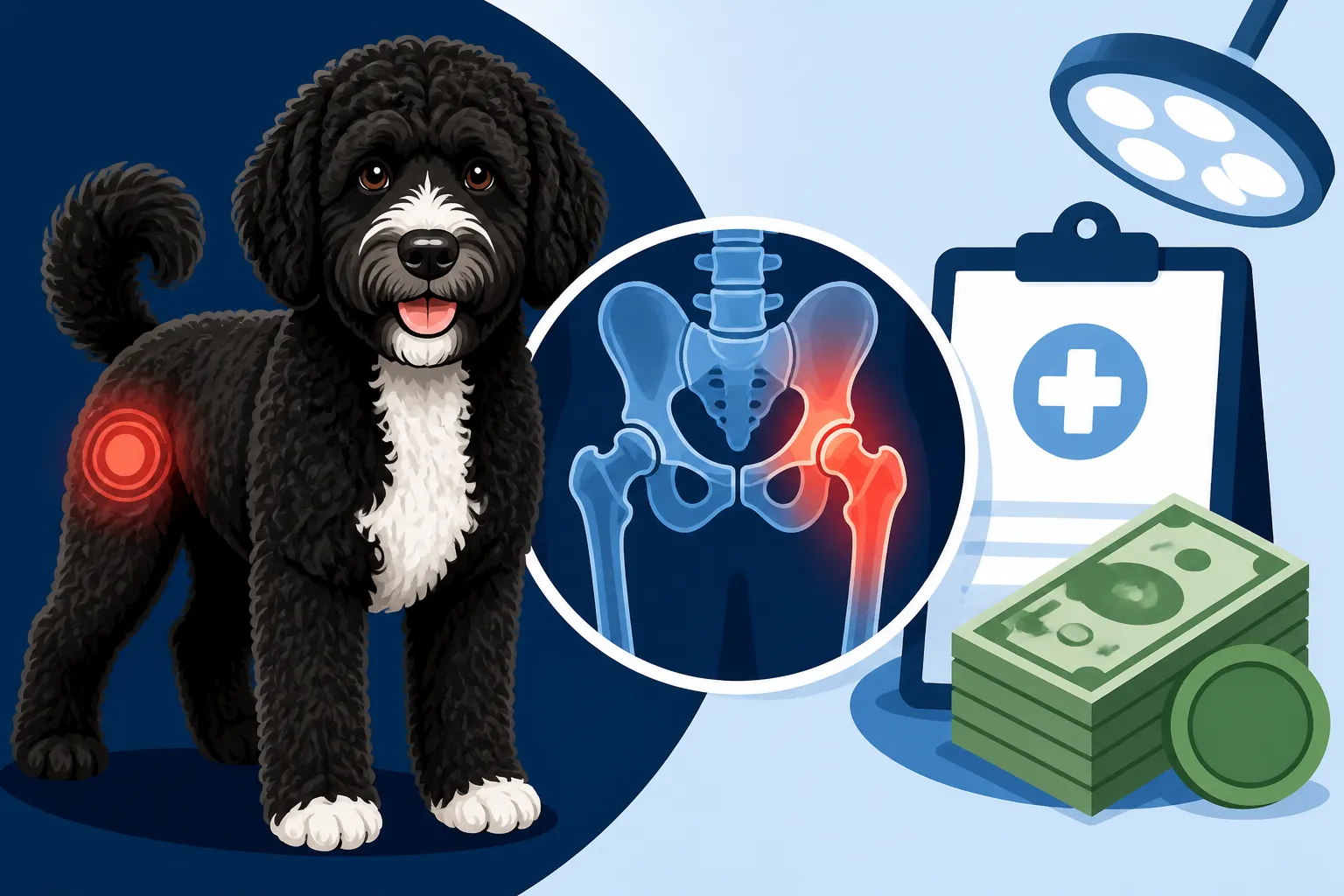
What Hip Surgery Costs on a Portuguese Water Dog
Facing the prospect of your beloved Portuguese Water Dog needing hip surgery can be incredibly daunting, not just emotionally, but financially. The sheer uncertainty of what such a procedure might cost, coupled with the worry for your dog's well-being, can be overwhelming. This guide aims to pull back the curtain on the expenses associated with hip surgery for a Portuguese Water Dog, offering a realistic breakdown of potential costs and how to navigate them, so you can make informed decisions without added stress.
Understanding Hip Dysplasia in Portuguese Water Dogs
Hip dysplasia is a significant concern for many dog breeds, and our energetic, water-loving Portuguese Water Dogs are unfortunately not immune. It's a condition that can cause immense discomfort and limit their active lifestyle, which is truly heartbreaking for a breed that thrives on movement and a good swim. Understanding what it is and how it manifests is the first step toward effective management and treatment.
Why Hip Dysplasia Is a Concern for PWDs
Hip dysplasia occurs when the ball and socket joint of the hip doesn't develop correctly, leading to a loose, unstable joint. Over time, this abnormal development causes wear and tear, pain, and eventually degenerative joint disease (osteoarthritis). For a Portuguese Water Dog, a breed celebrated for its athleticism, swimming prowess, and boundless energy, healthy hips are absolutely crucial. Without them, simple joys like a spirited game of fetch at the park or a refreshing dip in the lake become painful struggles. It’s not just about comfort; it impacts their entire quality of life. The genetic component of this condition means responsible breeders perform health screenings, but even with careful breeding, it can sometimes still appear. Knowing How Common Hip Dysplasia Is in Portuguese Water Dogs can help owners prepare and understand the breed's predisposition.
Recognizing the Signs of Hip Issues
Spotting hip problems in your PWD can be tricky because dogs are masters at hiding pain. Their stoic nature often means that by the time you notice overt symptoms, the condition might be quite advanced. However, there are subtle clues to watch for. You might observe a reluctance to exercise, a noticeable stiffness after resting, or difficulty getting up or lying down. Some PWDs might develop a "bunny hop" gait when running, where both hind legs move together. You might also notice a decrease in their enthusiasm for activities they once loved, like chasing a ball or jumping into the water. Even a slight limp or an unusual sway in their hindquarters can be a red flag. Pay attention to changes in their muscle mass, as atrophy in the hind legs can indicate they're favoring a painful hip. Recognizing Signs a Portuguese Water Dog's Hips Hurt early is paramount to intervening before the condition severely impacts their mobility.
Diagnosis and Initial Costs
If you suspect your Portuguese Water Dog might have hip dysplasia, the first step is always a thorough veterinary examination. Your vet will perform a physical assessment, manipulating the hips to check for pain, range of motion, and joint laxity. This initial visit will involve a consultation fee, which can range from $60 to $150 depending on your location and clinic. The definitive diagnosis, however, relies on X-rays. To get clear, diagnostic images, your dog will likely need sedation or general anesthesia, especially since achieving the specific positions required can be uncomfortable. The cost for X-rays, including sedation, can vary widely but generally falls between $200 and $600. Some clinics might also recommend a consultation with an orthopedic specialist, which could add another $150 to $300 to these initial diagnostic expenses.
A Breakdown of Hip Surgery Options and Their Costs
Once hip dysplasia is diagnosed, especially if it's causing significant pain and affecting your dog's quality of life, your veterinarian or a specialist might recommend surgical intervention. There isn't a one-size-fits-all solution, and the type of surgery, along with its associated cost, depends heavily on your dog's age, size, severity of the dysplasia, and the presence of any secondary arthritis. Each option has its own set of considerations, recovery protocols, and, of course, price tag.
Femoral Head Ostectomy FHO
A Femoral Head Ostectomy, or FHO, is a salvage procedure where the head and neck of the femur (the ball part of the joint) are surgically removed. This eliminates the painful bone-on-bone rubbing that occurs in a dysplastic hip. Instead of a joint, the body forms a "false joint" made of scar tissue. While it doesn't recreate a normal hip joint, it typically alleviates pain and allows for functional mobility, especially in smaller, lighter dogs or those where a total hip replacement isn't feasible due to cost or other health concerns. Portuguese Water Dogs, being a medium to large breed, can sometimes be candidates, particularly if only one hip is severely affected or if financial constraints are a major factor. The recovery involves strict rest followed by intensive physical therapy to build muscle and support the new false joint. The cost for an FHO can range from $1,200 to $4,000 per hip, depending on the veterinary surgeon's experience and your geographic location.
Triple Pelvic Osteotomy TPO / Juvenile Pubic Symphysiodesis JPS
These procedures are generally reserved for younger dogs with hip dysplasia that haven't yet developed significant degenerative changes. A Triple Pelvic Osteotomy (TPO) involves cutting the pelvis in three places and rotating the segments to improve the coverage of the femoral head by the hip socket. This procedure aims to prevent future arthritis and restore more normal hip function. It's quite an invasive surgery with a significant recovery period, typically involving several weeks of strict confinement. The cost for a TPO can range from $3,500 to $6,000 per hip.
Juvenile Pubic Symphysiodesis (JPS) is an even earlier intervention, ideally performed on puppies between 14 and 20 weeks of age, before the growth plates close. In this procedure, the growth plate at the bottom of the pelvis is fused, which encourages the hip sockets to rotate and cover the femoral heads more effectively as the puppy grows. It's a less invasive surgery than a TPO, and recovery is generally quicker. However, its narrow age window makes timing critical. The cost for a JPS can range from $1,000 to $2,500. Both TPO and JPS are preventive measures aimed at improving hip mechanics for a long, healthy life, rather than treating existing arthritis.
Total Hip Replacement THR
Total Hip Replacement (THR) is considered the gold standard for treating severe hip dysplasia, offering the best chance for a pain-free, fully functional hip. In this complex procedure, both the ball and socket components of the hip joint are replaced with prosthetic implants made of metal and plastic. It's a highly specialized surgery, usually performed by board-certified orthopedic surgeons in well-equipped veterinary hospitals. THR is typically recommended for dogs with debilitating, bilateral hip dysplasia or severe arthritis that hasn't responded to other treatments. For an active breed like the Portuguese Water Dog, a successful THR can truly restore their athleticism and quality of life. The success rates are high, but it's a significant undertaking, both surgically and financially. The cost for a single Total Hip Replacement can range from $6,000 to $10,000 or even more, making it the most expensive option. This price usually includes the surgery, anesthesia, hospitalization, and initial post-operative care.
Factors Influencing the Final Bill for PWD Hip Surgery
It would be wonderfully simple if every hip surgery came with a fixed, predictable price tag. Unfortunately, the reality is far more complex, with a multitude of variables influencing the final amount you'll be asked to pay. These factors can cause significant swings in cost, sometimes thousands of dollars, making careful planning and understanding essential.
Geographic Location and Veterinary Practice
Just like human medical costs, veterinary expenses can vary dramatically based on where you live. Major metropolitan areas and coastal cities, like San Francisco or New York, often have higher operating costs for veterinary clinics and specialists, which translates to higher prices for surgical procedures. In contrast, clinics in rural areas or regions with a lower cost of living might offer more competitive rates. The type of facility also plays a role; a specialty orthopedic hospital with cutting-edge equipment and multiple board-certified surgeons will naturally have higher fees than a general practice veterinarian who refers out for complex surgeries. When researching, it's worth getting quotes from a few different accredited practices within a reasonable travel distance. Remember, a more experienced surgeon, while potentially more expensive, can significantly impact the success rate and recovery for your beloved PWD.
Severity of the Condition and Dog's Size
The extent of your Portuguese Water Dog's hip dysplasia and their individual physical characteristics significantly influence the surgical approach and, consequently, the cost. A dog with advanced arthritis and severe joint damage in both hips will likely require a more complex and lengthy procedure, such as a bilateral Total Hip Replacement, compared to a younger dog needing a preventive procedure like JPS. The size and weight of your PWD also matter. Larger, heavier dogs often require larger implants for THR, more anesthesia, and a more robust recovery plan, all of which contribute to higher costs. Furthermore, if there are complications during surgery or if the dog has other underlying health conditions that require additional monitoring, the final bill will reflect these unforeseen challenges. This is why a thorough pre-surgical workup is so crucial to anticipate potential issues. You can read more about Whether an Oversized Portuguese Water Dog Can Be Shown or What a Portuguese Water Dog Weighs and How Tall It Stands to understand how size can vary within the breed.
Pre- and Post-Operative Care
The surgery itself is only one part of the financial picture. The care leading up to the procedure and the extensive rehabilitation afterward are equally vital for a successful outcome and come with their own set of expenses. Pre-operative costs include bloodwork to ensure your PWD is a good anesthetic candidate (typically $100-$300), an electrocardiogram (ECG) if there are cardiac concerns, and potentially more specialist consultations. Post-operative care is where a significant chunk of the bill can accumulate. This includes pain medications (anti-inflammatories, opioids), antibiotics, and sedatives for the initial recovery period. These medications alone can cost several hundred dollars over weeks or months.
Crucially, physical therapy and rehabilitation are non-negotiable for optimal recovery, especially after complex procedures like THR or FHO. This often involves multiple sessions with a certified canine rehabilitation therapist, which can include hydrotherapy (swimming, a natural fit for PWDs!), therapeutic exercises, laser therapy, and massage. Each session can cost between $50 and $150, and a course of treatment might involve 8-12 sessions, sometimes more, extending for several months. Follow-up X-rays to monitor healing and implant stability are also common, adding another $200-$400 per check-up. These essential components are critical to your PWD getting back on their webbed feet and should be factored into your total budget.
Managing the Financial Burden of PWD Hip Surgery
The costs associated with Portuguese Water Dog hip surgery are substantial, often representing a significant financial strain for families. It's natural to feel overwhelmed, but there are proactive steps you can take to manage these expenses, from planning ahead to exploring various financial support options. No one wants to compromise their dog's health due to cost, and thankfully, resources exist to help you provide the best care possible.
The Role of Pet Insurance
Pet insurance can be an absolute lifesaver when facing an unexpected, expensive veterinary bill like hip surgery. While policies vary, most comprehensive plans cover a percentage of accident and illness costs, including surgical procedures, anesthesia, hospitalization, medications, and often even rehabilitation therapy. The key is to enroll your Portuguese Water Dog before any signs of hip dysplasia appear, as pre-existing conditions are typically excluded from coverage. This means if your PWD is diagnosed after you've purchased a policy, the hip surgery related to that diagnosis might not be covered.
Many owners find peace of mind with providers like Healthy Paws, which offers robust accident and illness plans with unlimited lifetime benefits. They can often reimburse a substantial portion of your veterinary bills, significantly reducing your out-of-pocket expenses. When considering pet insurance, always review the deductible, reimbursement percentage (e.g., 70%, 80%, or 90%), and annual limits. For a breed like the PWD, which has a known predisposition for certain joint issues, having a good insurance plan in place from puppyhood is a wise investment that can literally save you thousands if surgery becomes necessary. Learn more about What Insurance Covers on a Portuguese Water Dog to make an informed choice.
Exploring Payment Plans and Financial Aid
Even with insurance, or if you didn't have a policy in place, the remaining costs can still be formidable. Don't despair, as there are often options to help you manage. Many veterinary clinics, especially specialty hospitals, understand the financial burden of complex surgeries and offer payment plans, allowing you to pay the total amount over several months. It's always worth asking about this directly with the clinic's financial or reception staff.
Another popular option is applying for a veterinary credit card, such as CareCredit. These cards are specifically designed for healthcare expenses and often offer promotional periods with 0% interest if the balance is paid within a certain timeframe (e.g., 6, 12, or 18 months). If you have good credit, this can be an excellent way to spread out payments without incurring immediate interest.
Furthermore, there are various non-profit organizations and foundations that provide financial assistance for pet owners facing costly medical treatments. Organizations like The Pet Fund, RedRover, or breed-specific rescues for Portuguese Water Dogs sometimes offer grants or aid to qualifying families. It takes some research and application time, but these resources can make a real difference. Don't hesitate to discuss these options with your vet, as they often have lists of local or national organizations that can help.
Prevention and Early Detection to Mitigate Costs
While some conditions are unavoidable, taking preventative measures and focusing on early detection can significantly impact the need for and cost of hip surgery. For Portuguese Water Dogs, choosing a puppy from a reputable breeder who performs all recommended health clearances, including hip evaluations (like OFA or PennHIP certifications), is the absolute best first step. Knowing Which Health Tests a Portuguese Water Dog Breeder Should Run is crucial for making an ethical and responsible choice.
Even with excellent genetics, proper nutrition and exercise are vital. Maintaining a healthy weight for your PWD reduces stress on their joints, and appropriate exercise, particularly swimming, can strengthen supporting muscles without high-impact strain. Swimming is especially beneficial for Why Swimming Protects a Portuguese Water Dog's Joints. Regular veterinary check-ups are also key. Your vet can monitor your dog's gait and physical condition, catching subtle signs of developing hip issues early. Early diagnosis can open doors to less invasive treatments, like weight management, joint supplements, or anti-inflammatory medications, potentially delaying or even avoiding the need for expensive surgery. Sometimes, an early diagnosis of hip laxity in a young puppy might even make them a candidate for a less invasive and costly procedure like JPS, which has a smaller window of opportunity.
Estimated Cost Range for Portuguese Water Dog Hip Surgery
To help you visualize the potential financial commitment, here's a table summarizing the estimated cost ranges for different hip surgery options, along with typical recovery times and ideal candidates. Please remember these are broad estimates, and your specific costs will vary.
| Surgery Type | Estimated Cost Range (USD) | Ideal Candidate | Typical Recovery Time |
|---|---|---|---|
| Femoral Head Ostectomy (FHO) | $1,200 – $4,000 per hip | Lighter, smaller dogs or PWDs with one affected hip, where THR is not an option. | 6-12 weeks of restricted activity and physical therapy |
| Juvenile Pubic Symphysiodesis (JPS) | $1,000 – $2,500 per hip | Puppies 14-20 weeks old with early signs of hip laxity, no existing arthritis. | 2-4 weeks restricted activity |
| Triple Pelvic Osteotomy (TPO) | $3,500 – $6,000 per hip | Young PWDs (under 10 months) with hip laxity, good hip conformation, no arthritis. | 8-12 weeks of strict rest, followed by physical therapy |
| Total Hip Replacement (THR) | $6,000 – $10,000+ per hip | PWDs with severe, debilitating hip dysplasia or arthritis, good overall health. | 3-6 months of progressive rehabilitation |
Keep in mind that these ranges often cover the surgery itself, anesthesia, and initial hospitalization. They usually do not include the extensive pre-operative diagnostics, post-operative medications, or the crucial weeks to months of physical therapy that follow, which can add hundreds to thousands more to the total expenditure. Always request a detailed itemized estimate from your veterinary surgeon.
Disclaimer
This article is intended for informational purposes only and does not constitute veterinary advice. Always consult with a qualified veterinarian for any health concerns or before making any decisions about your Portuguese Water Dog's care. Costs mentioned are estimates and can vary significantly based on location, specific veterinary practice, and individual patient needs.