Whether a Portuguese Water Dog Retrieves From Land as Well
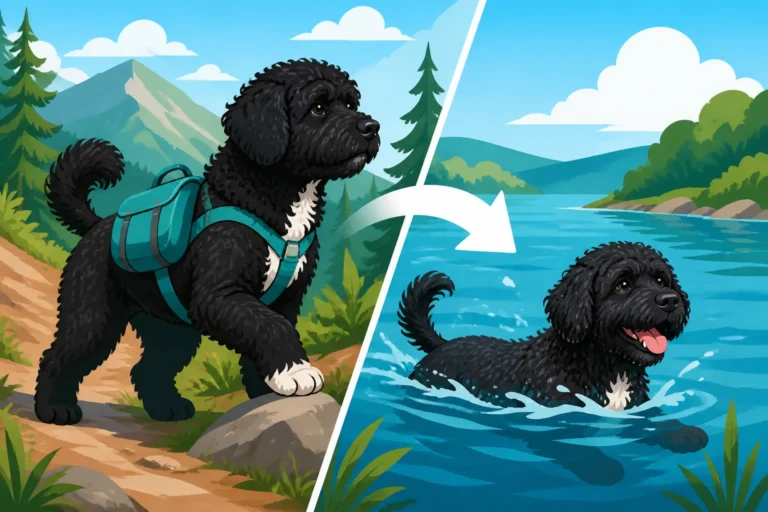
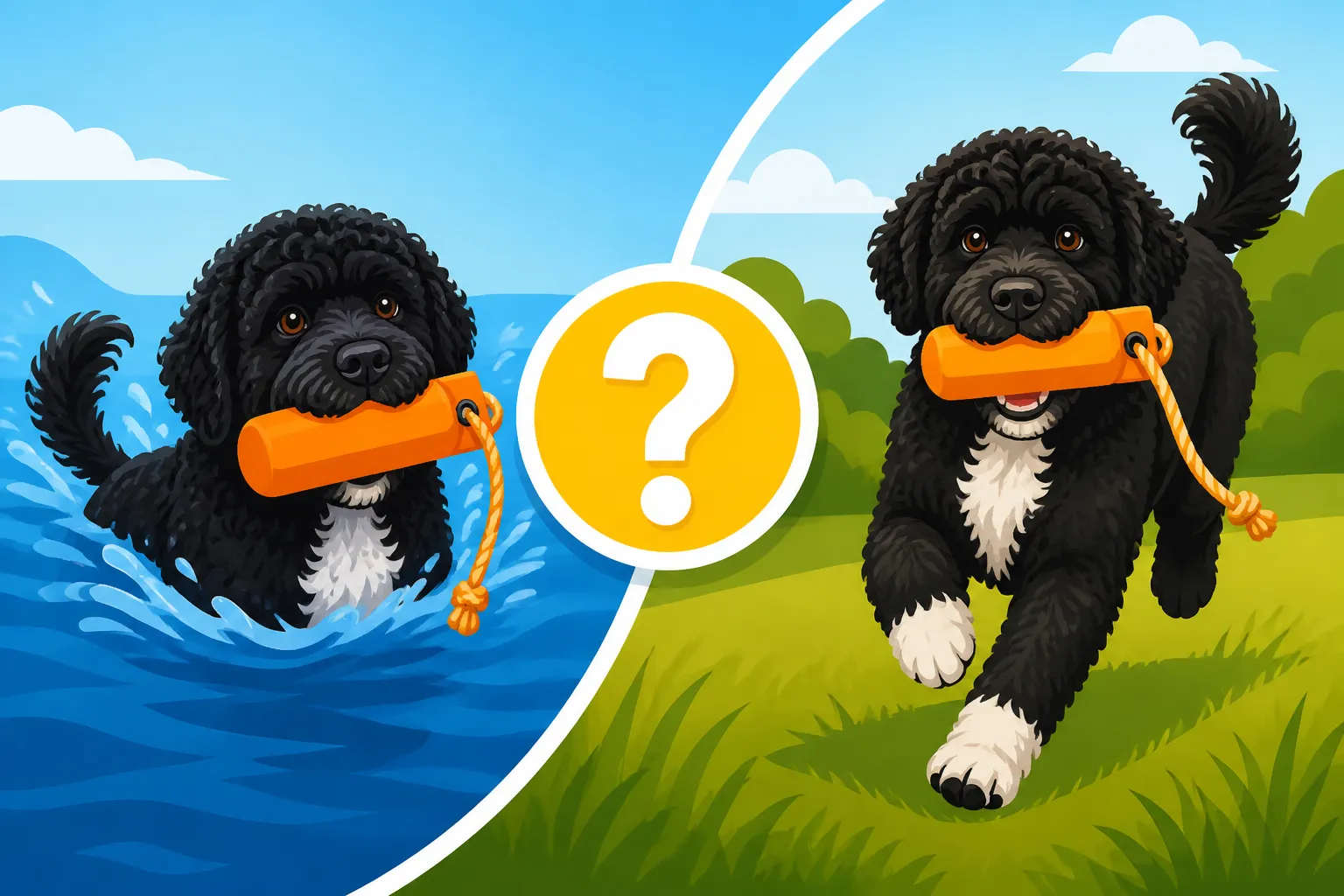
It’s a common misconception that because the Portuguese Water Dog was bred to work on boats, fetching is strictly a water-bound activity for them. You might be wondering if your PWD's incredible retrieving drive translates just as effectively to dry land. The good news is, absolutely! While their webbed feet and water-resistant coat make them aquatic superstars, their intelligent, eager-to-please nature and strong prey drive mean they are usually just as enthusiastic about retrieving a thrown toy from your backyard as they are a buoy from the ocean. This guide will delve into how and why your Portuguese Water Dog is a fantastic land retriever and how to foster those skills.
The Portuguese Water Dog's Innate Retrieving Drive
Anyone who has spent time with a Portuguese Water Dog knows they are bundles of energy and intelligence, always looking for a job to do. Their historical role was far more complex than just swimming; it involved actively engaging with their human partners to retrieve lost tackle, drive fish into nets, and even carry messages between boats. This isn't just a "water dog" instinct; it's a deep-seated desire to work and interact, making them excellent candidates for land-based retrieving activities.
The Retriever's Heart: More Than Just Swimming
Think about what makes a great retriever: keen senses, problem-solving ability, stamina, and a strong desire to bring an item back to its handler. Portuguese Water Dogs possess all these qualities in spades. Their ancestry as working dogs meant they had to be versatile, capable of performing tasks both in and out of the water. When you see your PWD eyeing that tennis ball you just threw, or perhaps bringing you a dropped sock, you're witnessing generations of selective breeding for a cooperative, retrieving spirit at play. It’s not simply about getting wet; it's about the partnership and the satisfaction of a job well done. This intrinsic motivation means that whether they are in a lake or a field, the drive to retrieve remains strong.
Prey Drive and What Motivates a Portuguese Water Dog
Every Portuguese Water Dog has a degree of natural prey drive, though it manifests differently in each individual. For many, this drive is channeled into a love for chasing and retrieving toys. This isn't about hunting small animals, but rather the instinct to pursue and "capture" a moving object, and then, crucially for a PWD, to return it to their human. This makes them highly trainable for games of fetch and other retrieving tasks on land. What motivates a Portuguese Water Dog often boils down to this combination of prey drive and a desire to please and engage with their owner. They thrive on interaction, and a good game of fetch is a fantastic way to bond and provide mental and physical exercise.
Training for Reliable Land Retrieves
While the instinct is there, a reliable land retrieve, especially in distracting environments, often requires consistent training and positive reinforcement. Your Portuguese Water Dog is smart, sometimes too smart for their own good, and they can sometimes "improvise" on your commands if you're not clear.
Starting with the Basics: "Fetch" and "Bring It"
Even if your PWD naturally brings things back, formalizing the retrieve with clear commands like "fetch" and "bring it" is crucial. Start in a low-distraction environment, like your living room or a fenced yard.
- Introduce the Toy: Start with a favorite toy, something they are already excited about. Show it to them, get them hyped up.
- The Toss: Toss the toy a very short distance. As they go for it, say "fetch!"
- The Return: The critical part is getting them to bring it back to you. As they pick it up, encourage them with enthusiastic praise. If they hesitate, gently call them or clap your hands.
- The "Give": Once they reach you, teach them to release the toy with a "give" or "drop it" command. Many PWDs are a bit possessive of their treasures, so be patient. Offer a high-value treat in exchange for the toy initially, then praise lavishly. Over time, the treat can be phased out, or the reward can simply be you tossing the toy again.
- Increase Distance Gradually: As they master the short retrieve, slowly increase the distance you throw the toy.
- Consistency is Key: Use the same commands every time and always reward their effort. Repetition builds strong habits. Consider an online program like BAXTER & Bella, which offers structured training guidance from puppyhood, including basic retrieving commands, that can be incredibly helpful for owners seeking consistent methods.
Dealing with Distractions and Challenges
Once your PWD understands the basics, you'll want to practice in increasingly distracting environments. A busy park, a friend's yard with other dogs, or even just your own garden with a squirrel running by – these are all opportunities to refine their skills.
- Proofing: This is the process of practicing a learned behavior in different locations, with different people, and around different distractions. If your PWD is easily distracted, start with very minor distractions and slowly build up.
- The "Runaway" PWD: Sometimes, a Portuguese Water Dog might pick up the toy and then decide to go on a joyful, independent romp with it, rather than returning. This is where a long line (easily found on Amazon) can be your best friend. Attach it to their harness during training sessions. When they grab the toy but start to run off, gently reel them back in while giving your "bring it" command. Reward them the moment they return.
- "Why a Portuguese Water Dog improvises instead of obeying": PWDs are intelligent and can be creative problem-solvers. This means if they don't understand why they should do something, or if they think their way is better, they might offer an alternative behavior. If your PWD is struggling with a retrieve, break it down into smaller steps, ensure your commands are clear, and always make it a positive, rewarding experience. They need to understand that returning the object to you is the most rewarding choice.
The Versatility of a Land-Retrieving Portuguese Water Dog
While their historical role was aquatic, the Portuguese Water Dog’s retrieving talents are incredibly adaptable. They can excel in various land-based activities that harness this natural drive, providing them with much-needed physical and mental stimulation.
Games and Activities Beyond Basic Fetch
A PWD's intelligence and energy mean they thrive on varied activities. Don't just stick to tossing a ball!
- Hide-and-Seek Fetch: Instead of throwing the toy, hide it in the yard and send your PWD to "find it" and bring it back. Start with easy hides and gradually make them more challenging. This engages their nose as well as their retrieving drive. This can easily segue into How a Portuguese Water Dog Can Do Scent Work.
- Disc Dog: Many PWDs love catching flying discs. This requires a bit more training for controlled jumps and catches but is an amazing outlet for their athleticism and focus.
- Agility with Retrieve: Incorporate a retrieve into an agility course. Have them navigate tunnels and jumps, then retrieve a toy from a designated spot and bring it to you at the finish line. How a Portuguese Water Dog Can Do Agility shows how they can master obstacle courses.
- Tug-and-Fetch: Combine a game of tug (a favorite for many PWDs) with a retrieve. Play tug, then release and throw the toy for them to fetch. This mixes high-energy play with controlled retrieval.
- Retrieve Races: If you have multiple dogs or are training with friends, set up a simple retrieve race, encouraging speed and focus.
| Land Retrieving Game | Description | Benefits for PWD |
|---|---|---|
| Classic Fetch | Tossing a ball or toy for the dog to bring back. | High energy output, builds basic command response, strengthens bond. |
| Hide-and-Seek Fetch | Hiding a toy and having the dog search for and retrieve it. | Engages scent work, problem-solving, mental stimulation, builds independence. |
| Disc Dog | Throwing a soft frisbee for the dog to catch in the air and return. | Excellent for athletic PWDs, improves coordination, high-impact exercise. |
| Tug-and-Fetch | Alternating between tugging a toy and throwing it for retrieval. | Satisfies natural mouthing instincts, teaches "drop it" with high reward, intense engagement. |
| Scent Retrieve | Having the dog find a specific scented object among others and retrieve it. | Advanced scent work, highly mentally stimulating, reinforces focused retrieving. |
Practical Applications and Enrichment
Beyond just games, a well-trained land retriever Portuguese Water Dog can be a helpful companion in daily life.
- Retrieving Dropped Items: Imagine dropping your keys or a remote control. A PWD trained to retrieve can be a lifesaver, bringing the item directly to you. This is especially useful as they age and their owners might find bending difficult.
- Helping with Chores (Fun Chores, Of Course!): Some PWDs can be taught to retrieve specific items from a basket or even help "put away" their toys. This turns mundane tasks into engaging games.
- General Enrichment: The act of retrieving, whether from land or water, fulfills a deep-seated need for purpose and engagement in a Portuguese Water Dog. It provides crucial mental stimulation, which is just as important as physical exercise. An under-exercised or under-stimulated PWD can develop undesirable behaviors, so channeling their energy into productive activities like retrieving is incredibly beneficial. They love having a "job," and fetching is a natural fit. Don't underestimate How long a Portuguese Water Dog will play fetch; they often have incredible stamina for this activity.
Nurturing the Land Retriever in Your Portuguese Water Dog
To truly get the most out of your Portuguese Water Dog's land retrieving abilities, it's not just about drills; it's about understanding their personality and needs. They are smart, sensitive, and thrive on partnership.
Understanding Their Preferences: Land vs. Water
While most PWDs love water, not every single one will have an equal passion for land and water retrieving. Some might show a slight preference for one over the other. Pay attention to your dog's enthusiasm. If they seem more engaged with a ball on dry land than chasing a toy in the pond, lean into that! Or vice versa. The key is to provide opportunities for both and see where their natural talents and joys lie. If you live somewhere without easy access to safe water, focusing on land retrieves ensures they still get that vital mental and physical workout their breed needs. Remember, a Portuguese Water Dog needs consistent engagement, and What a Portuguese Water Dog needs every day includes plenty of active playtime.
Building a Strong Bond Through Play
Retrieving, more than just a task, is a powerful bonding activity. It’s a cooperative game where you and your dog work together towards a common goal. This shared experience strengthens your relationship, builds trust, and helps your PWD see you as a source of fun and reward. This is why positive reinforcement is so critical – it makes the activity enjoyable and reinforces their desire to engage with you.
If you have a Portuguese Water Dog who loves to mouth everything, a controlled game of retrieve can actually be a great way to manage that instinct, giving them an appropriate outlet for carrying things. Why a Portuguese Water Dog puts everything in its mouth is a common question, and structured play is a positive answer. Just make sure the items they retrieve are safe and durable, especially if you're dealing with a strong chewer. You might find some excellent, indestructible fetch toys on Amazon that can withstand their enthusiasm.
The Importance of Variety and Consistency
To keep your Portuguese Water Dog engaged as a land retriever, variety is your friend. Don't just throw the same ball in the same spot every day. Change up the toys, the locations, and even the type of retrieve. Introduce new challenges, like retrieving from different textures (grass, pavement, sand) or objects of varying weights and shapes.
However, with variety, also comes the need for consistency in your commands and expectations. This balance will keep them sharp and prevent boredom. Your PWD is an intelligent dog, and they'll quickly pick up on inconsistencies, potentially leading them to become "too smart for their own good" or even just confused. Stick to your training principles, reward generously, and celebrate every successful retrieve, whether it's on land or diving into the cool water. Your Portuguese Water Dog is a capable, enthusiastic partner for any fetching adventure you embark on.
Disclaimer
This article is for general informational purposes only and does not constitute professional advice. Laws, prices and regulations vary by location and change over time. Consult a qualified professional for guidance on your specific situation.