What to Do About a Portuguese Water Dog That Refuses Water
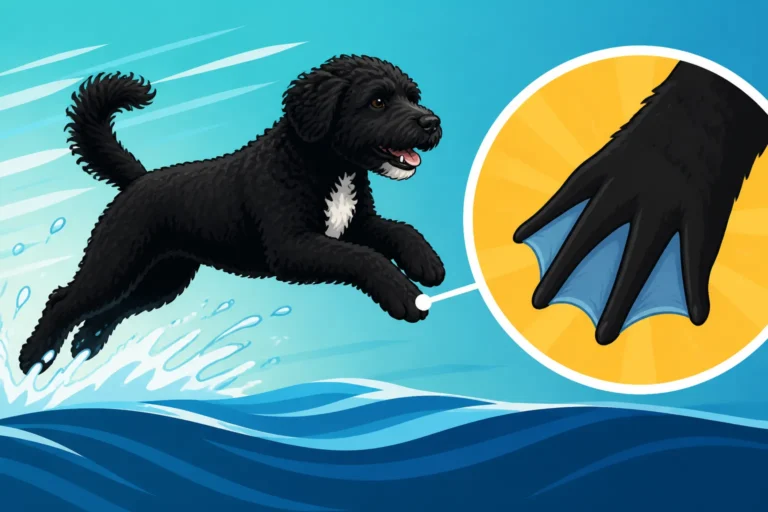
It’s a scenario that can truly baffle and sometimes even frustrate Portuguese Water Dog owners: you’ve got a breed renowned for its love of water, a dog practically born with webbed feet and a tail like a rudder, and yet… they want nothing to do with the pool, the lake, or even a simple splash pad. It goes against everything you’ve heard and read about them, and you might find yourself wondering if you have the only "dry-land PWD" in existence. This comprehensive guide will delve into the nuanced reasons why a Portuguese Water Dog might refuse water and, more importantly, equip you with empathetic, realistic, and effective strategies to help your dog discover (or rediscover) the joy of a good swim.
Unraveling the Mystery: Why Your PWD Might Shy Away from Water
When your Portuguese Water Dog gives water the cold shoulder, it’s easy to feel confused, especially given their ancestral history. But just like people, dogs have individual personalities, past experiences, and physical sensitivities that can shape their preferences. It’s never as simple as "they're a water dog, they should love it." Digging into the potential why is the first crucial step toward finding a solution.
Early Experiences and Socialization are Crucial
Think about a puppy's earliest days. While the breed as a whole has a genetic predisposition for water, that doesn't automatically translate to every single puppy leaping into the nearest pond without a second thought. A lot depends on how, or if, they were introduced to water during their critical socialization period. A breeder who gently introduces puppies to a shallow kiddie pool, making it a positive, playful experience, sets a wonderful foundation. On the other hand, a puppy who had limited or no exposure, or even a slightly intimidating first splash, might develop a lifelong aversion.
It’s not just about the water itself; it's the entire context. Were other dogs present, showing them the ropes? Was it a hot day, making the water inviting? Or was it chilly, startling, or loud? A Portuguese Water Dog puppy's personality also plays a role. Some are naturally bolder, others more cautious. Even with the best intentions, some individuals simply need a slower, more deliberate introduction than their boisterous littermates. This early foundation, or lack thereof, can significantly influence Teaching a Portuguese Water Dog Puppy to Enter Water and their long-term comfort with it.
Fear, Trauma, or Negative Associations
Sometimes, a single negative incident can completely change a dog's perception of water. It doesn't have to be a dramatic near-drowning experience; something as seemingly minor to us can be deeply traumatic for a sensitive Portuguese Water Dog. Imagine a puppy being accidentally knocked over by a wave, startling them badly, or perhaps a sudden loud noise occurring near a body of water. They don't always understand cause and effect the way humans do, so they might simply associate the scary event with "water" itself.
This negative association can be surprisingly strong and long-lasting. If a PWD feels unsafe, loses footing, or is caught in a strong current even briefly, their instinct to avoid that perceived danger will kick in. This fear can then generalize, meaning that a bad experience in a river might make them wary of all large bodies of water, or even the bathtub. It's not a choice; it's a learned survival mechanism. If you suspect a past trauma, understanding that fear, rather than dismissing it, is key to helping your dog regain confidence. Keep in mind that Whether Every Portuguese Water Dog Likes Water varies, and past experiences are a huge factor.
Discomfort, Pain, or Health Issues
This is an area often overlooked when a water-loving breed suddenly shies away. It’s entirely possible that your Portuguese Water Dog wants to engage with water but is experiencing physical discomfort or pain that makes it unpleasant or even impossible. Joint issues, for example, can make swimming painful, especially if entering or exiting the water involves jarring movements. Hips and Joints in a Portuguese Water Dog are a common concern in the breed, and while swimming is often good for joints, the act of getting in and out might not be.
Ear infections are another huge culprit. Portuguese Water Dogs, with their floppy ears and love of getting wet, are particularly prone to them. If a dog has an active ear infection, water getting into the ear canal can cause intense pain and discomfort. They'll quickly learn to associate water with that painful sensation, leading to avoidance. Why a Swimming Dog Gets Ear Infections is a question many PWD owners grapple with. Other less obvious issues could include skin irritations, uncomfortable mats in their coat that pull when wet, or even problems with their paws that make wet surfaces unpleasant. Always rule out medical causes first; a vet check-up is a wise step, especially if the aversion is new or sudden. Dogs are masters at hiding pain, so How a Portuguese Water Dog Hides Pain can be subtle.
Building Confidence: Gentle Approaches to Water Introduction
Once you have a better idea of why your PWD might be refusing water, you can start to implement a plan. The golden rule here is patience and positive reinforcement. Never, ever force your dog into the water. This will only backfire, deepening their fear and breaking their trust in you. Your goal is to make water a fun, rewarding, and completely voluntary experience.
Starting Small and Making it Positive
The journey back to water confidence (or building it for the first time) starts with baby steps. Forget the ocean or a deep lake for now; think miniature. A shallow kiddie pool in your backyard is an excellent starting point. Fill it with just an inch or two of lukewarm water, enough for them to dip their paws without feeling overwhelmed. Toss in some high-value treats or their absolute favorite floating toy. The idea is to create a positive association, a playful experience where they are in control.
You can even just sit beside the pool, talking to them in a calm, encouraging voice. If they just approach it, praise them. If they sniff it, praise them. If they touch a paw to the water, throw a party! Make every tiny step a victory. Keep these sessions short – five to ten minutes is plenty – and always end before they show signs of stress, leaving them wanting more. The goal isn't to get them swimming immediately, but to make the sight of the kiddie pool (or even a running sprinkler or a gently trickling hose) a precursor to good things.
Engaging Play and Positive Reinforcement
Play is a powerful motivator for Portuguese Water Dogs. Integrate water into their favorite games. If your dog loves to fetch, try throwing a buoyant toy like a rubber ball or a specific floating dummy near the water, then gradually closer to the edge, then just barely in the shallowest part. Let them retrieve it from the dry land first, then encourage them to wade in just a little to get it. Your presence is also key: if you’re comfortable, get into the water yourself (the shallow part, of course!) and splash around gently, making it look incredibly fun and inviting.
Use a happy, enthusiastic tone of voice and reward liberally with treats and verbal praise for any positive interaction with water. If you use a clicker in your training, now is a great time to employ it, marking the exact moment their paw touches the water or they lean in for a sniff. For high-value, motivating treats, consider options that are easily broken into small pieces for repeated rewards, like those offered by BAXTER & Bella. The key is to make water synonymous with joy, play, and delicious rewards. Remember, What Motivates a Portuguese Water Dog is often food, toys, and your approval!
Utilizing Gear and Tools for Success
Sometimes, a little help from the right gear can make all the difference in building confidence. One of the most important tools for a hesitant swimmer is a good quality life vest. A well-fitting life vest doesn't just offer safety; it provides buoyancy, making swimming much easier and less tiring. This can be a game-changer for a dog who might feel clumsy or struggle to stay afloat. Look for one with a strong handle on the back, which allows you to gently guide and support your dog in the water. You can find excellent options on Amazon, searching for "dog life vest with handle" to ensure you get one that is both secure and comfortable.
For pools or boats, a ramp designed for dogs can alleviate anxiety about entry and exit. Slippery edges can be terrifying for a dog, and a ramp provides a stable, easy way to get in and out, empowering them with control. Using a long line (a lightweight, non-absorbent leash several feet long) in a safe, controlled water environment can allow your dog to explore without feeling trapped or overwhelmed, while still giving you the ability to guide them. Remember to ensure that any gear you use is comfortable and doesn't cause any additional stress or irritation.
Addressing Specific Scenarios and Advanced Steps
Once your Portuguese Water Dog is comfortable with shallow water and positive associations are building, you can start to think about different environments and deeper swimming. The principles of gradual introduction and positive reinforcement remain paramount, but the challenges might shift depending on the type of water.
Navigating Different Water Environments
Each body of water presents its own unique set of sensory experiences and potential challenges for a dog.
-
Swimming Pools: While convenient, pools can be intimidating. The chlorinated water, the smooth, often slippery sides, and the distinct smell can be off-putting. Start by teaching your PWD where the steps or ramp are, consistently guiding them to that spot for entry and exit. Many dogs don't realize they can't just climb out anywhere. Always rinse your dog thoroughly after a pool swim to remove chlorine, as Whether Pool Chlorine Hurts a Portuguese Water Dog is a common concern for their skin and coat.
-
Lakes and Ponds: These natural environments offer varying depths, murky water, and often unexpected textures underfoot. Start in areas where the water is clear and shallow, and the entry is gradual and firm. If your PWD is still hesitant, focus on playing games from the very edge, retrieving toys that float just out of reach. Over time, as their confidence grows, they might venture deeper. Remember that different lakes can have different currents or depths, so always scout an area first. You can read more about How a Portuguese Water Dog Can Swim in a Lake safely.
-
Ocean/Sea: The ocean introduces waves, currents, and salty water, which can be overwhelming. Begin on calm days, when the tide is gentle and the waves are small. Walk along the wet sand, letting them get used to the sound and movement of the water. Let them paddle in the shallows. Never force them into the surf. After an ocean swim, a thorough rinse with fresh water is essential, as Whether Salt Water Hurts a Portuguese Water Dog's Coat can be an issue, leading to dryness or matting if not washed out.
Phased Introduction to Deeper Swimming
Once your PWD is comfortable wading and splashing, and ideally wearing a life vest, you can begin to introduce them to deeper water. A life vest is absolutely non-negotiable at this stage; it provides crucial support and reduces fatigue. You can find many excellent options on Amazon for dogs of all sizes. Gently encourage them into water where their feet no longer touch. Walk with them, holding the handle of their life vest for reassurance, but letting them do most of the work. If you're comfortable, swim beside them, making it a shared, positive experience.
Keep these early deeper water sessions brief. The goal is to build stamina and confidence, not to exhaust them. Always end on a high note, even if it's just a short paddle. Many Portuguese Water Dogs are natural swimmers, but some need to learn technique and build strength, much like people. The life vest helps them focus on the movement rather than the effort of staying afloat. Understanding When a Portuguese Water Dog Needs a Life Jacket is more about confidence and safety than just physical ability.
When to Consult a Professional
If you’ve tried all the gentle, positive reinforcement methods and your Portuguese Water Dog still shows extreme fear, anxiety, or outright refusal, it might be time to bring in professional help.
First and foremost, if you suspect any pain or underlying health issue, a visit to your veterinarian is paramount. They can perform a thorough examination, including checking for orthopedic issues, ear infections, or other conditions that might be contributing to the aversion. Ruling out physical discomfort is always the first step.
If physical causes are cleared, consider a certified professional dog trainer or a veterinary behaviorist who specializes in fear and anxiety. They can help you implement a structured desensitization and counter-conditioning protocol. This is a systematic approach to gradually exposing your dog to water in tiny, manageable steps, pairing each exposure with positive rewards, to change their emotional response from fear to indifference or even joy. This kind of nuanced training often requires the keen eye and experience of a professional to ensure it's done effectively and without accidentally reinforcing the fear. They can also offer specific advice on What a Portuguese Water Dog Needs Every Day for mental and physical enrichment, which can indirectly help build confidence in new situations.
| Challenge | Potential Underlying Reason | Solution Strategy | Key Tools/Tips |
|---|---|---|---|
| Puppy refuses water | Lack of early exposure, mild apprehension | Gentle kiddie pool introduction, positive play | Floating toys, high-value treats (e.g., BAXTER & Bella) |
| Adult dog avoids water | Negative past experience, fear | Desensitization, gradual positive reinforcement | Life vest, shallow entry points, calm handler |
| Sudden aversion to water | Underlying pain, ear infection, injury | Immediate vet check-up to rule out medical issues | (N/A – Medical focus) |
| Hesitation at deep water | Lack of confidence in swimming, fatigue | Start with shallow areas, use full body support | Life vest (e.g., from Amazon), short sessions |
| Fear of specific water type | Sensory overload, past negative experience | Controlled exposure to that type, reward bravery | Familiar toys, handler in water, safe entry |
| Dislikes getting wet | Skin irritation, matting, discomfort | Grooming to prevent mats, lukewarm water, gentle wash | Proper grooming tools, gentle shampoo |
Helping your Portuguese Water Dog overcome a fear or dislike of water requires immense patience, understanding, and a commitment to positive reinforcement. Remember, the goal isn't just to get them in the water, but for them to genuinely enjoy it, safely and confidently. By understanding their unique needs and approaching the situation with empathy, you can unlock the water-loving spirit that lies within most Portuguese Water Dogs. It's a rewarding journey for both of you, building trust and strengthening your bond with every gentle splash.
Disclaimer
This article is for general informational purposes only and does not constitute professional advice. Laws, prices and regulations vary by location and change over time. Consult a qualified professional for guidance on your specific situation.