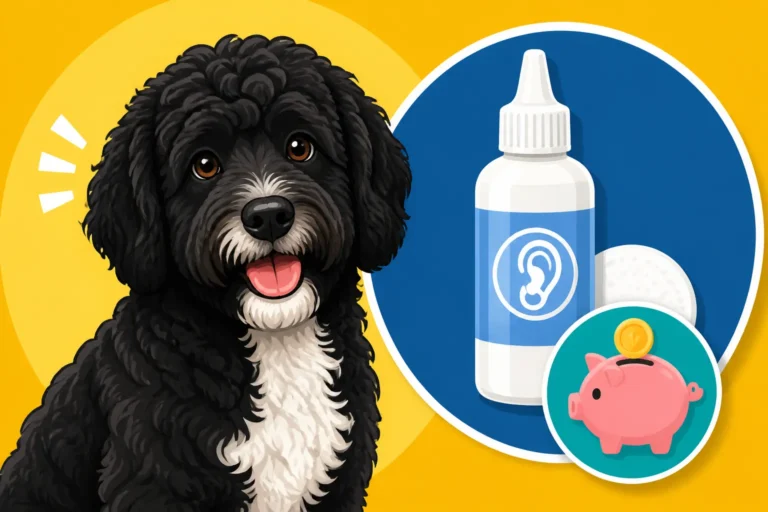
Whether an Improper Coated Puppy Is Sold Cheaper
It's completely understandable to feel a bit overwhelmed when you start looking into specific details about a Portuguese Water Dog puppy, especially when terms like "improper coat" pop up. You might be wondering if this affects the price tag, and more importantly, what it even means for the dog's life and your experience as an owner. This guide will walk you through what an improper coat is, why it might influence a puppy's cost, and what it truly means for the health and happiness of your beloved PWD.
Understanding the Portuguese Water Dog Coat Standard
When we talk about a Portuguese Water Dog's coat, we're usually picturing that iconic dense, water-repellent hair that doesn't shed much and can be either wavy or curly. This unique coat is a hallmark of the breed, a direct result of their historical role working on fishing boats in Portugal's coastal waters. It was designed to protect them from the elements, allowing them to dive and retrieve without getting waterlogged or too cold.
What is an Improper Coat?
An "improper coat," often abbreviated as IC, is essentially a deviation from the breed's accepted coat type. Instead of the characteristic non-shedding, single layer of curly or wavy hair, an improper coat often presents as a softer, thinner, or even double coat, much like what you'd find on a Labrador or a Golden Retriever. This type of coat will shed, sometimes quite a bit more than a standard PWD coat, and it won't have the same protective qualities in water that the traditional coat does.
Genetically, it's pretty straightforward: the improper coat is caused by a recessive gene. This means a puppy needs to inherit a copy of the gene from both parents to express an improper coat. Two parents with proper coats can carry the gene and, if both are carriers, can produce puppies with improper coats. Which Gene Causes Improper Coat in a Portuguese Water Dog This is why responsible breeders run DNA tests to understand their dogs' genetic makeup and make informed breeding decisions. It's a genetic trait, not a health condition, and the puppy is otherwise a perfectly normal, healthy Portuguese Water Dog in every other aspect. Improper Coat in a Portuguese Water Dog Is Genetic, Not Illness
The Difference Between Proper and Improper Coats
The primary difference lies in function and appearance. A proper Portuguese Water Dog coat, whether curly or wavy, is designed to be a working coat. It's dense, repels water, and grows continuously, which is why it requires regular grooming to prevent matting but sheds very little. What a Portuguese Water Dog's Coat Is Made Of This is also what makes the breed often suitable for people with allergies.
An improper coat, on the other hand, will generally lack that density and water resistance. It might feel softer, be prone to shedding, and won't have the same "hypoallergenic" qualities. Visually, What an Improper Coated Portuguese Water Dog Looks Like it often looks shaggier, less uniform, and may not form the tight curls or distinct waves that are characteristic of the breed. This isn't just about aesthetics; it means the dog might not be as well-suited for extensive water work or extreme cold water conditions without additional protection like a vest, because their coat won't provide the same natural insulation.
Why Pricing Differs for an Improper Coated Puppy
The price of a Portuguese Water Dog puppy is influenced by many factors, including the breeder's reputation, health testing, lineage, and geographic location. When an improper coated puppy enters the picture, its price often deviates from that of its proper-coated littermates.
Breed Standard and Show Potential
One of the biggest reasons for a price difference is that an improper coat is considered a fault under the breed standard. This means a dog with an improper coat cannot be shown in conformation events, which are competitions judging dogs against their breed standard. For breeders who are focused on producing show-quality dogs or perpetuating the breed standard, a puppy with an improper coat, while still beloved, doesn't meet their breeding goals for the conformation ring.
Reputable breeders invest heavily in their breeding programs, covering the costs of extensive health testing for genetic diseases, showing their dogs to achieve titles, and providing top-notch care for their dams and puppies. Why a Fully Tested Portuguese Water Dog Litter Costs More When a puppy is born with an improper coat, it immediately reduces its "value" in terms of contributing to the show world or a future breeding program, even though its temperament and health are likely excellent. Therefore, these puppies are typically sold as companion pets on a spay/neuter contract, usually at a lower price point. This allows them to find wonderful homes without detracting from the breeder's primary goal of producing dogs that meet the breed standard.
Demand and Market Perceptions
Let's be realistic: many prospective Portuguese Water Dog owners are specifically seeking the breed for its low-shedding qualities and distinctive coat type, often due to allergies or simply a preference for less dog hair around the house. When a puppy has an improper coat, it means it will shed, and it won't have that classic PWD look. This can significantly reduce the demand for these puppies compared to their proper-coated siblings.
Think of it like this: if you're set on a specific car model for its unique features, and then one comes along without those features, you might expect a different price. While an improper coated PWD is still a fantastic dog, it doesn't align with the aesthetic or practical expectations many people have for the breed. Breeders understand this market dynamic and often adjust the price to reflect the decreased demand and the fact that these puppies won't be suitable for showing or breeding.
Ethical Breeding Practices and Transparency
A responsible breeder will be completely transparent about a puppy's coat type, especially if it's an improper coat. They should be able to provide you with the DNA test results for the improper coat gene, often through labs like OptiGen or others, confirming the genetic status of both parents and the puppy. This transparency is crucial. If a breeder is hiding an improper coat or not discussing it openly, it's a huge red flag. What a Cheap Portuguese Water Dog Puppy Signals
An ethical breeder prioritizes placing healthy, well-socialized puppies in suitable homes, regardless of coat type. They will educate potential buyers on what an improper coat means for grooming, shedding, and overall care, ensuring that the new owner is fully prepared and happy with their choice. They might offer these puppies at a reduced price not because they are "inferior," but because they don't fit the show or breeding standard, and their goal is to find them a loving pet home.
The Health and Lifestyle of an Improper Coated Portuguese Water Dog
It’s easy to get caught up in coat appearance, but it’s vital to remember that an improper coat is a cosmetic difference, not a health defect. These dogs are just as robust and active as their proper-coated relatives.
Health Considerations: No Difference!
This is where we really need to emphasize the good news: an improper coat has absolutely no bearing on a Portuguese Water Dog's health. A puppy with an improper coat is just as likely to be healthy as one with a perfect curly or wavy coat, assuming the parents underwent the same rigorous health testing for other breed-specific conditions. Whether an Improper Coated Portuguese Water Dog Is Healthy
All the genetic health clearances that responsible breeders perform – tests for conditions like Juvenile Dilated Cardiomyopathy (JDCM), GM1 Gangliosidosis, progressive retinal atrophy (PRA), and hip and elbow dysplasia – are just as important for improper-coated puppies as they are for proper-coated ones. These tests screen for actual health issues, not cosmetic traits. So, when considering an improper-coated puppy, focus on the health clearances of its parents and the breeder's overall commitment to health. A puppy with an improper coat, but from fully health-tested lines, is a much better choice than a proper-coated puppy from untested parents. This is where comprehensive pet insurance like Healthy Paws can give you peace of mind, covering unexpected illnesses or injuries regardless of your dog's coat type.
Grooming Differences
While improper coated PWDs are still low-maintenance compared to, say, a Poodle, their grooming needs are different from a standard PWD. They will shed, so you might find more hair around your home, though often not to the extent of a heavy-shedding breed like a German Shepherd. Regular brushing will still be necessary to manage shedding and prevent matting, especially if their coat is on the longer, softer side.
The famous "lion clip" or even the more common "retriever clip" for a PWD are designed for the breed's characteristic coat. What an Improper Coated Portuguese Water Dog Looks Like An improper coat might not hold these clips in the same way, or the aesthetic might not be quite what you'd expect. Many owners of improper-coated PWDs simply keep their dogs in a practical, shorter trim that's easy to maintain at home. You'll still need quality grooming tools, which you can easily find on sites like Chewy, whether you're dealing with a curly, wavy, or improper coat.
Here's a quick comparison of coat types:
| Feature | Proper Curly/Wavy Coat | Improper Coat (IC) |
|---|---|---|
| Shedding Level | Minimal to none | Moderate (will shed) |
| "Hypoallergenic" | Generally considered | Less reliably so |
| Water Repellency | High, protects from elements | Lower, may absorb more water |
| Show Ring Eligibility | Yes (conformation) | No (considered a fault) |
| Grooming Frequency | Regular clipping/brushing to prevent matting | Regular brushing to manage shedding; clipping for tidiness |
| Health Implications | None related to coat type | None related to coat type |
| Typical Puppy Price | Standard breeder price | Often offered at a lower price |
Temperament and Activity Level
Beyond the coat, an improper-coated Portuguese Water Dog is 100% a Portuguese Water Dog. They will have the same vibrant, intelligent, energetic, and sometimes mischievous personality that the breed is known for. These dogs were bred to work closely with humans and demand a "job" or plenty of mental and physical stimulation. A Portuguese Water Dog Was Bred to Work a Boat, Not a Yard
Expect the same high energy drive, the need for consistent training, and a deep desire to be part of family activities. They will love swimming, retrieving, and engaging in various dog sports. Their intelligence means they learn quickly but can also be quite clever at getting their own way if not given clear boundaries and consistent leadership. So, if you're looking for an active, intelligent, and loyal companion, an improper-coated PWD will fit right in. Providing them with high-quality nutrition, perhaps from a fresh food provider like Ollie, can help fuel their energetic lifestyle, regardless of their coat type. Feeding an Athletic Portuguese Water Dog
Making an Informed Decision About a Portuguese Water Dog Puppy
Choosing a puppy is a big commitment, and it's essential to consider all aspects, not just the initial cost or appearance. An improper coated PWD can be an absolutely wonderful companion for the right family.
Prioritizing Health and Temperament Over Coat
When searching for any Portuguese Water Dog, the absolute top priorities should always be health and temperament. A responsible breeder will prioritize these above all else. They will openly share health clearances for both parents, discuss the personalities of the puppies, and ensure they are well-socialized. Which Health Tests a Portuguese Water Dog Breeder Should Run
An improper coat is simply a genetic trait that impacts appearance and shedding, not the dog's inner qualities. If a puppy has a fantastic temperament, comes from health-tested lines, and bonds with you, the coat type becomes far less important than the joy and companionship they will bring to your life. Focus on finding a puppy that is a good fit for your lifestyle and family, regardless of whether its coat is deemed "perfect" by breed standards.
What to Ask a Breeder
Don't hesitate to ask a potential breeder direct questions about improper coats. A good breeder will be prepared to discuss it openly. Here are some questions you might consider:
- "Are you DNA testing for improper coat (IC) in your breeding dogs?"
- "Have you had any improper coated puppies in previous litters, and what was your experience with them?"
- "If an improper coated puppy is born, how do you handle its placement?"
- "What are the grooming requirements for an improper coated PWD from your lines?"
- "Can I see the DNA results for the parents' IC status?"
A breeder who is honest and knowledgeable about this trait is a good sign of their integrity and commitment to the breed's health. If you are specifically looking for a lower-priced puppy, asking about improper coated puppies can be a legitimate way to find a wonderful pet that might be offered at a different price point, while still supporting an ethical breeder. Whether an Improper Coated Puppy Is Sold Cheaper
Long-Term Commitment
Remember, bringing a Portuguese Water Dog into your home is a commitment that spans The Twelve to Fifteen Years a Portuguese Water Dog Gets. Whether your dog has a curly, wavy, or improper coat, it will require the same dedication to exercise, training, socialization, and veterinary care. The initial price of the puppy is only a small fraction of the total lifetime cost of ownership. Whether a Portuguese Water Dog Is Expensive to Own What truly matters is the bond you build and the love you share. An improper coated PWD is every bit as deserving of a loving home and will return that love tenfold.
Disclaimer
This article is for general informational purposes only and does not constitute professional advice. Laws, prices and regulations vary by location and change over time. Consult a qualified professional for guidance on your specific situation.