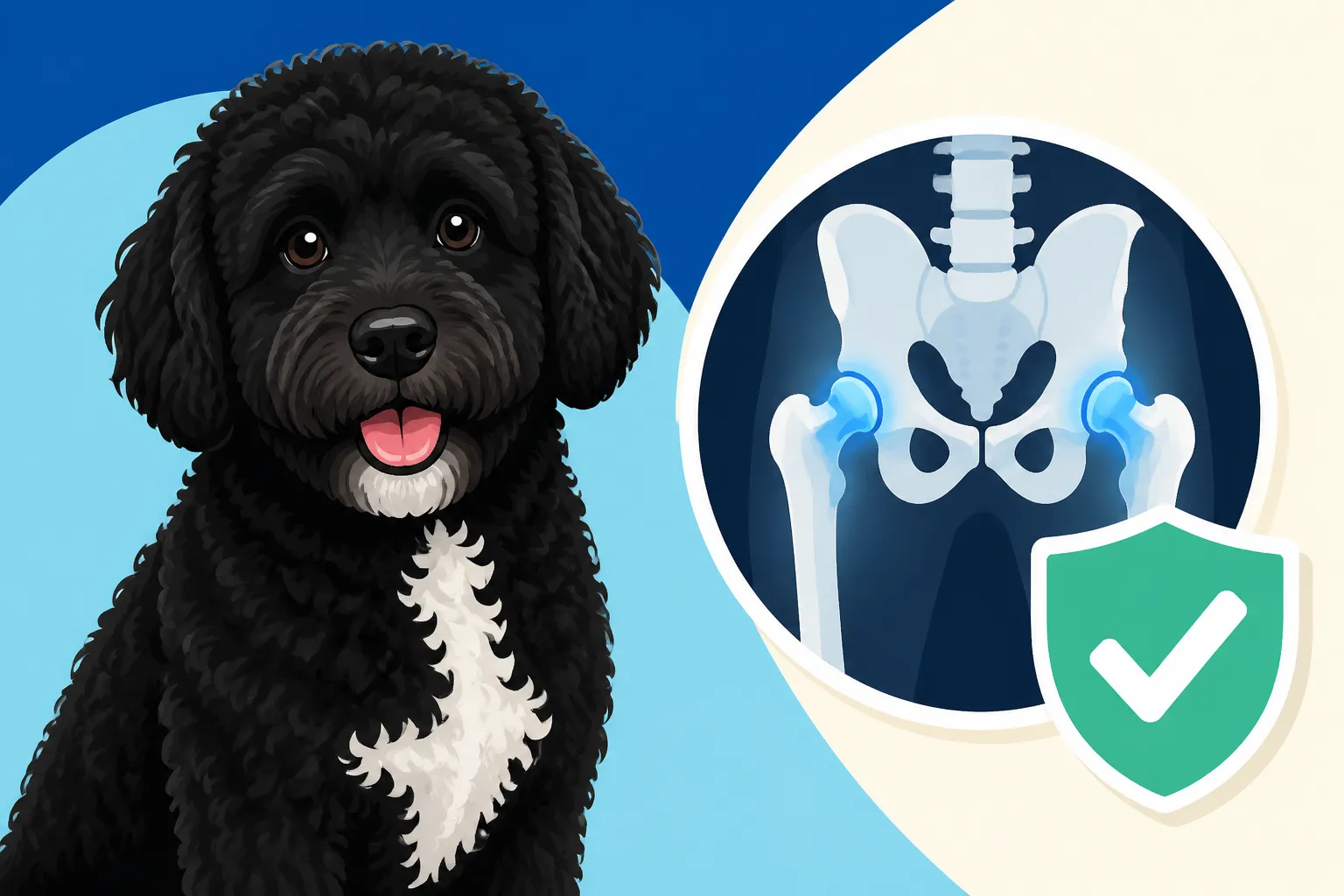
Whether Hip Dysplasia Is Excluded on a Portuguese Water Dog
One of the most heart-wrenching worries for any Portuguese Water Dog owner is the potential for debilitating health issues, especially those affecting mobility and quality of life. Among these, hip dysplasia stands out as a significant concern, often bringing with it the added stress of substantial veterinary bills. Many people wonder if their pet insurance will truly be there when these issues arise, specifically asking if hip dysplasia is automatically excluded from coverage. This guide aims to demystify pet insurance policies regarding hip dysplasia, helping you understand how these conditions are handled and how to best prepare financially for your beloved PWD.
Understanding Hip Dysplasia in Portuguese Water Dogs
Hip dysplasia is a term that strikes fear into the hearts of many dog owners, and for good reason. It's a common orthopedic condition, particularly prevalent in medium to large breeds like our active and agile Portuguese Water Dogs, and it can significantly impact their quality of life. Understanding what it is and why PWDs are susceptible is the first step toward managing this concern.
What is Hip Dysplasia?
At its core, hip dysplasia is a developmental disorder of the hip joint. Instead of the femur (thigh bone) fitting snugly into the pelvis's acetabulum (hip socket), the joint develops abnormally, leading to a loose or lax fit. This instability means the ball and socket don't grow at the same rate or align correctly, causing excessive wear and tear on the cartilage and bone surfaces. Over time, this abnormal movement damages the joint, leading to painful degenerative joint disease, or osteoarthritis.
Imagine a door that doesn't quite fit its frame – every time you open and close it, it grinds and scrapes, slowly damaging both the door and the frame. That's essentially what happens with a dysplastic hip. The body tries to compensate by laying down new bone, which often leads to painful spurs and further limits motion. It's a progressive condition, meaning it often worsens over time, especially without intervention, leaving dogs in chronic pain and with reduced mobility.
Why PWDs Are at Risk
Portuguese Water Dogs, while generally robust and healthy, are among the breeds identified as being at a higher risk for developing hip dysplasia. This isn't a flaw in the breed itself, but rather a genetic predisposition shared by many dogs with their size and athletic build. Their ancestors were working dogs, bred for endurance and powerful swimming, requiring strong, functional joints. Unfortunately, like many purebreds, certain genetic lines can carry traits that lead to conditions such as hip dysplasia.
Responsible breeders are acutely aware of this risk and take significant steps to minimize it within their breeding programs. This includes rigorous health clearances for parent dogs, often involving certifications from organizations like the Orthopedic Foundation for Animals (OFA) or PennHIP evaluations, which assess hip joint conformation. If you're considering a PWD, it's crucial to understand Hip Dysplasia in a Portuguese Water Dog and to ask breeders about their practices to prevent it, ensuring you’re getting a puppy from parents with excellent hip scores.
Recognizing the Signs and Diagnosis
Detecting hip dysplasia can sometimes be challenging because the severity of clinical signs doesn't always correlate with the radiographic evidence. Some dogs with severe dysplasia might show minimal discomfort, while others with mild changes can be in considerable pain. Common signs to watch for in your Portuguese Water Dog include a reluctance to jump, run, or climb stairs, a noticeable lameness or limp, stiffness, especially after rest, or an unusual "bunny hopping" gait where both hind legs move together. They might also show a decreased range of motion in their hips or even a loss of muscle mass in their hindquarters.
If you observe any of these signs, particularly as your PWD puppy grows, it's vital to consult your veterinarian promptly. Diagnosis typically involves a thorough physical examination, where the vet will manipulate the hips to check for pain, instability, and range of motion. The definitive diagnosis, however, comes from X-rays of the hips. These radiographs allow the veterinarian to visualize the hip joints and assess their conformation, looking for signs of laxity, shallow sockets, or degenerative changes. It’s important to know When a Portuguese Water Dog Should Be X Rayed, as timing can be critical for both diagnosis and potential insurance coverage. Early diagnosis allows for a broader range of management options, from conservative care to surgical intervention, often with better long-term outcomes.
The Nuances of Pet Insurance Coverage
Pet insurance can be a financial lifeline when unexpected veterinary expenses arise, but it’s essential to understand its workings. Many owners assume all future health issues will be covered, only to be surprised by exclusions. This is particularly true when it comes to chronic or hereditary conditions like hip dysplasia.
How Pet Insurance Generally Works
At its core, pet insurance is designed to help offset the costs of veterinary care, much like human health insurance. Most policies operate on a reimbursement model: you pay your vet directly, then submit a claim to your insurance provider for reimbursement. The amount you get back depends on several factors: your deductible, your reimbursement percentage, and any annual limits. A deductible is the amount you must pay out-of-pocket before your insurance starts paying. For example, if you have a $500 deductible, you pay the first $500 of eligible vet bills.
Once your deductible is met, your reimbursement percentage kicks in. If your policy has an 80% reimbursement rate, the insurer pays 80% of the remaining eligible costs, and you pay the other 20% (this is your co-insurance). Most policies also have an annual limit, which is the maximum amount the insurance company will pay out in a policy year. It’s crucial to thoroughly review a policy’s terms, as not all plans are created equal, and their structures can significantly impact your out-of-pocket costs.
Common Exclusions in Policies
While pet insurance offers a safety net, it's important to be aware of what it typically does not cover. Standard exclusions often include routine or preventive care like vaccinations, flea and tick prevention, and annual check-ups, unless you purchase a separate wellness rider. Pre-existing conditions are almost universally excluded from accident and illness policies. This is the big one we need to dive deeper into concerning hip dysplasia.
Other common exclusions might include cosmetic procedures (like tail docking or ear cropping, which aren't relevant for PWDs anyway), elective procedures not deemed medically necessary, and sometimes, even specific hereditary or congenital conditions if not managed correctly from an insurance perspective. It's not about the breed being excluded entirely, but rather how and when a condition manifests in that particular dog. Every policy document will list its exclusions clearly, so reading the fine print is paramount.
Types of Coverage for Orthopedic Issues
When it comes to orthopedic concerns like hip dysplasia, the type of insurance plan you choose matters immensely. Accident-only policies, as the name suggests, will only cover injuries resulting from accidents, such as a broken leg from being hit by a car. They will not cover illnesses or chronic conditions, making them unsuitable for addressing hip dysplasia.
Accident and illness plans are the most comprehensive and are what you need if you want coverage for hip dysplasia. Even within these plans, there can be variations. Some might have specific waiting periods for orthopedic conditions that are longer than general illness waiting periods. For instance, while a general illness might have a 14-day waiting period, orthopedic issues like hip dysplasia or cruciate ligament tears could have a 6-month waiting period. This is designed to prevent owners from buying insurance only when they suspect an issue is developing. Additionally, some insurers might offer specific riders or endorsements for hereditary or congenital conditions, but this typically means covering them if they develop after enrollment and waiting periods, not if they are pre-existing.
Pre-Existing Conditions and Hip Dysplasia
This is the crux of the matter for many Portuguese Water Dog owners. The term "pre-existing condition" is perhaps the most critical concept to grasp when considering pet insurance for hip dysplasia. It's where many well-intentioned owners find themselves without coverage when they need it most.
Defining "Pre-Existing Condition" for Insurance
In the world of pet insurance, a "pre-existing condition" generally refers to any illness or injury that showed signs, symptoms, or was diagnosed before your policy's effective date or during its waiting periods. This definition is broader than many people realize. It's not just about a formal diagnosis from a veterinarian; it can also include any observable symptom, even if you, as the owner, didn't fully recognize its significance at the time, or if your vet hadn't yet made a definitive diagnosis.
For example, if your Portuguese Water Dog puppy was occasionally limping or seemed stiff after playing for a few weeks before you enrolled them in a policy, and then later received a hip dysplasia diagnosis, the insurance company might consider that limp a "sign" of a pre-existing condition, even if the condition wasn't formally diagnosed until after the waiting period. This is where veterinary records become incredibly important – insurers will request them to determine the timeline of symptoms and diagnoses. The challenge with conditions like hip dysplasia is that they can be insidious, with subtle signs appearing long before a clear diagnosis. Furthermore, many policies will consider bilateral conditions (those affecting both sides of the body, like both hips) as one condition. So, if one hip shows signs of dysplasia before coverage, the other hip might also be excluded, even if it hasn't yet shown clinical symptoms.
How Hip Dysplasia Becomes a Pre-Existing Condition
Hip dysplasia becomes a pre-existing condition if there's any record of symptoms, diagnoses, or even suspected issues in your Portuguese Water Dog's veterinary history before your pet insurance policy goes into effect or during the mandatory waiting period. This is why timing your enrollment is so crucial. If you get a puppy and wait until they're a year old and start limping before you buy insurance, it's highly probable that any hip dysplasia diagnosis will be deemed pre-existing.
Consider this hypothetical scenario: you bring home your adorable Portuguese Water Dog puppy at 10 weeks old. At 14 weeks, you notice a slight bunny hop when they run, and mention it casually to your vet during a vaccine visit, who records "occasional hindlimb lameness noted by owner." You then decide to purchase pet insurance when the puppy is 16 weeks old, and the policy has a 30-day waiting period for illnesses and a 6-month waiting period for orthopedic conditions. At 8 months old, your PWD is officially diagnosed with hip dysplasia. Because that initial observation of lameness was recorded before the policy's waiting periods were satisfied, the hip dysplasia would almost certainly be classified as pre-existing, and subsequent treatment costs would be excluded. This can be devastating financially, especially if you were relying on the insurance.
The Lookback Period
To determine if a condition is pre-existing, pet insurance companies often employ what's called a "lookback period." This is a specific timeframe, usually ranging from 6 to 12 months (though it can vary), that the insurer will examine your pet's veterinary records prior to the policy's effective date. They are looking for any evidence of symptoms, diagnoses, or treatments related to the condition for which you are filing a claim.
For hip dysplasia, this lookback period is critical. Even if your Portuguese Water Dog wasn't formally diagnosed with hip dysplasia during the lookback period, if their vet records indicate any symptoms that could be related—like stiffness, limping, reluctance to exercise, or pain on palpation of the hips—the insurance company might deny coverage. This is why thorough, complete veterinary records from the moment you acquire your PWD are so important. They provide a clear timeline for the insurance company to assess whether the condition existed before your coverage truly began. This period means that even if you believe your dog is perfectly healthy, waiting too long to get coverage could still put you at a disadvantage if subtle, unrecognised signs were present in the past.
Navigating Insurance with a Portuguese Water Dog
For Portuguese Water Dog owners, getting ahead of potential health issues with insurance is a smart move. But knowing when and how to enroll, and what questions to ask, can make all the difference in whether your policy truly provides the coverage you expect for conditions like hip dysplasia.
The Critical Window for Enrollment
The single most impactful action you can take to ensure hip dysplasia is covered by pet insurance is to enroll your Portuguese Water Dog as a young puppy, ideally before any veterinary records show even the slightest hint of joint issues. The moment you bring your healthy puppy home is the critical window. By enrolling early, before any signs or diagnoses emerge, you dramatically increase the chances that future hip dysplasia treatments will be covered (after any waiting periods are fulfilled, of course). This proactive approach bypasses the "pre-existing condition" exclusion for new conditions that develop after coverage begins.
Remember that even seemingly minor observations recorded by your vet, like "slight lameness" or "stiff after exercise," can later be used to classify a condition as pre-existing. Don't wait until your Portuguese Water Dog is showing subtle signs of slowing down or favoring a leg. Enroll them when they are healthy and young. It's also important to be aware of the specific waiting periods for orthopedic conditions, which, as mentioned earlier, are often longer than for general illnesses. While general waiting periods might be 14-30 days, orthopedic waiting periods for issues like hip or elbow dysplasia can sometimes extend to 6 months or even a year. Understanding When a Portuguese Water Dog Should Be Insured will significantly influence the scope of your coverage.
Comparing Insurance Providers
Not all pet insurance providers are created equal, especially when it comes to covering hereditary conditions in breeds like the Portuguese Water Dog. It pays to do your homework and compare policies from multiple reputable companies. Look for plans that have transparent definitions of pre-existing conditions and clear explanations of their waiting periods, particularly for orthopedic issues. Some companies might have slightly different interpretations or offer more flexibility if a condition is deemed "curable" (though hip dysplasia is not typically considered curable, rather manageable).
For example, a popular provider like Healthy Paws generally excels in comprehensive coverage for accidents and illnesses, but like most, they adhere strictly to pre-existing condition exclusions. Understanding their specific terms on hereditary conditions and how they interpret vet records is crucial. You might also explore platforms like Chewy, which often partners with various pet insurance providers or offers their own plans, allowing you to compare options side-by-side. When comparing, pay close attention to deductibles, reimbursement percentages, annual limits, and whether they offer unlimited payouts, which can be invaluable for chronic conditions requiring lifelong management.
What to Ask Before You Buy
Before committing to a pet insurance policy for your Portuguese Water Dog, arm yourself with specific questions to ensure you understand exactly what you're buying. Don't rely on assumptions. Directly ask the insurance representative about their policy on hip dysplasia coverage. Key questions should include:
- "What is your definition of a pre-existing condition, specifically concerning hip dysplasia?"
- "What is the waiting period for hip dysplasia or other orthopedic conditions?"
- "What is your 'lookback period' for medical records, and how does it apply to hip dysplasia?"
- "If my dog shows a minor, non-specific symptom (like a slight limp) before enrollment but is only diagnosed with hip dysplasia later, how would that be handled?"
It’s always a good idea to request a sample policy document to read thoroughly. This allows you to review the terms and conditions in detail, understanding the fine print without sales pressure. Being proactive and informed now can prevent significant financial heartache down the road, ensuring your Portuguese Water Dog has access to the best care if hip dysplasia ever becomes a reality. This due diligence can also inform your budget, as understanding potential out-of-pocket costs, even with insurance, is vital for long-term ownership, especially if you consider the total expenses over a dog's lifetime, such as What a Portuguese Water Dog's Lifetime Addisons Bill Runs for another common PWD ailment.
Alternative Approaches to Managing Costs
Even with the best intentions, sometimes pet insurance doesn't cover everything, or you might find yourself with a Portuguese Water Dog whose hip dysplasia is deemed pre-existing. In such cases, it's vital to have alternative strategies in place to manage the significant costs associated with this condition and to focus on preventative care.
The Importance of a Health Guarantee and Breeder
One of the most powerful safeguards against hip dysplasia, beyond insurance, comes from choosing a responsible breeder. A reputable Portuguese Water Dog breeder will be transparent about the health history of their breeding stock and will have performed comprehensive health screenings on both parents. This includes certifications for hips from organizations like the OFA (Orthopedic Foundation for Animals) or PennHIP evaluations, which assess hip joint laxity. You should always ask to see these official results, not just a breeder's word. Remember, it's critical to choose a breeder who runs the full panel of recommended health tests, as outlined in articles like Finding a Portuguese Water Dog Breeder Who Runs the Full Panel.
Furthermore, many ethical breeders offer a health guarantee as part of their puppy contract. This guarantee typically covers genetic health conditions, including severe hip dysplasia, for a specified period (e.g., up to two years of age). While the specifics vary, a good guarantee might offer a partial refund, a replacement puppy, or assistance with veterinary costs if a covered condition like hip dysplasia is diagnosed. This serves as an important layer of financial and ethical protection. When you’re vetting a breeder, make sure to ask Whether a Portuguese Water Dog Breeder Certifies Hips and Elbows to understand their commitment to healthy lineage.
Building an Emergency Fund
For those who opt not to purchase pet insurance, or whose Portuguese Water Dog's hip dysplasia is explicitly excluded, an emergency fund becomes absolutely indispensable. Treating hip dysplasia can involve a range of interventions, from conservative management to costly surgical procedures. Conservative management often includes pain medication, anti-inflammatory drugs, joint supplements, physical therapy, and lifestyle modifications, which can accrue significant monthly costs over your dog's The Twelve to Fifteen Years a Portuguese Water Dog Gets.
Surgical options, such as Femoral Head Ostectomy (FHO) or Total Hip Replacement (THR), are far more expensive. Surgical costs, including pre-operative diagnostics, the surgery itself, post-operative care, and rehabilitation, can run into the thousands. Knowing What Hip Surgery Costs on a Portuguese Water Dog is crucial for setting a realistic savings goal for your emergency fund. Brands like Ollie, known for their fresh, human-grade dog food, can play a role here too. While food alone won't cure hip dysplasia, a high-quality diet provides essential nutrients that support overall health, including joint health, potentially aiding in weight management and reducing inflammation, which are crucial for dogs managing orthopedic conditions. Consider it a preventative measure through nutrition, reducing other health issues that might compound an already existing joint problem.
Preventative Care and Lifestyle
Beyond financial planning, proactive preventative care and a healthy lifestyle are paramount for any Portuguese Water Dog, especially concerning joint health. Maintaining an ideal weight is perhaps the most critical factor in preventing or mitigating the severity of hip dysplasia. Excess weight puts immense strain on already compromised joints, accelerating degeneration and increasing pain. Regularly monitoring What an Adult Portuguese Water Dog Should Weigh and adjusting their diet and exercise accordingly is non-negotiable.
Appropriate exercise is also key. While PWDs are energetic, high-impact activities should be managed carefully, especially in puppies whose growth plates are still open. Swimming, a natural activity for Portuguese Water Dogs, is excellent because it provides cardiovascular exercise without putting stress on the joints. Understanding Why Swimming Protects a Portuguese Water Dog's Joints can help you incorporate this beneficial activity into their routine. Additionally, some veterinarians may recommend joint supplements containing glucosamine, chondroitin, and MSM, or omega-3 fatty acids (like fish oil), to support cartilage health and reduce inflammation. While these won't "cure" dysplasia, they can be part of a comprehensive management plan to support comfort and mobility, particularly as you consider Caring for an Aging Portuguese Water Dog where joint issues may become more pronounced.
Disclaimer
This article is for general informational purposes only and does not constitute professional advice. Laws, prices and regulations vary by location and change over time. Consult a qualified professional for guidance on your specific situation.