Why a Portuguese Water Dog Has a Single Coat
If you've ever found yourself scratching your head, wondering why your Portuguese Water Dog, or perhaps one you're considering, doesn't seem to shed like a Labrador but still leaves some hair around, you're not alone. There's a lot of confusion out there about what a "single coat" actually means, especially when terms like "hypoallergenic" get thrown into the mix. This guide is going to clear up all that mystery, diving deep into the unique characteristics of the Portuguese Water Dog's single coat, its historical purpose, and what it truly means for you, the owner, in terms of grooming, allergies, and everyday life.
Understanding the Single Coat: A Dive into Portuguese Water Dog Biology
When we talk about a dog's coat, we often think of fluffy, shedding messes or sleek, low-maintenance short hair. The Portuguese Water Dog, however, throws a delightful curveball into those expectations. Their single coat is a testament to their working heritage and a key factor in their overall care.
What "Single Coat" Actually Means for a Portuguese Water Dog
To truly grasp the Portuguese Water Dog's coat, we need to understand the fundamental difference between a single coat and a double coat. Most dogs, especially those bred for colder climates or with thick fur, possess a double coat. This means they have two distinct layers: a soft, insulating undercoat that provides warmth, and a coarser, protective outer coat (or guard hairs) that repels water and dirt. Think of breeds like German Shepherds, Huskies, or Golden Retrievers – they "blow" their undercoat seasonally, leading to significant shedding.
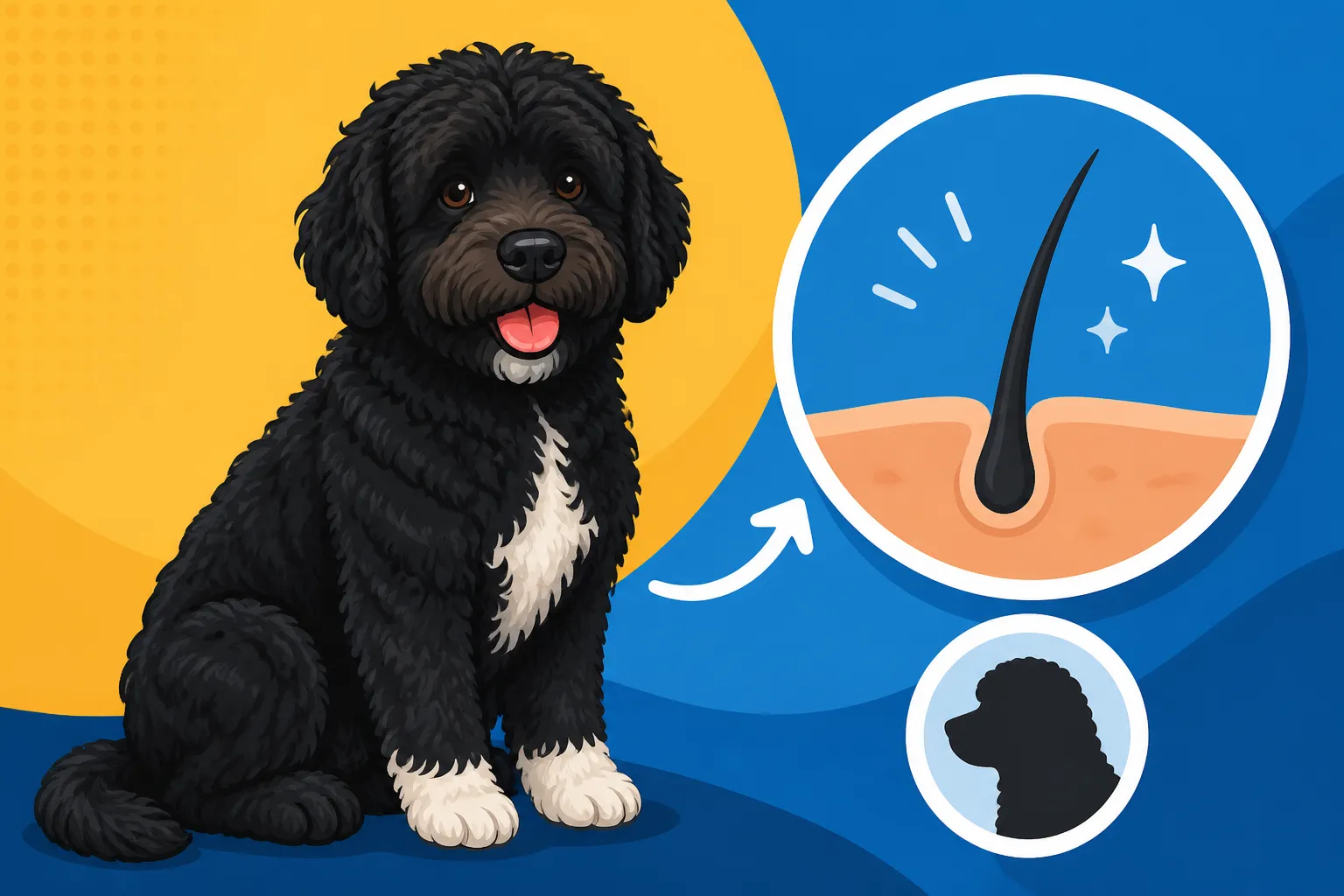
A Portuguese Water Dog, on the other hand, has only one layer of coat. There's no soft, downy undercoat to shed in clumps. Their hair is consistent in texture from root to tip, densely packed and either curly or wavy. This single layer is what makes them so efficient in the water. Instead of shedding profusely, their hair grows continuously, much like human hair, and any loose hairs tend to get trapped within the surrounding curls or waves. This trapped hair needs to be brushed out regularly, or it will felt and form painful mats. While it's often said they "don't shed," that's a bit of an oversimplification. They shed, just differently – the hair doesn't fall out all over your house in the same way a double-coated dog's would.
The Evolutionary Advantage of a Single, Water-Repellent Coat
The reason the Portuguese Water Dog developed this unique single coat is deeply rooted in their history as working dogs on the fishing boats along the coasts of Portugal. These dogs weren't just companions; they were integral crew members, retrieving lost tackle, herding fish into nets, and even carrying messages between boats. For a job like that, they needed a coat that could handle constant immersion in cold Atlantic waters without becoming waterlogged and heavy.
A double coat, while excellent for insulation on land, would become incredibly heavy and slow drying when wet, making a dog inefficient and prone to chilling in the sea. The PWD's dense, single coat, whether curly or wavy, acts almost like a natural wetsuit. It's designed to repel water and provide insulation even when saturated, allowing the dog to move through the water with ease. The tight curls or waves trap air, which provides a layer of warmth against the cold water. This coat also offered protection from the elements – harsh sun, wind, and even minor scrapes and abrasions that might occur on a working boat. Unlike a fluffy undercoat that would saturate and drag, their single coat sheds water more efficiently, allowing for faster drying once back on deck. Why a Portuguese Water Dog's Coat Holds Water This functional coat was a matter of survival and efficiency for these brave seafaring dogs.
Debunking the Hypoallergenic Myth: Single Coat vs. Allergen Production
The term "hypoallergenic" gets tossed around a lot when discussing Portuguese Water Dogs, often leading to misunderstandings. While they are a fantastic choice for many people with allergies, it's crucial to understand why, and to manage expectations.
It's Not the Hair, It's the Dander and Saliva
Here's the big secret about "hypoallergenic" dogs: no dog is truly 100% allergen-free. The allergens that trigger reactions in people aren't primarily the dog's hair itself, but rather microscopic particles of dander (dead skin cells), saliva, and urine proteins. These proteins are found on the dander, which then flakes off the dog and becomes airborne, or in their saliva, which gets on their fur when they groom themselves.
The reason a Portuguese Water Dog is often considered a good fit for allergy sufferers isn't because they produce less dander or protein (they don't, all dogs do!), but because of how their unique single coat manages these allergens. Since their hair grows continuously and loose hairs get tangled in the curls instead of falling out, less dander is shed into the environment. Essentially, the coat acts like a natural filter, trapping the dander, which means fewer allergens floating around your home. This significantly reduces exposure for allergy sufferers, making them much more tolerable than breeds that constantly shed dander-laden hair. How Portuguese Water Dog Is Hypoallergenic
Managing Allergies with a Portuguese Water Dog's Single Coat
Even with their "allergy-friendly" coats, living with a Portuguese Water Dog when you have allergies still requires proactive management. It's not a "set it and forget it" situation; it's about minimizing the allergen load in your home.
One of the most effective strategies is regular and thorough grooming. Because their coat traps loose hair and dander, you need to actively remove it. This means brushing your PWD frequently – at least 2-3 times a week, if not daily – to prevent mats and to pull out those trapped allergens. How Often a Portuguese Water Dog Needs Brushing Brushing them outside or in a designated area (like a laundry room with easy-to-clean floors) can help contain the dander. Bathing also helps wash away accumulated dander and saliva. You'll want to use a high-quality shampoo and conditioner specifically designed for dogs.
Beyond grooming, consider these steps:
- Air Purification: Investing in a good HEPA air purifier for the rooms your PWD spends the most time in can make a huge difference by filtering airborne allergens. You can find excellent options on Amazon or Chewy.
- Cleaning Routine: Regular vacuuming with a HEPA-filtered vacuum cleaner, washing bedding frequently, and wiping down surfaces will help control dander accumulation.
- Designated Zones: You might consider making certain areas of your home, like bedrooms, "dog-free" zones to create an allergen sanctuary.
- Diet: A high-quality diet can contribute to overall skin and coat health, potentially reducing excessive dry skin and dander. Brands like Ollie offer fresh, balanced meals that can promote a healthy coat from the inside out. Always consult with your vet to determine the best diet for your specific dog.
Even with these measures, it's always recommended for individuals with severe allergies to spend time with a Portuguese Water Dog before committing to ownership, to gauge their personal reaction.
Grooming the Unique Single Coat: A Daily Commitment
Owning a Portuguese Water Dog means embracing a lifestyle that includes consistent and dedicated grooming. Their single coat, while wonderful for allergy sufferers and swimmers, is not maintenance-free. In fact, it requires significant attention to stay healthy and mat-free.
The Curly vs. Wavy Single Coat: What's the Difference for Grooming?
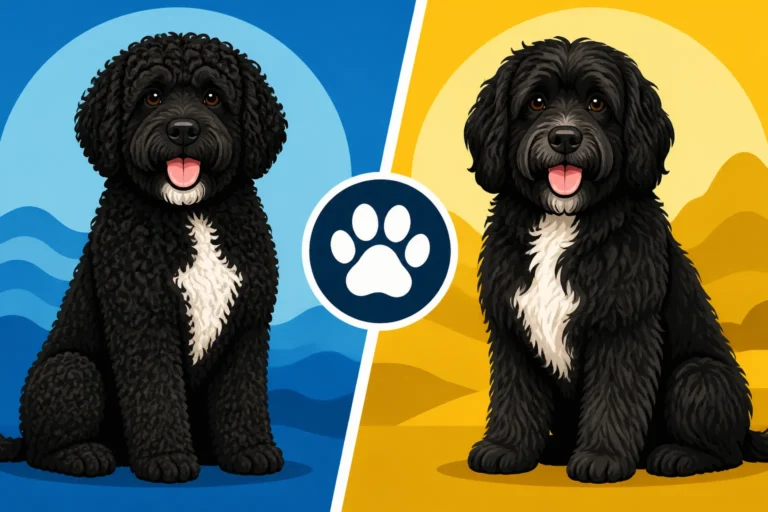
Portuguese Water Dogs come in two distinct coat types: curly and wavy. Both are single coats, meaning they lack an undercoat, but their texture and growth patterns present slightly different grooming challenges. Curly or Wavy: the Two Portuguese Water Dog Coats
-
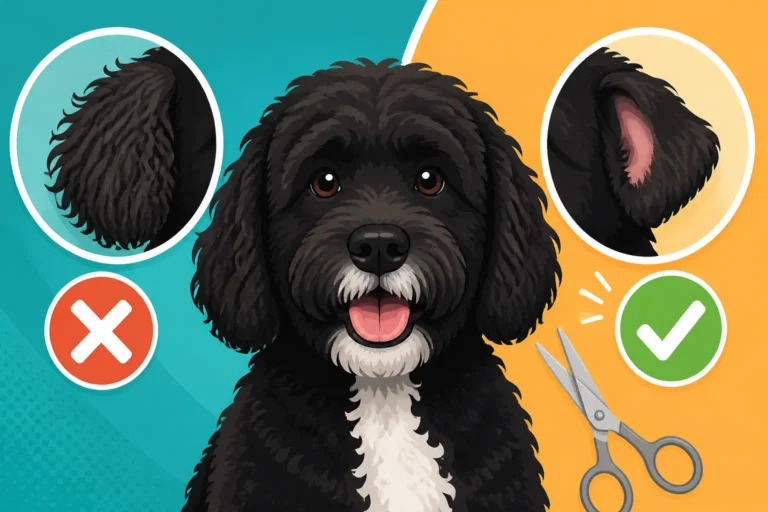
Curly Coat: This coat is characterized by compact, cylindrical curls that are often described as tight and dense. The curls are close to the body and springy. While they look charming and can be quite striking, these curls are particularly adept at trapping loose hair, debris, and moisture. This makes the curly coat highly prone to matting if not meticulously brushed and combed down to the skin. Owners often find mats developing quickly behind the ears, under the legs, and in areas where harnesses or collars rub.
-
Wavy Coat: The wavy coat has a softer, more flowing appearance, often forming loose waves or ringlets that can look shaggier. The hair tends to be slightly less dense than the curly type but still provides excellent insulation and water repellency. While perhaps appearing less prone to tight matting than the curly coat at first glance, the wavy coat can still form large, flat mats very quickly. Its softer texture can sometimes make it harder to feel small tangles that are just starting to form, so diligence is just as important.
Regardless of whether your PWD has a curly or wavy coat, the continuous growth cycle means the hair never stops getting longer. This, combined with the way loose hairs snag and intertwine, makes regular grooming an absolute necessity. During the puppy-to-adult coat change, typically between 6-18 months of age, matting can become particularly challenging as the puppy fur gives way to the thicker adult coat. Why a Portuguese Water Dog Mats Worst During the Change
Essential Grooming Practices for a Healthy Single Coat
Maintaining a Portuguese Water Dog's single coat is a multi-step process that needs to be part of your regular routine. Skipping steps or prolonging intervals between grooms will almost certainly lead to painful mats that are difficult and time-consuming to remove.
Here’s what a robust grooming regimen typically involves:
-
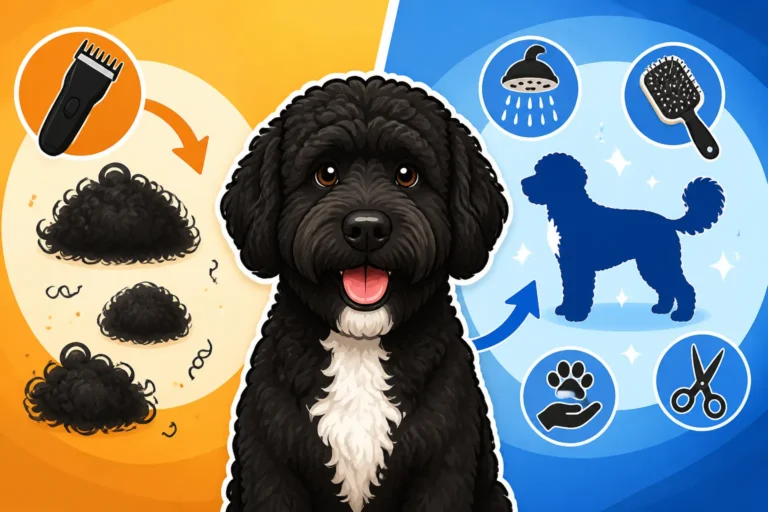
Brushing: This is your first line of defense against mats. You'll need specific tools to effectively brush a PWD's coat. A high-quality slicker brush is essential for getting through the top layer and detangling, but it must be used gently to avoid scratching the skin. Following up with a long-toothed metal comb is crucial to ensure you've reached down to the skin, especially in mat-prone areas. Which Brush a Portuguese Water Dog Needs The goal isn't just to brush the surface; you need to part the hair and comb from the skin outwards. Aim for brushing sessions at least three times a week, and ideally daily, especially if your dog is swimming or playing outside frequently.
-
Bathing: Regular baths, typically every 2-4 weeks, are important for cleaning the coat, removing dirt, and washing away dander. Always thoroughly brush out any tangles before bathing, as water will tighten mats, making them nearly impossible to remove without shaving. Use a good quality dog shampoo and conditioner to keep the coat healthy and manageable. After bathing, rinse thoroughly to prevent skin irritation.
-
Drying: This is a critical step that many new PWD owners underestimate. A Portuguese Water Dog's dense single coat can take hours to air dry, and leaving them damp can lead to skin issues like hot spots, especially if hidden mats are present. Investing in a high-velocity force dryer is highly recommended. These dryers quickly blow water off the coat, speeding up drying time and helping to straighten the curls for easier brushing. Always dry your PWD completely, down to the skin, especially after a swim or bath. Drying a Portuguese Water Dog After Every Swim You can find excellent force dryers and grooming tools on Amazon, making home grooming much more effective.
-
Clipping: Because their hair grows continuously, Portuguese Water Dogs need regular clipping to maintain a manageable length. Most pet owners opt for a practical "retriever clip" where the coat is kept at a uniform, shorter length over the entire body. The frequency of clipping depends on how short you want to keep the coat and how quickly your dog's hair grows, but usually every 6-8 weeks is a good starting point. This can be done by a professional groomer or at home if you're willing to invest in quality clippers and learn the technique.
Living with a Single-Coated Portuguese Water Dog: Practical Considerations
The unique single coat of a Portuguese Water Dog influences more than just grooming; it plays a role in how they interact with their environment and even hints at their overall health. Understanding these practical considerations will help you provide the best care for your adventurous companion.
Climate Control and Coat Protection
A Portuguese Water Dog's single coat is a marvel of natural engineering, perfectly adapted for their original role in the water. It offers excellent insulation when wet, allowing them to tolerate cold water for extended periods. However, this same coat, or rather the lack of a dense undercoat, means they can be more susceptible to extreme cold on land, especially if they are inactive or if their coat is clipped very short in winter. Whether a Portuguese Water Dog Feels the Cold on Land In very cold, dry climates, particularly when outdoor activity isn't vigorous, a dog coat might be a sensible addition to keep them comfortable.
Conversely, in hot weather, their dense coat can make them prone to overheating, especially during strenuous exercise or if they don't have access to water for cooling. While the coat provides some protection from the sun, a closely clipped PWD can get sunburn, especially on lighter-pigmented skin or areas with less hair. Whether a Clipped Portuguese Water Dog Sunburns It's important to monitor their activity levels, provide plenty of shade and fresh water, and avoid exercising them during the hottest parts of the day. Their love for water often serves as a natural cooling mechanism, and a swim is usually a welcome relief on a warm day.
Health Implications and Coat Care Connection
Your Portuguese Water Dog's coat isn't just about aesthetics; it's a window into their overall health. Changes in coat texture, luster, or density can often be early indicators of underlying health issues. For instance, a dull, brittle, or excessively dry coat might signal nutritional deficiencies or hormonal imbalances. Hair loss, thinning patches, or unusual shedding patterns could point to allergies, parasitic infestations, or more serious conditions like hypothyroidism. Whether a Portuguese Water Dog's Coat Thins With Illness
This is why attentive grooming isn't just about preventing mats; it's also a regular "health check." As you brush, you're feeling for lumps, bumps, skin irritations, or changes in coat condition that you might not otherwise notice. Regular veterinary check-ups and open communication with your vet about any coat changes are important. Good nutrition is also paramount for a healthy coat. A diet rich in essential fatty acids and high-quality protein will support skin health and promote a vibrant, well-conditioned coat. If you're concerned about your dog's diet, discuss it with your vet or a canine nutritionist. Brands like Chewy offer a wide range of high-quality dog foods and supplements that can support skin and coat health.
Understanding the specific needs of your Portuguese Water Dog's single coat is key to their comfort, health, and your peaceful coexistence. It truly is a unique feature that defines so much about this wonderful breed.
Single Coat vs. Double Coat: A Comparison
To summarize the key differences that impact owners, here's a quick comparison between single-coated and double-coated breeds. This table focuses on aspects relevant to the Portuguese Water Dog's unique single coat.
| Feature | Single Coat (e.g., Portuguese Water Dog) | Double Coat (e.g., Golden Retriever, Husky) |
|---|---|---|
| Layers | One layer of hair, consistent texture. | Two layers: soft undercoat for insulation, protective outer coat. |
| Shedding Pattern | Hair grows continuously; loose hair gets trapped in curls/waves. Minimal visible shedding of individual hairs, but needs regular brushing to remove trapped hair. | Seasonal "blowing" of the undercoat, plus regular shedding of outer coat. Significant visible hair loss. |
| Allergen Impact | Traps dander and loose hair, reducing airborne allergens. Often better for allergy sufferers (though no dog is truly hypoallergenic). | Releases more dander and hair into the environment due to constant shedding. More likely to trigger allergies. |
| Grooming Needs | Regular, thorough brushing to prevent mats; frequent clipping necessary due to continuous growth. Dedicated drying post-swim. | Regular brushing to remove loose undercoat and prevent matting, especially during seasonal sheds. Less frequent clipping often needed. |
| Water Adaption | Designed to repel water, dense coat insulates when wet, dries faster than double coats. | Undercoat absorbs water; can become waterlogged and slow-drying, making prolonged swimming less efficient/comfortable. |
| Thermal Regulation | Excellent insulation when wet, but can be sensitive to extreme dry cold or prone to overheating if inactive in heat. | Excellent insulation in cold climates; can be very prone to overheating in warm weather. |
This comparison highlights that while a single coat offers advantages like reduced airborne allergens and water efficiency, it requires its own specific grooming commitment to manage continuous growth and prevent matting.
Disclaimer
This article is for general informational purposes only and does not constitute professional advice. Laws, prices and regulations vary by location and change over time. Consult a qualified professional for guidance on your specific situation.