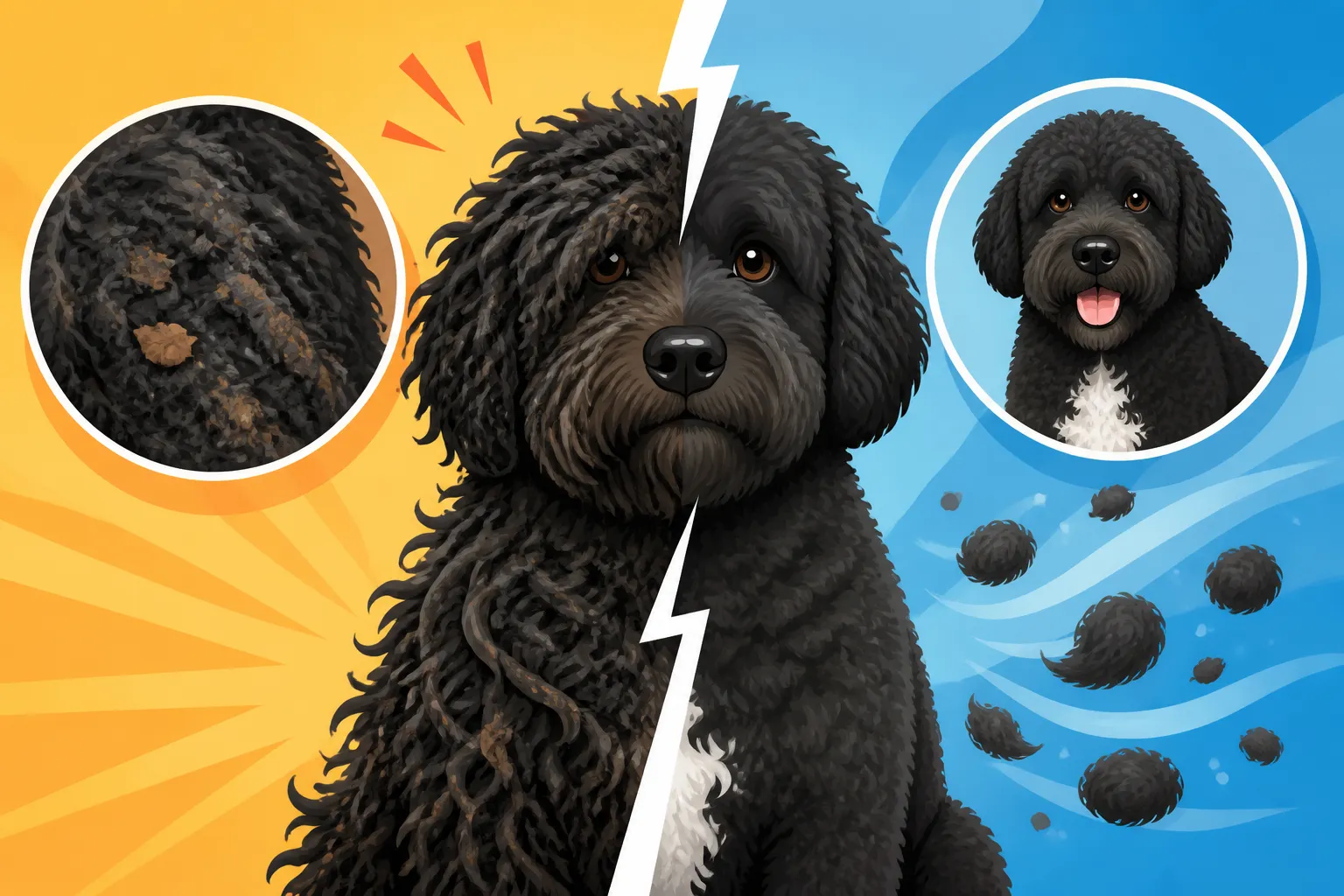
Why a Portuguese Water Dog Mats Worst During the Change
You’ve welcomed that adorable, fluffy Portuguese Water Dog puppy into your home, and for the first few months, grooming felt like a breeze. A quick brush here, a happy bath there, and everything was fine. Then, seemingly overnight, you plunged headfirst into a matted nightmare where every stroke of the brush snags, and what used to be a fun bonding experience becomes a wrestling match. This guide is here to walk you through exactly why your Portuguese Water Dog suddenly becomes a matting magnet during a specific, often frustrating, period known as the coat change, and what you can do about it.
Understanding the Portuguese Water Dog Coat
To truly grasp why the matting situation escalates during the coat change, we first need to appreciate the unique qualities of the Portuguese Water Dog's magnificent coat. It's not just "hair"; it's a finely tuned, water-repellent marvel designed for a life at sea. But these very qualities also make it prone to tangles if not managed properly, and the coat change exaggerates every one of those tendencies.
The Double-Edged Sword of the Single Coat
Unlike many breeds, Portuguese Water Dogs boast a single coat, meaning they lack the soft, downy undercoat that sheds profusely. This is often misunderstood as being "non-shedding," which isn't entirely accurate. What it means is that their hair, when it naturally sheds, tends to get trapped within the surrounding curls or waves, rather than falling out onto your furniture and floor. While this is great news for allergy sufferers and keeping your home cleaner, it's precisely why regular grooming is non-negotiable.
When loose hairs remain intertwined with the growing hair, they quickly form knots and mats. Imagine trying to comb out a tangled ball of yarn that's constantly adding new strands to itself. That’s essentially what’s happening. Without diligent, consistent brushing, these trapped hairs compact, tighten, and become incredibly difficult to remove, often pulling on the skin and causing discomfort for your dog. It's a trade-off: less shedding in the house, but more work with a brush. Understanding What a Portuguese Water Dog's Coat Is Made Of is key to appreciating this characteristic.
Curly vs. Wavy: Both Can Mat
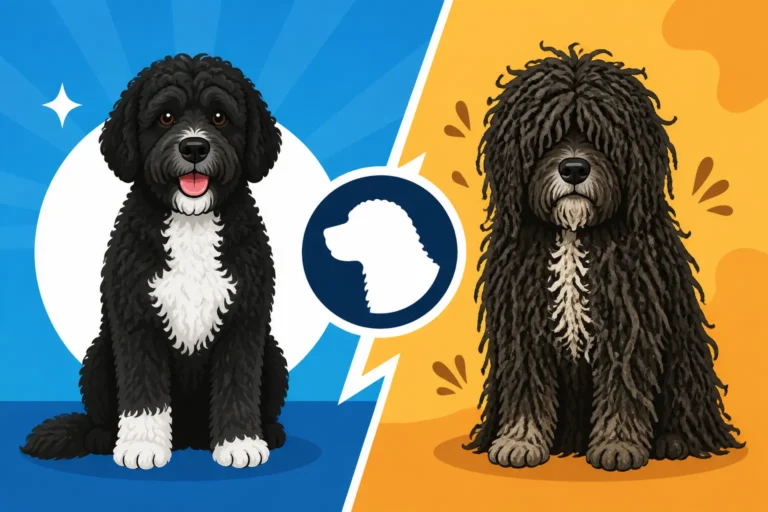
Portuguese Water Dogs come in two distinct coat types: curly and wavy. While they might look different at first glance, both are equally susceptible to matting, especially during the coat change.
- The Curly Coat: This coat is characterized by tight, cylindrical curls that are often described as dense and non-parting. Think of little springs covering your dog. These tight curls, while beautiful, can become a dense felt if not brushed regularly, as shed hairs get caught within the coil of the curl and then intertwine with adjacent curls. It's like a natural Velcro, especially when wet or if pressure is applied (like a harness rubbing).
- The Wavy Coat: This coat is softer, often with a slight sheen, and falls in more open, flowing waves, particularly noticeable on the back and sides. Some owners mistakenly believe the wavy coat is "easier" or less prone to matting because it looks less dense, but this is a myth, especially during the change. The longer, softer waves can still trap loose hair effectively, forming flat, wide mats that lie close to the skin. In fact, sometimes these mats can be harder to detect initially because they aren't as visibly bulky as those in a curly coat until they've become quite severe.
Regardless of whether your PWD has a How a Curly Coat Differs From a Wavy Coat, both demand consistent attention. There's no escaping the brush if you want to keep your dog comfortable and mat-free.
The Infamous Coat Change Phase
This is where the real challenge begins for most Portuguese Water Dog owners. The "coat change" isn't a medical condition; it's a perfectly natural, albeit demanding, developmental stage that can transform your easy-to-groom puppy into a matted mess almost overnight. It's the period when your dog's soft, fine puppy fur is gradually replaced by the denser, coarser adult coat.
When the Puppy Coat Gives Way
The Portuguese Water Dog puppy coat typically begins to change into the adult coat anywhere between six and eighteen months of age, with the peak intensity often falling between eight and twelve months. It's not a switch that flips; it's a gradual process, but the effects on grooming can feel very sudden.
Initially, your puppy's coat was soft, relatively thin, and much easier to manage. You could probably get away with brushing every few days, and any small tangles would come out easily. Then, as your PWD approaches adolescence, you might notice the texture of the coat subtly changing. It starts to feel thicker, perhaps a bit coarser, and definitely denser. This is the new adult coat coming in. This period is critical, and understanding When a Portuguese Water Dog's Puppy Coat Changes can help you prepare. The process can last for several months, and during this time, your grooming efforts need to double, or even triple.
The Mechanics of Matting During Change
Think of the coat change as a battleground where two different types of hair — the fine, wispy puppy coat and the more robust adult coat — are trying to occupy the same space. The puppy coat isn't just falling out neatly; it's intermingling with the incoming adult coat.
Here’s the breakdown of why this creates a matting nightmare:
- Conflicting Textures: The soft, fine puppy hair easily hooks onto the coarser, stronger adult hair. This creates a powerful gripping action that causes the shed puppy hair to tangle and intertwine with the newly growing adult hair. It’s like trying to comb out cotton candy that’s stuck in a stronger, denser fishing net.
- Density Increase: As the adult coat grows in, the overall density of the coat increases dramatically. This means there's simply more hair in a smaller area, making it easier for strands to become entangled and harder for air to circulate, which can exacerbate skin issues if mats pull too tightly.
- Accelerated Shedding (Trapped): While PWDs don't "shed" like a Labrador, they do shed individual hairs. During the coat change, the rate at which puppy hairs are shed to make way for adult hairs increases. Because these shed hairs don't fall out, they create an accumulation of dead hair, forming dense, felted clumps. This is a primary reason Why a Portuguese Water Dog Mats Worst During the Change.
Without constant intervention, these trapped, shed hairs combine with the new growth to form incredibly tight, painful mats that can quickly spread across the dog's body.
Why it Feels So Sudden and Intense
Many Portuguese Water Dog owners express surprise, even shock, at the sudden onset and intensity of matting during this phase. One day, grooming is manageable; the next, it feels like an impossible task. This feeling isn't imagined.
The "suddenness" comes from a few factors:
- Rapid Change in Coat Composition: The blend of fine puppy hair and thicker adult hair can accumulate quite quickly without being obvious from the surface. You might not see the small mats developing deep within the coat until they've grown into significant problems.
- Previous Ease of Grooming: For months, you might have enjoyed relatively easy grooming. This lulls owners into a sense of security, making the sudden difficulty even more jarring. The previous routine simply isn't enough anymore.
- Misconception of "Non-Shedding": The popular notion that PWDs don't shed can lead owners to underestimate the importance of meticulous daily brushing, especially during this critical period. They do shed, but the hair is retained in the coat, necessitating mechanical removal.
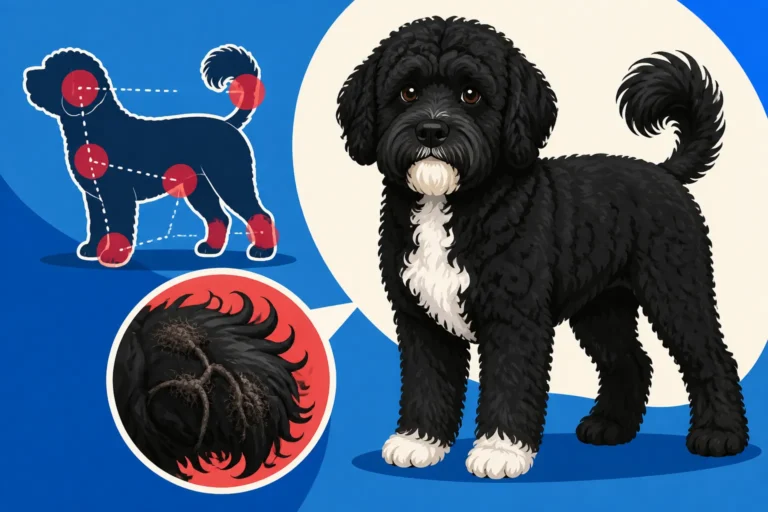
- The "Velcro" Effect: Once a few hairs start to tangle, they act as anchors, catching more and more loose hair. It’s a snowball effect; a small mat quickly becomes a larger, more difficult one. This is also why areas of friction, like behind the ears or under a harness, become ground zero for matting.
This phase is a genuine test of an owner's commitment to grooming, and it’s important not to feel guilty if you find yourself struggling. It’s a notoriously challenging time for even experienced PWD owners. Understanding How Long a Portuguese Water Dog's Coat Change Runs can help set realistic expectations for the duration of this intensive grooming period.
Preventing and Managing Mats During Coat Change
Knowing why your PWD is matting is the first step; the next is implementing strategies to prevent and manage it. This isn't just about aesthetics; severe matting can cause skin infections, pain, and restrict movement for your dog.
The Essential Grooming Toolkit
You absolutely cannot tackle the coat change without the right tools. Skimping here will only lead to greater frustration and potentially a very unhappy dog.
Here's what you'll need, and why:
- High-Quality Slicker Brush: This is your primary weapon. Look for one with long pins that can reach deep into the dense coat. The slicker brush helps separate the hairs and remove loose, dead undercoat. Brands like Chris Christensen or Activet make excellent quality slicker brushes that are durable and effective. You can often find a good selection on Chewy or Amazon. Make sure Whether a Slicker Reaches a Portuguese Water Dog's Skin as this is crucial for effective mat removal and prevention.
- Metal Comb (Greyhound-style): A sturdy metal comb with both wide and fine teeth is indispensable. After using the slicker brush, always follow up with the comb to ensure you've truly gotten all the way down to the skin. If the comb glides smoothly, you're clear; if it snags, there's still a mat to work out. Use the fine teeth for delicate areas like behind the ears and around the face.
- Detangling Spray/Conditioner: A good quality leave-in conditioner or detangling spray can make a huge difference, especially when working on stubborn tangles. It lubricates the hair, making it easier to separate without breaking the strands.
- Force Dryer (High Velocity Dryer): This is a game-changer, especially for PWDs who love to swim. A force dryer (not a human hairdryer, which can burn their skin) blows water and loose hair out of the coat quickly and efficiently. It’s essential after a bath or swim to prevent mats from forming as the coat dries, and it helps loosen shed hair before brushing. What a Force Dryer Does for a Portuguese Water Dog is truly transformative for coat health.
- Blunt-Nosed Scissors or Dematting Tool: For truly stubborn, tight mats that cannot be brushed out, these can be used carefully to cut the mat into smaller sections before brushing, or to remove it entirely if it's too close to the skin. Extreme caution is advised here to avoid cutting your dog's skin. If you're unsure, professional help is always the best option.
Establishing a Routine (and Sticking to It)
During the coat change, your grooming routine needs to be ramped up significantly. What worked for a puppy won't cut it now.
| Activity | Before Coat Change (Puppy) | During Coat Change (Adolescent) | After Coat Change (Adult) |
|---|---|---|---|
| Brushing | 2-3 times/week | Daily (20-30 min) | 3-4 times/week |
| Bathing | Every 2-4 weeks | Every 1-2 weeks | Every 2-4 weeks |
| Drying | Towel + air dry (optional) | Force Dry (Mandatory) | Force Dry (Recommended) |
| Mat Check | Occasional | Daily (everywhere!) | Regular, especially friction areas |
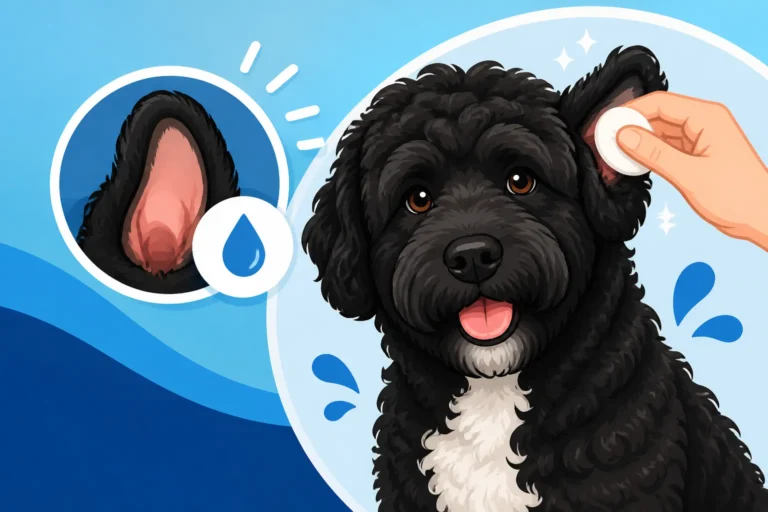
| Ear Cleaning | Weekly | Weekly | Weekly |
Here's how to implement an effective routine:
- Daily Brushing: This is non-negotiable. Commit to at least 20-30 minutes of thorough brushing every single day. The key is "line brushing," where you section the coat and brush in small layers from the skin out, ensuring you reach all the way down. Don't just skim the top of the coat. How Long Brushing a Portuguese Water Dog Takes will increase significantly during this period, but it's worth it.
- Thorough Bathing: Bathe your PWD more frequently during this period – every one to two weeks is often necessary. Always use a good quality dog shampoo and conditioner. The conditioner helps soften the hair and makes it more pliable, reducing breakage during brushing.
- Force Drying is Essential: After every bath or swim, use a force dryer to completely dry your dog's coat. This is crucial. Allowing the coat to air dry (even partially) can cause mats to tighten and solidify as the hair contracts. The force dryer also helps blow out loose hair that would otherwise contribute to matting. Whether a Portuguese Water Dog Tolerates a Dryer is often a matter of early training and positive association.
- Target Trouble Spots: Pay extra attention to areas that mat most easily: behind the ears, under the armpits, inside the hind legs, under the harness or collar, and around the tail base. These are high-friction zones where mats form quickly.
- Positive Reinforcement: Make grooming a positive experience from the start. Use treats, praise, and keep sessions short if your dog is resistant. You want them to associate grooming with good things, not punishment.
Professional Help Isn't Cheating
If you find yourself overwhelmed, don't hesitate to seek professional help. There is absolutely no shame in taking your Portuguese Water Dog to a professional groomer, especially during the coat change. In fact, many experienced PWD owners rely on professional groomers through this phase.
- Experienced Hand: A professional groomer has the expertise, tools, and patience to tackle even severe matting. They can often demat a coat that would be impossible for an owner to manage at home, saving your dog pain and you hours of frustration.
- Regular Schedule: Establishing a regular grooming schedule (e.g., every 4-6 weeks) with a professional can help maintain the coat and prevent new mats from forming. They can also provide advice tailored to your dog's specific coat type and condition. Consider getting them on a schedule for How Often a Portuguese Water Dog Needs Clipping.
- Learning Opportunity: Many groomers are happy to show you techniques for home brushing. You can learn how to properly line brush, identify early mats, and use your tools effectively.
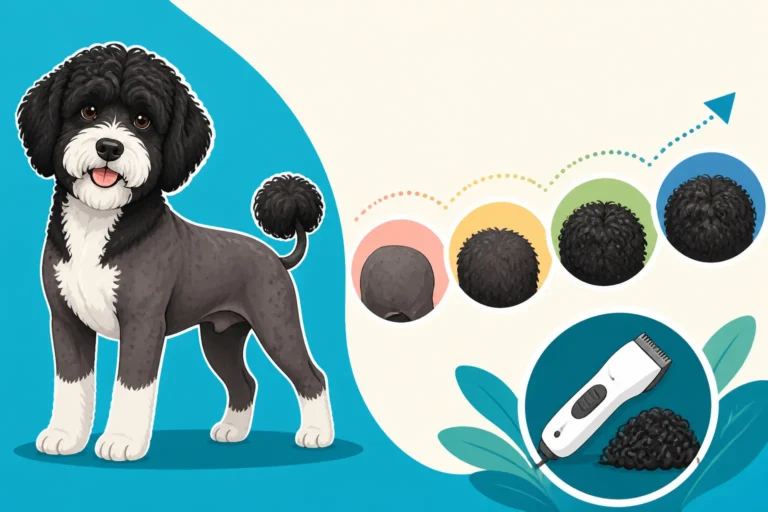
Don't let pride or guilt prevent you from getting the help you and your dog need. A short, "puppy clip" (also known as a retriever clip) might even be a fantastic option during the coat change to make life easier for everyone.
Long-Term Coat Care Beyond the Change
The intense matting phase will eventually pass as your Portuguese Water Dog fully transitions to their adult coat. However, that doesn't mean you can throw out your brushes! Ongoing vigilance and a consistent routine remain crucial for maintaining their health and comfort throughout their life.
Maintaining Coat Health Year-Round
Even after the coat change is complete, the unique single coat of the Portuguese Water Dog will still require regular attention. While you might not need to brush daily, brushing several times a week, combined with routine professional grooming, is essential.
- Consistent Brushing Schedule: Aim for at least 3-4 thorough brushing sessions per week. This prevents the gradual build-up of shed hair that can lead to mats and keeps the coat healthy and free of debris. Always use your slicker brush followed by your metal comb to ensure you're getting through the entire coat.
- Regular Professional Grooming: Most PWDs benefit from professional grooming every 4-8 weeks, depending on their coat type, lifestyle, and how much home grooming you do. A professional can keep the coat clipped to a manageable length, maintain proper hygiene, and address any tricky areas you might miss. They can also ensure that the hair between their paw pads and inside their ears is kept trimmed, which is important for preventing issues like ear infections.
- Quality Diet and Supplements: A healthy coat starts from within. Feeding a high-quality, balanced diet rich in omega fatty acids can significantly contribute to skin and coat health. Brands like Ollie often offer fresh, balanced meals that can promote a lustrous coat. Some owners also choose to add fish oil supplements to their dog's diet, which can enhance coat sheen and reduce dryness.
- Proper Bathing and Drying: Continue to bathe your PWD regularly, using appropriate dog-specific shampoos and conditioners. And yes, continue to use that force dryer! It remains the most effective way to ensure the coat is thoroughly dry and fluffed out after every bath or swim, which minimizes matting and helps prevent skin issues. Remember, Why a Damp Portuguese Water Dog Gets Skin Trouble is often linked to improper drying and air circulation.
Lifestyle Factors That Influence Matting
Your Portuguese Water Dog's activities and environment also play a significant role in how prone their coat is to matting. Being aware of these factors can help you adjust your grooming routine accordingly.
- Swimming Frequency: It’s no surprise that a Portuguese Water Dog loves water! But frequent swimming, especially in salty or chlorinated water, can dry out the coat and make it more prone to tangles. Always rinse your dog thoroughly with fresh water after a swim to remove salt or chlorine, and then, you guessed it, force dry them completely. This is critical for preventing mats from forming as the coat dries.
- Harnesses and Collars: Any item that creates friction against the coat can encourage matting. Check carefully under harnesses, collars, and doggy sweaters. These areas are notorious for developing tight, flat mats that can be difficult to detect until they’re severe. Consider a well-fitted harness that minimizes rubbing and perhaps removing their collar when they are just lounging at home, if safe to do so.
- Outdoor Activities: Dogs who frequently run through brush, tall grass, or muddy areas will inevitably pick up debris that can lead to tangles and mats. After any adventure, do a quick visual and tactile check of their coat to remove burrs, twigs, or dirt before they have a chance to work their way into a mat.
- Sleeping Habits: Even how your dog sleeps can influence matting! If they tend to curl up tightly or sleep on rough surfaces, friction can cause mats, especially in their armpits, behind their legs, and on their flanks. Providing a soft, comfortable dog bed can help minimize this.
- Underlying Health Issues: Sometimes, a sudden or unusual change in coat texture or a persistent matting problem might indicate an underlying health issue, such as thyroid problems or skin allergies. If you notice anything unusual, always consult your veterinarian. Issues like How a Portuguese Water Dog's Coat Hides Weight Loss also highlight the need for thorough grooming checks.
By staying proactive with your grooming, understanding the unique needs of your Portuguese Water Dog's coat, and recognizing that the coat change is a temporary (but challenging!) phase, you can ensure your beloved companion remains happy, comfortable, and beautifully coiffed for many years to come. It's a commitment, but one that every PWD owner knows is entirely worth it for these amazing dogs.
Disclaimer
This article is for general informational purposes only and does not constitute professional advice. Laws, prices and regulations vary by location and change over time. Consult a qualified professional for guidance on your specific situation.