How Portuguese Water Dog Is Hypoallergenic
It’s a common and understandable frustration for dog lovers who also suffer from allergies: you dream of bringing a furry companion into your home, but the sneezing, itchy eyes, and constant sniffles make it feel impossible. Many people hear the term "hypoallergenic dog" and immediately envision a life free from allergic reactions, leading them to wonder if a beautiful, intelligent breed like the Portuguese Water Dog could finally be their answer. This guide will dive deep into what "hypoallergenic" truly means in the context of dogs and explain exactly how the Portuguese Water Dog's unique coat plays a role in potentially easing allergy symptoms for sensitive individuals.
The Myth of "Hypoallergenic" Dogs: Understanding What Triggers Allergies
Let's get one thing straight right from the start: the idea of a truly 100% "hypoallergenic" dog is, unfortunately, a bit of a misnomer. It's a term that has become popular, creating a hopeful but often misleading expectation for allergy sufferers. The truth is, no dog breed is entirely allergen-free, because the triggers for most pet allergies aren't just about the hair itself, but rather microscopic particles that every dog, regardless of coat type, produces. Understanding this fundamental concept is crucial before you even consider bringing any dog into an allergy-prone household. It's about managing exposure and finding a good match, not eliminating the problem entirely.
What Actually Triggers Pet Allergies?
When someone says they're allergic to dogs, they're typically not reacting to the dog's hair directly. Instead, the real culprits are proteins found in a dog's dander (tiny flakes of dead skin), saliva, and urine. These proteins, once airborne or deposited on surfaces, are what wreak havoc on sensitive immune systems. Think about it: a dog licks its paws, then grooms its fur, spreading saliva-borne allergens all over its coat. As skin cells naturally shed, microscopic dander flakes become airborne, carrying these proteins with them. Even a dog that appears "clean" or "non-shedding" is still producing saliva, urine, and skin cells. This is why some people can react to breeds that are entirely hairless; the absence of fur doesn't mean an absence of the allergenic proteins in dander and saliva. The hair simply acts as a carrier, collecting and distributing these tiny, invisible allergens throughout the environment. It's a continuous cycle, and one that many dog lovers struggle to break free from.
Why Some Breeds Are "Better" for Allergy Sufferers
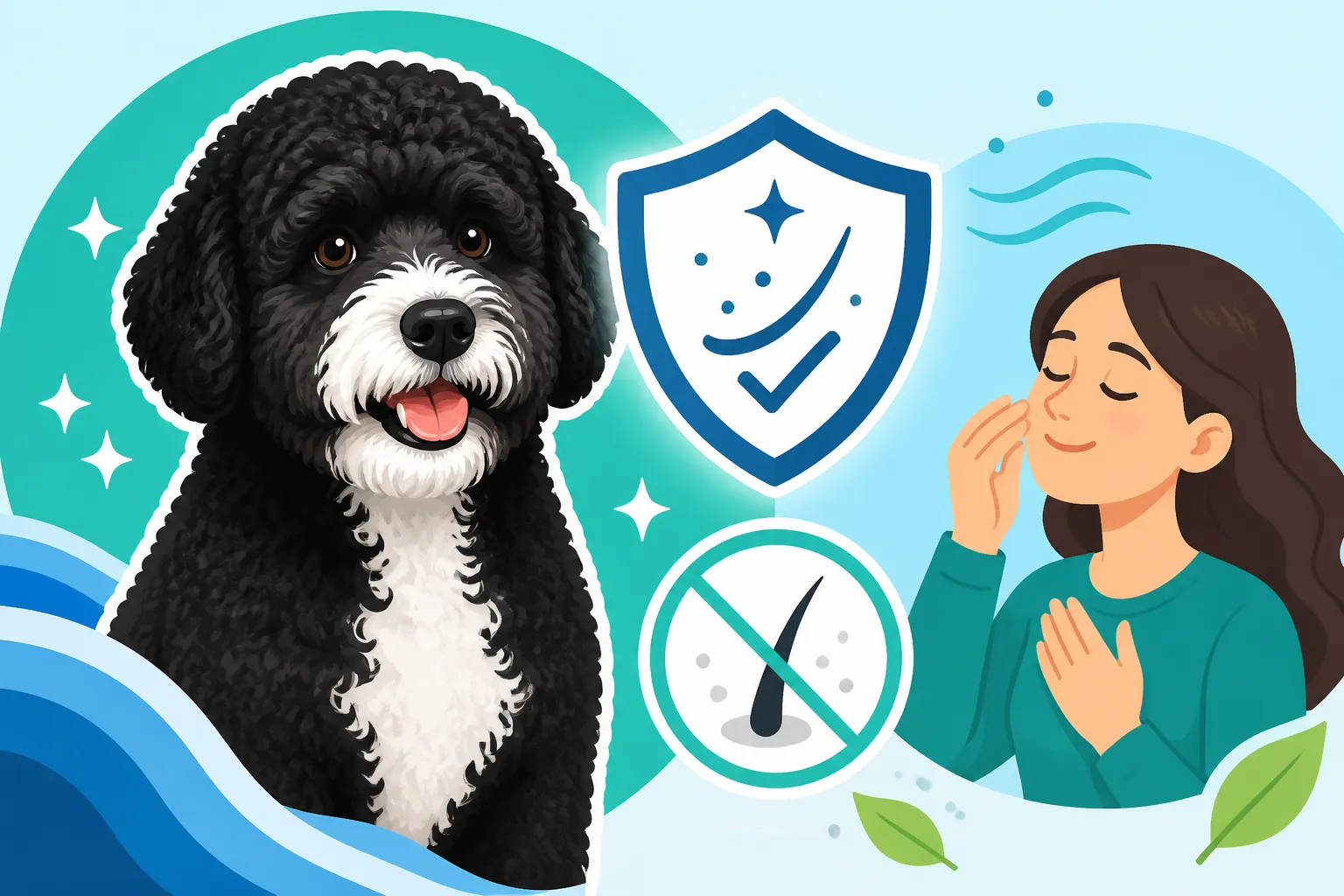
So, if no dog is truly hypoallergenic, why do some breeds get this label, and why do many allergy sufferers report fewer symptoms with them? The key lies in how these allergenic proteins are distributed and become airborne. Breeds often labeled as "hypoallergenic," like the Portuguese Water Dog, tend to have coats that shed very little, or, more accurately, the shed hair gets trapped within their curly or wavy coats rather than falling out and becoming airborne. When less hair and dander are released into the environment, there are fewer allergen particles floating around for people to inhale or come into contact with. It's not that these dogs produce fewer allergens; it's that they manage to keep them contained. This reduction in airborne allergens can make a significant difference for individuals with mild to moderate pet allergies, turning a constant battle with symptoms into a much more manageable situation. It's about minimizing exposure, not eliminating the source altogether.
The Portuguese Water Dog's Coat: A Deep Dive into Allergy Friendliness
Now, let's talk about our beloved Portuguese Water Dog. Their coat is often the first thing people notice, whether it's the tight curls or the flowing waves, but it's also the secret to their reputation as being more allergy-friendly. This isn't just a stylistic choice; it's a functional characteristic that stems from their working heritage and is a major consideration for families with allergy concerns. Understanding the unique properties of their coat will help clarify why they are often recommended for those with sensitivities, and what that truly entails for prospective owners. It's a beautiful design, but one that comes with specific care requirements.
The Portuguese Water Dog's Unique Single Coat
The Portuguese Water Dog boasts a single coat, meaning they lack the soft, downy undercoat found in many double-coated breeds like Labradors or Golden Retrievers. This is a critical distinction when it comes to allergies. Their coat comes in two varieties: curly, which is dense, cylindrical, and rather tight, or wavy, which is softer, with more relaxed waves and a slight sheen. Both types are characterized by their hair-like texture rather than fur, and importantly, they are considered non-shedding in the traditional sense. This doesn't mean they don't lose any hair at all; like human hair, individual strands die and are replaced. However, instead of these dead hairs falling out all over your furniture and floor, they tend to get caught within the surrounding live curls or waves. This dramatically reduces the amount of loose hair and dander released into the home environment. If you've ever had a dog that leaves tumbleweeds of fur in every corner, you'll immediately appreciate this difference. For more information on their coat types, check out Curly or Wavy: the Two Portuguese Water Dog Coats.
How a PWD's Coat Manages Dander
The unique structure of the Portuguese Water Dog's coat acts like a natural filter, trapping shed hairs and, more importantly, the dander that clings to those hairs. Instead of these allergens becoming airborne and circulating throughout your house, they remain enmeshed within the coat itself. This means that while a PWD still produces dander and saliva (which contain the allergenic proteins), the way their coat handles shedding significantly lessens the spread of these irritants.
Imagine the difference between a dog whose fur constantly falls out, distributing dander with every shake and movement, versus a PWD where the dander is primarily contained on the dog itself. This containment is why many allergy sufferers find they can tolerate a Portuguese Water Dog, even if they react strongly to other breeds. However, this benefit isn't passive; it requires active participation from the owner. The trapped hair and dander don't just magically disappear. They accumulate, and if not properly managed, can lead to matting and eventually, a build-up of allergens that will eventually be released. This is where regular grooming becomes not just a cosmetic necessity, but an essential part of maintaining a low-allergen environment. The effectiveness of a PWD as an "allergy-friendly" dog largely hinges on consistent grooming. Learn more about their unique coat properties in Why a Portuguese Water Dog Has a Single Coat and Why a Portuguese Water Dog's Coat Holds Water.
The Role of Regular Grooming in Allergy Management
Because the Portuguese Water Dog's coat traps dead hair and dander, regular and thorough grooming isn't just for good looks – it's absolutely critical for managing allergies. If you let a PWD's coat go, those trapped hairs will quickly form mats, and the dander will accumulate, creating a concentrated source of allergens. When those mats are eventually brushed or cut out, or if the dog simply gets wet and shakes, those trapped allergens can be released in a significant burst, potentially triggering a reaction.
To keep a PWD truly allergy-friendly, a strict grooming regimen is essential. This typically involves:
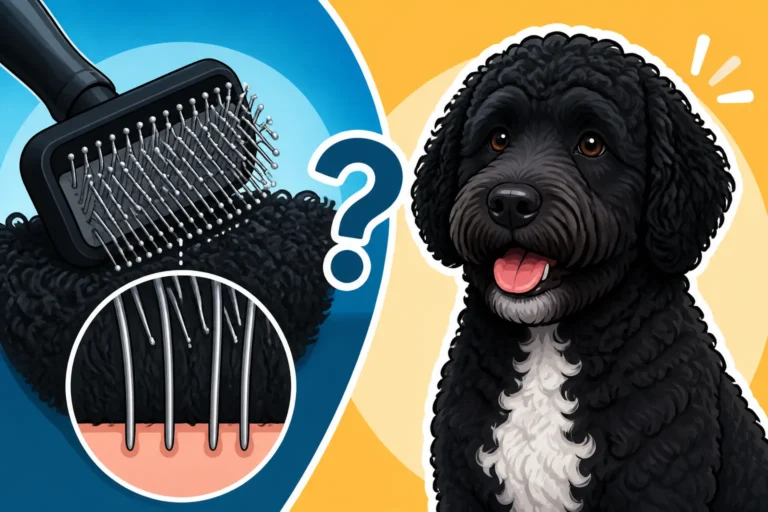
- Frequent Brushing: You’ll need to brush your Portuguese Water Dog several times a week, if not daily, to remove dead hair and dander before it can cause problems. A good slicker brush and a sturdy comb are your best friends here. You can find a wide variety of grooming tools, including brushes and combs specifically designed for curly coats, on sites like Amazon. For specifics on brushing, check out How Often a Portuguese Water Dog Needs Brushing and Which Brush a Portuguese Water Dog Needs.
- Regular Baths: Bathing helps wash away accumulated dander and allergens. Most PWDs benefit from a bath every 2-4 weeks, depending on their activity level and how much time they spend in the water. After a swim, even a simple rinse is a good idea to remove chlorine or lake debris. Remember to dry them thoroughly! You'll discover how long this takes in How Long a Portuguese Water Dog Takes to Dry.
- Professional Clipping: Every 6-8 weeks, a Portuguese Water Dog needs to be clipped to a manageable length. This prevents matting and keeps the coat healthy. Some owners learn to do this at home, which requires an initial investment in quality clippers and a grooming table, available on Amazon or Chewy. Others rely on professional groomers. The shorter the coat, generally, the easier it is to manage dander, though it still requires regular brushing. You can find more details on clipping frequency in How Often a Portuguese Water Dog Needs Clipping.
This consistent routine actively removes the allergens, rather than just letting them build up. It's a significant time commitment, but for allergy sufferers, it's often the difference between living comfortably with a PWD and experiencing constant irritation.
Living with a Portuguese Water Dog and Allergies: Practical Strategies
Even with a breed like the Portuguese Water Dog, which is considered more suitable for allergy sufferers, living comfortably still requires a proactive approach. It's not just about the dog; it's also about managing your home environment and your own interactions to minimize allergen exposure. Many prospective owners rush into getting a dog only to find their allergies flaring up because they didn't have a comprehensive strategy in place. Taking these extra steps can make all the difference in creating a happy, healthy home for both you and your Portuguese Water Dog.
Testing the Waters: Spending Time with PWDs Before Committing
Before you bring a Portuguese Water Dog home, it is absolutely essential to spend significant time with one (or several!) to gauge your personal reaction. Every individual's immune system is different, and what works for one allergy sufferer might not work for another. Don't rely solely on the "hypoallergenic" label.
Here's how to properly test:
- Visit a Reputable Breeder: Ask breeders if you can spend time with their adult dogs, not just the puppies. Adult dogs will have more dander and shed hair. Sit with the dogs, let them interact with you, and even brush them if the breeder allows. Pay attention to how you feel after an hour, and then again several hours later, and even the next day.
- Meet Dogs in Different Homes: If possible, visit PWDs in different environments. This helps rule out other potential allergens in a breeder's home (like dust or other animals) that might be contributing to your reaction.
- Consider a "Test Drive": Some breeders or rescue organizations might allow you to foster a PWD for a short period, or spend an extended day with one. This is the ultimate test, as it simulates real-life exposure.
This step is non-negotiable. It's much better to discover a potential allergy issue before committing to a dog, saving heartbreak for both you and the animal. It's all about making an informed decision. For broader health considerations, you might want to read Whether a Portuguese Water Dog Suits an Allergy Household.
Home Management Techniques for Allergy Sufferers
Even with a low-shedding Portuguese Water Dog, maintaining a clean home environment is crucial for allergy sufferers. The goal is to minimize the lingering presence of dander and saliva in your living space.
Consider these strategies:
- Designated Dog-Free Zones: Establish areas in your home where your PWD is not allowed, especially your bedroom. This provides a sanctuary where you can breathe allergen-free air for at least 6-8 hours a day.
- High-Efficiency Particulate Air (HEPA) Filters: Invest in good quality air purifiers with HEPA filters for common areas and your bedroom. These can trap airborne dander and other allergens, significantly improving air quality. You can find a range of reliable options on Amazon.
- Regular Cleaning with HEPA Vacuums: Vacuum frequently, ideally daily or every other day, using a vacuum cleaner equipped with a HEPA filter. This prevents dander from settling deep into carpets and upholstery. Steam cleaning carpets and upholstery periodically can also help.
- Wash Bedding and Dog Beds Often: Regularly wash your own bedding and your dog's beds, blankets, and toys in hot water to remove accumulated allergens.
- Hard Surfaces are Your Friend: If possible, opt for hardwood, tile, or laminate flooring over carpeting, as hard surfaces are easier to clean and don't trap allergens as readily. Similarly, choose furniture with washable covers or smooth materials like leather that can be easily wiped down.
These measures, combined with consistent grooming of your PWD, create a multi-layered defense against allergy triggers.
Dietary Considerations and Skin Health
Believe it or not, a dog's diet can actually play a role in managing dander and, consequently, allergens. A healthy, well-nourished dog generally has healthier skin and coat, which can lead to less dry, flaky dander.
Here’s why diet matters:
- Omega Fatty Acids: Diets rich in omega-3 and omega-6 fatty acids support skin hydration and coat health. These can be found in high-quality dog foods or supplemented with fish oil. Healthy skin is less likely to be dry and flaky, meaning less dander.
- High-Quality Protein: Ensure your Portuguese Water Dog is receiving adequate, easily digestible protein from good sources. This supports overall cellular health, including skin and hair follicle function. Brands like Ollie, known for their fresh, human-grade ingredients, prioritize these nutritional aspects, as do many premium kibble brands available on Chewy.
- Avoid Allergens in Food: While rare, some dogs can have food sensitivities that manifest as skin issues, leading to excessive itching, licking, and subsequently, more dander. If you notice persistent skin irritation or excessive shedding (beyond the normal trapping in their coat), discuss dietary changes with your vet.
A gleaming, healthy coat and supple skin aren't just signs of a beautiful dog; they're also indicators that your PWD is producing less irritative dander. It’s another piece of the puzzle in creating an allergy-friendly household.
Setting Realistic Expectations and Making Informed Choices
Bringing a dog into your home is a huge decision, and when allergies are involved, it adds another layer of complexity. It's vital to approach the idea of an "allergy-friendly" breed like the Portuguese Water Dog with realistic expectations. While they can be a fantastic option for many, they are not a magical cure-all, and understanding the ongoing commitment required is key to a successful partnership. The joy of a PWD companion is immense, but it comes with specific responsibilities, especially for those sensitive to dander.
It's Not a Guarantee: Individual Reactions Vary
This point cannot be stressed enough: the term "hypoallergenic" implies a complete absence of allergens, which simply isn't true for any dog. Portuguese Water Dogs produce fewer airborne allergens because their coat traps dander, but they still produce dander, saliva, and urine, all of which contain the proteins that trigger allergic reactions. Your individual sensitivity level, the severity of your allergies, and even the specific dog's dander can all influence how you react.
What one person with mild allergies finds perfectly manageable, another person with severe allergies might still find problematic. There's no universal guarantee. This is why the "test the waters" approach discussed earlier is so critical. Spending time with a PWD before committing is the only way to truly understand how your body will react. Go into this process with an open mind and a willingness to accept that even the "most hypoallergenic" dog might not be the right fit for your unique situation. For more context on the breed's overall health, consider reading Whether the Portuguese Water Dog Is a Healthy Breed.
The Commitment to Grooming and Cleanliness
The primary reason Portuguese Water Dogs are considered allergy-friendly is their low-shedding coat, which traps dander. However, this benefit comes with a significant caveat: this coat must be meticulously maintained. This isn't a "wash once a month and you're good" kind of dog. This is a dog that requires consistent, diligent grooming to keep those allergens contained and prevent matting.
Think about the long-term commitment:
- Time Investment: Regular brushing (several times a week, if not daily), baths (every 2-4 weeks), and professional clipping (every 6-8 weeks) take a considerable amount of time. You might spend How Long Home Grooming a Portuguese Water Dog Takes Weekly just on brushing alone.
- Financial Investment: Whether you buy your own grooming equipment (clippers, force dryer, brushes, shampoos from Amazon or Chewy) or pay for professional grooming, there's a significant financial cost involved in keeping their coat healthy and allergy-friendly.
- Consistency is Key: Skipping grooming sessions for too long can lead to severe matting, which is not only uncomfortable and potentially painful for your dog but also means a larger release of allergens when the matted coat is finally dealt with.
The "hypoallergenic" nature of the Portuguese Water Dog isn't a passive trait; it's an active partnership between you and your dog, maintained through dedicated care. If you're not prepared for this ongoing commitment, then even a Portuguese Water Dog might not be the right choice for an allergy-sensitive household.
Disclaimer
This article is for general informational purposes only and does not constitute professional advice. Laws, prices and regulations vary by location and change over time. Consult a qualified professional for guidance on your specific situation.