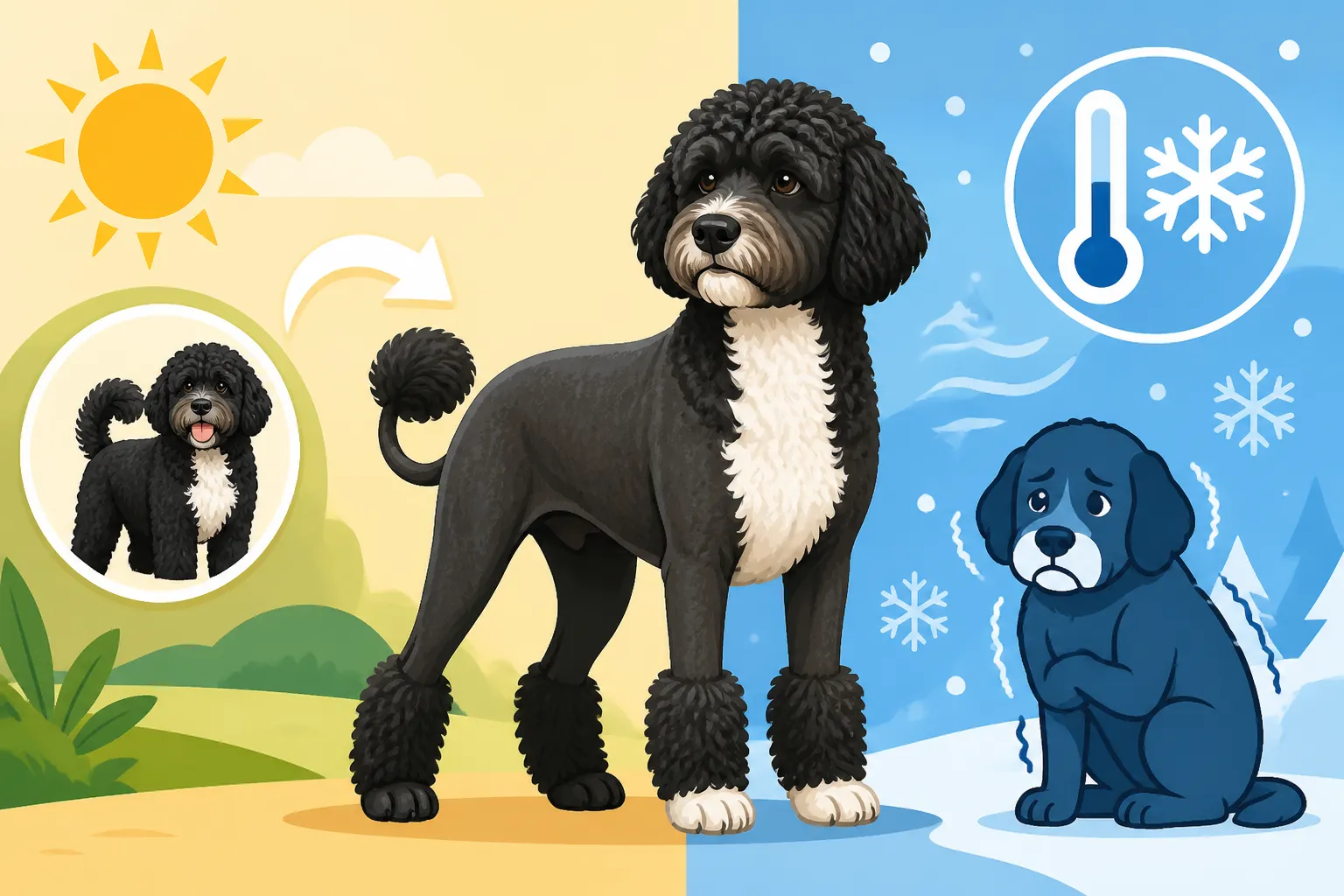
Whether a Lion Clipped Portuguese Water Dog Gets Cold
Many Portuguese Water Dog owners, especially those captivated by the breed's striking traditional lion clip, often fret about whether their beloved companion will shiver in cooler weather. It's a completely understandable concern, seeing that iconic, almost bare backside. Rest assured, this guide will delve into the history and practicality of the lion clip, explore the various factors that influence a PWD's cold tolerance, and offer actionable advice to ensure your water dog stays warm, cozy, and happy, no matter how chilly it gets outside.
The Traditional Lion Clip and Its Original Purpose
The image of a Portuguese Water Dog in a lion clip is truly distinctive – those majestic forequarters, the proud tail plume, and then, the notably shorn hindquarters. It’s a look that stands out, but it's far from a mere aesthetic choice. This clip has deep roots in the breed's working past, designed for a very specific, practical purpose.
What the Lion Clip Actually Is
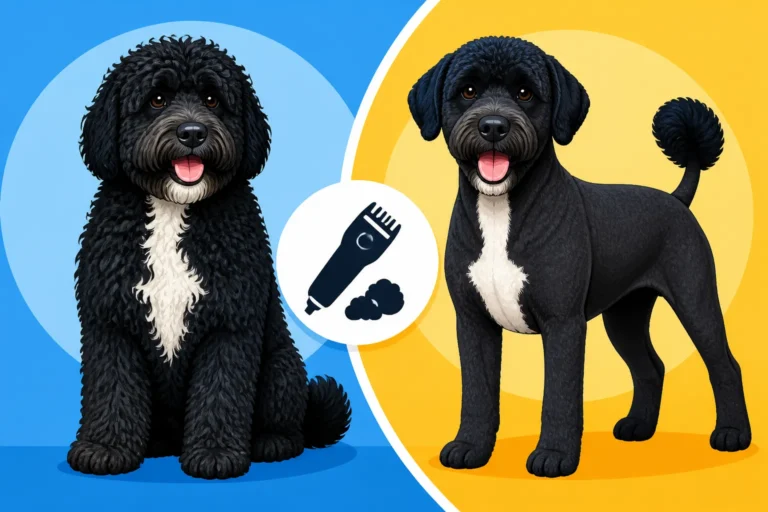
To really understand the lion clip, let's break it down. Imagine your Portuguese Water Dog with its dense, beautiful coat. In a traditional lion clip, the hindquarters, including the legs and belly, are shaved quite short, often down to about 1/8 to 1/4 inch, sometimes even shorter depending on the preference and the dog's skin sensitivity. The muzzle is also typically shaved, allowing for clear vision and reducing the amount of water soaked up around the face. Meanwhile, the front part of the dog – the chest, forelegs, and the mane-like hair around the neck and shoulders – is left long and full. And, of course, that signature "plume" or "rosette" is left on the end of the tail, like a fluffy flag.
This isn't just about looking regal; it's about function. Historically, Portuguese fishermen relied on their water dogs for retrieving lost tackle, driving fish into nets, and even carrying messages between boats. These dogs spent hours in and out of the cold Atlantic waters off the coast of Portugal. The lion clip was a brilliant solution to a practical problem: it kept the vital organs and chest warm, which was crucial for their survival in cold water, while the shaved hindquarters reduced drag, making it easier for them to swim quickly and efficiently. It also allowed their powerful hind legs to move freely without being weighed down by a waterlogged coat. It’s a testament to their heritage, a clip that truly speaks to their working heart.
How the Coat Protects a Portuguese Water Dog
A Portuguese Water Dog's coat, whether it's the tight, robust curl or the softer, more flowing wave, is a marvel of natural engineering. Unlike many breeds that have a double coat with a soft underlayer and a harsher outer guard coat, the PWD has a single coat. This single layer is incredibly dense and waterproof, designed to protect them from the elements. Think of it like a natural wetsuit. The hair is oily and textured, which helps to repel water, so it doesn't soak through to the skin immediately.
When considering warmth, it's important to remember that even the "shaved" areas of a lion clip aren't truly bare skin. There's still a very short, dense layer of hair that provides some insulation, just less than the full coat. This unique coat structure means that when a Portuguese Water Dog gets wet, the water tends to bead off or get trapped in the outer layers, keeping the skin relatively dry and warm underneath. This is why you'll often see PWDs shake off water so effectively. Understanding What a Portuguese Water Dog's Coat Is Made Of helps appreciate how fundamentally designed they are for aquatic environments, even with a specific clip.
Factors Influencing a Portuguese Water Dog's Cold Tolerance
It’s easy to look at a lion-clipped PWD and assume they'll always be cold, but just like us, individual dogs have different tolerances, and external conditions play a huge role. It's never a one-size-fits-all answer.
Individual Dog Variation and Health
First off, your PWD is an individual, and their personal thermostat might be set differently from the next dog. Some are naturally more robust and seem unfazed by a chilly breeze, while others might start shivering the moment the temperature drops below 50 degrees Fahrenheit. This can come down to a few factors.
Age is a big one. Puppies, with their still-developing systems, and senior dogs, especially those showing signs of aging after nine or ten years, are typically more susceptible to cold. Their bodies might not regulate temperature as efficiently. An older PWD might also have thinner skin, less muscle mass, or underlying health conditions that make them feel the cold more acutely. Caring for an Aging Portuguese Water Dog details many of these considerations.
Health also plays a crucial role. For example, dogs with certain endocrine disorders, like hypothyroidism, often have difficulty maintaining their body temperature and can feel cold more easily. If your PWD seems excessively sensitive to cold, even when bundled up, it's always wise to consult your vet to rule out any health concerns. Furthermore, a very lean dog might lack the natural insulation that a dog with a bit more healthy body fat possesses. While we certainly don't want an overweight dog, a very athletic, lean PWD might need more external warmth than one carrying a little extra fluff. Understanding How Easily a Portuguese Water Dog Gains Weight can help you maintain an ideal body condition that contributes to their overall resilience.
Environmental Conditions Beyond Temperature
Beyond the number on the thermometer, other environmental elements heavily influence how cold your lion-clipped PWD might feel. It's not just about the mercury; it's about the whole picture.
Wind Chill: A crisp 40°F day with no wind can feel quite pleasant, but that same temperature with a strong, biting wind? That's a whole different story. Wind can penetrate even a short coat and strip away body heat remarkably fast, making a dog feel much colder than the actual air temperature suggests. Those shaved hindquarters in a lion clip are particularly vulnerable to wind.
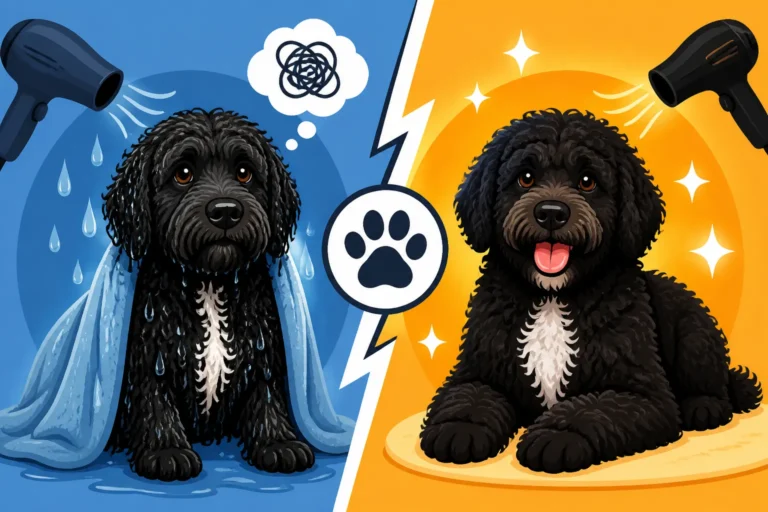
Wetness: This is a big one for water dogs! While their coats are designed to repel water, a soaking wet dog, even a PWD, will get cold much faster than a dry one. If your lion-clipped dog has been swimming in cold water, or if they've been out in a cold rain, their body temperature can drop rapidly. Drying a Portuguese Water Dog After Every Swim is absolutely crucial for their comfort and health. The combination of wetness and cold wind is particularly chilling.
Activity Level: An actively running, playing, or swimming Portuguese Water Dog generates a significant amount of body heat. They're like little furnaces when they're working! A dog standing still, waiting for you, or just leisurely strolling will feel the cold much more quickly than one engaging in vigorous exercise. This is why short potty breaks in freezing weather are often okay, but long, sedentary waits outside are not.
Acclimation: Has your dog spent its entire life in sunny Florida, and now you've moved to a snowy climate? Or perhaps they live in a place with distinct seasons and are used to the gradual drop in temperature. Dogs, like people, can acclimate to temperature changes. A dog that has slowly adapted to cooler weather over weeks will generally handle it better than one exposed to a sudden, drastic drop.
Practical Strategies for Keeping a Lion-Clipped PWD Warm
So, you love the traditional lion clip and want your PWD to be comfortable? Good news! There are plenty of proactive steps you can take to ensure your dog stays warm and happy, regardless of the chill in the air.
Clothing and Protective Gear
This is where the lion clip gives us a clear directive: cover those shaved parts! Dog clothing isn't just a fashion statement; for a lion-clipped PWD, it's a practical necessity in cold weather.
- Dog Coats and Sweaters: Invest in a good quality dog coat or sweater that specifically covers your dog's hindquarters and belly. Look for materials that offer good insulation, like fleece or wool blends. For dry, cold weather walks, a simple fleece or knit sweater can make a world of difference. Think about how much warmer you feel with a good jacket on! These aren't just for looking cute; they provide essential thermal protection. Many options, from practical to stylish, can be found easily on platforms like Chewy or Amazon.
- Waterproof Options: If you live in an area prone to cold rain or snow, a waterproof or water-resistant coat is invaluable. Getting wet and cold is a double whammy for any dog, and even more so for a lion-clipped PWD. A waterproof jacket will help keep their core dry, which is paramount for staying warm.
- Booties: Don't forget their paws! PWDs have those wonderful webbed feet, but they're still susceptible to extreme cold, ice, and harsh chemicals like road salt. Dog booties can protect their pads from frostbite, painful cracks, and irritating substances. Ensure they fit well and don't restrict movement.
When selecting any gear, always make sure it fits properly. It should be snug enough to stay in place but not so tight that it restricts movement or causes chafing. A poorly fitting coat can be more of a hindrance than a help.
Indoor Comfort and Lifestyle Adjustments
Beyond what they wear outside, how you manage your PWD's indoor environment and daily routine can significantly impact their comfort.
- Warm Bedding: Provide plenty of soft, warm bedding. A cozy dog bed with extra blankets is a must. If your floors are typically cold, consider an elevated bed that keeps them off the direct cold surface, or even a self-warming dog bed. A plush bed from a reputable brand you can find on Amazon can make a huge difference in their ability to retain warmth while resting.
- Limiting Outdoor Time: On extremely cold days, especially with wind or precipitation, it's wise to limit prolonged outdoor exposure. Instead of one long walk, opt for several shorter, more frequent potty breaks. If your PWD is used to extensive outdoor activity, consider indoor enrichment games, training sessions, or even a trip to an indoor dog park or facility if available.
- Post-Swim Care: This cannot be stressed enough: immediately after a swim in cool or cold water, thoroughly dry your lion-clipped PWD. Use absorbent towels, and if your dog tolerates it, a high-velocity force dryer (like those often used by professional groomers) is ideal for getting them truly dry down to the skin. Leaving them damp can lead to rapid chilling. What to Do With a Portuguese Water Dog After a Swim comprehensively addresses this vital step.
- Food and Nutrition: An active or working PWD, especially one spending time outdoors in colder temperatures, might need a slight adjustment to their food intake. Maintaining body heat burns calories. Consult with your vet about whether a small increase in their high-quality dog food is appropriate during the colder months. Brands like Ollie, known for fresh, human-grade food, can be a great option for supporting overall health and energy levels, and you can conveniently find similar quality foods on Chewy. Feeding an Athletic Portuguese Water Dog is important year-round, but especially when the mercury drops.
Common Misconceptions and Responsible Ownership
There are a lot of strong opinions about dog grooming, and the lion clip often finds itself at the center of discussion. It’s important to separate myth from reality and focus on responsible care.
The Lion Clip as a "Cruel" Practice
Sometimes, people who are unfamiliar with the Portuguese Water Dog's history and the purpose of the lion clip might view it as purely cosmetic or even unkind, assuming it leaves the dog exposed and cold. However, as we've discussed, the lion clip served a vital functional purpose for the working PWD fisherman's companion. It wasn't about making a fashion statement in the middle of the Atlantic; it was about keeping the dog effective and healthy in its demanding role.
The key to responsible ownership isn't abandoning the clip if you love it and it works for your dog, but rather understanding its implications and adapting your care accordingly. A lion-clipped PWD is perfectly comfortable indoors in a heated home. When venturing outdoors in colder climates, their owner simply needs to be prepared with appropriate clothing, just as a human would bundle up. It's about being observant of your dog's comfort signals and being ready to provide the necessary protection. If your dog is shivering or showing signs of discomfort, it's time to take action, not to blame the clip itself.
Balancing Tradition with Modern Comfort
Ultimately, owning a Portuguese Water Dog means balancing their rich heritage with their needs as a beloved family member in a modern world. While the lion clip is traditional and iconic, it's not the only way to groom your PWD, and it's certainly not mandatory for every dog. Many pet owners opt for the "retriever clip," where the entire body is clipped to a more uniform length, often between 1 to 2 inches. This clip offers more consistent insulation across the whole body and can be a fantastic choice for dogs in colder climates or for owners who prefer a lower-maintenance look. The Retriever Clip Is the Coat Most Portuguese Water Dogs Wear in pet homes for its practicality.
The most important thing is your dog's well-being. If you live in an extremely cold region, or if your individual PWD consistently struggles with the cold even with coats and sweaters, choosing a more uniform, longer clip might be the most compassionate choice. There's no shame in prioritizing your dog's comfort over a specific traditional aesthetic. Most homes today are comfortably heated, so inside, the lion clip usually poses no issue. However, if your home is kept particularly cool, or if your dog prefers cooler spots, ensure they have access to warm, cozy bedding. The beauty of the Portuguese Water Dog is not just in their appearance, but in their joyful spirit and willingness to be your loyal companion, whatever their haircut.
Disclaimer
This article is for general informational purposes only and does not constitute professional advice. Laws, prices and regulations vary by location and change over time. Consult a qualified professional for guidance on your specific situation.