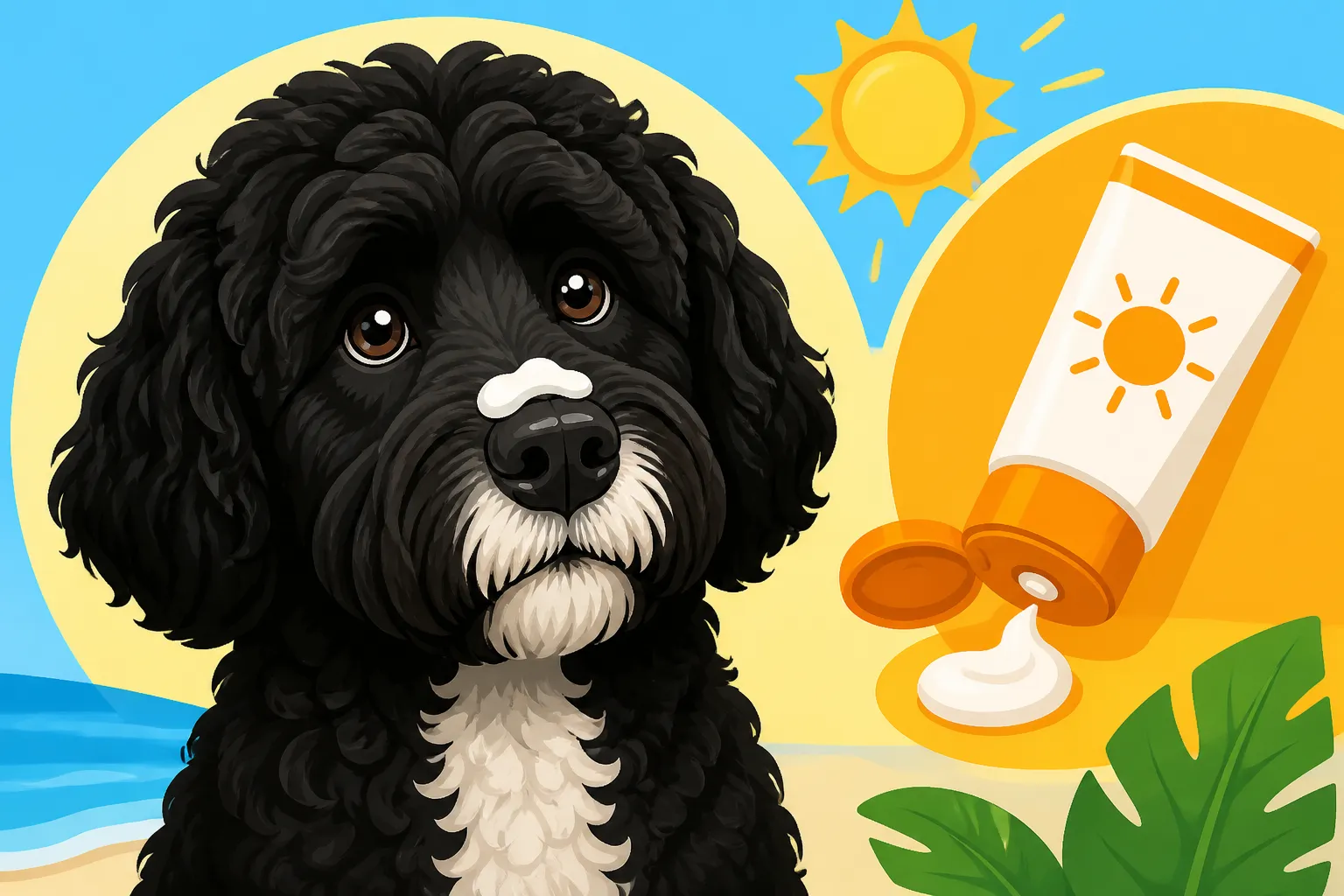
When a Portuguese Water Dog Needs Sunscreen on Its Nose
It can be heartbreaking to see your beloved Portuguese Water Dog develop a red, peeling nose or dry, crusty spots on their skin, especially when you thought their thick, beautiful coat was all the protection they needed. The truth is, just like us, our PWDs are susceptible to sun damage, and their sensitive noses are often the first place it shows. This guide is all about understanding when and why your Portuguese Water Dog needs sunscreen on their nose, along with practical tips to keep them safe and comfortable under the sun.
Why Your Portuguese Water Dog's Nose Needs Protection
You might think with their gorgeous, often dark coats, Portuguese Water Dogs are naturally protected from the sun. And to a large extent, their dense fur does offer a good barrier for most of their body. But there are crucial areas, like their nose, where skin is exposed and vulnerable. Ignoring sun protection can lead to discomfort in the short term and serious health issues down the road, from sunburns to chronic skin conditions and even certain types of cancer.
The Vulnerability of Pigmented Skin
Your Portuguese Water Dog's nose, typically a deep black or rich brown, is an area of exposed skin that, despite its pigment, is quite delicate. Unlike the rest of their body, which is covered by a thick, water-resistant coat that helps regulate temperature and block UV rays, the nose has no such protection. This makes it a prime target for the sun's harsh rays. Think of it like your own nose or the tips of your ears – they're often the first places to get scorched if you forget your own sunscreen.
The melanin in their skin does offer some natural protection, but it's not foolproof, especially during peak UV hours or extended exposure. Over time, repeated sun exposure can cause a condition called solar dermatitis, which can manifest as dry, cracked, or ulcerated skin on the nose. It's painful for them, and it opens the door to secondary infections. Plus, chronic sun exposure significantly increases the risk of squamous cell carcinoma, a type of skin cancer that can be aggressive and difficult to treat on such a sensitive area. You want to keep that beautiful, wet, leathery nose healthy and happy for all those joyful sniffs and greetings.
Beyond the Nose: Other Sensitive Areas
While the nose is definitely a primary concern, it's not the only spot on your Portuguese Water Dog that needs a little extra love when the sun is blazing. Other areas with sparse hair, lighter pigment, or that are frequently exposed can also suffer. For instance, the edges of their ears, especially if they have a thinner curl or are frequently wet and flattened against their head, can burn. The delicate skin around their eyes, even if the eyes themselves are well-shaded, can be susceptible too.
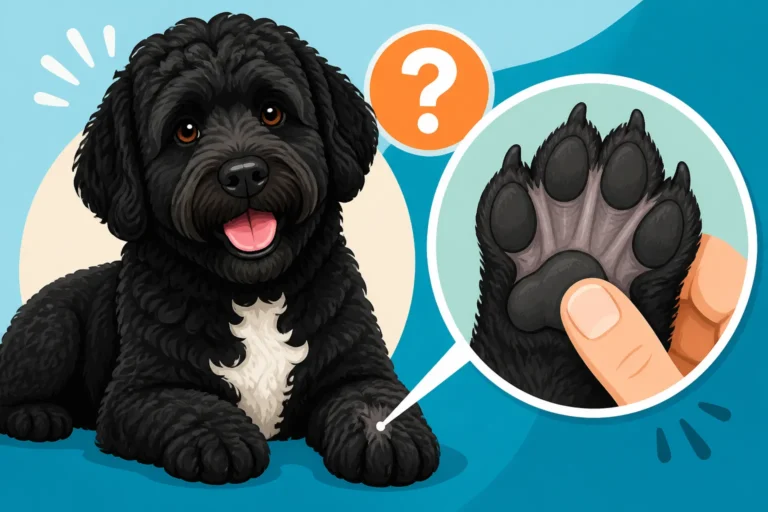
Their bellies and inner thighs, which often have lighter pigment and less hair, are particularly vulnerable when they're lying down to sunbathe or playing on their backs. If your PWD loves to roll around in the grass or splash in the lake, these areas get direct sun exposure. Even their paw pads, though tough, can get burned from hot pavement or direct sun exposure on light-colored pads. It’s all about being observant and knowing your dog's habits. If your PWD has recently had a close clip, exposing more skin than usual, then suddenly, their entire body becomes more vulnerable than you might expect. This is especially true for areas where the fur might be naturally thinner, even on a normally coated dog.
When Sunscreen Becomes Essential for Your PWD
Knowing where to apply sunscreen is only half the battle; knowing when to apply it is just as important. It’s not just about clear, sunny summer days, though those are certainly high-risk times. Several factors can increase your Portuguese Water Dog's need for sun protection, and being aware of them can make all the difference in preventing uncomfortable burns and potential long-term damage.
Sunny Days and High UV Index
This one might seem obvious, but it bears repeating: on bright, sunny days, especially when the UV index is high, your Portuguese Water Dog's exposed skin is at risk. The UV index is a measure of the strength of the sun's ultraviolet (UV) radiation at a particular place and time. Generally, when the UV index is 3 or higher, it's a good idea to consider sun protection for yourself and your dog. Peak hours for UV radiation are typically between 10 AM and 4 PM, even on cloudy days.
Think about those long afternoons at the park, or when you're spending a full Saturday doing yard work and your PWD is right there with you, supervising. Even if they're mostly in the shade, reflected light from concrete, sand, or water can still expose them to significant UV radiation. Don't let a breezy, seemingly cooler day fool you either; UV rays are still powerful. If you're heading out for an extended period, particularly during those peak hours, make sunscreen application a part of your routine. It's a small step that can save them a lot of discomfort. Remember, even a dog with a robust coat can overheat in summer (Whether a Portuguese Water Dog Overheats in Summer), and sun exposure can contribute to that risk.
After a Fresh Clip or in Lighter Coats
This is a big one for Portuguese Water Dog owners. Our dogs' coats are glorious, but they also require regular grooming. While The Clip You Choose Decides a Portuguese Water Dog's Grooming Bill, it also significantly impacts their sun exposure. Many PWD owners opt for a shorter 'retriever clip' for ease of maintenance, especially in warmer weather. While this can be wonderful for keeping them cool, a short clip exposes skin that was previously covered and protected. What the Retriever Clip Leaves and What It Takes often results in a uniform, shorter coat, which means more skin surface is directly exposed to the sun's rays.
Imagine going from wearing a thick sweater all winter to suddenly baring all in a bikini on the first hot day – that's a bit like what happens to your PWD's skin after a close shave. Areas like their back, flanks, and even the top of their head, which were once shielded by several inches of dense curl or wave, are now vulnerable. Lighter-colored coats, even when not freshly clipped, can also offer slightly less protection than very dark, thick coats. While all PWDs are susceptible, those with particularly light pigment on their nose or around their eyes, or those with very fine hair in certain areas, will need extra vigilance. If you've just picked up your pup from the groomer, make sun protection a top priority for the next few weeks until their coat has a chance to grow out a bit. It’s a crucial detail that often gets overlooked, and it directly answers the question Whether a Clipped Portuguese Water Dog Sunburns.
Water Activities and Reflective Surfaces
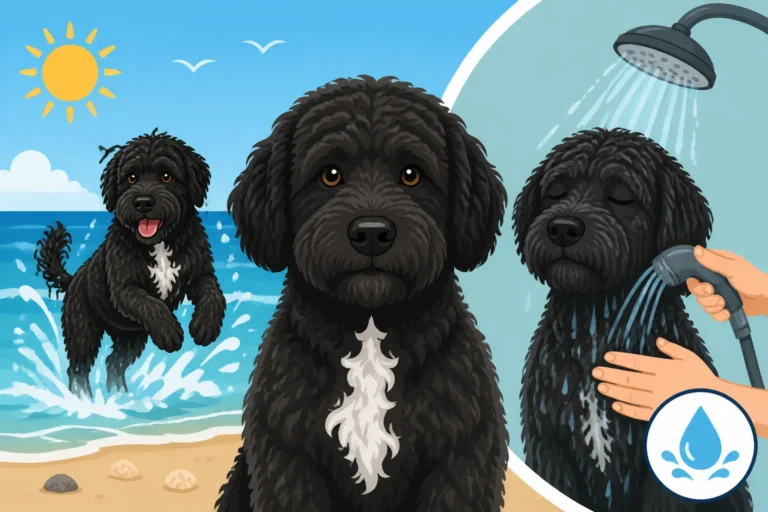
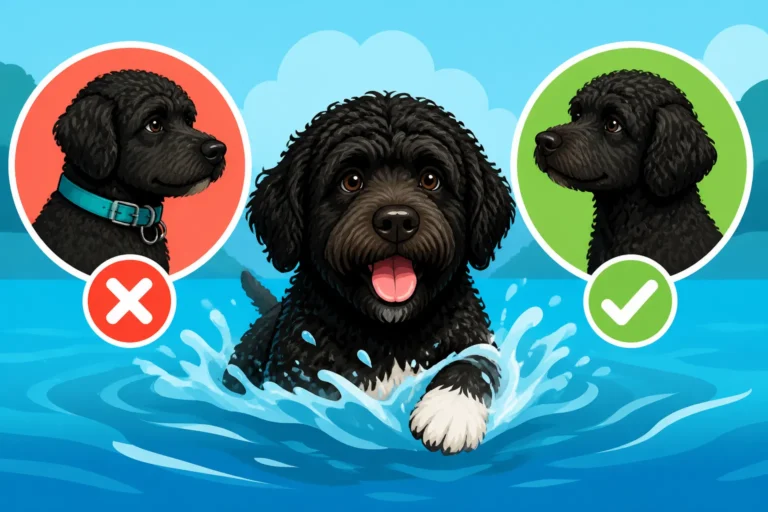
Portuguese Water Dogs, true to their name, are practically synonymous with water. Swimming, splashing, retrieving from lakes, and playing in the ocean are some of their favorite activities. And while water is excellent exercise and mental stimulation for them – indeed, How Often a Portuguese Water Dog Should Swim is a frequent topic among owners – it also intensifies sun exposure. Water acts as a reflective surface, bouncing UV rays back onto your dog, effectively doubling their exposure. Think about how easily you can get a nasty sunburn even while swimming. The same applies to your PWD.
The water itself can also wash off any previously applied sunscreen, making reapplication critical. Beyond natural bodies of water, even reflective surfaces like sand, concrete, or even snow can significantly increase UV exposure. If your Portuguese Water Dog is spending time on a boat, by the pool, or at a sandy beach, the sun's rays will be coming at them from all directions. This reflective effect, combined with the potential for sunscreen to rub or wash off, means you need to be particularly diligent with reapplication and seek shade whenever possible. It's not just about avoiding overheating; it's about protecting their skin from constant UV bombardment. Drying a Portuguese Water Dog After Every Swim is important for skin health and preventing hot spots, but don't forget re-applying sun protection once they are dry.
Choosing and Applying Dog-Safe Sunscreen
Once you've identified the high-risk situations for your Portuguese Water Dog, the next step is selecting and correctly applying a sunscreen that's safe for them. This isn't a "one size fits all" situation, and you absolutely cannot use human sunscreen on your dog. Many ingredients found in our sun protection products are toxic to canines if ingested, and let's face it, our PWDs love to lick.
Ingredients to Look For and Avoid
Choosing a dog-specific sunscreen is paramount. The biggest concern with human sunscreens is the presence of zinc oxide and para-aminobenzoic acid (PABA). Zinc oxide, while effective for humans, is highly toxic to dogs if ingested, leading to severe gastrointestinal issues and even red blood cell damage. PABA can also be problematic. Instead, you want to look for physical blockers like titanium dioxide, which is generally considered safe.
When you're shopping, always check the ingredient list. Many reputable pet supply stores and online retailers like Chewy and Amazon carry dog-specific sunscreens. Look for products that clearly state they are "dog-safe," "pet-safe," or "veterinarian-approved." Natural oils like coconut oil or shea butter offer some mild SPF qualities but are not sufficient as primary sunscreens for extended exposure. They can, however, be good for moisturizing after sun exposure. Always choose products free from fragrances, parabens, and artificial colors, as these can be irritants, especially for a dog that might be prone to Whether a Portuguese Water Dog Gets Skin Allergies.
Here’s a quick guide to ingredients:
| Ingredient Type | What to Look For (Safe) | What to Avoid (Harmful) |
|---|---|---|
| Active Blockers | Titanium Dioxide | Zinc Oxide, PABA |
| Moisturizers | Aloe Vera, Shea Butter, Coconut Oil (as carriers) | Artificial fragrances, dyes |
| Other Considerations | Water-resistant (if swimming), unscented, broad-spectrum | Alcohol-based products, chemical sunscreens (e.g., oxybenzone) |
Always read labels carefully. If you're ever unsure about a product, err on the side of caution and consult your veterinarian. They can recommend specific brands or ingredients that are proven safe and effective for dogs. Some specialized pet brands might even offer spray-on or stick versions that make application a little easier.
Application Tips for Fussy Pups
Applying sunscreen to a wiggly, enthusiastic Portuguese Water Dog who just wants to get to the water can be a bit of an art form. The key is to make it a positive experience and be patient. Start by introducing the tube or spray bottle slowly, letting them sniff it. A little dab of peanut butter or a high-value treat can go a long way in creating a positive association.
For the nose, a small, pea-sized dab applied directly with your finger works best. Gently rub it in until it's absorbed. If your PWD is a licker, try to apply it just before you distract them with a game or a walk, allowing it a few minutes to absorb. For ears, belly, and other body parts, a cream or stick format might be easier to control than a spray, which can be startling and difficult to aim accurately on a moving target. If using a spray, spray it onto your hands first and then rub it onto your dog. Avoid spraying directly onto their face.
Reapplication is crucial, especially after swimming or vigorous activity. Think of it like a toddler at the beach – constantly needing reapplication. If your Portuguese Water Dog has just emerged from a refreshing dip, towel them off thoroughly and then reapply the sunscreen to all exposed areas. The general rule of thumb is every 2-4 hours, or more frequently if they've been in the water. Consistency is key, and the more you practice, the easier it will become for both of you. You want to make sure it's fully absorbed before they decide to give themselves a good shake!
Comprehensive Sun Protection Strategies
Sunscreen is a vital tool in your arsenal, but it's just one piece of the puzzle when it comes to protecting your Portuguese Water Dog from the sun's harmful rays. A truly comprehensive approach involves a combination of strategies to ensure their overall well-being, especially during the warmer months and periods of high outdoor activity.
Shade, Timing, and Protective Gear
One of the simplest and most effective ways to protect your PWD is to limit their direct sun exposure during peak UV hours. This means planning your walks, training sessions, and playtime for early mornings or late evenings, when the sun's rays are less intense. If you must be outside during the middle of the day, seek out natural shade under trees or provide artificial shade with an umbrella or pop-up tent.
For those long days out, especially if you're attending a water trial or a dog show, consider investing in dog-specific protective gear. Lightweight, breathable UV-protective shirts or vests are available from retailers like Amazon and Chewy, and can cover large areas of your dog's body, particularly if they have a shorter clip or thinner What a Portuguese Water Dog's Coat Is Made Of. Some even come with neck and belly coverage. For their eyes, doggles (dog goggles) can provide essential UV protection, particularly if your PWD spends a lot of time on boats or near highly reflective surfaces. While it might seem a bit over the top at first glance, imagine the long-term benefits for their vision and skin health.
Also, always ensure your PWD has access to plenty of fresh, cool water to prevent dehydration and overheating. While not directly related to sunscreen, keeping them hydrated helps their body regulate temperature and cope better with overall heat stress, which often goes hand-in-hand with sun exposure.
Regular Skin Checks and Vet Consultations
Even with the best preventative measures, it's crucial to regularly inspect your Portuguese Water Dog's skin for any signs of sun damage or unusual changes. Make it a habit during your regular grooming or petting sessions. Gently part their fur and look at the skin underneath, paying close attention to the nose, ear tips, belly, and any areas with lighter pigmentation. Feel for any lumps, bumps, crusty patches, or areas of redness and irritation.
Early detection of any issues is key. If you notice persistent redness, scaling, sores that don't heal, or any suspicious growths, don't hesitate to contact your veterinarian. They can properly diagnose the problem and recommend appropriate treatment, which might range from a topical cream for a mild sunburn to a biopsy for a suspicious lesion. Your vet can also advise on the best sunscreens and protective strategies specific to your dog's coat type, skin sensitivity, and lifestyle. They might suggest yearly skin checks as part of your PWD's overall health regimen, especially as they get older. Caring for an Aging Portuguese Water Dog often includes more frequent health checks, and skin health is certainly a part of that. Being proactive and observant is the best way to ensure your Portuguese Water Dog lives a long, happy, and healthy life under the sun.
Disclaimer
This article is for general informational purposes only and does not constitute professional advice. Laws, prices and regulations vary by location and change over time. Consult a qualified professional for guidance on your specific situation.