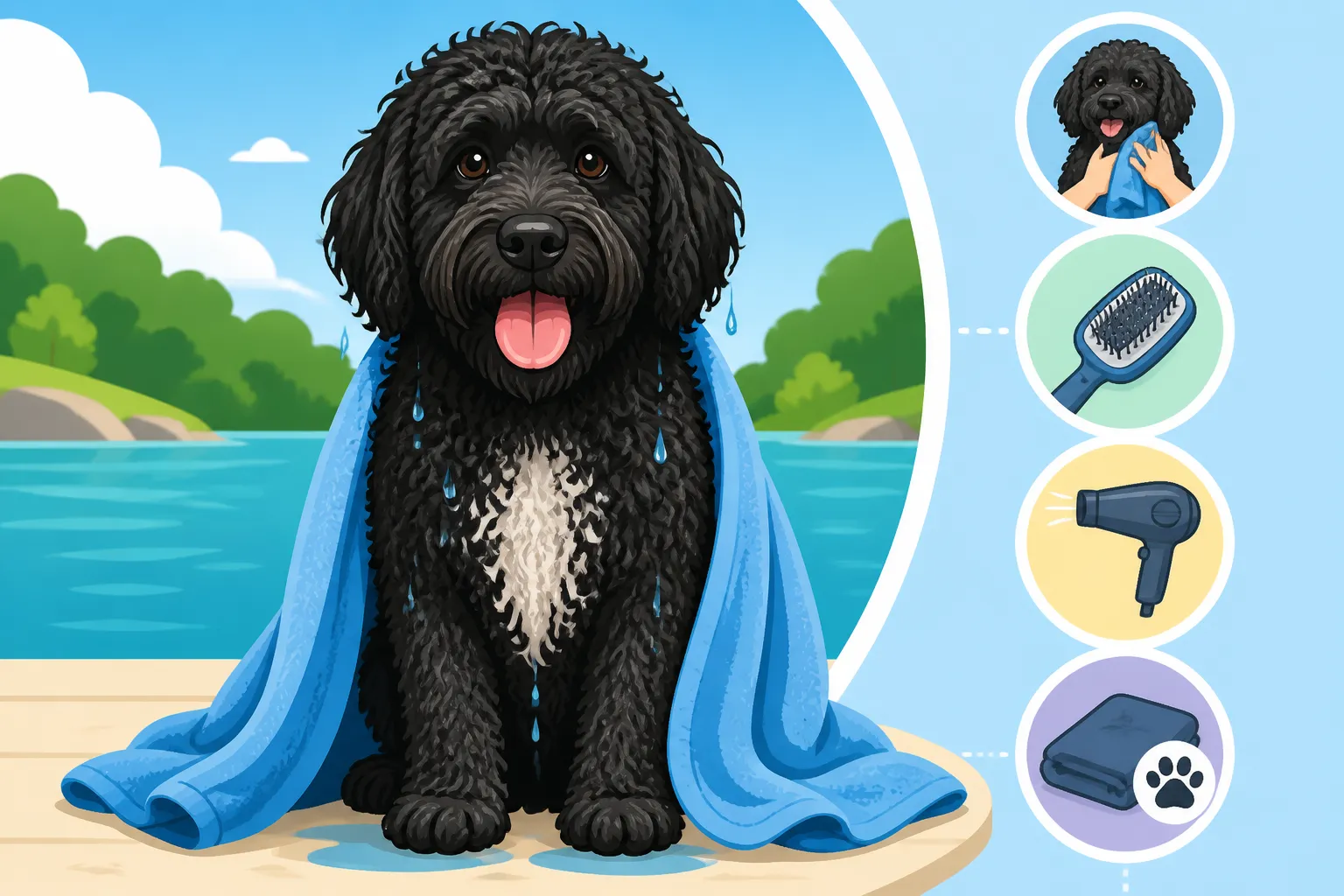
What to Do With a Portuguese Water Dog After a Swim
That moment when your Portuguese Water Dog emerges from the lake, ocean, or even the backyard kiddie pool, tail wagging, eyes bright, utterly drenched, is a familiar one for any PWD owner. While their waterproof coat is a marvel for keeping them warm in the water, it’s a whole different story when it comes to drying them off and preventing the inevitable issues that can arise from a constantly damp dog. This guide is here to walk you through the essential steps and routines to ensure your water-loving companion stays healthy, comfortable, and mat-free after every glorious splash.
The Immediate Aftermath: Getting Your PWD Dry
You know the drill: your PWD shakes, water flies everywhere, and suddenly your perfectly clean kitchen is a war zone. But beyond the mess, getting your dog thoroughly dry after a swim is crucial for their health and comfort. Neglecting this step can lead to a host of problems, from skin irritations to stubborn mats.
Towel Drying and Initial Absorption
The first line of defense against a soaking wet Portuguese Water Dog is a good, absorbent towel. You might think one towel is enough, but with a PWD’s dense, water-holding coat, you’ll quickly realize you need an arsenal. Their coat isn’t just water-resistant; it’s designed to trap water and keep them insulated, which means it holds onto moisture for dear life.
Start by gently, but firmly, squeezing excess water from their coat. Don't just rub frantically, as this can start to tangle the wet hair and create future mats. Instead, pat and squeeze the coat, working your way from head to tail. Pay special attention to their ears, paws, and undercarriage, which tend to hold a lot of water. Many PWD owners swear by specialized microfiber dog towels or even chamois-style towels, which can absorb significantly more moisture than a regular bath towel. Having a designated "dog towel" bin near the door or their favorite swim spot can make this immediate post-swim routine much smoother. Remember, this initial towel-off isn't about getting them completely dry, but about removing as much surface water as possible to kickstart the drying process and prevent them from tracking puddles throughout your home.
The Role of a Force Dryer
Let’s be honest, air-drying a Portuguese Water Dog is a recipe for disaster. Their unique coat, whether curly or wavy, is a matting magnet when left to air dry. The individual hairs twist and knot as they dry, creating tight, uncomfortable mats that are incredibly difficult to remove. This is where a force dryer becomes not just a convenience, but an absolute necessity for PWD owners. A force dryer, unlike a human hairdryer, blows high-velocity, unheated or low-heated air, literally blasting water out of the coat. If you’ve ever wondered What a Force Dryer Does for a Portuguese Water Dog, you'll quickly learn it's a game-changer.
The first few times you introduce your PWD to a force dryer, they might be a bit wary of the noise and sensation. It's important to make it a positive experience. Start with short sessions, offering plenty of treats and praise. You can begin by simply turning it on in the room while they're doing something enjoyable, gradually moving it closer. When you actually start drying, keep the nozzle moving constantly to avoid concentrating air on one spot for too long. Work in sections, starting with areas your dog tolerates best, like their back or hindquarters, before moving to more sensitive spots like the head and ears. This isn't just about speed; it's about thoroughly separating the hairs down to the skin, ensuring every strand is dry and preventing those insidious mats that form at the base of the coat. Without a force dryer, you're looking at hours of air drying, followed by painful de-matting sessions, which neither you nor your PWD will enjoy.
Protecting Their Skin and Coat Health
The Portuguese Water Dog's coat is truly magnificent, but it requires specific care, especially after repeated exposure to water. Different types of water bring different challenges, and a damp coat is a breeding ground for various skin and coat issues. Maintaining a diligent post-swim routine is key to keeping their skin healthy and their coat glorious.
Rinsing After Specific Water Types
Not all water is created equal when it comes to your PWD's coat and skin. A quick dip in a chlorinated pool requires different aftercare than a vigorous swim in the ocean or a splash in a murky lake. Understanding these differences can save you a lot of headache and vet visits.
For starters, after a swim in salt water – say, a fantastic day at the beach – a thorough fresh water rinse is non-negotiable. Saltwater can be incredibly drying to a dog's skin and coat, leading to irritation, itchiness, and even accelerating mat formation. You might find their coat feels stiff and brittle if you skip this step. Imagine how your hair feels after a day at the beach without rinsing; it's similar for your PWD, but amplified by their dense coat. A good, long rinse under a hose or in a tub helps wash away all those salt crystals, preventing them from drawing moisture out of the skin. If you're wondering Whether Salt Dries a Portuguese Water Dog's Coat Into Mats, the answer is a resounding yes, so rinse, rinse, rinse!
Chlorine from swimming pools is another irritant. While it's fantastic for keeping the pool clean, it can strip natural oils from your dog's coat and dry out their skin. Some PWDs can even develop a rash or itchiness from prolonged chlorine exposure. Whether Pool Chlorine Hurts a Portuguese Water Dog is a common question, and while it's not immediately harmful in moderation, repeated exposure without rinsing can certainly take a toll. A gentle fresh water rinse immediately after leaving the pool is crucial to dilute and wash away the chlorine residue. For PWDs that are frequent pool swimmers, you might even consider a conditioning spray or a very mild, moisturizing shampoo once a week to help replenish their skin's natural moisture barrier.
Lake or pond water, while seemingly natural, can harbor bacteria, algae, and parasites that can cause skin infections or other health issues. If your PWD has been swimming in a natural body of water, especially one that looks a bit stagnant or has a lot of visible plant life, a full bath with a gentle dog shampoo is often the safest bet. Even if the water seems clean, a quick rinse is still a good idea to remove any mud, debris, or unseen microorganisms that might be clinging to their coat. The goal here is to remove anything that could potentially irritate their skin or cause an infection.
Preventing Mats and Skin Irritations
The dense, curly or wavy coat of a Portuguese Water Dog is beautiful, but it's also incredibly prone to matting, especially when wet. Mats aren't just an aesthetic problem; they can pull on the skin, causing pain and discomfort, and can even lead to skin infections and hot spots because trapped moisture and bacteria thrive underneath them. Preventing mats starts before the swim.
A thorough brush-out before your PWD gets wet is your first line of defense. Any existing tangles will only become tighter and more stubborn once water is introduced. Use a good quality slicker brush and a metal comb to ensure you get all the way down to the skin, removing any loose hair and small knots. Many PWD owners find that their dog's coat mats worst behind the ears, in the armpits, and on the tail, so give these areas extra attention. After the swim, once the initial towel-drying and rinsing are done, you’ll need to brush again during the force-drying process. As you dry each section of coat, brush through it to ensure the hair dries straight and untangled. This is a critical step to prevent knots from forming as the hair dries.
Beyond matting, a damp coat can also contribute to various skin irritations, including dreaded hot spots. Hot spots are acute moist dermatitis lesions that can appear suddenly and worsen rapidly. They are often triggered by moisture trapped against the skin, allowing bacteria to multiply. Ensuring your PWD is thoroughly dry, down to the skin, after every swim is the most effective way to prevent these painful flare-ups. If you notice any redness, excessive licking, or unusual odor on their skin, it's time for a closer inspection and potentially a trip to the vet. Keeping your PWD on a high-quality diet, perhaps one that promotes skin and coat health (some owners opt for fresh food options like those from Ollie), can also contribute to their overall resilience against skin issues.
Essential Ear Care Post-Swim
One of the most common issues Portuguese Water Dog owners face after a swim is ear problems. Their floppy ears, combined with a dense coat that can trap moisture, create the perfect breeding ground for bacteria and yeast. It's a frustrating cycle for many, but with consistent care, you can drastically reduce the risk of uncomfortable and costly ear infections.
Why PWDs Are Prone to Ear Infections
If your Portuguese Water Dog loves the water (and let’s face it, most do!), you’re probably already familiar with the battle against ear infections. Their ear structure, with a long, floppy ear flap, naturally limits air circulation. Add to that the thick hair inside the ear canal and the water-trapping nature of their coat, and you have a recipe for disaster. Why a Portuguese Water Dog's Ear Canal Traps Water is pretty clear: it’s just how they’re built! Water gets in easily but struggles to evaporate, creating a warm, moist environment that yeast and bacteria adore.
It’s not just the water itself; the debris, dirt, and microorganisms from various swimming spots can also enter the ear canal and contribute to infection. Many PWD owners have experienced the frustration of treating one infection only for another to pop up weeks later. This isn't a sign of bad ownership; it's simply a genetic predisposition that requires extra vigilance. Understanding this vulnerability is the first step toward proactive care. Recognizing the Signs a Portuguese Water Dog's Ear Is Infected early, such as head shaking, scratching, redness, or a foul odor, is crucial for prompt treatment.
Cleaning and Drying the Ears
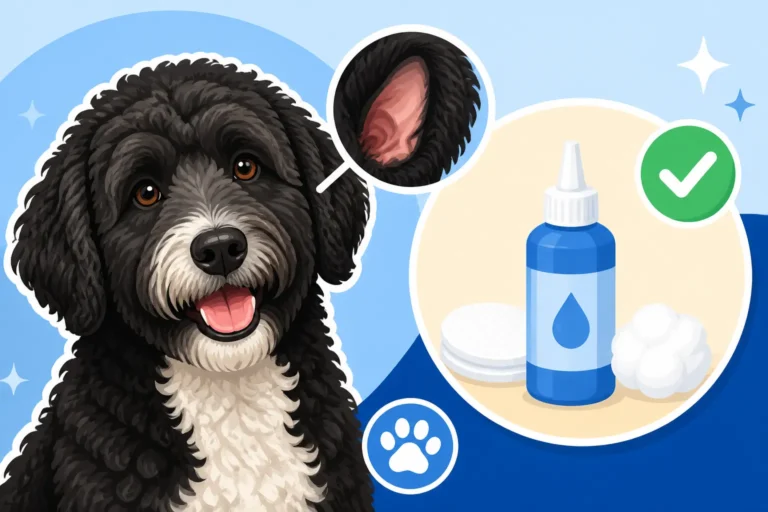
Given their predisposition, thorough ear care after every swim is non-negotiable. This isn't just a casual wipe; it's a dedicated part of the post-swim routine. Start by gently folding back the ear flap to expose the ear canal. Use a soft towel or cotton ball to carefully dry the outer ear and the visible parts of the canal. Remember, you should never insert anything deeply into your dog's ear canal, as this can cause damage or push debris further in.
Next, apply a vet-approved ear cleaning and drying solution. Many excellent products are available, often containing ingredients that help break down wax and inhibit bacterial or yeast growth. You can find a wide selection on platforms like Chewy or Amazon. Follow the product instructions carefully, but generally, you'll apply a generous amount into the ear canal, gently massage the base of the ear for 20-30 seconds to help the solution work its way down, and then allow your dog to shake their head. This shaking action helps dislodge debris and excess solution. Finally, use fresh cotton balls or soft wipes to clean out any visible debris or discharge. Repeat with the other ear.
For PWDs that swim frequently, using an ear drying solution designed to evaporate moisture can be a lifesaver. This step is particularly important for How Often a Swimming Portuguese Water Dog Needs Ear Cleaning. While daily cleaning might be too much, certainly after every significant swim, and at least once a week as part of general grooming, is a good baseline. Some owners opt to very carefully trim the hair around the opening of the ear canal to improve air circulation, but be extremely cautious if you do this, or better yet, have your groomer handle it. However, the practice of Whether a Portuguese Water Dog's Ear Hair Should Be Removed by plucking is a topic of debate, as some believe it can actually irritate the follicles and increase the risk of infection. Discuss this with your vet or a trusted professional groomer to determine the best approach for your individual dog.
Foot and Nail Care: Often Overlooked
While the coat and ears often get the most attention after a swim, your Portuguese Water Dog's feet are just as important. Their webbed feet are perfectly designed for propulsion in water, but this unique structure, combined with constant moisture and exposure to various terrains, means they require careful inspection and maintenance.
Checking Paws and Webbing for Debris
After every swim, especially if your PWD has been in natural environments like lakes, rivers, or the ocean, a thorough check of their paws is essential. Their magnificent webbed feet, while perfect for swimming, can easily trap debris between the pads and within the webbing. This could be anything from small stones, twigs, or sharp shells to abrasive sand or even pesky foxtails. These foreign objects can cause discomfort, irritation, and even deep cuts if not removed promptly.
Gently spread their toes and inspect the entire pad and webbing area. Look for any redness, swelling, cuts, or punctures. If you find any debris, carefully remove it with tweezers if it's small and superficial. For deeper cuts or embedded objects, it's best to consult your vet. Beyond foreign objects, also check for any signs of irritation or infection, such as excessive licking, redness, or a yeasty smell, which can be exacerbated by prolonged dampness. Remember, your PWD uses their feet constantly, and even a small irritation can quickly become a significant problem if overlooked. This diligent inspection is a small investment of time that can prevent much larger issues down the line.
Maintaining Nail and Pad Health
Constant exposure to water can also impact the health of your PWD's nails and paw pads. While swimming can naturally wear down nails to some extent, it's often not enough, and long nails can lead to discomfort, alter their gait, and even cause foot problems. Regularly trimming their nails, perhaps with clippers or a dremel, is vital. Aim for a length where the nails don't touch the ground when your dog is standing.
Paw pads can become softened by prolonged wetness, making them more susceptible to abrasions, cuts, and even fungal infections. While PWDs have naturally robust pads, keeping them healthy is part of good care. After drying their feet, you might consider applying a dog-specific paw balm or moisturizer to help keep the pads supple, especially if they've been on rough terrain or in chlorinated water. This helps prevent them from becoming too dry and cracked. If your PWD is particularly active or prone to paw pad issues, you can find a variety of protective balms and waxes on platforms like Amazon or Chewy that help create a barrier against the elements and promote healing. Don't forget to trim the hair between their pads regularly. This hair can trap even more moisture and debris, contributing to matting and potential skin issues within the paw itself. Keeping it neat allows for better air circulation and makes cleaning much easier.
Post-Swim Routines and Environment
After the rigorous drying and cleaning, it’s not just about your Portuguese Water Dog’s physical state; it’s also about ensuring their environment supports their continued well-being. A damp dog can quickly make a damp house, and sustained dampness in their resting areas can lead to further problems. Thoughtful management of their space is just as important as the grooming itself.
Providing a Comfortable, Dry Resting Space
Once your Portuguese Water Dog is thoroughly dried and their ears and paws are taken care of, they're going to want to relax. Providing them with a comfortable, dry place to rest is paramount. It might seem obvious, but a damp dog on a damp bed is a recipe for skin problems, not to mention a persistent "wet dog" smell permeating your home. If your PWD is accustomed to a crate, ensure it has clean, dry bedding. If they typically sleep on dog beds, invest in covers that are easily removable and washable.
Many PWD owners opt for waterproof or water-resistant dog beds, which can be a lifesaver. These beds prevent any residual moisture from soaking into the inner cushioning, which can lead to mold, mildew, and lingering odors. Having a couple of sets of bedding on rotation means you always have a clean, dry option ready. When you’re dealing with a dog that loves water as much as a PWD, frequent washing of their bedding is simply part of life. Regularly changing and washing their blankets, crate pads, and bed covers, perhaps on a weekly basis, helps maintain a hygienic and odor-free resting environment. This also prevents any lingering bacteria or yeast from building up, which could then transfer back to your freshly cleaned dog, defeating all your hard work. Whether a Damp Portuguese Water Dog Should Be Crated is a common question, and the answer is yes, if they are thoroughly dry. A damp dog in a crate for extended periods is not a good idea.
Managing the Home Environment
Beyond your dog's immediate resting spot, managing the wider home environment is crucial for both their health and your sanity. A wet Portuguese Water Dog can introduce a lot of moisture and potential mess into your living space. Consider setting up a "drying station" near a back door or in a laundry room, equipped with extra towels, an ear cleaner, and perhaps even their force dryer. This localized approach helps contain the post-swim chaos.
Waterproof mats or runners in high-traffic areas, especially where your PWD might enter the house or spend time immediately after a swim, can protect your flooring and prevent slips. For furniture, investing in washable slipcovers or dedicated dog blankets (again, easily found on Amazon) can protect your sofas and chairs from dampness and odors. The "wet dog smell" is a familiar foe, and while thorough drying helps immensely, a consistent cleaning routine for your dog's belongings and living areas will keep it at bay. This includes regularly vacuuming, washing dog towels, and even using pet-safe air fresheners if needed. Remember, the goal is to create a seamless transition from the water to a dry, comfortable indoor life, ensuring both your PWD’s health and your home’s cleanliness are maintained.
| Water Type | Immediate Rinse Required | Specific Concerns | Recommended Post-Rinse Actions |
|---|---|---|---|
| Ocean/Salt Water | Yes, thorough | Salt drying, coat stiffness, skin irritation | Full freshwater rinse, thorough towel dry, force dry to skin, brush to prevent mats. Consider moisturizing spray. |
| Pool/Chlorinated | Yes, thorough | Chlorine stripping natural oils, skin irritation | Full freshwater rinse, thorough towel dry, force dry to skin, brush. Use ear drying solution. |
| Lake/Pond Water | Yes, preferably with soap | Bacteria, algae, parasites, debris, mud | Full bath with gentle dog shampoo, thorough towel dry, force dry to skin, brush. Inspect paws/webbing closely for debris. Ear cleaning and drying. |
| Rain/Puddle | Often, depending on dirt | Mud, environmental pollutants | Towel dry, especially feet and undercarriage. Rinse if visibly muddy. Ear check. |
Disclaimer
This article is for general informational purposes only and does not constitute professional advice. Laws, prices and regulations vary by location and change over time. Consult a qualified professional for guidance on your specific situation.