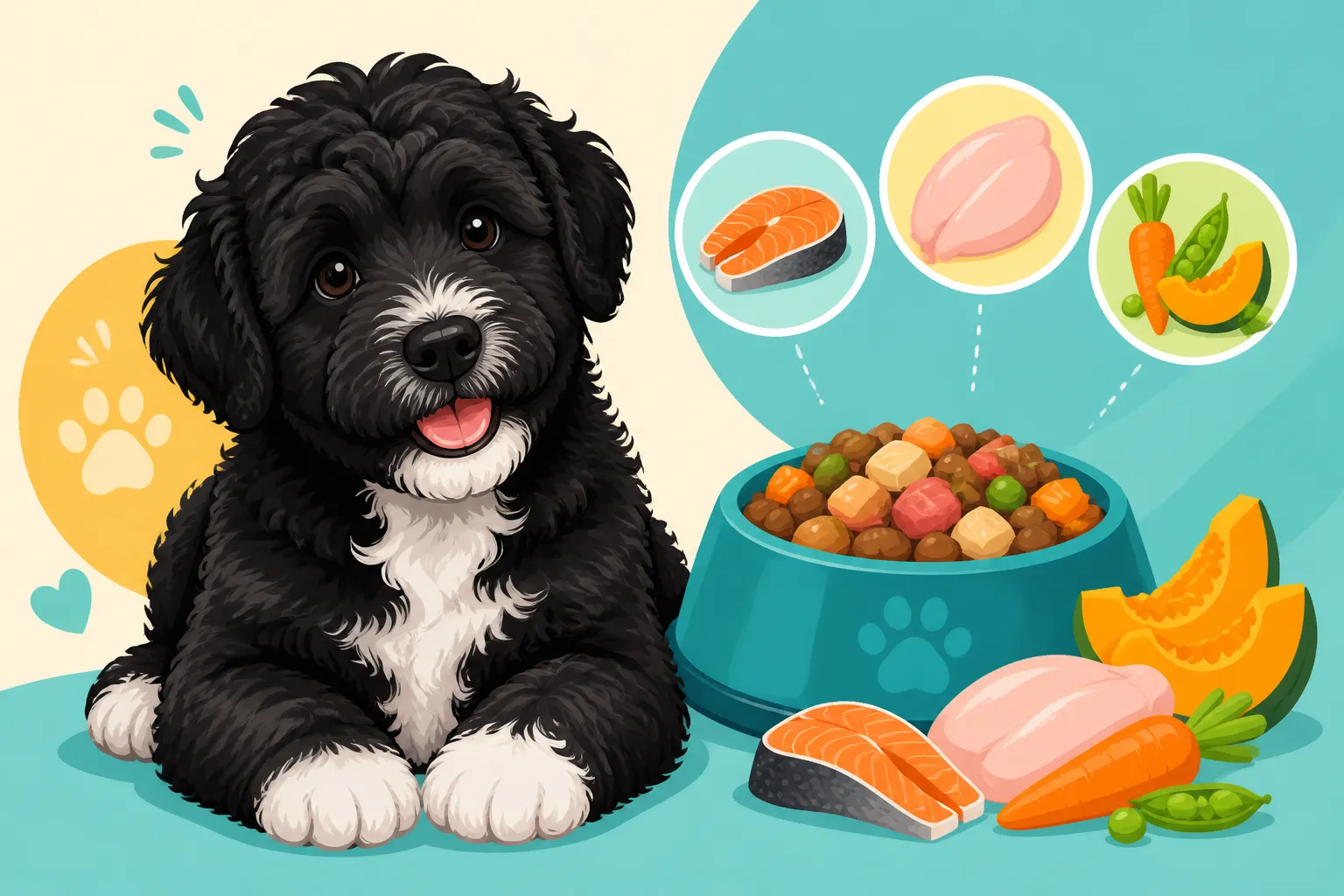
What a Portuguese Water Dog Puppy Eats at Four Months
Bringing home a Portuguese Water Dog puppy is an incredibly exciting time, full of wagging tails and endless energy. But amidst all the joy, many new owners feel a real sense of anxiety when it comes to feeding, especially when their furry friend hits that four-month mark. You’ve moved past the initial tiny puppy stage, but they’re not yet an adult, leaving you wondering exactly what, how much, and how often your energetic PWD pup should be eating. This guide aims to demystify the dietary needs of your four-month-old Portuguese Water Dog, ensuring they get the best start possible.
Understanding Your Four-Month-Old PWD's Nutritional Needs
At four months old, your Portuguese Water Dog puppy is still very much a rapidly growing creature, but they're transitioning from the most intense early growth spurt. This stage is absolutely critical for developing strong bones, healthy muscles, and a robust immune system. Getting their nutrition right now lays the groundwork for a healthy, active adult life.
Why Growth Stages Matter for Diet
Think about a human teenager – they eat a lot, but their growth isn't just about getting bigger; it's about developing correctly. It's much the same for your four-month-old PWD. They're still growing incredibly fast, but the type of growth is evolving. Earlier, it was all about rapid weight gain and development of basic systems. Now, while still gaining size, the focus also shifts to bone density and muscle development. This means their food needs to support sustained, steady growth, rather than just raw calories. Too much, too fast, can actually be detrimental, potentially leading to orthopedic issues down the line. We really want to encourage a slow, steady growth rather than pushing for maximum size too quickly. For more on this, you might find Why a Portuguese Water Dog Puppy Should Grow Slowly helpful.
Their bones are still forming, and their joints are developing. An imbalanced diet, particularly one with too much calcium or phosphorus, can interfere with this delicate process, potentially predisposing them to problems like hip or elbow dysplasia later in life. Their diet needs to be precisely formulated to provide all the essential nutrients in the right ratios for optimal skeletal and muscular development without overloading their system. They are incredibly active, even at this young age, so that energy has to come from somewhere, and it needs to be high-quality fuel.
The Balance of Macronutrients
When you look at puppy food, the main things you'll see highlighted are protein, fat, and carbohydrates. These macronutrients are the building blocks of energy and growth for your PWD puppy. For a four-month-old, the balance is crucial.
- Protein: This is paramount for muscle development and repair. Your PWD puppy is a little bundle of muscle and energy, and they need high-quality animal-based protein sources, like chicken, beef, or fish, to build and maintain their strong, athletic physique. Look for named meat sources as the first ingredient on the food label. Protein also supports healthy organ function and enzyme production.
- Fats: Don't let the word "fat" scare you! Healthy fats are a concentrated source of energy, vital for your puppy's sustained activity levels, and crucial for brain and eye development. They also play a huge role in maintaining that beautiful, dense Portuguese Water Dog coat. Omega-3 and Omega-6 fatty acids are particularly important, often found in fish oil. These fats also help with nutrient absorption, ensuring your puppy gets the most out of every meal.
- Carbohydrates: While often misunderstood, carbohydrates provide readily available energy. For an active PWD puppy, complex carbohydrates like sweet potatoes, brown rice, or peas can offer sustained energy release without causing sugar spikes. They also provide fiber, which is important for healthy digestion. The key is quality carbohydrates, not cheap fillers.
Choosing the Right Food for Your PWD Puppy
The sheer number of puppy food options out there can be overwhelming. It feels like every brand claims to be the best, leaving you scratching your head. For your four-month-old Portuguese Water Dog, making an informed choice is about understanding what those labels really mean and what works best for your individual pup.
Decoding Puppy Food Labels
The ingredient list on your puppy's food bag is your best friend. Don't just glance at the front of the bag; turn it over and read carefully. The first few ingredients listed are the most abundant. For a growing PWD, you want to see quality, identifiable animal protein sources listed first. Think "chicken meal," "deboned chicken," "lamb," or "salmon." "Meat meal" can be a good, concentrated source of protein, but "meat by-products" are generally less desirable as their source can be less consistent.
Avoid foods that rely heavily on fillers like corn, wheat, or soy, especially as the primary ingredients. While not inherently harmful to all dogs, these can sometimes be harder for some puppies to digest and offer less nutritional value compared to whole grains or vegetables. Look for a balanced vitamin and mineral profile, especially calcium and phosphorus, which are critical for bone development in growing puppies. Ensure the food is formulated for "growth" or "all life stages" and ideally, specifically for "large breed puppies" even though PWDs are more medium-large, as this often means a more controlled calcium-to-phosphorus ratio to prevent overly rapid growth, which can stress developing joints. When a Portuguese Water Dog Needs Large Breed Puppy Food delves into this further.
Dry Kibble, Wet Food, or Something Else?
There are several popular feeding philosophies, and what works for one PWD might not be ideal for another.
- Dry Kibble: This is the most common choice for many reasons. It's convenient, cost-effective, and helps keep teeth clean. High-quality kibbles are formulated to provide complete and balanced nutrition. When selecting a kibble, look for reputable brands with good quality control. Many owners find great options through online retailers like Chewy, which offers a vast selection and often home delivery. The firm texture also encourages chewing, which can aid in jaw development and keep teeth cleaner, though not a substitute for regular dental care later on.
- Wet Food: Generally more palatable, wet food can be a good option for picky eaters or for increasing hydration, especially if your PWD is very active and drinks a lot of water. It can be fed alone or mixed with kibble to entice a reluctant eater. However, it's typically more expensive and doesn't offer the same dental benefits as dry kibble.
- Fresh or Raw Food: This category includes commercially prepared fresh food (often refrigerated) or raw diets. Services like Ollie deliver fresh, human-grade food directly to your door, offering pre-portioned meals based on your puppy's age, weight, and activity level. Some owners also opt for a do-it-yourself raw diet, but this requires extensive research and careful preparation to ensure it's nutritionally complete and safe, which can be a significant undertaking. While these options can provide excellent nutrition, they are often the most expensive and require careful handling and storage. Always consult with your veterinarian before embarking on a raw food diet.
Ultimately, the best food is one your puppy thrives on, maintains a healthy weight with, and enjoys eating. If you're considering a specialized diet or have concerns, a chat with your vet is always a good idea.
How Much to Feed and When to Feed Your Four-Month-Old PWD
Getting the "how much" and "how often" right can feel like a guessing game, but there are clear guidelines to help you. Your four-month-old Portuguese Water Dog puppy has a fairly consistent routine, and maintaining that will benefit their digestion, energy levels, and even their potty training.
Portions and Feeding Frequency
Most puppy food bags will have a feeding chart based on age and anticipated adult weight. This is your starting point, but remember, it's a guideline, not an unbreakable law. Every puppy is an individual! A very active PWD puppy that spends hours swimming or playing fetch might need a bit more, while a slightly less energetic pup might need a little less.
At four months, most Portuguese Water Dog puppies will do well on three meals a day. This helps stabilize their blood sugar, ensures a steady stream of nutrients for growth and energy, and prevents them from getting overly hungry between meals. Spreading their daily caloric intake across three meals also aids digestion, reducing the likelihood of an upset stomach.
Here’s a general example of a daily feeding schedule:
| Time | Meal Type | Notes |
|---|---|---|
| 7:00 AM | Morning Meal (Kibble) | Often the largest meal to fuel morning activity. Add water if desired for hydration. |
| 1:00 PM | Midday Meal (Kibble) | Smaller than morning meal. Great for a quick energy boost after a walk or play session. |
| 6:00 PM | Evening Meal (Kibble) | Similar to midday meal. Allow plenty of time before bedtime for digestion and a final potty break. |
| Throughout Day | Fresh Water | Always available. Replenish frequently. |
Portion sizes: Refer to your specific food bag's recommendations for puppies of your PWD's current weight. For instance, if the bag recommends 3 cups total for a puppy of their size, you would divide that into three 1-cup servings.
It's crucial to monitor your puppy's body condition. You should be able to feel their ribs easily without seeing them protruding. They should have a defined waist when viewed from above. If they look too thin, you might need to slightly increase their portions; if they're getting a bit chubby, a slight decrease is in order. Regularly weighing your puppy will help you track their growth and adjust food intake accordingly. Weighing a Portuguese Water Dog Puppy Every Week can provide further insights into this crucial habit.
The Importance of Consistency and Schedule
Dogs are creatures of habit, and your PWD puppy thrives on routine. Feeding them at roughly the same times each day helps regulate their digestive system and gives them a sense of security. This consistency isn't just good for their physical health; it also helps with behavior and house training. A predictable feeding schedule means a predictable potty schedule, making training much easier.
If you free-feed (leaving food out all day), it can be difficult to monitor how much your puppy is actually eating, which can be problematic if they become ill or their appetite changes. It can also make house training a nightmare, as there’s no clear correlation between mealtime and elimination time. Sticking to a schedule means you know when they’ve eaten, how much, and when to expect them to need to go outside. This also helps prevent them from becoming overly picky, as they learn that food is available at specific times, and if they don't eat it, it will be gone until the next meal. This structured approach helps ensure a happy, healthy, and well-adjusted puppy.
Common Feeding Challenges and Solutions
Even with the best intentions and the right food, sometimes feeding your four-month-old Portuguese Water Dog can present a few hurdles. It’s important to remember that puppies, like children, have their quirks, and understanding common issues can help you navigate them with patience and confidence.
Picky Eaters and Mealtime Battles
A PWD puppy who suddenly turns up their nose at food can be frustrating. You've spent time choosing what you think is the perfect diet, and they just… aren't interested. This can be particularly true if your Portuguese Water Dog is a How Portuguese Water Dog Is a Fussy Eater by nature. First, rule out any health issues; a sudden loss of appetite should always warrant a call to your vet. Assuming they're healthy, here are a few things to consider:
- Are you offering too many treats? Sometimes, we're so eager to reward good behavior that puppies fill up on treats, making their regular meals less appealing. Cut back on treats, or ensure they're very small and low-calorie.
- Is the food fresh? Kibble can go stale, and wet food can dry out if left too long. Store kibble in an airtight container to maintain freshness.
- Are they genuinely picky, or are they just playing you? PWDs are smart. If refusing food consistently leads to you offering tastier alternatives, they quickly learn to hold out for something better. Put the food down for 15-20 minutes. If they don't eat it, pick it up until the next scheduled meal. They won't starve themselves, and this teaches them that mealtime is when food is available.
- Try adding a topper: A little bit of warm water, plain unsalted chicken broth, or a tablespoon of canned pumpkin (pure pumpkin, not pie filling!) can make dry kibble more appealing. You can also mix in a small amount of wet food.
- Consider a different protein source: Sometimes, puppies just don't care for a particular flavor. If your current food is chicken-based, try a lamb or salmon formula. Many quality foods, available on platforms like Amazon or Chewy, offer a variety of flavors.
Remember, patience is key. Your puppy won't intentionally starve themselves. Stick to a routine, offer good quality food, and address any changes in appetite with your veterinarian.
Digestive Upset and What It Means
Puppies can have sensitive tummies, and your four-month-old PWD is no exception. Changes in diet, stress, or even just eating something they shouldn't have can lead to digestive upset like diarrhea or vomiting. This can be a sign of a Whether a Portuguese Water Dog Has a Sensitive Stomach, or it could be something transient.
- Signs of Digestive Upset: Loose stools, diarrhea (especially with blood or mucus), vomiting, excessive gas, lethargy, loss of appetite, or signs of abdominal pain (like reluctance to be touched or a hunched posture).
- Common Causes:
- Sudden food changes: Always transition to a new food gradually over 7-10 days, mixing increasing amounts of new food with decreasing amounts of old food.
- Eating something inappropriate: Puppies are curious and will try to eat anything! Keep tempting items out of reach.
- Parasites: Intestinal worms are common in puppies. Ensure your PWD is on a regular deworming schedule as advised by your vet.
- Stress: A new environment, vet visit, or change in routine can sometimes cause a temporary upset.
- Food sensitivities: Less common at four months but possible.
- What to Do:
- Mild Upset: If your puppy has a single episode of vomiting or mild diarrhea but is otherwise acting normal and energetic, you can try withholding food for 12-24 hours (withholding food is typically only for older puppies, consult your vet first) and offering small amounts of water frequently. After the fast, offer a bland diet of boiled plain chicken and white rice for a few days before gradually reintroducing their regular food.
- When to Call the Vet: Always call your vet if your puppy is lethargic, has repeated vomiting or severe diarrhea, bloody stools, appears to be in pain, or has a fever. Puppies can dehydrate very quickly, and what might seem like a minor upset can become serious quickly. It's always better to err on the side of caution with a young puppy.
Understanding and addressing these challenges quickly will help keep your PWD puppy on track for a healthy, happy life. The first year with a Portuguese Water Dog puppy is a steep learning curve, but immensely rewarding! The First Year With a Portuguese Water Dog Puppy offers a deeper dive into overall care during this crucial period.
Disclaimer
This article is for general informational purposes only and does not constitute professional advice. Laws, prices and regulations vary by location and change over time. Consult a qualified professional for guidance on your specific situation.