What Care a Portuguese Water Dog Needs Its Whole Life
Bringing a Portuguese Water Dog into your life is an incredible joy, full of wet noses and enthusiastic greetings. But if you're like many new (or even experienced!) owners, you might quickly realize that the vibrant, intelligent, and often boisterous personality of this breed comes with a lifetime commitment to specific care needs that aren't always obvious. This guide is here to walk you through the essential care your Portuguese Water Dog will need from their energetic puppy days right through their golden senior years, helping you navigate the evolving demands of keeping them healthy and happy.
Navigating the Unique Demands of Portuguese Water Dog Coat Care
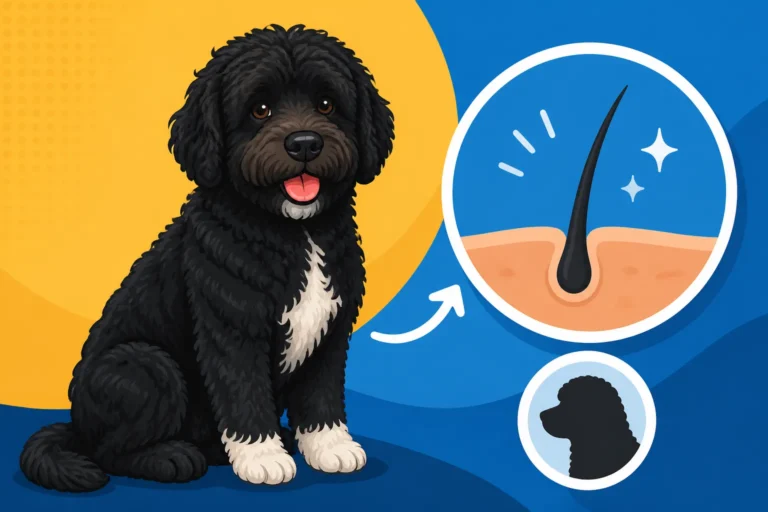
The Portuguese Water Dog's coat is undeniably one of its most defining features, but it's also a significant commitment. Far from being a wash-and-wear kind of dog, their single coat – whether curly or wavy – is designed to protect them in the water, but on land, it demands regular attention to prevent matting and skin issues. Understanding this from day one is crucial for their comfort and health.
Understanding Your PWD's Coat Type and Its Implications
First things first, your Portuguese Water Dog will have one of two distinct coat types: curly or wavy. Both are glorious, non-shedding (meaning they don't drop hair, but rather the dead hair gets caught in the growing coat), and require dedicated care. However, they do present slightly different grooming challenges. A Curly or Wavy: the Two Portuguese Water Dog Coats primer can really help you understand what you're dealing with.
The curly coat tends to be tighter, forming dense, cylindrical curls. It can feel quite coarse to the touch and offers excellent insulation. The wavy coat, on the other hand, is softer, with more open waves that can sometimes appear shaggier. While both types are prone to matting, many owners find the curly coat can form tighter, harder-to-reach mats, especially if not brushed frequently enough. The wavy coat might give the illusion of being less maintenance, but its softer texture can actually felt more quickly into broad sheets of matting if neglected. From puppyhood, their coat is undergoing changes, and you'll notice their soft puppy fuzz giving way to a more adult texture. This transition period, typically between 6 to 18 months, is often the worst for matting as the two coat textures tangle together.
The Lifelong Routine of Brushing and Bathing
This is where the rubber meets the road. Brushing is your first line of defense against mats, and it needs to be a regular, almost daily, ritual for most PWDs. You're not just running a brush over the top; you need to line brush, getting down to the skin to ensure no tangles are forming at the base of the hair shaft. A good quality slicker brush and a sturdy metal comb are your best friends here. You might find a wide variety of these tools on Amazon or Chewy. Always brush your dog when their coat is slightly damp – never completely dry, as this can break the hair, and never soaking wet, as this makes it impossible to get through tangles. Focus on areas prone to matting: behind the ears, in the armpits, under the harness, and where their legs meet their body. These are often the spots where mats develop first and can become painful quickly.
Bathing ties directly into brushing. While PWDs don't need a bath every single week unless they've had a particularly messy adventure, regular bathing (every 2-4 weeks for most pet PWDs) is essential to keep their skin healthy and their coat clean. After a swim, especially in salt water or chlorinated pools, a thorough rinse is non-negotiable to prevent irritation and matting. But here's the kicker: after every single bath or swim, your Portuguese Water Dog must be dried completely. Air-drying is simply not an option for this breed. Their dense coat traps moisture against the skin, creating a perfect breeding ground for hot spots and other skin infections. A high-velocity force dryer is indispensable for pushing water out of their coat quickly and efficiently. It might sound like a lot, but this thorough drying process also helps to blow out loose undercoat and minimize tangles before they set in. Drying a Portuguese Water Dog After Every Swim is a skill you'll master early on!
Professional Grooming vs. Home Clipping
While daily brushing and regular bathing are something you'll likely tackle at home, the actual clipping of your Portuguese Water Dog's coat presents a choice: professional grooming or DIY. Many owners opt for professional groomers every 6-8 weeks, especially if they prefer the more traditional "Lion Clip" which is a work of art, or simply don't have the time or tools for home clipping. A good groomer who understands the PWD coat can keep them looking sharp and tidy. Just remember, a matted dog will often incur a higher grooming fee, or even require a full shave-down, which no owner wants.
For those who brave home clipping, investing in quality clippers and blades is paramount. The "Retriever Clip" is a common choice for pet PWDs, as it's functional and easier to maintain than the Lion Clip. It leaves an even length all over the body, usually a couple of inches, maintaining their natural look without the dramatic shave of the hindquarters. You'll need to learn how to properly hold the clippers, how to clean and oil them, and which blade lengths work best for your dog's specific coat texture. Regular trimming of the hair between their paw pads is also important to prevent debris collection and maintain traction. As your dog ages, you might even consider clipping them a bit shorter for ease of care, as an Aging Portuguese Water Dog's Coat can sometimes change texture or become more challenging to manage.
Lifelong Health and Wellness: Beyond the Basics
Caring for a Portuguese Water Dog means being proactive about their health from the moment they join your family. While they are generally a robust breed, they are prone to certain genetic conditions and common canine ailments that require vigilance and regular veterinary care. Your veterinarian will become one of your most important partners.
Regular Veterinary Check-ups and Vaccinations
Just like us, PWDs need regular check-ups to stay on top of their health. Puppies, of course, have a more intense schedule of vaccinations, deworming, and initial health screenings. It's so important that a Portuguese Water Dog Puppy Should Be Vet Checked at Eight Weeks as a basic step. As they grow into adulthood, annual wellness exams become the standard. These visits aren't just for shots; they're an opportunity for your vet to perform a thorough physical, check their weight, listen to their heart and lungs, examine their teeth and ears, and discuss any changes you've noticed in their behavior or habits. Early detection of potential issues is always best. As your PWD matures, these check-ups might include annual bloodwork to monitor organ function, especially before any anesthetic procedures or as part of general senior care.
It's also essential to stay current on preventative medications for heartworm, fleas, and ticks. Given their love for water and the outdoors, these parasites can be a real threat. Discuss with your vet which products are most suitable for your dog's lifestyle and local parasite prevalence. The Vaccination Schedule a Portuguese Water Dog Puppy Needs will be a key discussion point with your vet.
Understanding Breed-Specific Health Concerns
While no breed is entirely free of health issues, the Portuguese Water Dog community has worked hard to identify and test for several important genetic conditions. Responsible breeders will conduct a comprehensive battery of tests on their breeding stock to minimize the risk of passing these conditions on to puppies. These tests often cover:
- GM1 Gangliosidosis: A devastating neurological disorder. Luckily, widespread testing has made it quite rare today. You should always confirm Whether GM1 Still Appears in Portuguese Water Dogs with your breeder.
- Juvenile Dilated Cardiomyopathy (JDCM): Another severe genetic heart condition that can cause sudden death in young puppies. Juvenile Dilated Cardiomyopathy Kills a Portuguese Water Dog Puppy Fast and there's no warning sign without testing.
- Progressive Retinal Atrophy (PRA): There are two main forms, prcd-PRA and EOPRA, both leading to blindness. Regular eye exams by a veterinary ophthalmologist are often recommended in addition to DNA testing. Two Kinds of Retinal Atrophy in a Portuguese Water Dog details these conditions.
- Hip and Elbow Dysplasia: These orthopedic conditions can lead to arthritis and pain. Screening involves X-rays, typically performed around two years of age. Hips and Joints in a Portuguese Water Dog can be a concern.
- Addison's Disease: An autoimmune disorder affecting the adrenal glands, often called "the great pretender" because its symptoms can mimic many other illnesses. It's a condition that requires lifelong management if diagnosed. Addisons Disease Is Common in Portuguese Water Dogs in the breed.
When considering a puppy, a reputable breeder will be transparent and eager to share the results of these tests for both parents. Don't be shy about asking to see the documentation.
Dental Care and Ear Health
Two often-overlooked aspects of lifelong care are dental hygiene and ear health. Dental disease is incredibly common in dogs and can lead to serious health problems elsewhere in the body if left untreated. Regular brushing of your PWD's teeth at home, along with professional dental cleanings under anesthesia when recommended by your vet, are crucial. Start brushing their teeth when they're puppies to get them accustomed to it.
Given their love for water and their ear structure (floppy ears that cover the ear canal), Portuguese Water Dogs are particularly susceptible to ear infections. Why a Swimming Dog Gets Ear Infections is a common question from owners. Weekly ear checks are a must. Look for redness, discharge, or any foul odor. If your dog is shaking their head or scratching their ears, it's time for a vet visit. After every swim or bath, thoroughly dry their ears, including the ear canal, with a soft cotton ball or pet-safe ear drying solution. Some owners also trim or pluck hair from the ear canal (if recommended by their vet or groomer) to improve airflow, though this is a debated topic and should only be done with professional guidance. Regular cleaning with a vet-approved ear cleanser can help prevent issues.
Fueling Their Active Lifestyle: Nutrition and Exercise
A Portuguese Water Dog isn't just a pretty face; they are an athletic, intelligent, and highly energetic breed. Their diet and daily activity levels are intimately linked to their overall health and happiness throughout their lives.
Choosing the Right Diet for Every Stage
Just like people, a dog's nutritional needs change as they age. A high-quality diet is the foundation of good health. For puppies, a diet formulated for large breed puppies is often recommended to support slow, steady growth and help prevent orthopedic issues. As adults, an active PWD needs a diet that provides adequate protein and calories to sustain their energy levels without causing them to become overweight. Many owners find success with premium kibble brands, while others explore fresh food options. You can find a wide selection of dog food brands and options on Chewy, or explore fresh food providers like Ollie. Feeding an Athletic Portuguese Water Dog means choosing wisely.
Senior PWDs might benefit from diets lower in calories (if they're slowing down) and often higher in joint-supporting ingredients like glucosamine and chondroitin. Always monitor your dog's weight and body condition. It can be tricky to tell if a PWD is gaining weight under all that coat! You should be able to feel their ribs easily without pressing hard. Your vet can help you determine an ideal weight and calorie intake for your individual dog based on their age, activity level, and any underlying health conditions. Remember that treats should be given in moderation and factored into their daily calorie count.
Here’s a general overview of dietary considerations by life stage:
| Life Stage | Key Nutritional Needs | Common Considerations |
|---|---|---|
| Puppy (0-12 mo) | High protein, balanced calcium/phosphorus, adequate fat | Small, frequent meals; large breed puppy formula; monitor growth |
| Adult (1-7 yrs) | High-quality protein, moderate fat, complex carbohydrates | Maintain ideal weight; adjust for activity level; consistent feeding schedule |
| Senior (8+ yrs) | Joint support, moderate protein, lower calories (if less active) | Monitor weight; easily digestible ingredients; adjust for dental health |
Meeting Their Innate Need for Exercise and Mental Stimulation
This is perhaps the most significant commitment for a Portuguese Water Dog owner. These dogs were bred to work long hours alongside fishermen on boats – retrieving, herding fish, and carrying messages. They are not content to be couch potatoes. A Portuguese Water Dog Was Bred to Work a Boat, Not a Yard, and they absolutely need a job to do.
Daily exercise, ideally 1-2 hours, is non-negotiable. This isn't just a leisurely walk around the block; it needs to be vigorous activity. Think long walks, runs, hikes, or, ideally, swimming! Swimming is a perfect activity for PWDs because it's low impact on their joints and utilizes their entire body. Why Swimming Protects a Portuguese Water Dog's Joints is a key benefit. Consider activities like dock diving or water trials if you have access to appropriate facilities, as these tap into their natural instincts. Even if you don't have open water nearby, structured play, fetch, and rigorous games in a secure yard are essential.
Beyond physical exercise, their intelligent minds need to be engaged. A bored PWD is a destructive PWD. They thrive on mental challenges. Puzzle toys, training sessions, scent work, agility, and obedience classes are all excellent ways to keep their brains busy. These dogs love to learn and respond well to positive reinforcement training. They have a strong desire to please, but also an independent streak, so training needs to be consistent, fair, and fun. Why a Portuguese Water Dog Puts Everything in Its Mouth often stems from boredom and a need to interact with their environment, so redirecting this natural behavior with appropriate chew toys and mental games is key.
Remember, a well-exercised and mentally stimulated Portuguese Water Dog is a happy, well-behaved companion. Neglecting these needs can lead to frustration for both you and your dog, manifesting in unwanted behaviors like chewing, barking, or digging. This commitment to their physical and mental well-being truly lasts their The Twelve to Fifteen Years a Portuguese Water Dog Gets.
Disclaimer
This article is for general informational purposes only and does not constitute professional advice. Laws, prices and regulations vary by location and change over time. Consult a qualified professional for guidance on your specific situation.