Whether an Aging Portuguese Water Dog Should Be Clipped Shorter
As our beloved Portuguese Water Dogs gracefully enter their golden years, many of us start noticing changes, not just in their energy levels, but often in their glorious, distinctive coats. The question inevitably arises: should we change up their grooming routine, perhaps by clipping them shorter? It's a common dilemma, rooted in a desire to keep our senior pups comfortable and well-cared for, especially when their tolerance for long grooming sessions or harsh weather might be waning. This guide is all about navigating those decisions, exploring the nuances of an aging PWD's coat, and helping you determine the best clipping strategy for their comfort and health in their senior years.
Understanding the Aging Portuguese Water Dog's Coat
Just like us, our Portuguese Water Dogs experience changes as they age, and their coat is no exception. That thick, vibrant, often incredibly dense coat that once powered them through frigid waters might start to feel a little different. It's not uncommon for owners to observe changes in texture, thickness, and even the ease with which it mats. These aren't just aesthetic shifts; they can profoundly impact your senior dog's comfort and your grooming routine.
How an Aging Coat Changes
One of the most frequent observations is a change in coat texture. What was once a resilient, springy curl or wave might become softer, finer, or even a bit more brittle. This can happen gradually, almost imperceptibly, until one day you realize brushing feels different. This shift in texture can make the coat more prone to matting, even with a consistent grooming schedule. The hair might also become thinner in some areas, or conversely, feel even denser and harder to penetrate with a brush. It's a natural part of the aging process, but it certainly adds a new layer to coat care. You might also notice their coat losing some of its deep color, appearing a bit faded or showing more grey, particularly around the muzzle and eyes, truly marking them as a distinguished senior. If you're curious about other age-related changes, you might find What Changes in an Aging Portuguese Water Dog's Coat helpful.
The Impact of Health on Coat Condition
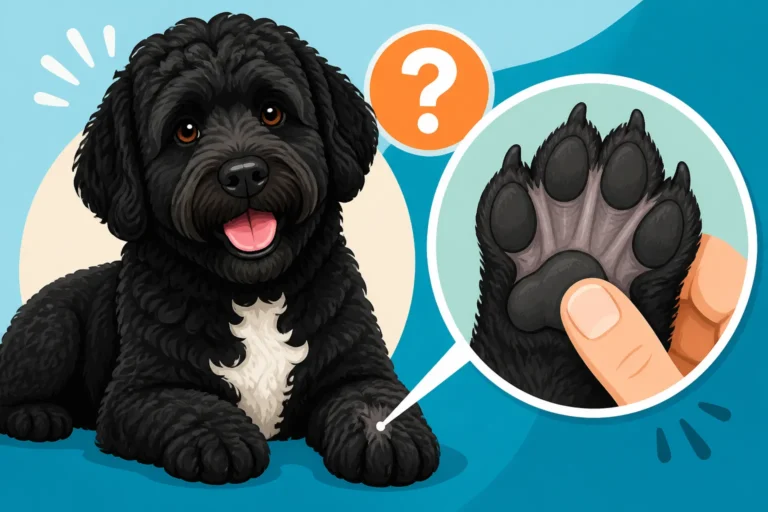
Beyond just age, an aging Portuguese Water Dog's coat condition can be a telling indicator of their overall health. Underlying health issues, even subtle ones, often manifest in the coat. Conditions like hypothyroidism, kidney disease, or even chronic pain can lead to a dull, dry, brittle, or excessively shedding coat. If your PWD is experiencing discomfort, they might resist grooming or even self-groom less effectively, leading to more mats. It's a tricky cycle. For instance, if they have arthritis, standing for a long grooming session can be painful, making quick, efficient grooming even more critical. Keep an eye out for changes beyond just texture; excessive dryness, flakiness, or patches of hair loss should always prompt a visit to your vet. Don't forget that a Portuguese Water Dog's dense coat can sometimes hide weight loss or other physical changes, so regular hands-on checks are important.
Benefits and Drawbacks of a Shorter Clip for Seniors
Deciding to clip your aging Portuguese Water Dog shorter is a personal choice, and there are valid reasons for and against it. What works wonderfully for one senior PWD might not be ideal for another, so it's all about weighing the pros and cons with your individual dog in mind.
The Argument for a Shorter Clip
For many owners, a shorter clip offers a compelling solution to common senior dog challenges. Firstly, it drastically reduces the time and effort required for grooming. Those long, arduous brushing sessions that might be painful for a dog with aching joints become much shorter and less frequent. This alone can improve your dog's quality of life, making grooming a more pleasant experience. A shorter coat is also far less prone to matting. This means fewer painful de-matting sessions and less risk of skin irritation developing under matted fur.
Secondly, a shorter coat can significantly improve comfort, especially in warmer climates or during summer months. While PWDs have a single coat and can handle some heat, a very dense or matted coat can make overheating more likely. Clipping shorter allows for better air circulation against the skin. Lastly, and importantly, a shorter cut can make it easier for owners to monitor their senior dog's body condition. It’s easier to spot lumps, bumps, skin issues, or changes in muscle mass that a long, fluffy coat might otherwise conceal. These checks are crucial for Caring for an Aging Portuguese Water Dog.
Potential Downsides and Considerations
While a shorter clip has many benefits, there are a few drawbacks to consider. One primary concern is the loss of some of the coat's natural insulation. While it helps in heat, a very short clip might make your PWD more susceptible to cold in winter, especially if they are less active or have a thinner coat due to age. You might find yourself reaching for a dog coat or sweater more often.
Another point is the sun protection offered by a longer coat. A very close shave can expose delicate skin to sunburn, especially if your PWD spends a lot of time outdoors. If you opt for a short cut, remember to apply dog-safe sunscreen to exposed areas, particularly the nose and any areas with thin fur. Finally, the iconic look of the Portuguese Water Dog, whether in a show-style Lion Clip or a shaggy Retriever Clip, does involve a certain amount of length. A very short clip completely changes their appearance, which while purely aesthetic, is something some owners might miss. You can find more details on different clips in Which Clip Suits a Pet Portuguese Water Dog.
| Factor | Shorter Clip (Pros) | Shorter Clip (Cons) |
|---|---|---|
| Grooming Time | Significantly reduced, less frequent | Still requires regular checks, but less intensive |
| Matting Risk | Greatly minimized | Does not eliminate, but drastically reduces |
| Comfort (Heat) | Improved air circulation, less risk of overheating | Can reduce natural insulation in cold weather |
| Comfort (Cold) | Reduced natural insulation, may need extra layers | Longer coat offers more warmth |
| Skin Health Monitoring | Easier to spot lumps, bumps, skin issues | Increased risk of sunburn on exposed skin |
| Sun Protection | Reduced, may require dog-safe sunscreen | Natural barrier against sun |
| Aesthetics | Alters traditional PWD appearance | Maintains breed-specific look |
| Pain/Mobility | Less strain on joints during grooming | No direct impact, but grooming still requires standing |
Practical Grooming for Your Older PWD
Regardless of whether you choose to clip shorter or maintain some length, adapting your grooming routine for an aging Portuguese Water Dog is crucial. Their needs change, and our methods should evolve to ensure their comfort and well-being.
Adapting Your Clipping Schedule and Style
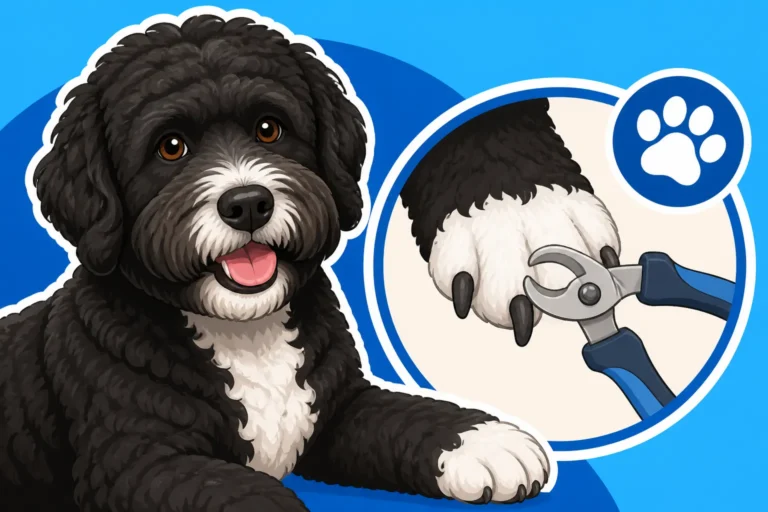
If you decide a shorter clip is right for your senior PWD, communicate clearly with your groomer. Discuss specific areas where your dog might be sensitive or prone to matting. You might opt for a uniform "utility clip" all over, keeping the coat about an inch or two long, which is a great balance between ease of care and protection. Remember that even with a shorter clip, your dog will still need regular trims, typically every 6-8 weeks, to keep it tidy and prevent it from getting too long. Some owners find that doing a "puppy cut" style, which keeps the coat consistently short all over, is a comfortable and practical option.
For PWDs with painful joints or anxiety during grooming, consider more frequent, shorter sessions. A patient, understanding groomer is invaluable here. If you groom at home, invest in good quality, quiet clippers and a stable grooming table. You can find excellent options on Amazon or Chewy. This helps minimize stress and discomfort. Remember, even a short coat needs to be kept clean, so regular baths are still essential, followed by thorough drying.
Minimizing Stress During Grooming
This is paramount for any senior dog. Their patience might be thinner, their bodies more fragile. Start with a calm environment. Use non-slip mats on your grooming table or in the tub to help them feel secure and prevent slips. Speak to them in a soothing voice. Offer plenty of praise and high-value treats (like those from Ollie that are often softer and easier for senior teeth). If your dog shows signs of discomfort or anxiety, take a break. Push too hard, and you risk making future grooming sessions even more challenging.
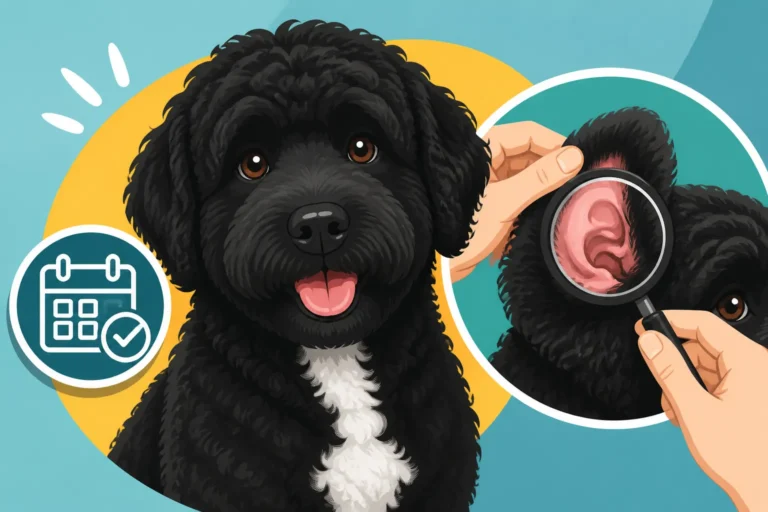
Consider breaking up grooming tasks into smaller chunks. Instead of one long session, maybe brush one day, bathe another, and clip a third. For PWDs who struggle to stand, a professional groomer might be able to offer specialized accommodations, like grooming while lying down or using supportive slings. Always check their ears for infection signs, especially if they still swim, as senior dogs can be prone to ear issues. Remember, How a Portuguese Water Dog Hides Pain means you need to be extra vigilant for subtle cues during grooming.
Holistic Care Beyond the Haircut
A shorter clip can certainly make life easier, but it's just one piece of the puzzle when it comes to caring for an aging Portuguese Water Dog. Their overall health and comfort depend on a holistic approach that includes diet, exercise, and attentive veterinary care.
Diet and Supplements for Senior PWDs
As your PWD ages, their nutritional needs shift. They might become less active, requiring fewer calories to prevent weight gain, or conversely, they might need extra support for muscle maintenance or joint health. Look for senior-specific dog foods that are formulated to address these changing needs. Many brands, including those found on Chewy, offer excellent senior formulas. If your dog has dental issues, softer foods or wet food toppers might be beneficial.
Supplements can also play a vital role. Joint supplements containing glucosamine and chondroitin are often recommended to support aging cartilage and reduce discomfort from arthritis. Fish oil can promote healthy skin and coat, as well as support cognitive function. Always consult your veterinarian before adding any new supplements to your dog's regimen. They can advise on appropriate dosages and ensure there are no interactions with existing medications. Learning about When a Portuguese Water Dog Needs Joint Supplements can be very beneficial.
Maintaining Activity and Mental Engagement
Even if your senior PWD isn't as spry as they once were, maintaining appropriate levels of physical activity and mental engagement is crucial. Gentle walks, short swimming sessions (if they still enjoy water and it's safe for their joints), and interactive puzzle toys can keep their bodies moving and their minds sharp. Swimming is often excellent for senior dogs as it's low-impact and supportive for joints. Whether an Aging Portuguese Water Dog Still Wants to Swim delves deeper into this.
However, be mindful of their limitations. Don't push them too hard, especially in extreme weather. Short, frequent bursts of activity are often better than one long, exhausting session. Keep an eye on their cues – if they're lagging behind or showing signs of pain, it's time to rest. Mental stimulation is just as important; practicing old tricks, learning new simple commands, or engaging with scent games can provide enrichment without physical strain. This keeps their spirits up and helps stave off cognitive decline. Overall, What Care a Portuguese Water Dog Needs Its Whole Life emphasizes the importance of ongoing attention to their changing needs.
Regular Veterinary Check-ups and Monitoring
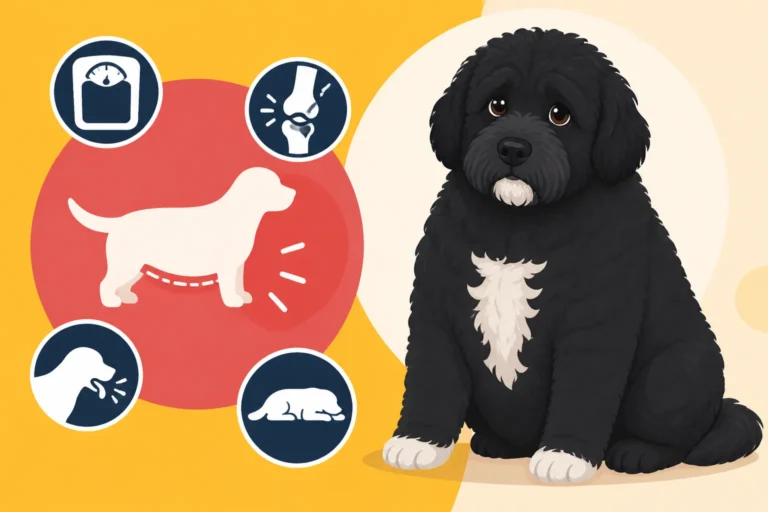
Perhaps the most critical aspect of caring for an aging Portuguese Water Dog is consistent veterinary care. Senior dogs benefit greatly from more frequent check-ups, often twice a year, to catch any emerging health issues early. These visits typically include blood work, urine analysis, and a thorough physical examination. Early detection of conditions like kidney disease, thyroid imbalances, or even cancer can significantly improve prognosis and quality of life.
Be proactive in discussing any changes you observe, no matter how minor they seem. Changes in appetite, water intake, urination habits, mobility, or temperament are all important clues for your vet. Don't assume something is "just old age" without having it checked out. Your veterinarian can work with you to create a comprehensive care plan tailored to your senior PWD's specific needs, ensuring they live out their golden years as comfortably and happily as possible.
Disclaimer
This article is for general informational purposes only and does not constitute professional advice. Laws, prices and regulations vary by location and change over time. Consult a qualified professional for guidance on your specific situation.