Why a Portuguese Water Dog Has Webbed Feet
One of the first things people notice about a Portuguese Water Dog, especially if they’ve had the joy of seeing one at play, is their undeniable affinity for water. But what truly sets them apart, physically, from many other breeds, enabling their incredible aquatic prowess? It’s their unique, perfectly engineered webbed feet. This comprehensive guide will dive deep into why this breed possesses such a distinctive feature, exploring its history, function, and what it means for owning one of these magnificent dogs.
The Anatomy of a Champion Swimmer: Understanding Webbed Feet
When you think of a dog's foot, you probably picture distinct toes, maybe some fur between them, and sturdy pads. But a Portuguese Water Dog's foot is a marvel of natural engineering, specifically adapted for life in the water. It's not just a cute quirk; it's a functional masterpiece.
What "Webbed" Really Means for a PWD
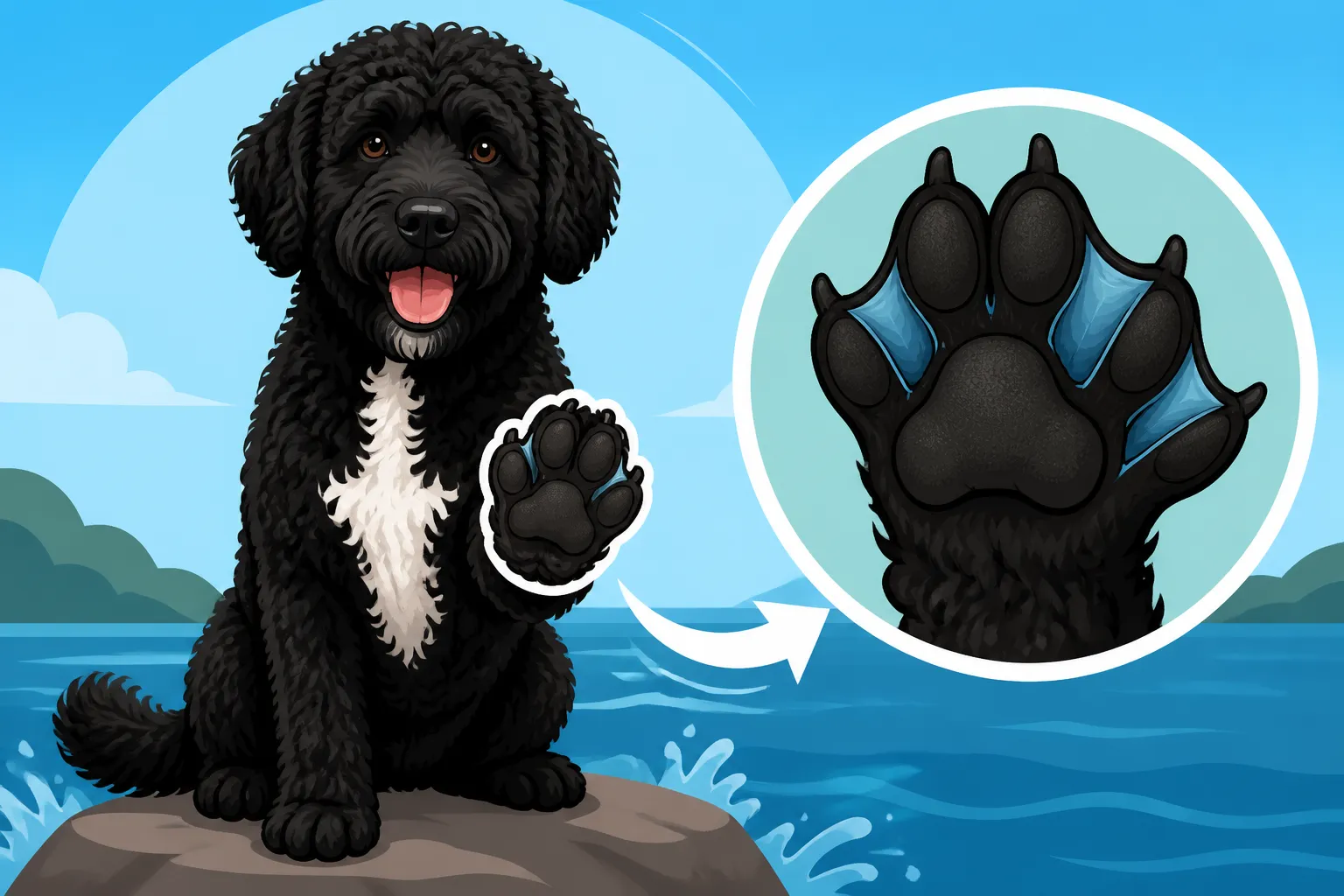
Many dog breeds have some skin between their toes, but for the Portuguese Water Dog, this interdigital webbing is much more pronounced and extends further up the foot, acting like a natural paddle. Imagine the difference between trying to push water with your fingers spread wide versus having a paddle in your hand. That's essentially what the webbing does for a PWD. It’s a thick, strong membrane that significantly increases the surface area of their paws. This isn't just a bit of extra fur that can be trimmed away; it's robust skin, designed to endure repeated forceful contact with water. When they push off, either from the bottom of a pool or against the current, those webbed feet create a powerful thrust that propels them forward with remarkable efficiency. This makes them incredibly fast and agile in the water, a truly essential trait given their historical occupation.
Beyond the Web: Other Aquatic Adaptations
While the webbed feet are certainly a star feature, they're not the only tool in the Portuguese Water Dog's aquatic toolkit. This breed is a holistic swimming machine, with several other physical traits working in concert to make them supreme in the water. For instance, their unique single coat, whether curly or wavy, is dense and waterproof, providing excellent insulation in cold waters without becoming waterlogged and heavy. It's a coat designed to keep them warm and relatively streamlined, shedding water quickly once they emerge.
Then there's their tail. Often described as a "rudder," a PWD's thick, strong tail is typically carried high and curls over their back when alert or swimming. This isn't just for aesthetics; it provides crucial steering and balance, helping them make sharp turns, dive, and surface with precision, much like a boat's rudder. Imagine trying to swim across a river or retrieve something from a strong current without being able to steer effectively – it would be exhausting and inefficient. Their powerful musculature, particularly in their hindquarters and chest, also contributes to their incredible endurance and strength in the water, allowing them to swim for extended periods without tiring. All these features combined create a truly magnificent and highly adapted water dog. You can learn more about how their tail assists them in the water by checking out Why a Portuguese Water Dog's Tail Works as a Rudder.
A History of Aquatic Work: The PWD's Original Job Description
To truly appreciate the Portuguese Water Dog's webbed feet, you have to understand the centuries of selective breeding and natural adaptation that shaped them. This isn't a modern designer trait; it's a fundamental part of their ancestral heritage, born from a life inextricably linked to the sea.
From the Fishing Boats of Portugal
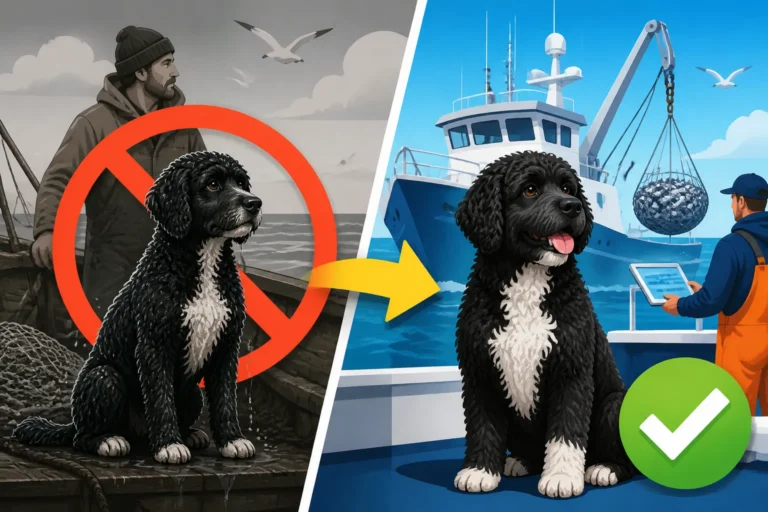
The Portuguese Water Dog's story begins centuries ago along the rugged coastlines of Portugal, particularly the Algarve region. Here, these dogs weren't pampered pets; they were integral, indispensable members of fishing crews. Their job was tough and demanded specific physical attributes, and they were valued for their intelligence, loyalty, and, crucially, their exceptional abilities in the water. These dogs performed a myriad of tasks that were vital to the fishermen's livelihoods. They would retrieve lost tackle, ropes, or even broken nets that had fallen overboard, preventing costly losses for the crew. They were known to carry messages between boats, swimming across open water with important information tucked safely into a pouch. And, perhaps most famously, they would "herd" fish into nets, driving schools of fish towards waiting boats, a testament to their keen instinct and remarkable agility underwater.
This wasn't just casual paddling; it was demanding, sustained work in often cold and turbulent Atlantic waters. Without the ability to move swiftly and powerfully through the water, a dog simply couldn't perform these tasks effectively. The fishermen needed a dog that could outmaneuver fish, resist strong currents, and tirelessly swim back and forth, often for hours on end. This constant need for aquatic efficiency drove the development and preservation of the webbed feet, making them a defining characteristic of the breed. If you're curious about their maritime past, read more about The Portuguese Water Dog Worked the Algarve Fishing Fleet.
Evolution for Efficiency: How Webbing Became Essential
Think of it like this: in a world where a dog's survival and usefulness depended entirely on its ability to perform in the water, any physical advantage that enhanced that ability would be naturally selected and passed down. Over generations, dogs with more pronounced, stronger webbing between their toes would be more successful at their jobs. They would be faster, more enduring, and more effective at retrieving and herding. This meant they were the dogs the fishermen valued most, the ones who were most likely to be bred.
This process of selective breeding, combined with natural adaptation to their environment, honed the Portuguese Water Dog into the aquatic marvel we know today. The webbing isn't just a random genetic mutation; it's a finely tuned evolutionary response to a specific occupational demand. The dogs that could "paddle" more effectively with their larger, webbed feet could gather more fish, retrieve more gear, and ultimately contribute more to the fishing enterprise. Their very existence, and the preservation of their unique traits, is a testament to this incredible partnership between man and dog. This focused evolution is also why their overall structure is so geared towards swimming, as outlined in What a Portuguese Water Dog Was Bred to Do on a Boat and How a Portuguese Water Dog Worked a Net.
How Webbed Feet Enhance Performance in Water
So, we know why they have webbed feet, but let's break down the mechanics of how this anatomical feature translates into superior water performance. It's more than just a little extra skin; it's about physics and pure, unadulterated power.
Propulsion and Power: The Paddle Effect
Imagine trying to swim without using your hands, just kicking your legs. You'd move, sure, but not very quickly or powerfully. Now imagine strapping a pair of diving fins to your feet. Suddenly, with each kick, you're displacing a much larger volume of water, and you surge forward with incredible force. This is precisely the "paddle effect" that webbed feet give a Portuguese Water Dog. When their paw pushes back against the water, the webbing spreads out, significantly increasing the surface area. This larger surface area means they can push a greater volume of water with each stroke, generating immense propulsion.
It's a matter of efficiency. A dog with un-webbed feet has to take more strokes, expending more energy, to achieve the same speed or distance as a PWD. The webbed feet allow them to move through water with less effort and more power, making them incredibly fast swimmers. This propulsion is crucial for tasks like quickly diving after a lost fishing net or racing to retrieve a bumper during dock diving. It's a visible difference in their swimming style, giving them a distinct advantage over many other breeds when it comes to speed and stamina in aquatic environments. The speed benefit is explored further in How Much a Portuguese Water Dog's Webbing Adds to Its Speed.
Agility and Maneuverability: Turning on a Dime
It's not just about straight-line speed; it's about control. A true working water dog needs to be able to change direction rapidly, navigate obstacles, and precisely target objects in the water. This is where the webbed feet truly shine in terms of agility and maneuverability. Because the webbing allows for such powerful propulsion, it also enables quick, precise directional changes. When a PWD needs to pivot to follow a school of fish, or adjust its trajectory to catch a toy thrown into the water, those feet act like miniature rudders and thrusters all at once.
They can use the resistance created by their splayed, webbed toes to brake, turn, or push off from submerged objects with surprising precision. This agility is what allowed them to work alongside fishermen, deftly maneuvering around fishing boats and nets without getting entangled, or swiftly herding fish with controlled movements. In modern water sports, this translates to incredible grace and control, whether they're weaving through an agility course that includes a water jump or precisely targeting a retrieving dummy in a water trial. They don't just swim; they dance through the water with an almost unparalleled finesse.
The Role of Webbed Feet in Modern PWD Activities
While the days of herding fish into nets might be largely behind them, the Portuguese Water Dog's webbed feet are far from obsolete. Today, these natural adaptations continue to be a huge asset, defining their participation and success in a variety of modern activities.
Dock Diving and Water Trials: Competitive Advantage
For many Portuguese Water Dog owners, water sports aren't just a hobby; they're a way to honor their dog's heritage and channel their natural abilities. Dock diving, for example, is a popular sport where dogs run down a dock and jump for distance or height into a pool. A PWD's webbed feet give them a distinct edge here. Once they hit the water, those powerful paddles kick in, allowing them to swim quickly to the bumper and make a speedy return to the dock. This swiftness out of the water is a critical component of a strong performance.
Similarly, in water trials, where dogs demonstrate various retrieving and rescue skills in simulated scenarios, their webbed feet contribute significantly to their success. They might be asked to retrieve objects from a certain distance, tow a "drowning victim" (often a person in a life jacket) to shore, or even retrieve multiple items in sequence. In all these tasks, the efficiency and power provided by their webbed feet mean they expend less energy, maintain better speed, and ultimately perform with greater precision and endurance. It's a joy to watch them in these events, truly living up to their breed name. Interested in these sports? Check out Dock Diving and Water Trials With a Portuguese Water Dog for more info.
Everyday Play and Exercise: Making Swimming a Joy
Beyond competitive sports, the webbed feet make everyday water play an absolute delight for a Portuguese Water Dog. These are dogs who are genuinely happiest when wet, and their anatomy makes it so much easier for them to enjoy it. A trip to the lake, a romp in the ocean, or even a splash in a backyard pool becomes a natural, effortless activity for them. They don't have to work as hard as many other breeds to stay afloat or move through the water, which means they can play for longer and get more out of their aquatic exercise.
This ease in water also opens up fantastic opportunities for healthy, low-impact exercise, which is great for their joints and overall fitness. Fetching a toy from a pond, swimming laps with their owner, or just splashing around on a hot day are all activities where their webbed feet make them comfortable and capable. For an active breed like the PWD, having this natural predisposition for water activities makes meeting their substantial exercise needs much more fun for both dog and owner. Getting them accustomed to water from a young age can be an enriching experience, and you can learn how to encourage it with Teaching a Portuguese Water Dog to Swim on Cue. You can find plenty of great floating toys and paw protection products on sites like Chewy to enhance their water adventures.
Caring for Those Specialized Paws
While webbed feet are a huge advantage, they also come with specific care requirements. Neglecting their paws can lead to discomfort, irritation, or even infections, especially for a dog that spends a lot of time in the water.
Grooming and Maintenance: Keeping Paws Healthy
The fur on a Portuguese Water Dog's feet grows continuously, and it can grow quite long, extending beyond the pads and even covering the webbing itself. While this might look charming, it can become a breeding ground for problems. Long hair between the paw pads can trap moisture, debris, burrs, and even small stones, leading to matting, irritation, and skin infections. This is particularly true for webbed feet, where moisture can be held against the skin more readily. Therefore, regular trimming of the hair between their pads is essential. This allows for better airflow, helps prevent matting, and makes it easier to clean their feet.
Beyond trimming, regular nail care is critical. Their strong nails grow quickly, and if not kept short, they can interfere with their natural gait and even cause pain. If you're clipping yourself, be sure to have styptic powder on hand just in case. After every swim, especially if it's in a lake, ocean, or chlorinated pool, a thorough rinse of their paws and a good towel-dry (or even a force dryer for the coat) is a must. This helps prevent fungal or bacterial growth. Regularly inspecting their paw pads for cuts, abrasions, or foreign objects is also vital, as their active lifestyles make them prone to minor injuries. For a deeper dive into paw care, check out Nails, Feet and Webbing on a Portuguese Water Dog. You can find specialized paw balms and grooming tools for PWDs on Chewy.
Potential Issues and Prevention: Infections and Injuries
Because Portuguese Water Dogs spend so much time in water, and because their webbed feet have more surface area and often more hair between the toes, they can be more susceptible to certain paw-related issues. One common concern is interdigital cysts or infections. Moisture trapped between the toes, combined with trapped debris, can create the perfect environment for bacteria or yeast to flourish. Signs of this might include licking or chewing at their paws, redness, swelling, or even limping. Regular cleaning, thorough drying, and keeping the hair trimmed can go a long way in preventing these uncomfortable conditions.
Additionally, their active, water-loving nature means they are often running over varied terrain, from rocky shorelines to sandy beaches. This increases the risk of paw pad injuries, such as cuts, scrapes, or even punctures. Always be mindful of where your PWD is exercising, and inspect their paws frequently, especially after adventurous outings. Consider dog booties for particularly rough terrain or icy conditions if you're venturing out of their natural element. While not directly about feet, the principles of keeping ears clean and dry to prevent infections after swimming are similar to paw care, as discussed in Why a Swimming Dog Gets Ear Infections.
Distinguishing PWD Webbed Feet from Other Breeds
It's true that many dog breeds have some degree of webbing between their toes – it's a common trait among canines. However, the Portuguese Water Dog's webbed feet are distinctly different in their prominence, function, and the emphasis placed upon them within the breed standard.
Not All Webbing is Equal: Comparing with Other Water Breeds
When you look at a Labrador Retriever or a Newfoundland, for instance, you'll find they also have webbing between their toes. These are also breeds renowned for their love of water and retrieving abilities. However, in the Portuguese Water Dog, the webbing is typically much more extensive, thicker, and more robust. It extends further up the foot, sometimes almost to the top of the toes, creating a much larger surface area that functions as a highly efficient paddle. It's the difference between having slightly webbed fingers and having actual flippers.
This increased webbing translates directly into superior propulsion and maneuverability in the water, giving the PWD a distinct advantage in tasks requiring prolonged or intensive swimming. While a Lab is a fantastic water dog, a PWD's feet are, by design, even more specialized for aquatic work. This subtle but significant difference is a testament to the centuries of their ancestors being true working dogs of the fishing fleet, where every ounce of efficiency counted.
The Importance for Breed Standard: What Judges Look For
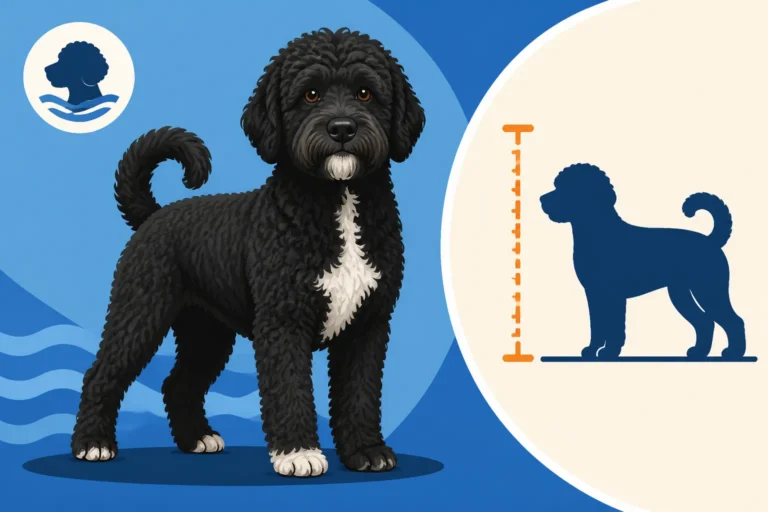
For those involved in showing Portuguese Water Dogs, the webbed feet are not just a nice-to-have; they are a crucial element of the breed standard. The standard explicitly calls for "webbed feet, strong and well spread, not long and narrow, nor round and cat-footed." This means that judges are looking for paws that are clearly functional, with visible, strong webbing between the toes. A PWD with poorly webbed or overly narrow feet would be considered faulty, as it indicates a departure from the essential characteristics that define the breed's working heritage.
This emphasis in the breed standard reinforces the fundamental importance of the webbed feet to the Portuguese Water Dog's identity and function. It's a characteristic that is celebrated and preserved, not just for its historical significance, but for its continued relevance to the dog's capabilities. It's part of what makes a PWD truly a PWD, and discerning judges will certainly pay attention to this detail when assessing a dog in the show ring. The overall structure of the dog, including its feet, is paramount, as discussed in What a Correct Portuguese Water Dog's Outline Looks Like.
Common Misconceptions About Webbed Feet
Like many unique breed traits, the webbed feet of the Portuguese Water Dog can sometimes lead to misunderstandings or overgeneralizations. It's important to separate fact from fiction to have a realistic understanding of this incredible breed.
Do All PWDs Love Water Because of Webbed Feet?
It's a common assumption: "They have webbed feet, so they must love water!" And it's true that the vast majority of Portuguese Water Dogs have an innate drive and affinity for water. Their webbed feet make swimming feel incredibly natural and effortless for them, almost like they were born doing it. However, it's a misconception to believe that every single PWD will automatically adore water or that webbed feet guarantee a water-obsessed dog. Just like humans have individual preferences, so do dogs.
While most will take to water enthusiastically, there might be an occasional PWD who is hesitant or needs a bit more encouragement to get comfortable. Factors like early socialization, individual temperament, and even past experiences (positive or negative) can play a role. A responsible breeder will often introduce puppies to water in a fun, positive way, setting them up for success. So, while the webbed feet certainly enable a love for water, they don't force it. It's like having long legs – you're built for running, but you might still prefer to read a book! However, even the most hesitant PWD will find water much easier to navigate than a non-webbed breed. Their natural inclination for physical activity and finding a "job" means many will be drawn to water-based activities, which can fulfill their exercise requirements, as explored in How Much Exercise a Portuguese Water Dog Needs.
Are Webbed Feet Exclusive to the PWD?
Another common misconception is that webbed feet are a trait found only in Portuguese Water Dogs. As we touched on earlier, this isn't true. Many breeds have some degree of webbing between their toes, especially those bred for retrieving or working in water environments. Breeds like Newfoundlands, Labs, Chesapeake Bay Retrievers, and even some Poodles, have noticeable webbing that aids them in swimming. It's a useful adaptation for any dog that spends time in the water.
However, the key distinction with the Portuguese Water Dog is the degree of webbing and its functional prominence. The PWD's webbing is typically more extensive and robust than in many other breeds, making it a highly specialized and defining characteristic of their anatomy. While other breeds might have webbing, it's often more subtle or less crucial to their overall breed standard and working function. So, while not exclusive, the PWD's webbed feet are a prime example of form perfectly meeting function, a testament to their unique heritage as true working water dogs of the Portuguese coast. If you're considering a water dog, it's good to understand the difference in aquatic specializations across breeds, including whether a dog like the PWD truly needs a life jacket for safety, which is covered in Whether a Portuguese Water Dog Needs a Life Jacket. For more essential items for a water-loving PWD, check out practical accessories and gear on Chewy.
The Webbed Foot in the Portuguese Water Dog: A Summary
The webbed feet of the Portuguese Water Dog are far more than just a distinctive physical feature; they are a living testament to the breed's rich history and purpose. From their origins assisting fishermen along the rugged coasts of Portugal, these dogs developed a unique anatomy perfectly suited for aquatic life. The extensive webbing between their toes acts as a natural paddle, providing unparalleled propulsion and agility in the water, making them efficient swimmers and master maneuverers.
Today, these specialized paws continue to define the breed, allowing them to excel in modern water sports like dock diving and water trials, and making everyday swims a joyful, natural experience. However, this unique feature also requires diligent care, including regular grooming to prevent matting and infections, particularly given their constant exposure to water. While other breeds may possess some webbing, the Portuguese Water Dog's is exceptional in its development and functional importance, explicitly recognized in their breed standard. Understanding and appreciating these remarkable webbed feet is key to understanding the heart and soul of the Portuguese Water Dog – a true water enthusiast, through and through.
| Adaptation | Primary Function | Benefit for Portuguese Water Dog |
|---|---|---|
| Webbed Feet | Increased surface area for propulsion | Powerful, efficient swimming; quick directional changes |
| Rudder Tail | Steering and balance | Agility in water, ability to dive and surface cleanly |
| Single Coat | Insulation and quick drying | Protection from cold water, prevents rapid heat loss |
| Strong Musculature | Endurance and power | Sustained swimming, powerful retrieves in challenging conditions |
| Deep Chest | Lung capacity | Holds breath longer, greater endurance for long swims |
Disclaimer
This article is for general informational purposes only and does not constitute professional advice. Laws, prices and regulations vary by location and change over time. Consult a qualified professional for guidance on your specific situation.